
The inaugural Red Bull Features Cup, a groundbreaking team-based snowboarding competition designed to redefine traditional contest formats, culminated in an extraordinary three-way tie across its four diverse zones, forcing an unscripted sudden-death hip session that ultimately saw Team Asia-Pacific claim the coveted victory. Held on a meticulously crafted course that blended classic freestyle elements with innovative challenges, the event championed creativity, adaptability, and collaborative spirit over conventional high-difficulty acrobatics, setting a new benchmark for competitive snowboarding.
From its inception, the Red Bull Features Cup aimed to depart from the often-formulaic structure of traditional slopestyle or big air contests. Instead, it sought to create a dynamic environment where diverse skill sets, strategic team play, and spontaneous creativity were paramount. Red Bull, a long-standing patron of action sports innovation, conceived the event as a celebration of snowboarding’s core ethos: progression, style, and fun. The format brought together three regional powerhouse teams, each comprising four elite riders, to navigate a multi-faceted course that demanded versatility and composure under pressure.
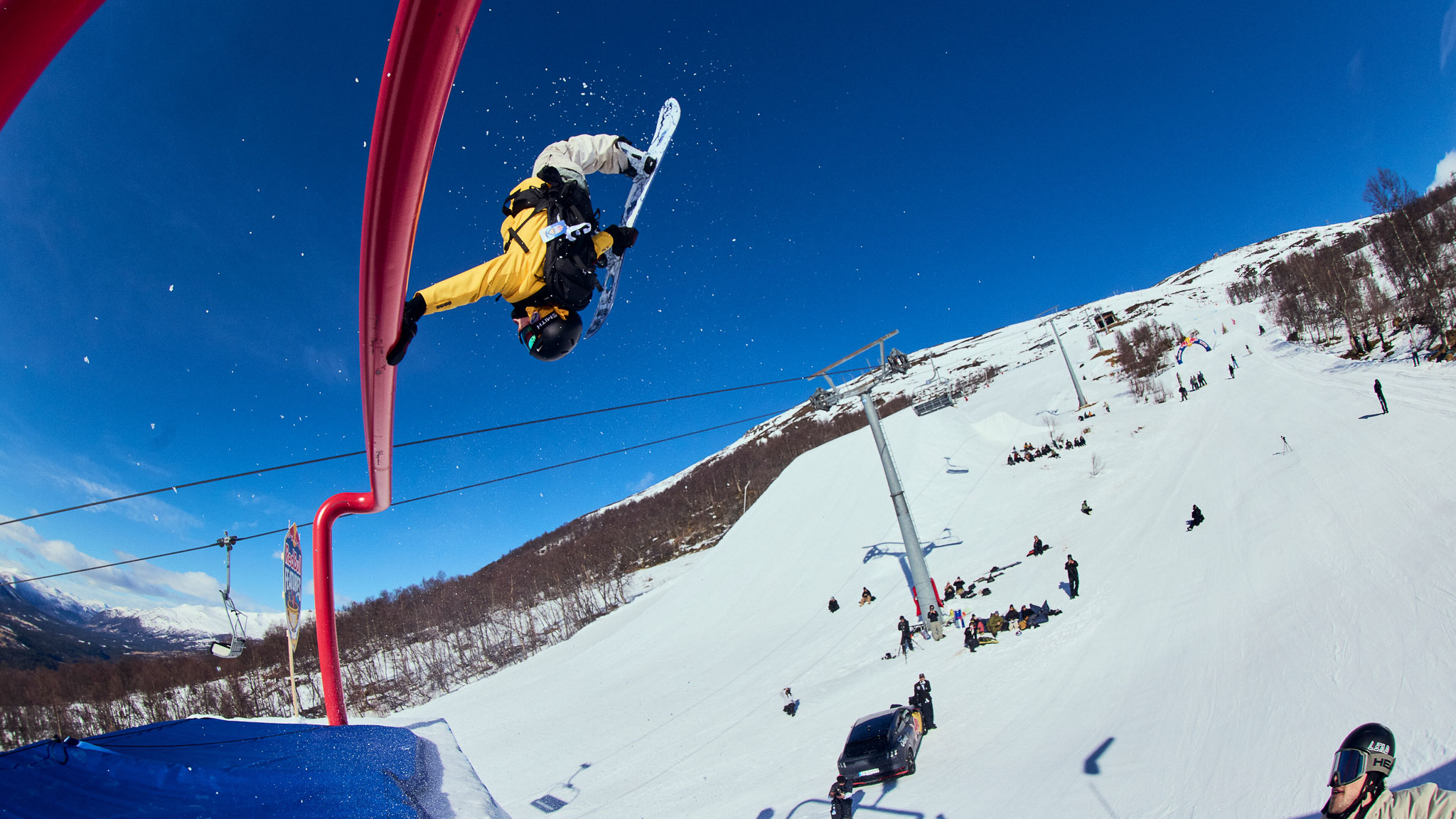
Team Europe presented a formidable lineup featuring Norwegian superstar Marcus Kleveland, known for his technical prowess and big air mastery; Fridtjof Tischendorf, a versatile rider with a reputation for flow and rail wizardry; Isak Ulstein; and Celia Petrig, a rising talent. North America countered with Luke Winkelmann, celebrated for his smooth style and rail game; Denver Orr; Egan Wint; and Lane Weaver. The Asia-Pacific contingent, who would eventually emerge victorious, comprised Cool Wakushima, Zephyr Lovelock, Rocco Jamieson, and Miyabi Onitsuka, a quartet known for their dynamic riding and collective strength. The stage was set for a truly global clash of styles and strategies.
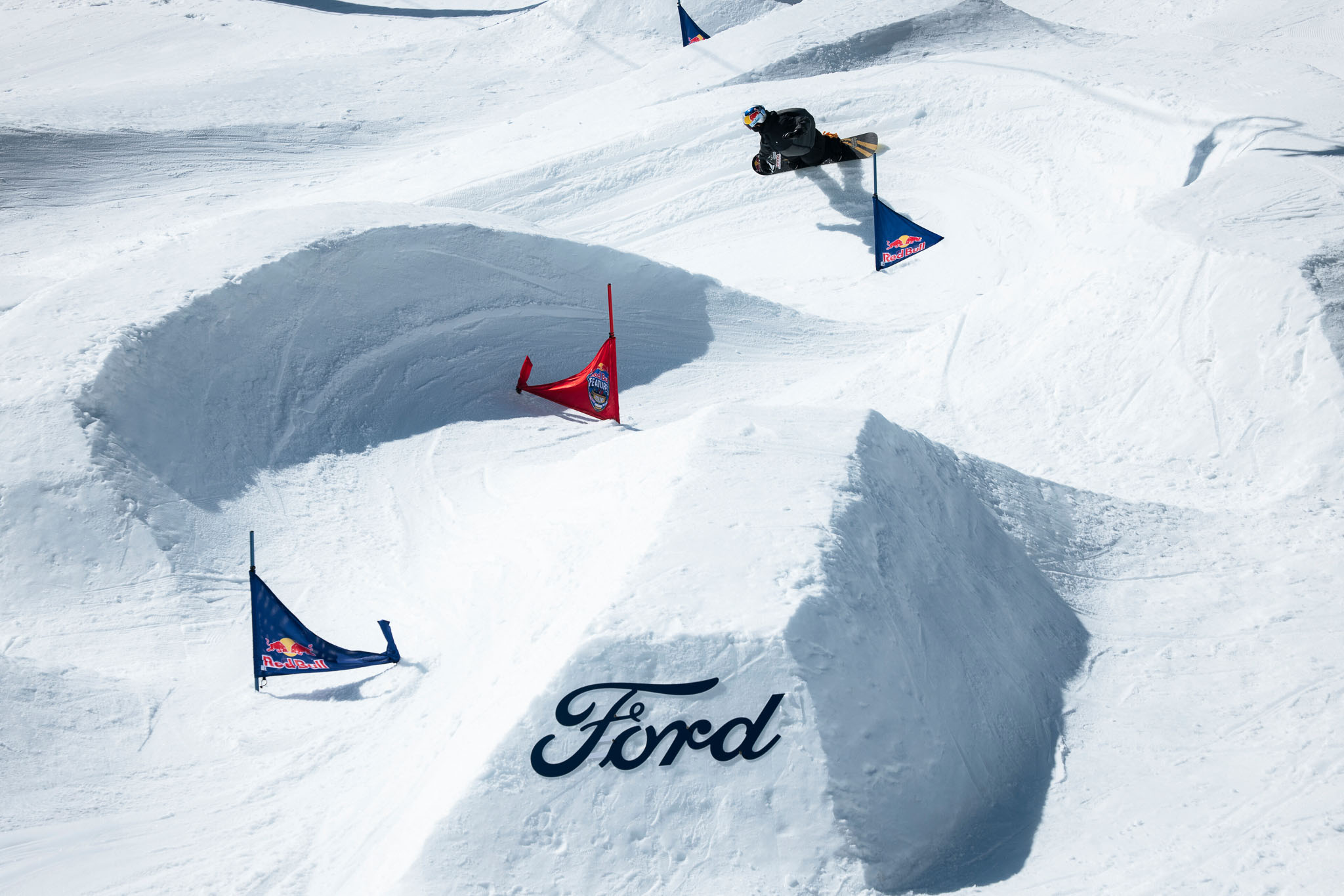
The competition course itself was a marvel of engineering and design, described by many as "outrageous looking" and a visual testament to the event’s creative ambition. Stretching across a vast expanse, it seamlessly integrated four distinct zones: a challenging banked slalom, a technical rail jam, an amplitude-focused quarterpipe, and a progressive jump line. Each zone was conceived not merely as a test of individual skill but as a canvas for team strategy, with points awarded on a 5-3-1 basis for first, second, and third place in each zone. Adding an unpredictable layer to the proceedings was the "Mischief Multiplier," a series of creative challenges layered throughout the event, rewarding risk-taking and ingenious solutions, further encouraging riders to think outside the box.
The initial phase of the competition unfolded in the banked slalom, a segment that combined raw speed with intricate board control and strategic navigation. Unlike traditional timed runs, the Red Bull Features Cup introduced a unique twist: teams logged cumulative times across two runs, with one run on standard snowboards and another on specially designed mini boards. This innovative element was designed to test the riders’ fundamental board control and adaptability, forcing them to adjust their lines and techniques to significantly different equipment. Penalties were incurred for missed gates, maintaining a competitive edge, while crucial bonus points were awarded for "creative risk-taking," such as executing flips mid-course, a daring maneuver in a speed-focused discipline. North America’s Luke Winkelmann quickly established dominance on his standard board, showcasing the team’s raw speed and precision. However, the cumulative nature of the scoring, coupled with the mini board challenge and the potential for penalties and bonuses, kept the standings incredibly tight, foreshadowing the intense competition to come. The mini board segment proved particularly entertaining, with riders navigating the tight turns and undulations on equipment that amplified every subtle movement, leading to a spectacle of agile adjustments and occasional humorous tumbles that added to the event’s lighthearted atmosphere.
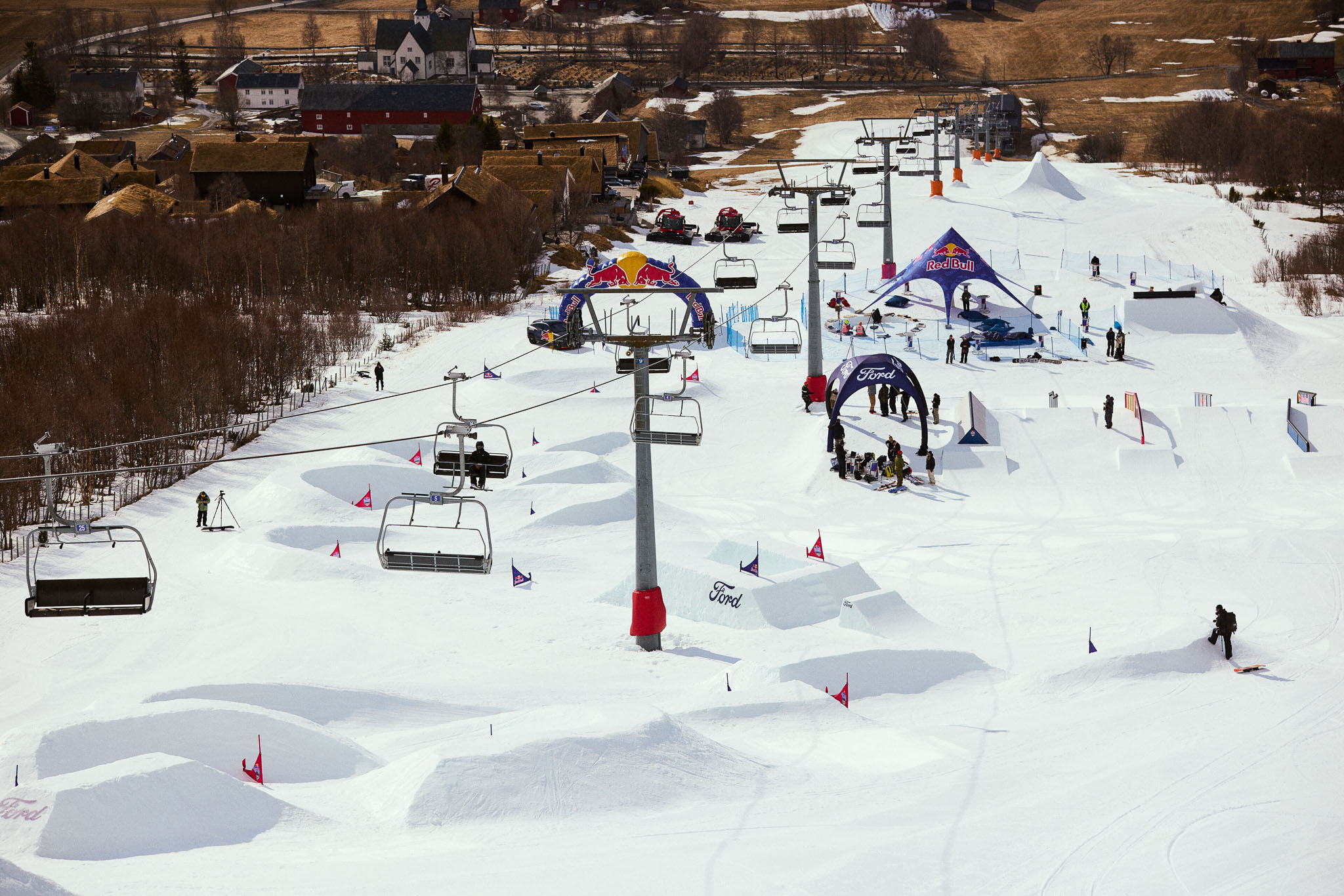
Following the speed-driven banked slalom, the focus shifted to the rail jam, a zone that rapidly evolved into one of the most dynamic and unpredictable segments of the competition. Beginning as a traditional open session where riders could showcase their technical prowess on a variety of rail and box features, the rail jam soon introduced a "randomizer element" via a spin wheel. This wheel dictated specific tricks, grinds, or features that riders had to incorporate into their runs on the fly, demanding instantaneous adaptation and rewarding unparalleled creativity under pressure. For instance, a spin might require a "frontside boardslide to fakie on the down rail" or a "270 onto an urban feature," pushing riders beyond their comfort zones and pre-planned lines. North America, with its deep roster of technically gifted rail riders, leaned heavily into its strengths, making this zone a clear display of their expertise. However, it was Europe’s Fridtjof Tischendorf, affectionately known as "Fridge," who truly emerged as a standout, consistently delivering high-quality, creative runs under both open and randomized conditions. His ability to blend technical precision with an artistic flair, regardless of the imposed constraints, earned him widespread acclaim and crucial points for Team Europe.
The third zone, the quarterpipe, saw the competition pivot towards amplitude, air awareness, and sophisticated team coordination. The quarterpipe featured not only a massive transition for soaring airs but also integrated additional elements like a challenging wall ride and a "hitching post" that expanded the creative possibilities for riders. A significant component of this zone was the offering of bonus points for synchronized "doubles" runs, a visually spectacular and technically demanding maneuver where one rider hit low on the coping while a teammate aired gracefully over them. This challenge underscored the event’s emphasis on teamwork and collaborative energy, moving beyond individual glory. Impressively, all three teams successfully executed doubles runs, much to the delight of the crowd and judges, highlighting the high level of trust and synergy among the competitors. Tischendorf once again anchored Europe’s performance, demonstrating his all-around versatility and contributing significantly to his team’s amplitude scores. Team Asia-Pacific, despite showcasing strong air awareness across its entire roster, found themselves just short in the zone standings, perhaps due to slight imperfections in execution or synchronization compared to their rivals.
The climax of the initial four-zone competition was the jump session, which quickly became a defining highlight due to its unique and progressive format. Instead of encouraging riders to throw the highest-rotation, most technically difficult tricks, the Red Bull Features Cup imposed a specific progression: each rider had to build from 180s up to a maximum of 900-degree rotations. This cap on rotation levels ingeniously shifted the focus away from sheer difficulty and towards flawless execution, impeccable style, and consistent landings. The result was a jump session unlike anything typically seen in traditional competitions, prioritizing flow, grab selection, and the overall aesthetic of the trick. Europe, spearheaded by the jump powerhouse Marcus Kleveland, entered this zone with high expectations, and Kleveland delivered with his signature blend of power and precision, executing stylish 720s and 900s with ease. However, all three teams rose magnificently to the challenge, demonstrating incredible consistency and creativity within the imposed limitations. The judges, looking for creativity in grabs, perfect landings, and smooth approaches, faced an incredibly difficult task in distinguishing between the tightly contested performances.
In a testament to the extraordinary talent and strategic balance of the field, the Red Bull Features Cup concluded its four main zones in a rare and mathematically improbable three-way tie. After all points were tallied, each of the three regional teams — Europe, North America, and Asia-Pacific — stood level on 12 points. Team Europe had secured two impressive zone wins, showcasing their dominance in specific disciplines. Asia-Pacific, while securing one zone win, consistently placed second in multiple other zones, demonstrating remarkable all-around consistency. North America, though not taking multiple outright zone victories, maintained a steady presence across all disciplines, ensuring they remained in contention. This unprecedented deadlock necessitated an immediate and unplanned sudden-death scenario, elevating the tension to fever pitch.
The tie-breaker was declared to be a high-stakes hip session, an impromptu fifth zone that would test riders’ ability to generate massive air off a hip feature, emphasizing style, amplitude, and creative grabs. This sudden addition to the competition, unforeseen by the teams, added an extra layer of pressure and demanded immediate adaptation. It was in this unscripted, high-pressure environment that Team Asia-Pacific truly capitalized on their collective momentum and depth. Their riders displayed exceptional air awareness, smooth landings, and innovative grabs off the hip, showcasing a cohesive performance that demonstrated their readiness for any challenge. Their ability to deliver under the immense pressure of a sudden-death situation, particularly after such an evenly matched primary competition, was remarkable. The precision, style, and calculated risk-taking displayed by Cool Wakushima, Zephyr Lovelock, Rocco Jamieson, and Miyabi Onitsuka ultimately secured their overall victory in this historic inaugural event.
Final Results:
1st Asia-Pacific
2nd North America
3rd Europe
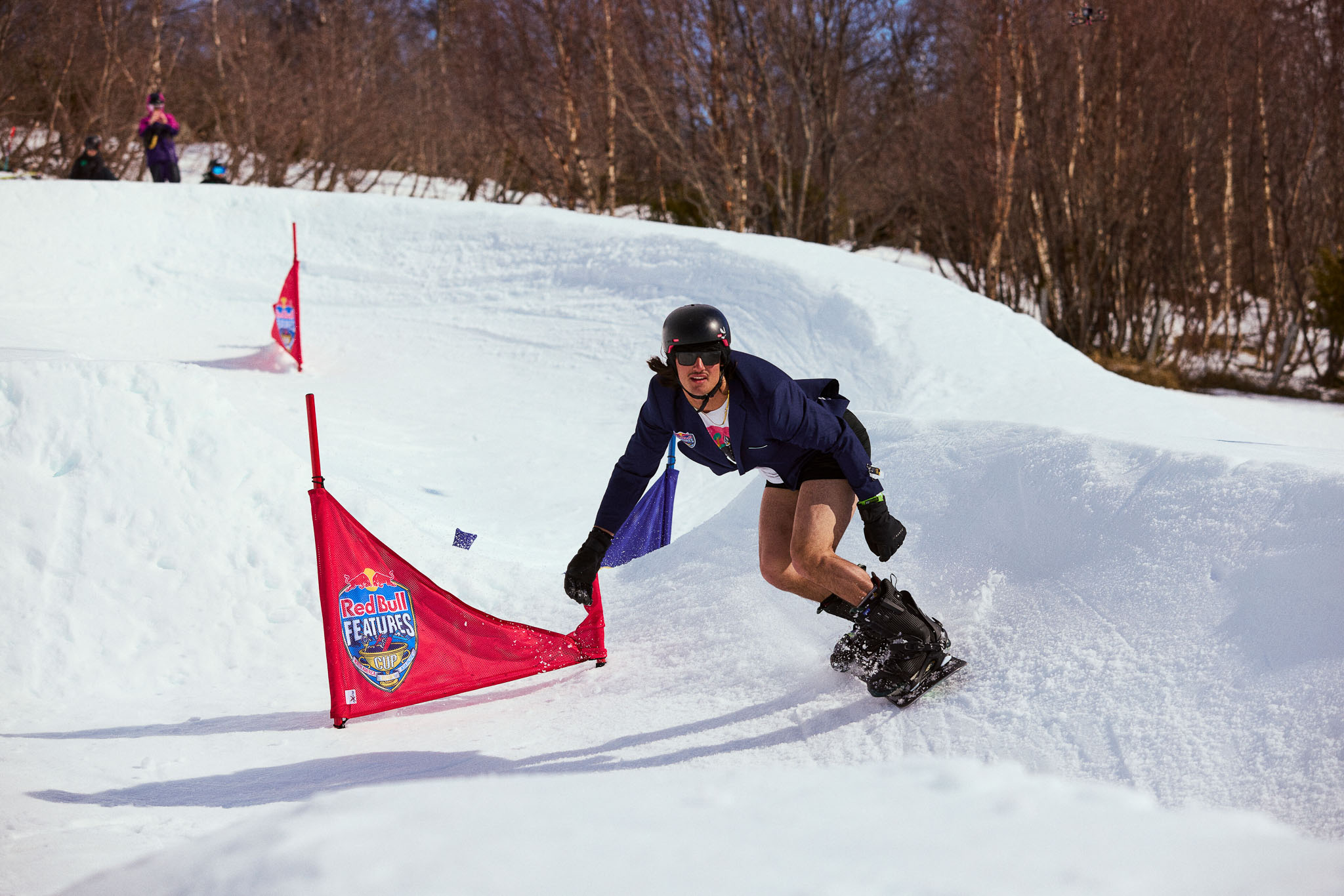
Beyond the dramatic podium finish, the most profound and widely celebrated takeaway from the Red Bull Features Cup was undoubtedly the overarching atmosphere and "vibe" of the event. It transcended the typical competitive paradigm, fostering a session-driven environment where riders genuinely fed off each other’s energy, pushing collective creativity and progression without the often-stifling pressure of traditional contests focused solely on individual scores and technical difficulty. Athletes were observed cheering for their rivals, collaborating on line choices, and celebrating innovative tricks regardless of who landed them.
This refreshing approach garnered widespread acclaim from both the snowboarding community and industry observers. Organizers expressed immense satisfaction with the event’s successful debut, noting that it had achieved its primary goal of revitalizing competitive formats. Riders, in post-event interviews, lauded the refreshing format, with many expressing how liberating it felt to prioritize style and fun alongside competition. Marcus Kleveland, despite his team placing third, was reportedly thrilled with the format, stating that it brought back the joy of riding with friends. Industry analysts have already pointed to the Red Bull Features Cup as a potential blueprint for the future of action sports competitions, suggesting that its blend of individual skill and team strategy, coupled with creative multipliers and an emphasis on flow, could be adopted by other disciplines seeking to innovate.
The Red Bull Features Cup, with its successful debut, has undeniably set a new benchmark for competitive snowboarding. It stands as a powerful statement that creativity can lead, teamwork truly matters, and the inherent joy and fun of snowboarding can remain at the core of even the most elite competitions. As the sport continues to evolve, events like the Features Cup demonstrate a promising path forward, ensuring that the spirit of innovation and camaraderie continues to define competitive action sports for years to come. The unforeseen three-way tie and sudden-death finish only served to underscore the unpredictable excitement that such a format can generate, solidifying its place as a groundbreaking moment in snowboarding history.
