
When the prominent French sports equipment manufacturer Salomon withdrew from the North American alpine racing scene, it created a palpable void that resonated through the community. For a generation of budding athletes, dedicated coaches, and supportive parents, Salomon was more than just a brand; it was an integral part of their developmental journey, synonymous with performance and progress on the race course. Then, with an almost imperceptible shift, the familiar logo receded from the start gates, leaving many to wonder about its future in the sport. Now, after a period of absence, Salomon is making a strategic and deliberate return, poised to reclaim its heritage and rebuild its presence from the ground up in North America.
At the very heart of this ambitious re-entry is Lauren Samuels, a figure who not only understands the nuances of alpine racing but also embodies the deep-seated connection many once had with the brand. Samuels herself grew up competing on Salomon equipment, relying on its boots and skis through countless training runs and competitive races. Her personal history with the brand provides a unique, full-circle narrative to this comeback. Today, she returns not as an athlete carving turns, but as a pivotal leader tasked with shaping Salomon’s future in the competitive landscape of North American alpine racing. "It’s full circle," Samuels reflects, her voice underscoring the personal significance of her role. "I started on Salomon when I was young. Now we have the opportunity to bring it back—and do it right." This statement encapsulates both a personal triumph and a strategic commitment to a methodical, long-term revitalization.
A Strategic Re-Entry: Beyond the Podium Chasing
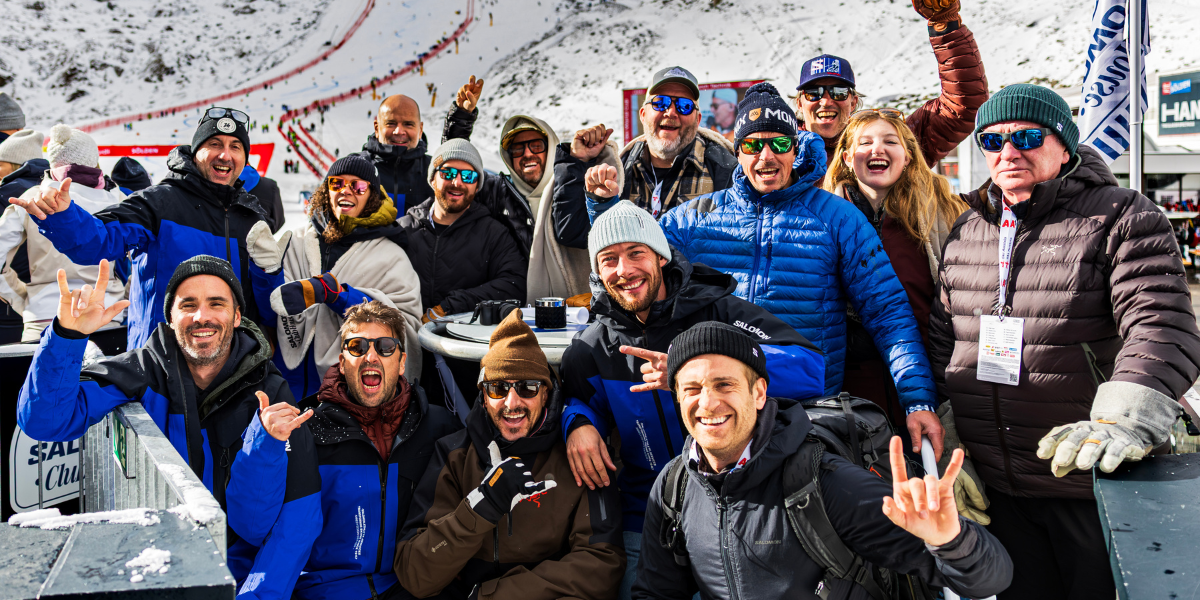
Salomon’s return is characterized by a carefully crafted strategy that distinctly avoids the typical industry fanfare of chasing immediate headlines or signing the most high-profile World Cup athletes. Instead, the brand is adopting a deliberate, foundational approach, focusing on rebuilding its reputation and market share from the grassroots level upwards. This marks a significant departure from common top-down strategies often seen in a sport heavily influenced by podium visibility and elite sponsorships. "We’re not coming in trying to grab the number one skier in the world overnight," Samuels explains, outlining the brand’s patient philosophy. "We want to start at the grassroots level. That’s where loyalty is built. That’s where connection happens."
This commitment to the developmental pipeline—targeting U14, U16, and FIS athletes, alongside the coaches who mentor them—is not merely sentimental; it is a calculated business decision. By investing in the foundational tiers of the sport, Salomon aims to cultivate enduring relationships and foster a new generation of loyalists. Samuels herself serves as a prime example of this desired outcome. "I am exactly the person we’re trying to create going forward," she asserts. "Someone who started young on the brand and still believes in it years later." This strategy acknowledges that long-term brand equity in ski racing is forged through consistent support and engagement with the athletes and programs that form the backbone of the sport. The North American market, with its vast network of ski clubs and academies, presents a fertile ground for this grassroots cultivation, promising a sustainable return on investment by nurturing talent from an early age.
A Legacy Reimagined: Salomon’s History in Alpine Racing
To fully appreciate the significance of Salomon’s return, it’s essential to recall its historical footprint in alpine racing. For decades, Salomon was a formidable presence, renowned for its innovative ski boots, bindings, and skis that propelled numerous athletes to national and international success. The brand was a staple in many ski shops and on race hills, with its distinctive yellow and blue branding becoming synonymous with performance and reliability. Iconic racers across various disciplines trusted Salomon equipment, contributing to a rich legacy of innovation and competitive excellence.

However, like many large corporations, Salomon underwent strategic shifts, and at some point, its focus on North American alpine racing began to wane. This decision, often driven by broader market trends, internal restructuring, or a reallocation of resources to other booming segments like freeride or touring, led to a gradual reduction in its dedicated racing support and product lines in the region. The "gap" that Samuels references was not merely a marketing void but a practical one for young racers and coaches who had come to rely on Salomon’s equipment and direct support. Competitors quickly moved in to fill this space, but the memory of Salomon’s presence persisted, especially among the generation now moving into coaching and leadership roles. The current re-entry is therefore not just a launch of new products, but a conscious effort to reconnect with a lost heritage and re-establish trust within a community that felt overlooked.
Product Evolution: The Athlete at the Core
A cornerstone of Salomon’s renewed commitment is an unwavering focus on product superiority and innovation, guided by the principle that "product is not marketing, it is everything." In a sport where races are decided by hundredths of a second, the performance and reliability of equipment are paramount. "You win or lose by hundredths of a second," Samuels emphasizes. "Equipment matters. The athlete has to trust it completely." This philosophy has driven a comprehensive evolution within Salomon’s global race department, spanning several years of intensive research and development.
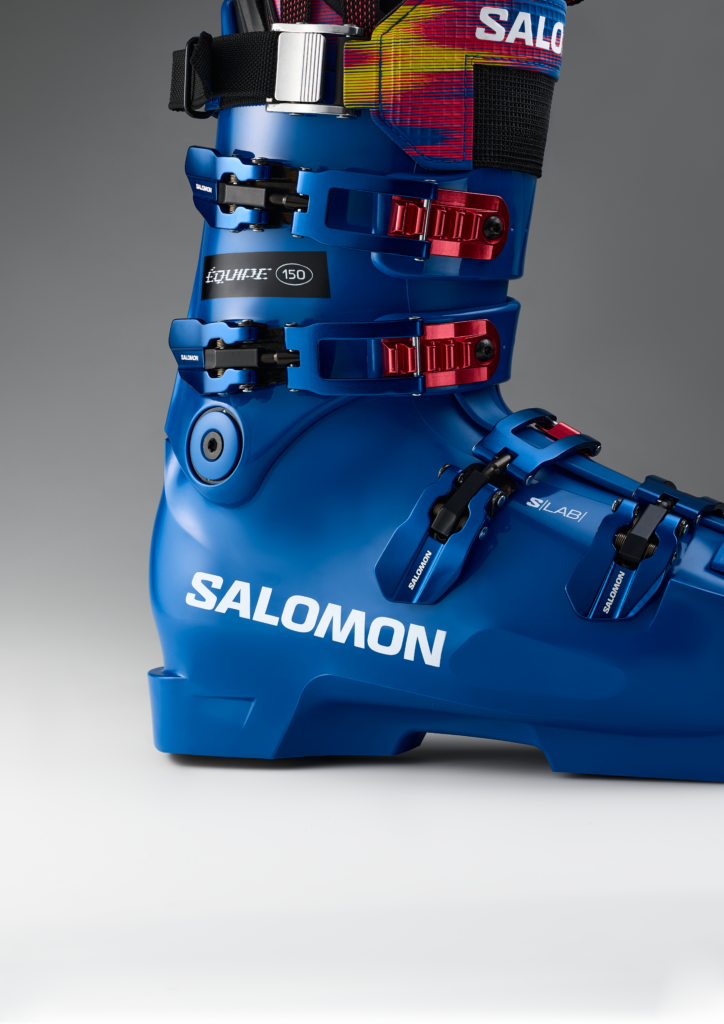
Engineers and designers have quietly reworked molds, refined sidecuts, and innovated constructions across their ski lines. Perhaps most notably, a significant redesign has been implemented for Salomon’s race boots. The new iteration moves away from the ultra-thin, hyper-demanding shells of the past, which, while incredibly fast for a select few elite, strong skiers, could be less forgiving for developing athletes. The upcoming boots feature a thicker construction, engineered to offer enhanced energy transfer, rebound, and, crucially, a more progressive feel. This design shift is a direct response to the needs of the target audience. As Samuels explains, "The old boot could be incredibly fast for very strong, very direct skiers. But we’re not trying to coach U16 athletes to ski like the most extreme World Cup line. We need equipment that supports smart skiing and progression." This nuanced understanding, born from Samuels’ dual background as a racer and a coach, highlights a deeper strategic shift: Salomon is not dictating product to athletes but building product around them, driven by real-world feedback. This iterative process of "listening"—understanding how courses are set, common conditions, and contemporary skiing techniques—ensures that the equipment is optimally tuned for modern alpine racing and athlete development.
Designing for Confidence: The Psychology of Performance
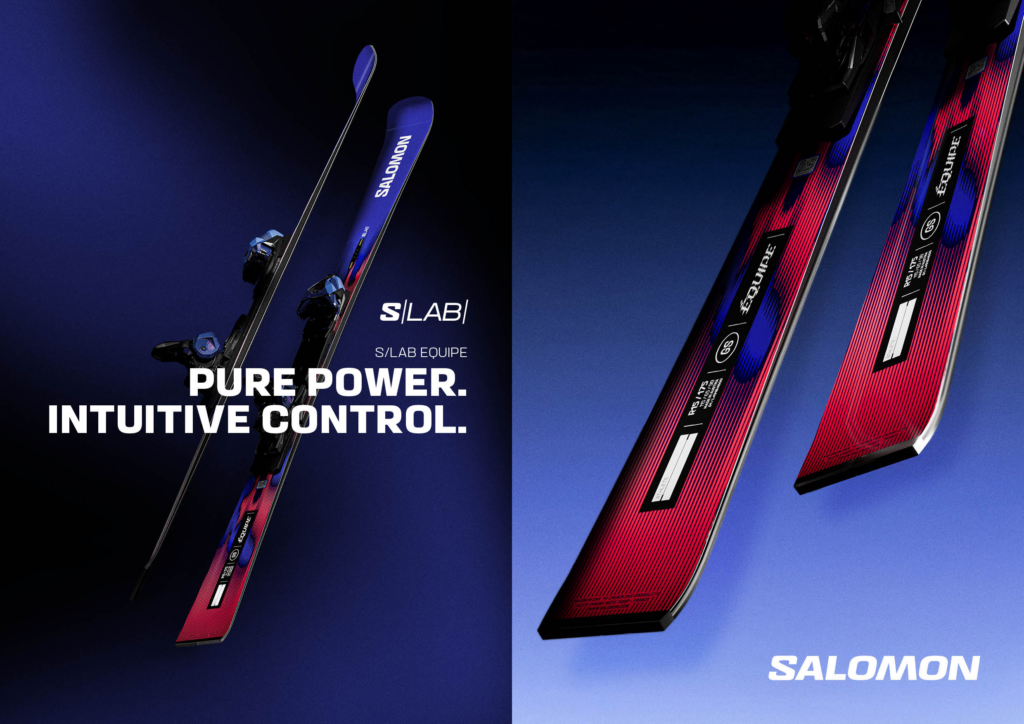
Beyond technical specifications, Salomon has also deeply considered the psychological dimensions of ski racing, integrating them into the new race collection’s visual identity. Recognizing that mental edge is as crucial as physical strength, the brand engaged next-generation European athletes in focus groups, probing not just about flex patterns and plate stiffness, but about emotions. Questions like "How do you feel in the start gate?" "What does the ski look like when you’re locked in?" and "What do you want the competitor behind you to see?" guided the aesthetic development.
The outcome is a sophisticated design that serves a dual purpose. The front section of the ski features a refined blue, strategically chosen to minimize visual distraction for the athlete in the high-pressure environment of the start gate. This subtle yet impactful detail helps racers maintain focus and mental clarity during critical moments. Conversely, the tail of the ski boasts a bold red, a color universally associated with aggression, speed, and internal fire. This vibrant red is highly visible to competitors chasing from behind, projecting an image of fierce determination and psychological advantage. "It’s about confidence without distraction," Samuels articulates. "Serious when you look down. Intimidating when someone looks at you." This meticulous attention to detail underscores Salomon’s holistic approach to performance, acknowledging that in a sport measured by milliseconds, every element, including visual cues, can contribute to an athlete’s success.
Rebuilding Trust Through Tangible Presence
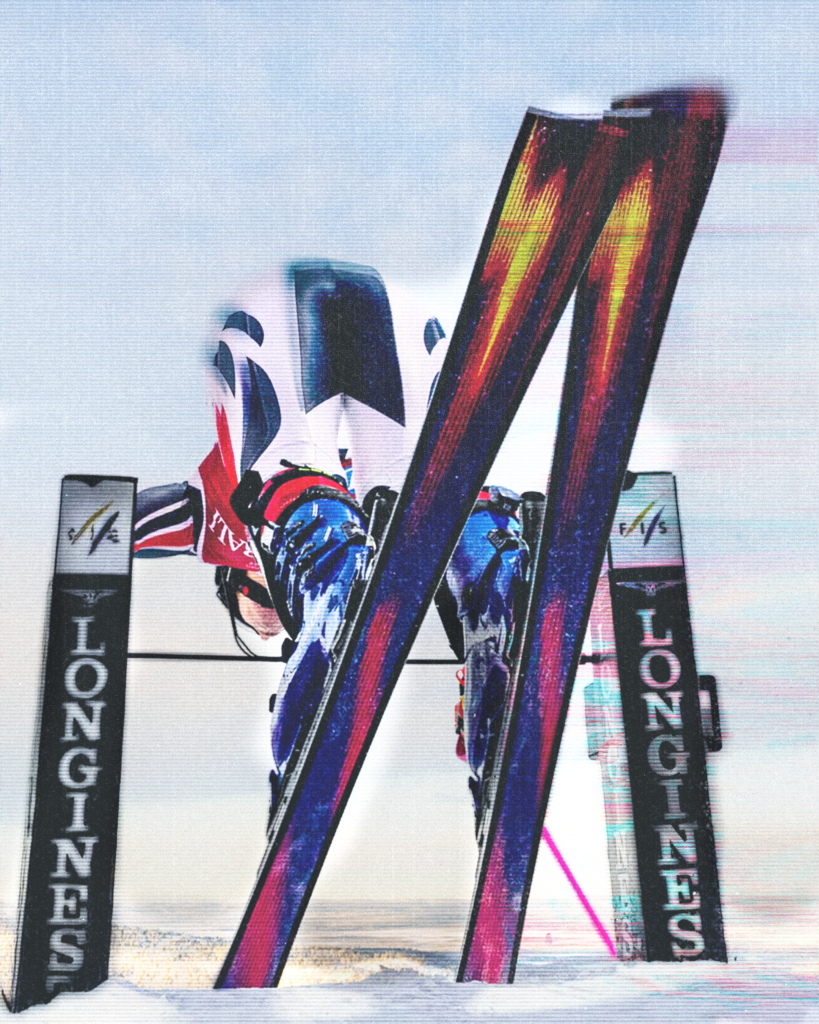
Product innovation alone, however, is insufficient to rebuild the deep trust Salomon seeks to re-establish within the North American racing community. Lauren Samuels openly acknowledges a prevailing sentiment: "I think a lot of the race world has felt ignored. Ski racing is expensive. It’s hard. Brands have stepped away. So showing up matters." This insight forms the bedrock of Salomon’s North American strategy: a significant pivot from broad, impersonal digital marketing campaigns to direct, tangible "hill presence."
This means a substantial investment in on-the-ground support. Salomon is deploying more test fleets, allowing a wider range of athletes to experience the new equipment firsthand. They are prioritizing direct conversations with coaches, gathering invaluable feedback and demonstrating a genuine commitment to partnership. Increased event visibility, not just as a sponsor but as an active participant, is also central. In Canada, this quiet rebuilding effort has already begun, fostering relationships through on-snow testing and collaborations with local clubs. The United States effort is now accelerating, with structured testing plans at major spring camps, regional hubs, and key development events across the country.
"We’re adjusting our marketing spend to what actually matters in this space," Samuels explains, highlighting a practical reallocation of resources. "It’s not digital impressions. It’s showing up with spare parts in your truck. It’s standing at the finish. It’s supporting athletes whether they win or lose." This commitment resonates deeply with coaches and retailers who have dedicated decades to the challenging, often under-resourced, world of youth ski racing. It signals a dedication that goes beyond mere commercial interest, fostering a sense of partnership and reliability crucial for enduring brand loyalty in a tight-knit community.
The Crucial Timing Window: Leveraging Generational Memory

A critical factor driving the urgency of Salomon’s re-entry is the rapidly closing window of "generational memory." Samuels astutely observes, "There’s a very specific generation that remembers Salomon in racing. Three years younger than me? They don’t even know we used to make race skis." This insight highlights a demographic imperative: the athletes who raced on Salomon during its previous era are now transitioning into influential roles as coaches, parents, and decision-makers within the ski racing community. This cohort holds invaluable institutional memory and personal affinity for the brand.
If Salomon were to delay its return by another five years, Samuels posits, "we might lose that legacy connection entirely." By acting now, the brand can tap into this existing goodwill and leverage it to accelerate its re-establishment. The organic spread of word-of-mouth serves as testament to this strategy’s effectiveness. "Coaches are texting me saying, ‘Rumor is Salomon’s coming back – when can we test?’" This spontaneous enthusiasm demonstrates that the momentum is not manufactured through advertising but is relationship-based, rooted in shared history and a desire to see a trusted brand return. Reconnecting with former athletes who are now leading programs across the United States and Canada creates a powerful network, facilitating a rapid and authentic re-integration into the community.
A Long-Term Commitment and Global Synergy
The clearest signal of Salomon’s long-term commitment to North American alpine racing is the imminent hiring of a dedicated race manager for the region this summer. This investment in localized infrastructure underscores the brand’s serious intention to provide sustained support and engagement, moving beyond a temporary initiative to a permanent fixture.
Globally, Salomon continues to nurture and develop World Cup-level athletes, alongside building depth in Europa Cup and national team pipelines. This global strategy complements the grassroots approach in North America. Locally, Samuels remains focused on cultivating roots from the bottom up, allowing the global leadership to manage elite contracts and international visibility while she concentrates on community building. "We stay in our lanes and support each other," she affirms. "That’s how this works." This synergistic approach ensures that both elite performance and foundational development receive dedicated attention, creating a robust ecosystem for the brand’s growth in racing. The implications of this coordinated effort extend to the competitive landscape, potentially introducing more diverse equipment options and intensifying competition among brands for talent and market share at all levels.
More Than a Relaunch: A Recalibration for the Future
Salomon’s return to North American alpine racing transcends a mere marketing relaunch; it represents a profound recalibration of its brand strategy and a reaffirmation of core values. It acknowledges the foundational importance of ski racing to the broader ski industry, recognizing that many celebrated freeride and big mountain athletes honed their technical skills in the disciplined environment of race gates and icy courses. It understands that authentic brand loyalty, the kind that lasts for decades, is often forged in the formative years of an athlete’s journey.
"I know how important racing is to the overall ski world," Samuels states emphatically. "If you want to connect with core skiers, you enter through racing." For the dedicated readers of Ski Racing Media—the coaches, athletes, parents, and retailers who are the lifeblood of the sport—this message is not a hollow pitch but a genuine recognition of their passion and dedication. Salomon is not attempting to rewrite its storied history in North America; rather, it is conscientiously picking up where it left off, but with a renewed sense of purpose and a fresh strategy. This time, the brand is actively listening, engaging, and investing in the community that built its legacy, signaling a promising new chapter for Salomon in the competitive world of North American alpine racing.
