
As winter’s grip loosens and warmer temperatures grace the mountain peaks, a distinct shift occurs on the ski slopes: the vibrant, often eccentric, resurgence of spring skiing fashion. This annual phenomenon, characterized by a playful disregard for conventional ski attire, transforms the familiar white canvas of the mountains into a riot of color and creativity. From neon shorts and vintage ski suits to elaborate costumes and themed ensembles, skiers embrace the sunshine with an equally bright and bold aesthetic. This tradition, deeply embedded in ski culture, celebrates the end of a demanding season with a spirit of camaraderie, lightheartedness, and a shared appreciation for the joy of being outdoors. Resorts often lean into this festive atmosphere, with many designating specific "gaper days" or celebrating their closing day with events that explicitly encourage and showcase this unique sartorial expression. The visual spectacle is as much a part of the spring skiing experience as the softer snow and longer daylight hours, fostering an environment where fun and self-expression take precedence over performance.
The Evolution of Spring Skiing Style
The origins of spring skiing fashion can be traced back to a simpler era of skiing, where the emphasis was less on technical gear and more on enjoying the mountain. As ski resorts began to experience warmer weather and longer days, skiers naturally shed their heavy winter layers. This practical adaptation soon evolved into a cultural statement. The 1970s and 1980s saw the rise of brightly colored, often ill-fitting ski suits, and as ski technology advanced, the desire to stand out against the backdrop of technical innovation grew.
The term "gaper" itself, once a pejorative for inexperienced skiers, has been reclaimed and recontextualized within spring skiing culture. A "gaper day" is an event where skiers intentionally don outdated, brightly colored, or humorous ski attire, often including mismatched patterns, vintage ski goggles, and even non-skiing related costumes like tutus or superhero capes. These days are not about making a fashion statement in the traditional sense, but rather about embracing a spirit of silliness and shared enjoyment.
Closing days at ski resorts have become particularly synonymous with this fashion trend. As resorts prepare to shut down operations for the season, a sense of collective relief and celebration permeates the atmosphere. This often culminates in a final day of skiing where the usual rules of ski attire are suspended. The sight of skiers in everything from denim shorts ("jorts") to elaborate themed costumes becomes commonplace, transforming the slopes into an impromptu runway of playful rebellion against the usual ski resort dress code. This tradition fosters a unique sense of community, where skiers bond over their shared commitment to having a good time and celebrating the season’s end.
Data Insights into Spring Skiing Trends
While precise statistical data on spring skiing fashion trends is scarce, anecdotal evidence and social media engagement provide clear indicators of its enduring popularity. Ski resorts across North America, from the Rockies to the Sierras, report increased attendance and enthusiasm for late-season events that encourage costume skiing. For instance, many resorts observe a significant uptick in participants for their annual pond-skimming events, a quintessential spring skiing activity that often involves creative costumes and a high probability of getting wet.
Social media platforms like Instagram and TikTok are flooded with images and videos tagged with #springskiing, #gaperday, and #closingsday, showcasing the diverse and imaginative outfits skiers don. Analysis of these trends reveals a recurring appreciation for:
- Retro Skiwear: Vintage ski suits, often featuring bold geometric patterns and neon colors from the 1980s and 1990s, remain a popular choice.
- Themed Costumes: Everything from fictional characters and historical figures to animal costumes and inflatable outfits are seen on the slopes.
- "Jorts" and Minimalist Attire: A growing trend involves skiers opting for denim shorts or even swimsuits, highlighting the comfortable and warm conditions of spring skiing. This also contributes to the "awkward tan" phenomenon, where skiers develop distinct tan lines from their attire.
- Group Costumes: Many skiers coordinate outfits with friends, creating a powerful visual impact and enhancing the sense of camaraderie.
The economic implications for resorts are also notable. Spring skiing often coincides with promotional offers and discounted lift tickets, attracting a demographic that may be more inclined towards a relaxed and festive skiing experience. The vibrant visual content generated by these fashion trends also serves as organic marketing for resorts, encouraging future visitation.
Resort Perspectives and Event Spotlights
Many ski resorts actively embrace and promote spring skiing fashion as a key component of their late-season offerings. Events like "Pond Skim," "Gaper Day," and "Closing Day Parties" are strategically designed to encourage this playful spirit.
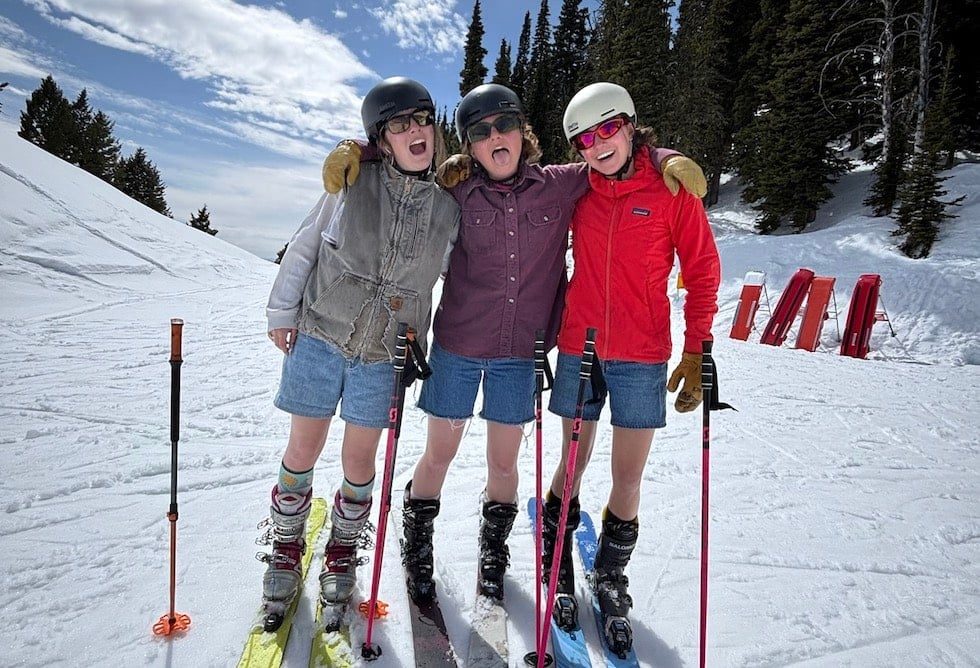
Bridger Bowl, for example, has a storied history of its closing day celebrations, which often include costume parades and the aforementioned pond skim. The image captured on Bridger Bowl’s Closing Day 2026, featuring individuals in festive attire, exemplifies the uninhibited joy and creativity that defines these events. The atmosphere at such gatherings is palpable – a shared understanding that the seriousness of winter has given way to the pure enjoyment of the mountain environment.
Other resorts across the country, including those in Vermont, Colorado, and Utah, have similar traditions. Some might host themed weeks leading up to their closure, encouraging different styles each day, while others focus their energy on a single, grand finale event. The common thread is the creation of an inclusive and celebratory environment that caters to skiers of all skill levels, united by a love for the sport and a willingness to let loose. The success of these events is often measured not just by attendance numbers, but by the sheer volume of smiles and the memorable photographic opportunities they create.
The Deeper Meaning: Community and Joy on the Slopes
Beyond the visual spectacle, spring skiing fashion serves a deeper purpose within the ski community. It represents a collective shedding of inhibitions and a return to the fundamental joy of skiing. In a sport that can often be perceived as exclusive or performance-driven, spring skiing fashion acts as an equalizer. When everyone is dressed in a playful or unconventional manner, the emphasis shifts from who is the best skier to who is having the most fun.
This democratizing effect is crucial for fostering a welcoming environment. It encourages novice skiers to participate without feeling intimidated by seasoned professionals. The focus on personality and creativity over technical prowess creates a more accessible and inclusive atmosphere. Furthermore, the shared experience of dressing up and participating in these festivities strengthens bonds between skiers, creating lasting memories and a sense of belonging.
The "awkward tan" is a subtle but significant marker of this experience. It’s a badge of honor, a physical reminder of a day spent outdoors, enjoying the sunshine and the camaraderie. It signifies a departure from the rigid routines of winter and an embrace of spontaneity and lightheartedness.
The Future of Spring Skiing Style
As ski resorts continue to adapt to changing climate conditions and embrace year-round tourism, the traditions of spring skiing are likely to evolve. However, the core spirit of fun, creativity, and community that defines spring skiing fashion is expected to endure. The rise of social media has only amplified the visibility and appeal of these trends, inspiring a new generation of skiers to participate and innovate.
The increasing accessibility of affordable vintage ski wear and the DIY culture fostered by online platforms suggest that the creativity in spring skiing outfits will only continue to grow. Resorts that understand and actively support these traditions will likely see continued success in attracting skiers seeking a unique and memorable end-of-season experience. Ultimately, spring skiing fashion is more than just a trend; it’s a vibrant and enduring expression of the joy and freedom found on the snow-covered mountains. It’s a reminder that even as the season winds down, the spirit of skiing remains as bright and energetic as the spring sun.
