
The anterior cruciate ligament (ACL) remains the most vulnerable point of failure for alpine skiers, ranging from weekend enthusiasts to elite World Cup racers. While advancements in ski technology have increased speeds and improved carving capabilities, the rate of knee injuries has remained stubbornly high, prompting medical professionals to shift their focus from surgical excellence to proactive prevention. Dr. Greg Lichtman, an orthopedic surgeon based in Auburn, California, has emerged as a leading voice in this movement, leveraging a career built at the intersection of high-performance sports medicine and recreational mountain safety. Lichtman, who serves as a pool physician for the U.S. Women’s Ski Team, argues that the key to longevity on the snow lies not in the operating room, but in a deep understanding of the biomechanical "danger zones" that lead to catastrophic ligament failure.
A Chronology of Clinical Expertise and Athletic Passion
Dr. Lichtman’s journey into the specialized world of ski-related orthopedics began far from the operating theater. During a formative gap year, he eschewed the traditional roles of a "ski bum," such as lift operations or children’s instruction, to embed himself within the Steadman Philippon Research Institute (SPRI) in Vail, Colorado. Founded by the legendary Dr. Richard Steadman, SPRI is globally recognized as the epicenter of sports medicine innovation, particularly for knee and hip preservation. During his tenure at the institute, Lichtman was immersed in the recovery processes of U.S. Ski Team athletes, observing firsthand the grueling rehabilitation required to return to competition after an ACL reconstruction.
This experience provided a unique vantage point: he saw the injury through the lens of a researcher, the eyes of a surgeon, and the perspective of a dedicated skier. Following his time in Vail, Lichtman pursued a sports medicine fellowship at the University of Massachusetts. It was here, while skiing the notoriously icy and unforgiving terrain of the East Coast, that he noticed a significant data gap. While land-based sports like soccer and basketball benefited from robust, validated ACL prevention programs—such as the FIFA 11+ program—skiing lacked a standardized protocol for injury mitigation. This realization defined his professional mission: to translate high-level athletic data into actionable advice for the general skiing public.
Today, Lichtman practices near the Tahoe basin, a region known for its high volume of ski traffic and challenging "Sierra Cement" snow conditions. His dual role as a community surgeon and a physician for the U.S. Women’s Ski Team allows him to bridge the gap between elite performance and recreational safety, traveling to international venues like Val d’Isère, France, and Portillo, Chile, to support the world’s fastest female skiers.
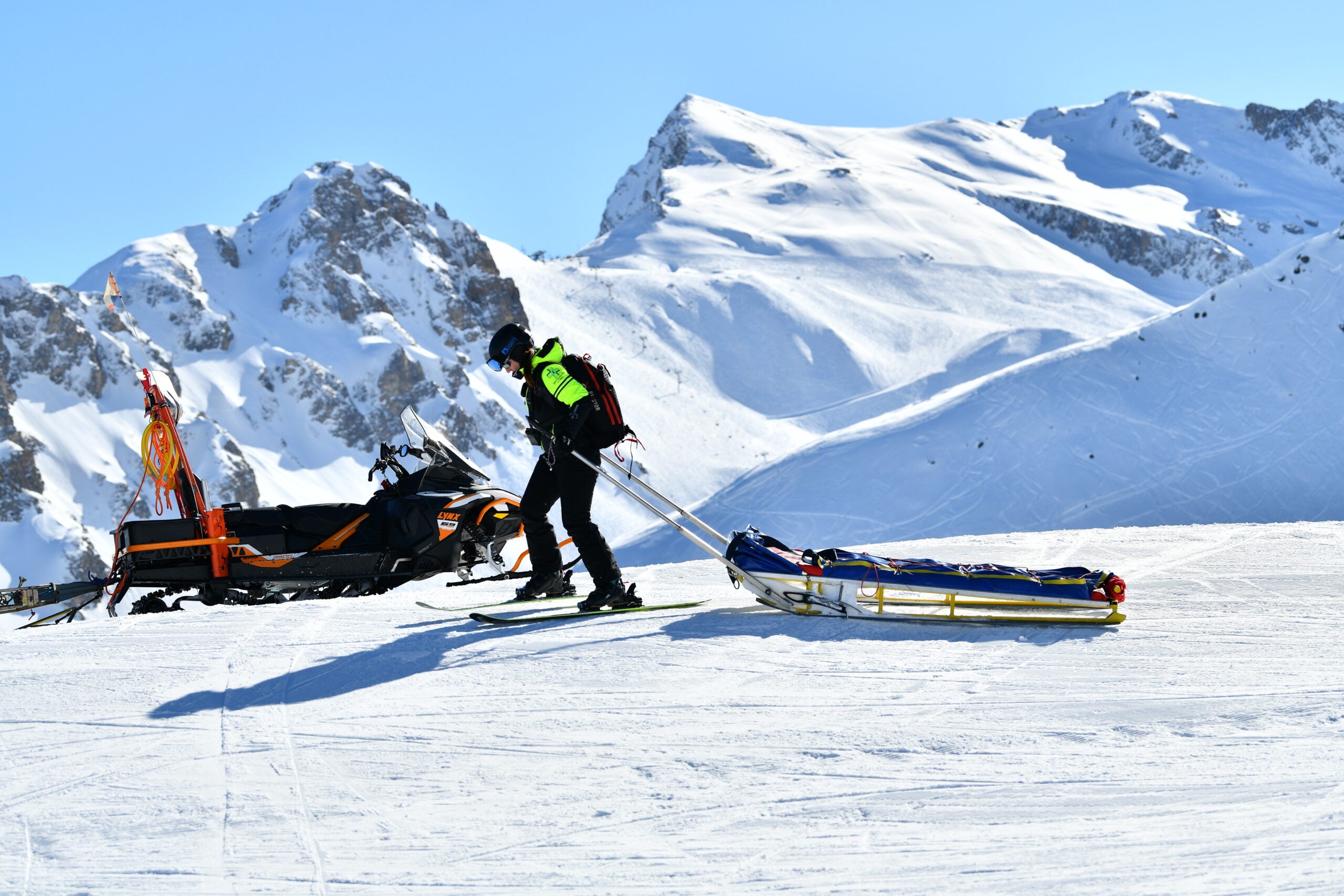
The Biomechanics of Failure: Slip-Catch and Phantom Foot
To prevent an injury, one must first understand the precise moment of failure. Dr. Lichtman identifies two primary mechanisms that account for the vast majority of ACL tears on the mountain: the "Slip-catch" and the "Phantom Foot." Both are characterized by a loss of control that occurs in a fraction of a second, often before the skier’s bindings have the opportunity to release.
The Slip-catch mechanism is particularly prevalent among racers and high-speed carvers. It occurs when a skier’s downhill ski loses contact with the snow during a turn, only to abruptly re-engage. As the ski "catches," the leg is forced into a position of deep flexion and internal rotation. According to Lichtman, the ACL typically tears within a 60-millisecond window during this event. The tibia (lower leg bone) undergoes a valgus stress—collapsing inward—while rotating internally, creating a torque that the ligament cannot withstand. This mechanism is common on hardpack and icy surfaces where edge grip is inconsistent.
The Phantom Foot mechanism is more common among recreational skiers who find themselves in the "backseat"—a position where the skier’s weight is shifted too far toward the tails of the skis. In this scenario, if a skier falls backward and to the side, the tail of the downhill ski acts as a lever. Because the ski is significantly longer than the human foot, it creates a massive amount of leverage (the "phantom foot") that twists the knee. This often happens when a skier attempts to "save" a fall by standing back up, inadvertently driving the inside edge of the downhill ski into the snow while the hips are below the knees.
Environmental Risk Factors and the December Influx
Lichtman’s clinical observations suggest that injury rates are not distributed evenly throughout the season. He notes a significant "influx" of ACL injuries in December. This spike is attributed to a combination of early-season lack of conditioning and the variable snow conditions typical of early winter. As skiers push their limits on "opening day" legs, muscular fatigue sets in. When the quadriceps and hamstrings tire, they lose their ability to stabilize the knee joint, making it easier for the skier to fall into the dangerous backseat position.
Environmental factors play an equally critical role. Flat light and low-visibility conditions are major contributors to ACL tears because they prevent skiers from anticipating changes in terrain. Without visual cues, a skier cannot pre-emptively tension their core and leg muscles to absorb a bump or a change in snow density. Furthermore, the type of snow matters. In the East Coast, the lack of edge engagement on ice leads to Slip-catch injuries. In the West, particularly in the Sierra Nevada, the heavy, wet "Sierra Cement" can grab a ski and twist the knee with more force than lighter, continental powder.
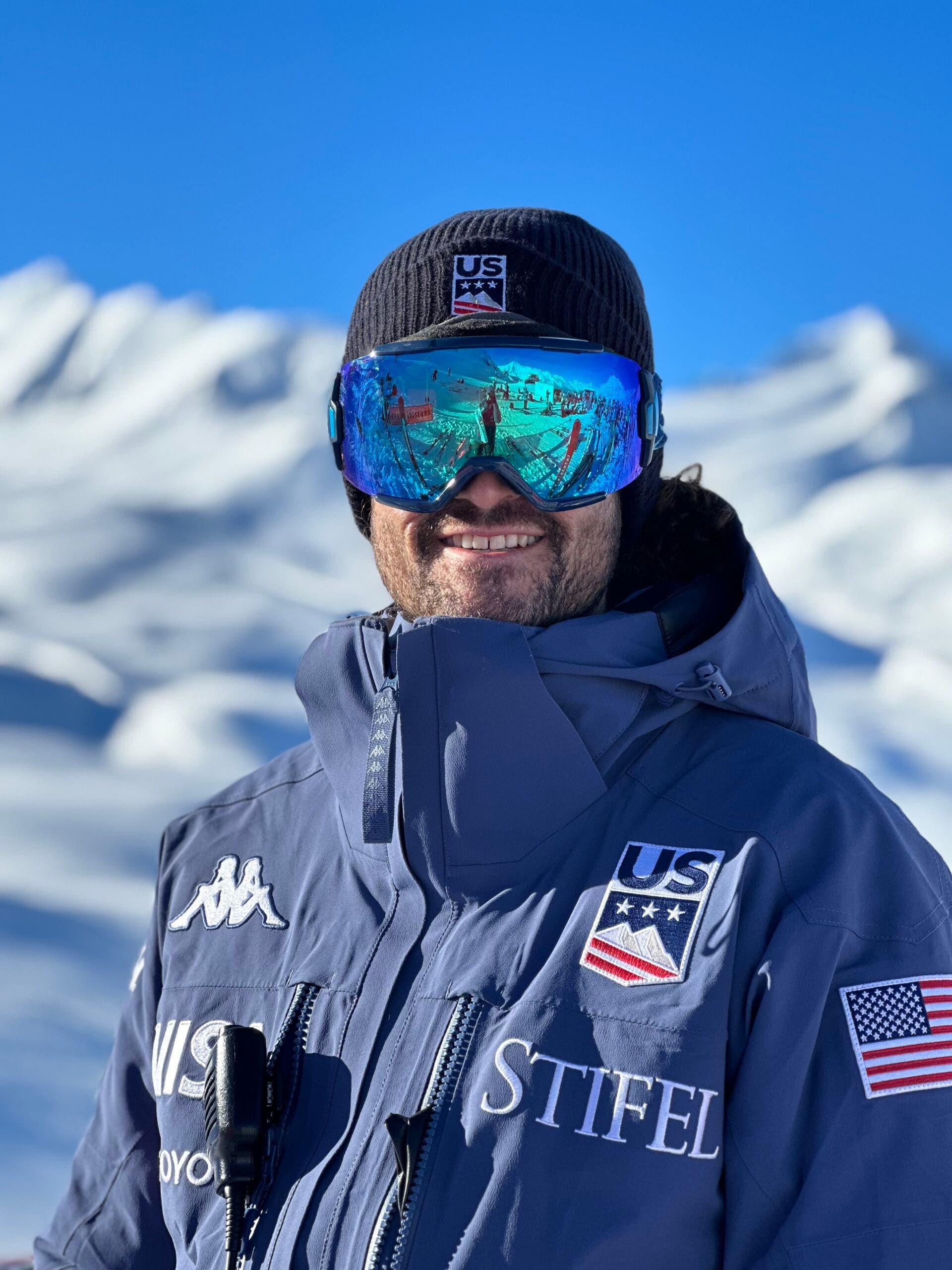
The Gender Gap and the U.S. Women’s Ski Team
Lichtman’s work with the U.S. Women’s Ski Team places him at the forefront of a critical discussion in sports medicine: the increased risk of ACL injuries in female athletes. Statistical data consistently shows that women are three to six times more likely to suffer an ACL tear than their male counterparts in similar sports. While anatomical factors such as a wider pelvis (increasing the Q-angle of the knee) and hormonal fluctuations are often cited, Lichtman emphasizes that neuromuscular training can help mitigate these biological predispositions.
Working with athletes like Breezy Johnson, who has navigated her own journey through injury and recovery, Lichtman observes that elite training focuses heavily on "eccentric" strength—the ability of the muscles to control the body as it slows down or absorbs impact. For the recreational female skier, focusing on lateral stability and hip strength is essential to prevent the knee from collapsing inward during high-stress turns.
Preseason Conditioning: A Strategic Approach
A recurring theme in Lichtman’s philosophy is that "an ounce of prevention is worth a pound of cure." He argues that the traditional "wall sit" is insufficient for the multi-directional demands of skiing. A truly effective preseason program must address the "forgotten" muscle groups: the core and the gluteus medius.
The gluteus medius is responsible for hip abduction and stabilization. When this muscle is strong, it keeps the knee tracking directly over the toes, preventing the valgus collapse that leads to tears. Lichtman recommends lateral leg raises and "monster walks" with resistance bands to fortify this area. Additionally, core strength—specifically the obliques—is vital for maintaining an athletic stance. A strong core allows a skier to recover from a momentary loss of balance without falling into the backseat.
The Gear Paradox: Bindings and Safety
One of the most persistent myths in skiing is that a properly functioning binding will always prevent an ACL injury. Lichtman clarifies that most ACL tears occur while the skier is still upright or in the process of falling, often before the forces required to trigger a binding release are met.
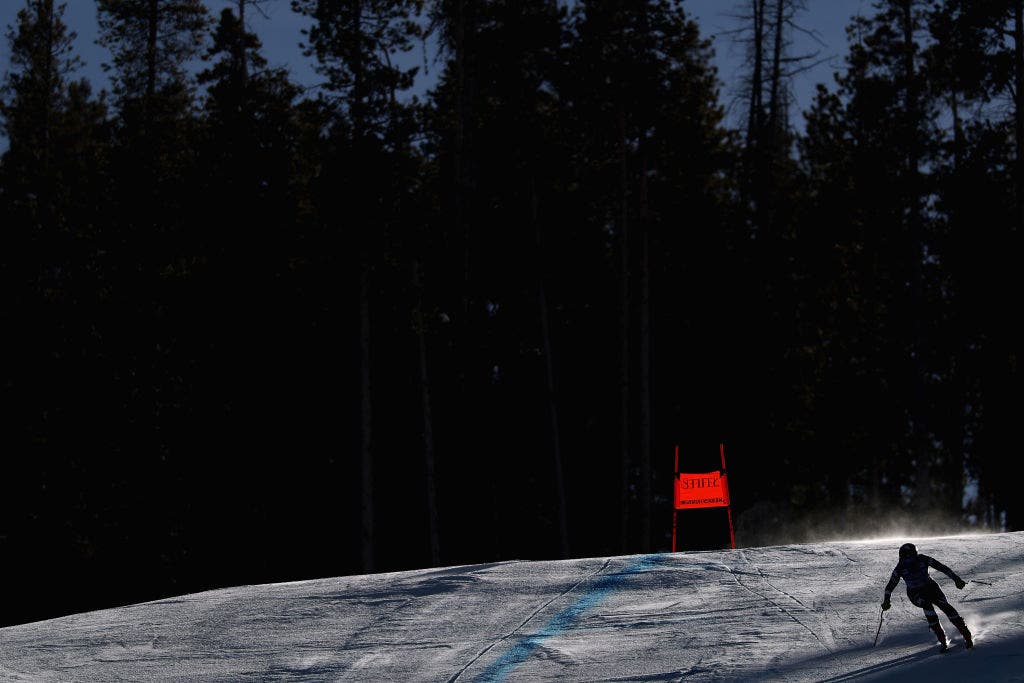
"We’re not all Breezy Johnson skiing 80 mph," Lichtman notes, emphasizing the importance of correct DIN settings. The DIN (Deutsches Institut für Normung) setting determines how much force is required for the boot to release from the binding. Many skiers "crank up" their DIN settings out of fear of a pre-release, but this significantly increases the risk of the ski acting as a lever against the knee during a Phantom Foot scenario. Lichtman advocates for settings strictly based on a skier’s actual weight, height, and ability level, rather than ego.
He also points to the need for continued innovation in binding technology. While multidirectional release systems, such as those found in Look Pivot bindings, offer some protection, Lichtman believes the future of the industry lies in bindings that can detect internal rotation of the tibia—the specific movement that triggers an ACL tear—rather than just vertical or lateral pressure.
Broader Implications and the Future of Mountain Safety
The impact of an ACL injury extends far beyond the individual skier. With the average cost of ACL reconstruction and physical therapy ranging from $20,000 to $50,000, and a recovery timeline of nine to twelve months, the economic and social burden is substantial. For professional athletes, it can be career-ending; for recreational skiers, it often leads to a permanent exit from the sport.
Dr. Lichtman’s call for validated prevention programs reflects a broader shift toward "pre-habilitation" in the outdoor industry. By combining medical data with practical on-hill advice—such as "staying out of the backseat" and "knowing when to call it a day"—the skiing community can begin to see a reduction in injury rates similar to those achieved in soccer and basketball.
As the industry moves forward, the integration of wearable technology that monitors fatigue and biomechanical alignment may provide the next frontier in safety. Until then, Lichtman’s message remains grounded in human awareness: respect the terrain, understand the mechanics of your body, and prioritize the strength of the muscles that protect the ligaments. For Lichtman, the ultimate success is not a perfect surgery, but an empty waiting room on a powder day.
