
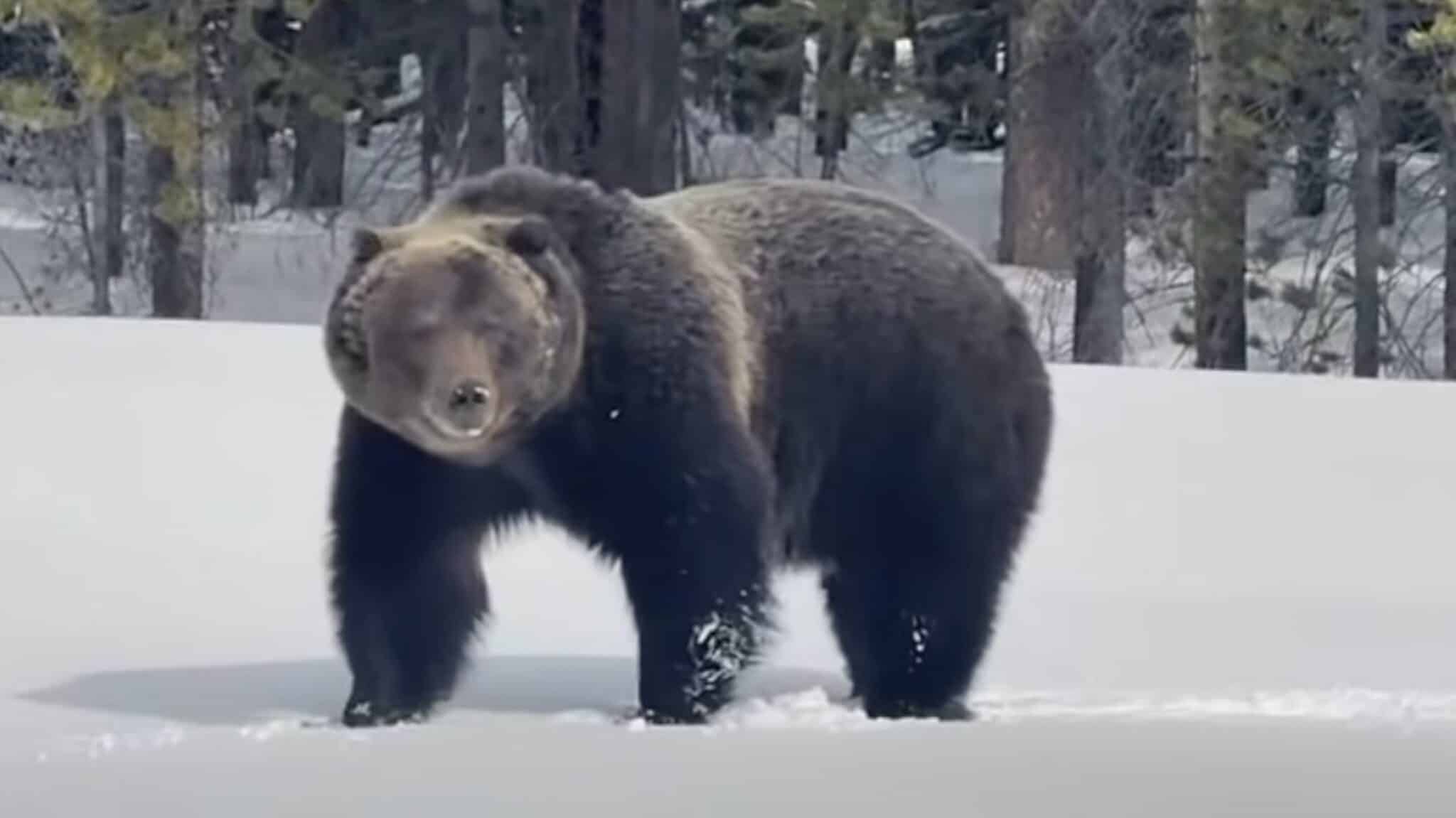
The majestic wilderness of Banff National Park, a jewel in Canada’s Rocky Mountains, is stirring from its winter slumber, and with it, one of its most formidable residents. "The Boss," a venerable grizzly bear estimated to be in his late twenties, has officially emerged from his hibernation, a sure sign that spring has firmly taken root in the Canadian Rockies. This significant event, captured on video and shared by Banff Sunshine Village, marks the unofficial commencement of the park’s active wildlife season and serves as a crucial reminder for visitors to prioritize safety and respect for the natural world.
A Legendary Figure Emerges
Banff National Park is home to a thriving population of approximately 65 grizzly bears, a testament to the health and vitality of its ecosystem. Among these powerful creatures, "The Boss" has attained a legendary status. His advanced age for a wild grizzly – estimated to be nearing 30 years – and his prodigious role in perpetuating the species, reportedly fathering nearly half of the cubs born in the region, contribute to his iconic standing. His emergence from hibernation, typically coinciding with the official start of spring, is an event keenly observed by wildlife enthusiasts and park authorities alike.
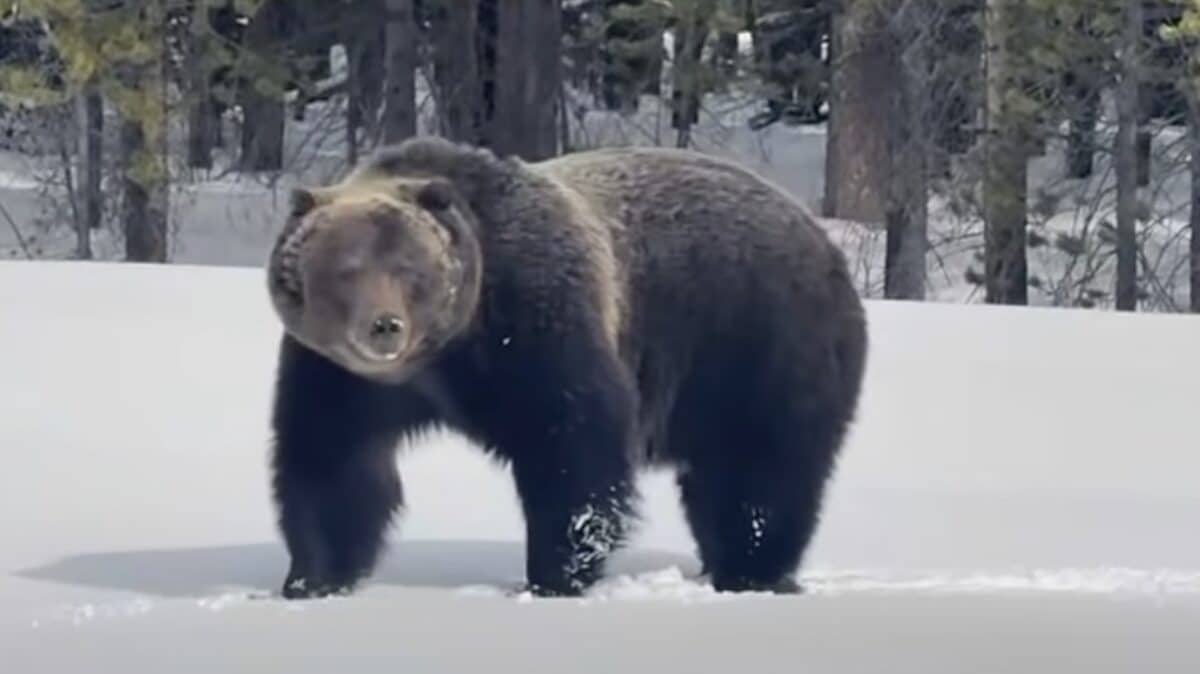
Recent footage depicts "The Boss" navigating the lingering snows of Banff National Park, a striking image of resilience and the relentless cycle of nature. His imposing presence is further emphasized by his estimated weight, reported by Banff Sunshine Village to be between 600 and 700 pounds. This visual confirmation of his robust health following a winter of dormancy underscores his status as a keystone species within the park’s delicate ecological balance.
The Significance of Spring’s Arrival in Banff
The awakening of "The Boss" is more than just the emergence of a single bear; it signals a broader shift across Banff National Park. As the snow recedes and temperatures rise, numerous other bears, along with a host of other wildlife species, will also emerge from their winter dens and territories. This period of increased animal activity necessitates a heightened awareness and adherence to wildlife safety protocols for all park visitors.
Parks Canada, the governing body responsible for the stewardship of national parks, consistently emphasizes the importance of visitor preparedness during this active season. The emergence of bears from hibernation marks a critical juncture for visitor safety, requiring a comprehensive review and implementation of established guidelines.
Essential Wildlife Safety Protocols for Banff Visitors
As stewards of this natural treasure, visitors to Banff National Park are entrusted with the responsibility of respecting its wildlife and adhering to all posted regulations and advisories. This includes understanding and complying with area closures, which are often implemented to protect sensitive wildlife habitats or to ensure visitor safety during periods of heightened animal activity.
For those venturing into the backcountry on hiking expeditions, proactive measures are paramount. Making noise while hiking, such as talking, singing, or occasionally clapping, can effectively alert wildlife to your presence and significantly reduce the likelihood of startling an animal, particularly a bear. Carrying bear spray, and ensuring it is readily accessible, is an indispensable component of any outdoor excursion in bear country. Familiarity with its proper use is crucial.
Recognizing the signs of bear activity is another vital aspect of safe visitation. Visitors should be vigilant for tracks, scat (feces), evidence of digging, torn logs, or overturned rocks, which can indicate recent bear presence. If such signs appear fresh, it is advisable to choose an alternate route.
The management of domestic animals also plays a critical role in minimizing human-wildlife conflict. Dogs, when not leashed and under strict control, can provoke or attract wildlife, posing a risk to themselves, their owners, and the animals. In some situations, it may be prudent to leave pets at home to avoid potential encounters.
When hiking, forming groups of four or more individuals is a recommended strategy to enhance safety. Larger groups tend to be noisier and more intimidating to wildlife, thus deterring encounters. Keeping children close and avoiding solo travel are also essential safety practices.
Staying on designated trails is not only crucial for preserving the park’s delicate ecosystems but also for maintaining a safe distance from wildlife. Traveling during daylight hours is generally safer, as visibility is improved, and wildlife activity patterns can be more predictable. In the unfortunate event of encountering a dead animal or detecting a strong, pungent odor, it is imperative to leave the area immediately and report the finding to Parks Canada staff without delay.
A Broader Ecological Context
The presence and health of grizzly bears like "The Boss" are indicators of a robust and functioning ecosystem. Grizzly bears, as apex predators, play a vital role in maintaining the ecological balance of the Canadian Rockies. Their foraging habits, including digging for roots and preying on ungulates, influence plant communities and the populations of other species. The continued success of grizzly bear populations in Banff National Park is a positive reflection of effective conservation efforts and the park’s commitment to preserving its natural heritage.
The challenges of coexisting with large carnivores are significant, and the management of grizzly bear populations involves a delicate balance between conservation goals and human safety. "The Boss’s" story is a powerful reminder of the wildness that still exists within our protected areas and the ongoing need for vigilance and respect from those who visit.
Looking Ahead: Spring in Banff National Park
As "The Boss" embarks on his active season, the landscape of Banff National Park will continue to transform. Wildflowers will begin to bloom, rivers will swell with meltwater, and the air will fill with the sounds of returning migratory birds. This vibrant period offers unparalleled opportunities for visitors to experience the natural beauty of the park. However, it is also a time that demands heightened awareness and a commitment to responsible tourism.
The emergence of "The Boss" serves as a compelling call to action for all who enter Banff National Park: to tread lightly, observe from a safe distance, and actively participate in the collective effort to ensure the safety of both humans and wildlife. By embracing these principles, visitors can contribute to the preservation of this extraordinary wilderness for generations to come, ensuring that legends like "The Boss" continue to roam freely in their natural habitat.
