
Published March 10, 2026 12:46PM
Equipping children for winter sports presents a perennial challenge for parents: the delicate balance between ensuring adequate warmth and maintaining the unencumbered mobility essential for enjoyment and skill development. The common parental instinct to over-bundle, often leading to discomfort reminiscent of Ralphie in A Christmas Story, frequently results in children disliking their time in the snow. Through extensive trial and error, a consensus emerges: the most effective kids’ ski jackets—and indeed, waterproof winter jackets for children generally—master this equilibrium. They integrate advanced waterproof, breathable fabrics designed to resist saturation, coupled with precisely calibrated insulation levels that retain warmth without adding prohibitive bulk or restricting movement.
Beyond performance, affordability stands as a critical consideration. Given the rapid growth rate of children, investing heavily in outerwear that may only fit for a single season is often impractical for many families. Therefore, the selection process for this comprehensive review prioritized models that demonstrably met core performance benchmarks—including reliable waterproofing, sufficient insulation, practical hoods, and accessible pockets—without commanding premium prices. This approach aims to identify gear that delivers exceptional value and extends usability across multiple winter seasons, mitigating the financial strain on families.
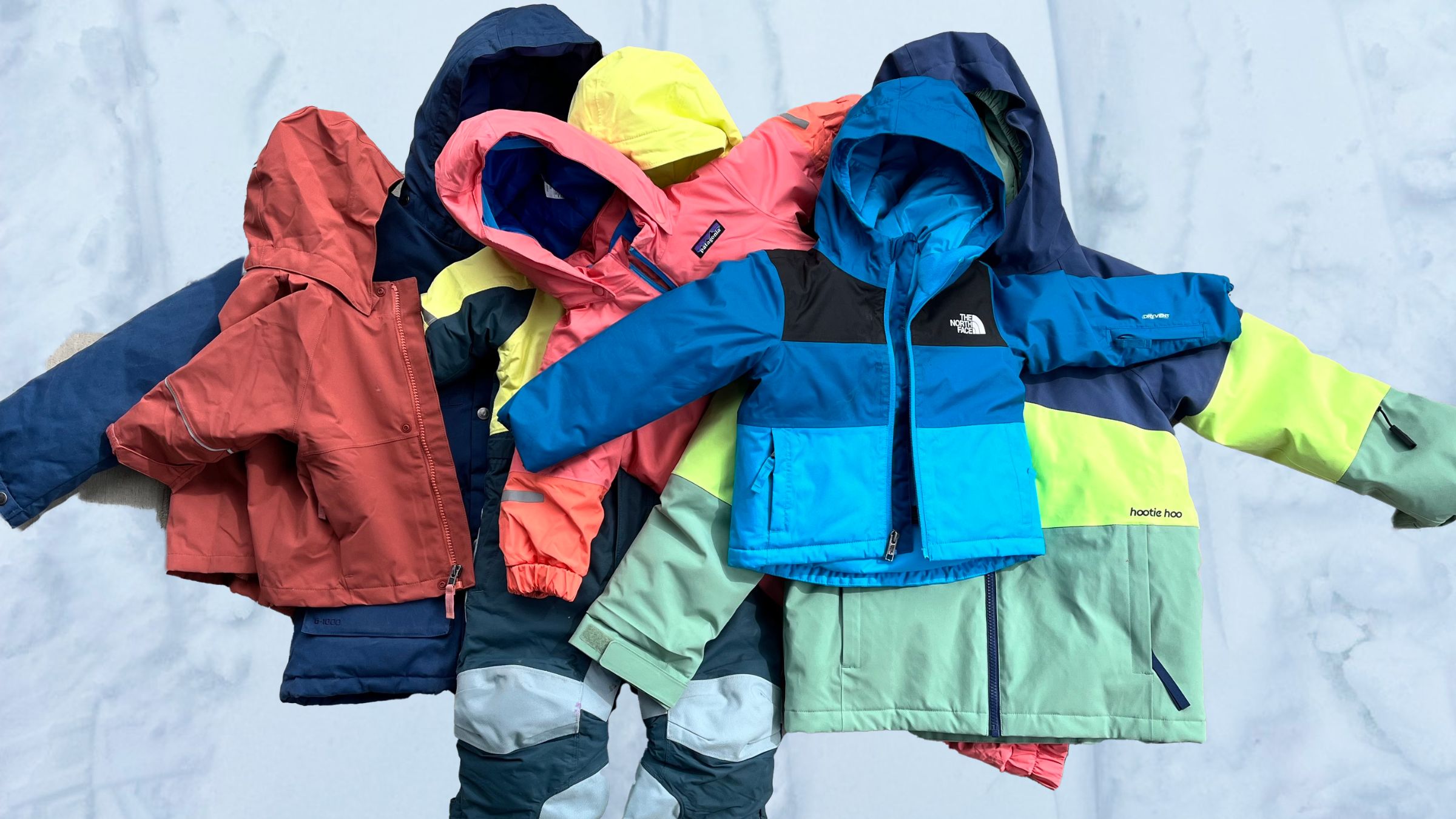
With these rigorous criteria firmly established, a diverse group of young testers, spanning ages 1 to 7, were outfitted in nine distinct kids’ ski jackets. Their field testing encompassed a wide array of winter environments: bustling ski slopes, exhilarating sledding hills, serene ice rinks, and active snowy playgrounds. The subsequent sections detail the five jackets that garnered unanimous praise from both children and their discerning parents, representing the pinnacle of design, performance, and value in the competitive children’s outerwear market.
The Layering Imperative: A Foundation for Winter Comfort
Understanding the science of layering is paramount when dressing children for cold weather. A proper layering system typically consists of three components: a base layer, a mid-layer, and an outer shell. The base layer, worn directly against the skin, should wick moisture away to keep the child dry. Synthetic materials or merino wool are ideal choices. The mid-layer provides insulation, trapping warm air close to the body; fleece or lightweight puff jackets serve this purpose well. The outer shell, the focus of this review, is the protective barrier against wind, snow, and rain. Its primary functions are to be waterproof, windproof, and breathable.
The "conundrum" of dressing children stems from their unique physiological needs and activity levels. Children have a higher surface area to mass ratio than adults, making them more susceptible to heat loss. However, they also generate significant heat during active play. An effective outer jacket must manage both these aspects, preventing excessive sweating (which can lead to chilling) while robustly defending against external cold and moisture. The jackets reviewed here embody this critical balance, allowing for adaptive layering underneath to suit varying temperatures and activity intensities.
Methodology: Rigorous Real-World Testing for Young Adventurers
This guide is the culmination of extensive, hands-on testing conducted by real children in authentic winter conditions across various geographical locations known for their harsh winters. The youngest participants in the evaluation were a 15-month-old and a 2.5-year-old—the children of Jenny Wiegand, Outside’s associate gear director and a lifelong skier. Ms. Wiegand’s personal experience navigating the complexities of introducing her own children to skiing and winter sports profoundly influenced the meticulous evaluation process. Her insights ensured that the testing protocols were not only scientifically sound but also deeply empathetic to the practicalities faced by parents.
To broaden the scope and demographic representation of the testing pool, additional jackets were distributed to other parents residing in prominent ski towns, including several experienced ski instructors. These families, with children ranging from three to seven years old, provided invaluable feedback from varied perspectives and usage patterns. During real-world ski days, extended outings to sledding hills, and spirited sessions at ice rinks, parents meticulously assessed each jacket’s performance across several key metrics: warmth retention, waterproofing efficacy, overall comfort, freedom of movement, and the practicality of kid-friendly features. The ultimate selections presented in this guide represent those jackets that most effectively harmonized superior weather protection, enduring durability, optimal comfort, and exceptional value, ensuring that growing children can fully embrace the joys of winter without compromise. The comprehensive testing, spanning several months of the winter season, provided data points under diverse conditions, from crisp, sunny days to heavy snowfall and biting winds.
Leading the Pack: Top Kids’ Ski Jackets for 2026
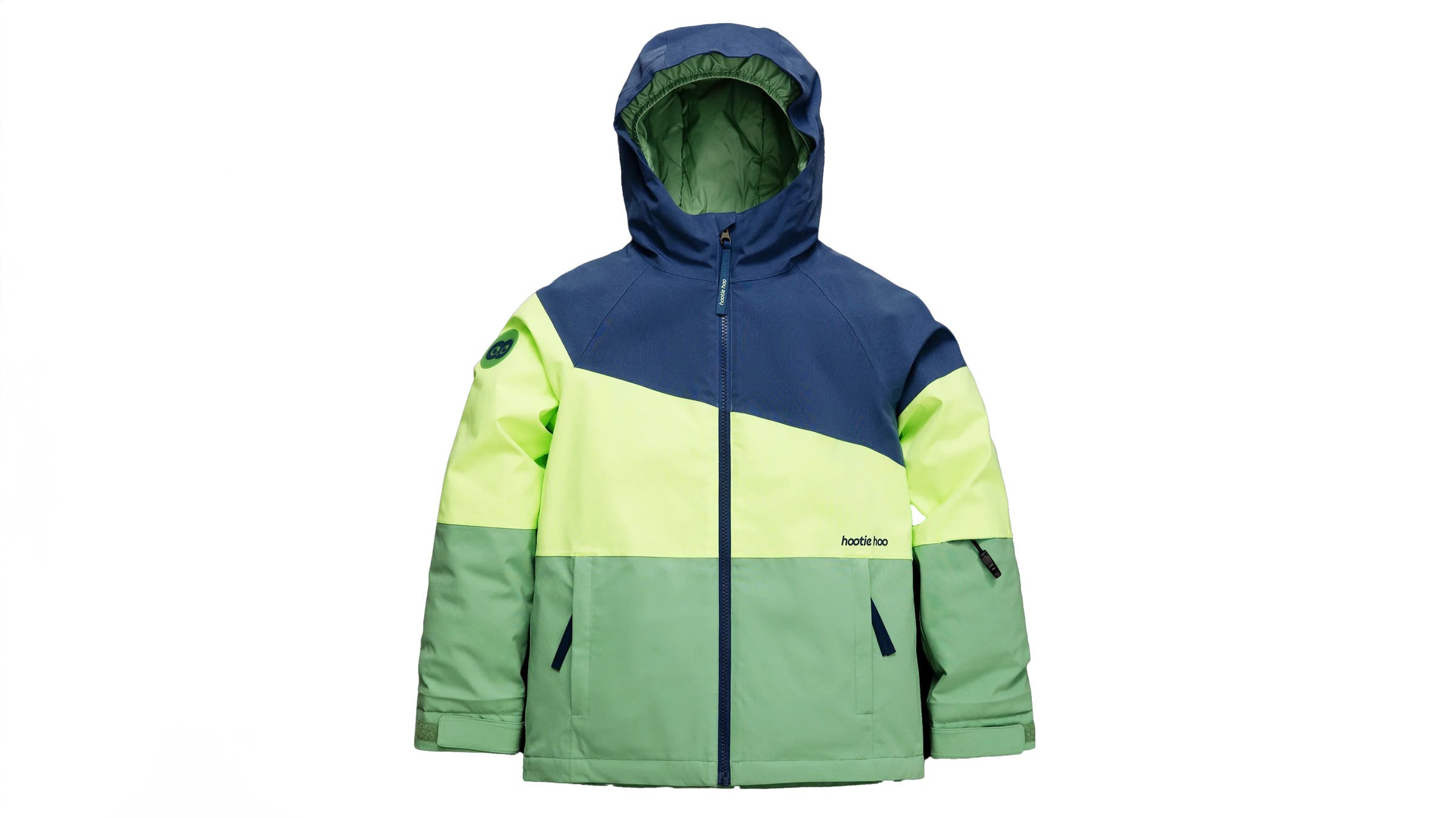
Best Kids’ Ski Jacket Overall: Hootie Hoo Kids Spruce Insulated Jacket
- Available sizes: 4-14
- Insulation: 80 g Primaloft Silver in body, 60 g in arms/hood
The Hootie Hoo Kids Spruce Insulated Jacket emerges as the top performer, specifically engineered for the dedicated young enthusiast who confronts diverse slope conditions with unwavering determination. Hootie Hoo, a Vermont-based enterprise founded by experienced skier mothers and veteran apparel designers, has rapidly distinguished itself by setting an exceptionally high standard for performance in children’s snow gear. This jacket was unique among all tested models for its premium feature set, which rivals the sophisticated functionalities typically found in high-end adult outerwear. These include a fully integrated powder skirt, an attached hood equipped with a gaiter for secure positioning, a dedicated sleeve pass pocket, fleece-lined hand pockets for enhanced warmth, and a convenient internal stash pocket for essentials.
Beyond its comprehensive features, the Spruce Insulated Jacket stands out due to its superior materials and insulation. It boasts a fully waterproof outer fabric, enhanced with a PFAS-free DWR (Durable Water Repellent) finish, underscoring a commitment to both performance and environmental responsibility. This outer layer is complemented by a remarkably silky inner lining that offers a soft, flexible feel, markedly distinct from the often crinkly or restrictive interiors of competitor jackets. This tactile comfort was a significant factor in our seven-year-old tester’s consistent preference for this jacket, an appeal further bolstered by its range of fun, vibrant color options. Lightly insulated with PrimaLoft Recycled Silver—a high-performance, environmentally conscious synthetic insulation—strategically distributed in the body (80g), arms (60g), and hood (60g), the Spruce jacket reliably maintained warmth for our tester down to 20 degrees Fahrenheit when layered over a midlayer. Despite its insulating capability, it remained notably lightweight, affording exceptional freedom of movement. While not the most heavily insulated jacket reviewed, its thoughtful design, impressive performance, and very competitive pricing make it an outstanding choice for children who engage actively in skiing and vigorous snow play. The inclusion of a "seam let-out" feature further extends the jacket’s lifespan, allowing sleeves to be lengthened as children grow, offering excellent long-term value.
Runner-Up: Helly Hansen Kids’ Rider Insulated Ski Jacket
- Available sizes: 1-8
- Insulation: 133 g Primaloft Black Eco in body, 100 g in arms/hood
Helly Hansen’s storied legacy in crafting dependable outdoor gear extends seamlessly to its children’s collection, with the Rider Insulated Jacket serving as a prime example of this enduring reliability. The jacket embodies the brand’s renowned commitment to robust weather protection, featuring a fully waterproof yet highly breathable shell coupled with meticulously sealed seams. Its insulation, comprising 133 grams of PrimaLoft Black Eco in the body and 100 grams in the arms and hood, strikes an intelligent balance between retaining warmth and avoiding excessive bulk. This careful design allowed our seven-year-old tester to remain dry, warm, and comfortable across a broad temperature spectrum, from 20 to 45 degrees Fahrenheit, even during extended periods of activity on the slopes.
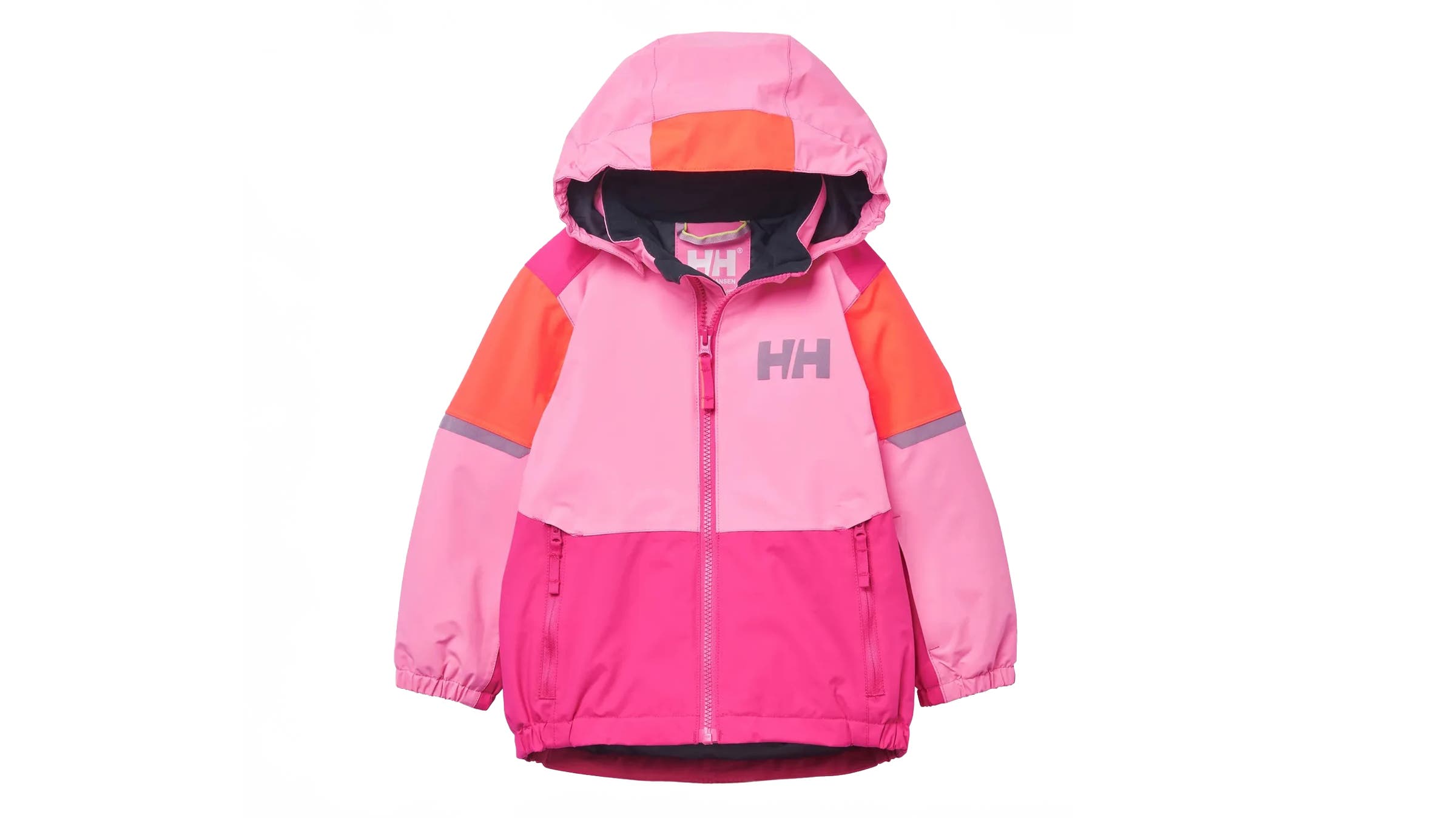
In terms of features, the Rider Insulated Jacket adeptly covers the fundamental requirements for a high-quality kids’ ski jacket. It includes practical zippered hand pockets, a dedicated ski pass pocket for convenience, and an adjustable, removable hood. However, its exclusion from the top spot was primarily due to the absence of certain supplementary features that enhance user experience and product longevity. Specifically, the lack of Velcro-adjustable wrist cuffs, a powder skirt for added snow protection, and the increasingly popular "seam let-out" system—which allows the jacket to adapt to a child’s growth—were notable omissions. Despite these missing extras, the Rider Insulated Jacket presented itself as a slightly warmer option compared to the Hootie Hoo, while still successfully avoiding any sensation of bulkiness or restriction, solidifying its position as a highly commendable runner-up.
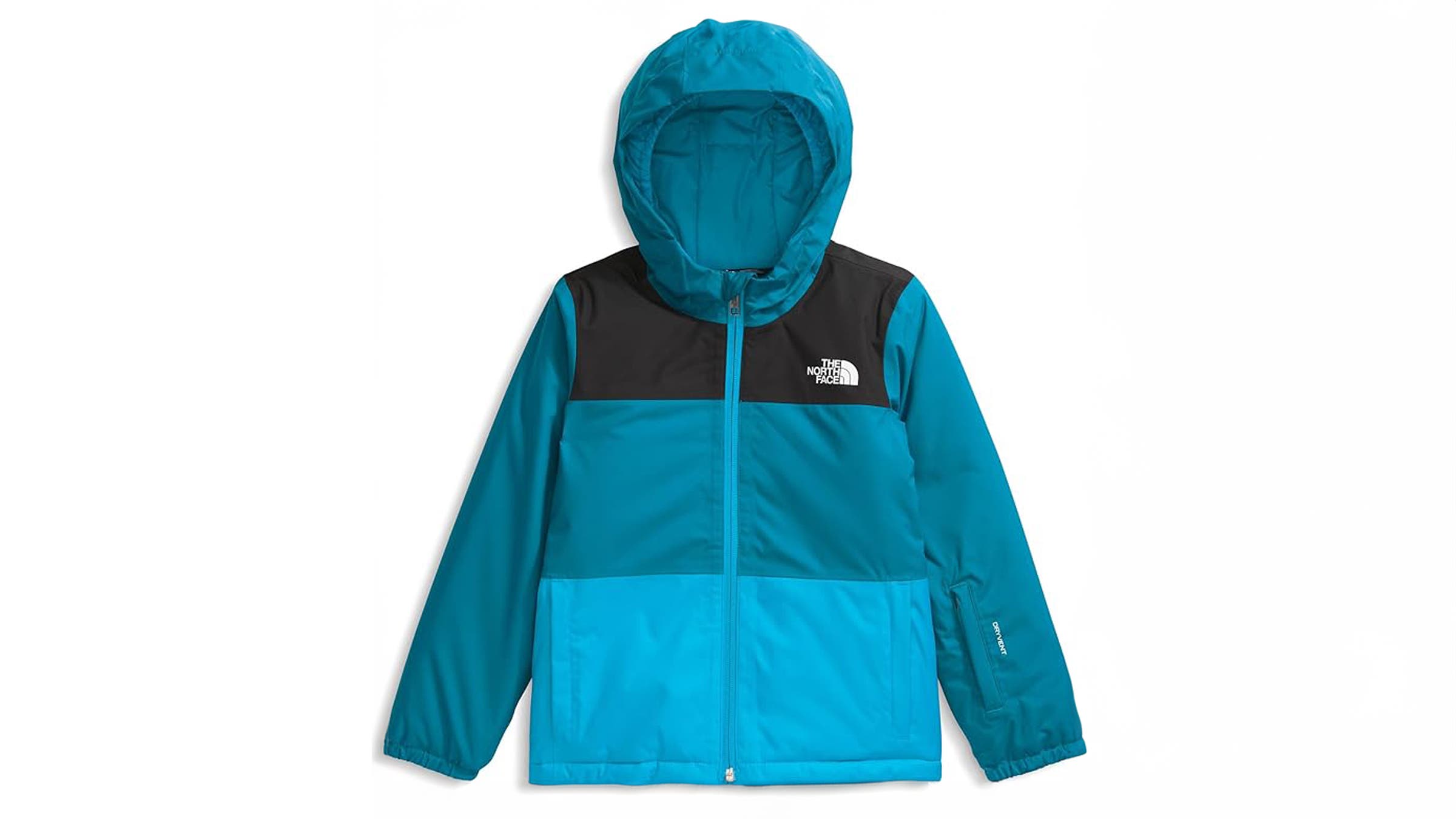
Best Value: The North Face Kids’ Freedom Insulated Jacket
- Available sizes: 2T-7
- Insulation: 200 g Heatseeker polyester in body, 150 g in sleeves, 100 g in hood
The North Face Kids’ Freedom Insulated Jacket stands out as an exceptionally budget-friendly winter jacket that offers remarkable versatility, performing equally well for dedicated skiing as it does for casual backyard snow play. Constructed with a two-layer polyester shell, it incorporates a non-PFC DWR treatment, ensuring reliable waterproofing with an added environmental consideration. The jacket is generously insulated with The North Face’s proprietary Heatseeker polyester insulation, featuring 200 grams in the body, 150 grams in the sleeves, and 100 grams in the hood. This comprehensive insulation package delivers substantial warmth without causing children to overheat during vigorous play or intense skiing.
Despite its accessible price point, this jacket does not compromise on thoughtful, practical features. It includes a convenient sleeve pass pocket, cleverly equipped with a built-in goggle wipe—a small but highly appreciated detail for young skiers. An integrated powder skirt effectively prevents snow from infiltrating the jacket, enhancing comfort in deeper snow. Furthermore, the inclusion of cuff seam let-outs allows the sleeves to be extended as children grow, significantly prolonging the jacket’s usable life beyond a single season, thereby amplifying its value proposition. While it presented as slightly bulkier and marginally more restrictive in movement compared to the top-tier selections, the Freedom Insulated Jacket consistently kept our three-year-old tester warm and dry. Its performance was proven across various scenarios, from navigating the magic carpet and enjoying sledding hills to making snow angels in several inches of fresh snow, affirming its status as an excellent, cost-effective choice.
Warmest: Obermeyer Ashor Jacket
- Available sizes: 1-8
- Insulation: 220 g proprietary insulation in body, 180 g in sleeves, 80 g in hood
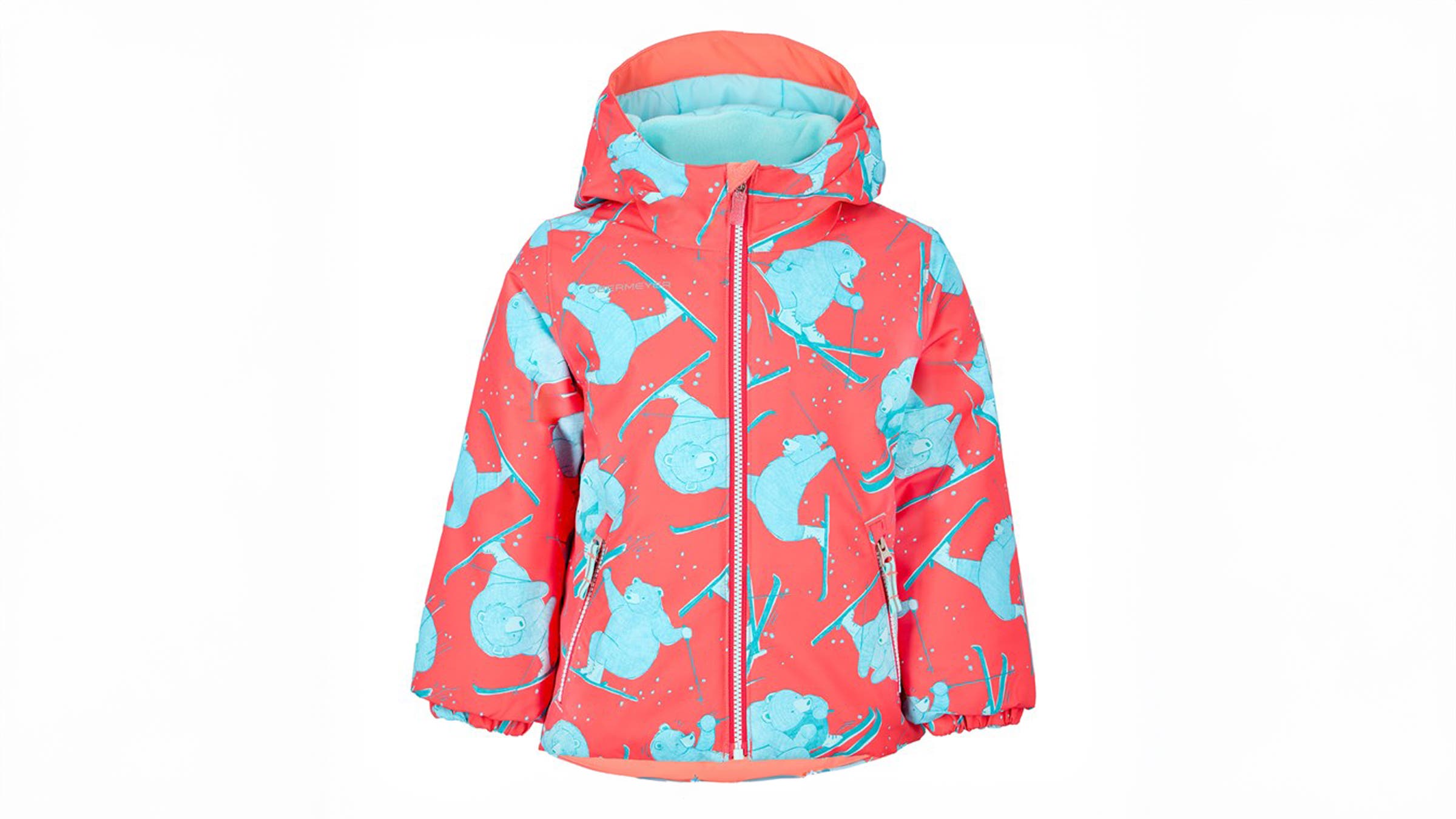
Obermeyer has long been a revered name in children’s ski gear, and for compelling reasons. The brand was among the pioneers to introduce jackets and pants featuring innovative "smart seam let-outs," meticulously engineered to adapt and grow with children, thereby extending the garment’s utility. Complementing this functionality, Obermeyer’s signature playful colors and vibrant prints ensure that their gear is as aesthetically appealing as it is practical. The Ashor Jacket, specifically designed for children aged 1 through 8, represents an affordable yet robust option, equipped with a comprehensive suite of essential features. These include an attached hood for immediate protection, an integrated powder skirt to seal out snow, built-in glove clips located in the wrist cuffs to prevent lost mittens, and generous synthetic insulation distributed throughout the body (220g), sleeves (180g), and hood (80g) to maintain warmth in the coldest, stormiest conditions.
Indeed, among all the kids’ ski jackets subjected to our rigorous testing, the Ashor jacket was unequivocally perceived as the warmest. Its most significant drawback, however, lies in its somewhat limited pocket configuration. While it provides two zippered hand pockets, the absence of a dedicated pass pocket and an internal stash pocket for items like gloves or snacks was noted by testers. Despite this minor functional limitation, if absolute warmth is the paramount priority for parents, the Obermeyer Ashor jacket stands out as a supremely cozy, economically viable, and undeniably charming selection, perfectly suited for keeping young skiers comfortable in harsh winter environments.
Best for Babies/Toddlers: Patagonia Baby Snow Pile One-Piece
- Available sizes: 3-18 months (also available in toddler sizes)
- Insulation: 150 g Thermogreen polyester
For parents intrepid enough to introduce their one-year-old to the magic carpet or simply requiring robust protection for an infant accompanying winter outings, babies and toddlers necessitate specialized gear that effectively maintains warmth and dryness, especially given their limited ability to generate body heat. In such scenarios, a one-piece snowsuit, like the Patagonia Baby Snow Pile One-Piece, truly excels, offering superior sealing against cold penetration compared to traditional two-piece winter jackets. While the Patagonia Snow Pile One-Piece carries an admittedly higher price point, its enduring quality and performance often render it a worthwhile investment, particularly if acquired during promotional sales events.
This one-piece suit features a fully waterproof, seam-sealed shell, providing an impenetrable barrier against moisture, which is critically important for young children who spend significant time sitting or crawling in the snow. This is paired with a generous 150 grams of Thermogreen polyester insulation throughout, offering comprehensive warmth. Thoughtful design elements, such as a convenient sleeve pass pocket and articulation strategically placed behind the knees, imbue the Snow Pile with the same refined design sensibility found in Patagonia’s renowned adult outerwear. Furthermore, integrated cuff let-out seams are a practical addition, allowing for an extended lifespan as growing toddlers quickly shoot up. However, a minor area for improvement would be the reinforcement of the knees and elbows, which would further enhance the suit’s long-term durability, particularly for active babies and toddlers who spend considerable time on the ground. A crucial fit note for prospective buyers: Patagonia’s baby buntings are known to run generously large. Our 15-month-old tester, for instance, is anticipated to comfortably utilize this suit for another season, even prior to engaging the seam let-out feature, offering extended wear and exceptional value.
Broader Implications: Fostering a Love for Winter Sports
The investment in high-quality children’s ski jackets transcends mere comfort; it directly impacts a child’s overall experience and willingness to participate in winter sports. Uncomfortable or cold children are far less likely to develop a lasting appreciation for skiing, snowboarding, or simply playing in the snow. Conversely, proper gear removes a significant barrier, transforming potentially miserable outings into joyous adventures.
The market for children’s outdoor apparel has seen substantial growth, driven by increasing parental awareness of the benefits of outdoor play and a rising participation rate in winter sports among youth. According to industry reports, the global children’s apparel market, including specialized outdoor gear, is projected to continue its upward trajectory, with a notable segment dedicated to performance wear. Brands like those featured in this review are responding to this demand by integrating advanced materials and design features previously reserved for adult lines. This trend not only ensures better performance but also fosters a sense of professionalism and excitement for young athletes.
Moreover, the emphasis on features like "seam let-outs" and durable construction speaks to a broader consumer trend towards sustainability and value. Parents are increasingly seeking products that last longer, reducing the frequency of purchases and their environmental footprint. The use of recycled insulation (e.g., PrimaLoft Recycled Silver, PrimaLoft Black Eco, Thermogreen) and PFC-free DWR treatments highlights an industry-wide shift towards more environmentally responsible manufacturing practices, aligning with the values of many outdoor-oriented families. These innovations ensure that the next generation of outdoor enthusiasts can enjoy the slopes with gear that is both high-performing and conscientiously produced. The longevity offered by such features also creates a robust secondary market for children’s gear, further enhancing its value and sustainability.
Ultimately, the selection of a children’s ski jacket is a pivotal decision that can significantly influence a child’s winter experience. By prioritizing a careful balance of warmth, mobility, and affordability, and by choosing jackets that have been rigorously tested in real-world conditions, parents can ensure their young adventurers are well-equipped to embrace the cold, fostering a lifelong love for winter and the great outdoors.
