
Published March 4, 2026 09:04AM
The intricate process of fitting a ski boot often culminates in the recommendation of custom footbeds, a seemingly indispensable component for optimal performance and comfort on the slopes. As a seasoned bootfitter, with thousands of custom footbed molds under his belt, Jake Stern, formerly an editor at Outside and Powder and category manager for SKI and Outside‘s ski boot reviews, offers a contrarian perspective: despite having crafted countless bespoke insoles for clients ranging from elite racers to casual vacationers, Stern himself opts for a far simpler, less expensive solution – a $50 pair of off-the-shelf, trim-to-fit footbeds. This stance challenges a long-held industry standard, prompting a closer examination of the true efficacy and necessity of custom footbed technology for the majority of recreational skiers.
The Foundational Role of Footbeds in Ski Biomechanics
At its core, the primary function of any ski boot footbed, custom or otherwise, is to stabilize the skier’s heel. The heel serves as the critical anchor point in a complex biomechanical chain that extends through the ankle, knee, and hip, influencing every movement and interaction with the ski. When the heel remains stable, the entire foot tracks more predictably within the ski boot, facilitating precise edge control and efficient power transfer. Contrary to a common misconception among skiers that footbeds are solely about arch support, their paramount role is indeed heel support.
A common issue encountered by skiers is the sensation of pressure along the inside of the ankle when stepping into a boot with only the rudimentary stock footbed – often little more than a thin piece of foam. This discomfort typically arises from the natural tendency of the heel to roll inward, a phenomenon known as pronation, which pushes the foot against the rigid plastic shell of the boot. By providing robust support to the heel, a well-designed footbed mitigates this inward roll, ensuring the foot remains centered and stable. This enhanced stability is crucial for smoothly transitioning from one edge to the other, a fundamental aspect of effective skiing. While some highly specialized athletes, such as World Cup racers, may require a degree of controlled pronation to achieve faster edge engagement at extreme angles, the vast majority of recreational skiers do not operate at this level of precision or intensity, making pronounced heel stabilization a more universal benefit.
The Genesis and Evolution of Custom Footbed Technology
The advent of plastic ski boots in the 1960s revolutionized skiing, offering unprecedented control and performance. However, these stiffer, more powerful boots also introduced new challenges related to fit and comfort. Early solutions often involved rudimentary padding and shell modifications. By the 1980s and 90s, as ski boot designs grew more sophisticated and skiers demanded higher levels of performance, the concept of custom footbeds gained traction. The rationale was compelling: if every foot is unique, then a personalized insert, molded precisely to an individual’s foot, should offer the ultimate in support, comfort, and performance. This idea was bolstered by advancements in materials science, allowing for moldable plastics and foams.
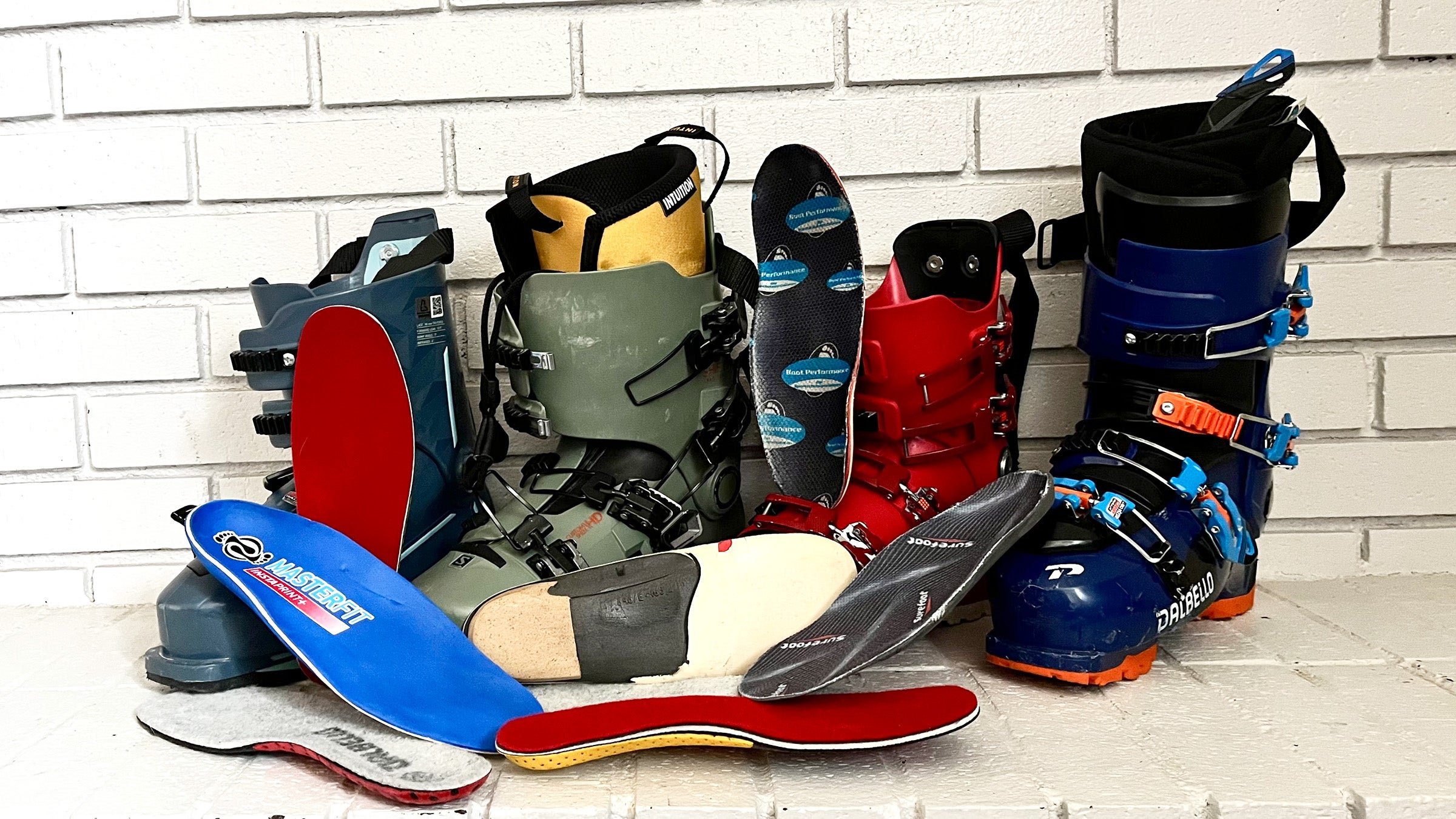
Bootfitting became a specialized craft, with custom footbed fabrication emerging as a cornerstone service. The process, typically involving heating a malleable material and molding it to the skier’s foot, either weighted (standing) or unweighted (seated), promised a bespoke solution to common complaints like pain, numbness, and lack of control. Custom footbeds quickly became synonymous with serious skiing, often presented as a non-negotiable upgrade for anyone seeking to maximize their on-snow experience. The average cost for such a service typically ranges from $150 to over $300, a significant investment often positioned as a "cure-all" for various boot-related ailments.
The Unforeseen Challenges and Pitfalls of Custom Solutions
Despite their widespread promotion, the reality of custom footbeds can be more complex than the marketing suggests. Stern’s extensive experience, having fit boots for a diverse clientele including masters racers, freeride competitors, and casual vacationers, revealed a significant caveat: a considerable proportion of custom footbeds he encountered, particularly those made elsewhere, were either poorly crafted or actively detrimental to the skier’s comfort and performance. This often led to the very problems they were meant to solve, such as persistent pain, pressure points, and compromised control.
Stern recounts his own personal journey through the labyrinth of ski boot fitting before he became a professional. With slender feet and "chicken calves," he battled persistent foot pain, aching ankles, and bruised shins. His quest for comfort led him to numerous bootfitters, where he received a litany of contradictory advice: "your arches are too high," "your foot is hypermobile," "your boots are too soft," "too narrow," "no, too long." Along the way, he was sold a variety of accessories, including shims, wedges, and, inevitably, multiple pairs of custom footbeds. This personal experience underscores a critical issue within the industry: the variability in bootfitter expertise and the potential for misdiagnosis.
The "Pronated Footbed" Phenomenon: A Technical Misstep
The creation of a custom footbed, while seemingly straightforward, is a highly nuanced process susceptible to subtle errors with significant consequences. Each foot possesses a unique morphology, and thus, each custom footbed should ideally be tailored with precision. However, even minor misjudgments during the molding process can introduce unwanted angles or contours that disrupt the skier’s natural stance.
This problem is particularly prevalent with "weighted" footbeds, where the skier stands on a heated, moldable base. In this scenario, the foot’s natural pronation under body weight can be inadvertently "baked in" to the footbed, effectively reinforcing the very instability it’s supposed to correct. Stern’s shop, like many others, preferred "unweighted" customs, where the skier sits with feet dangling, allowing the fitter to manually position the foot into an optimal athletic stance while a vacuum system molds the footbed. Even with this more controlled method, errors can occur. For instance, an overzealous pinch on the outside of the heel cup can create an imbalance, making the outer wall higher than the inner, leading to painful pressure on the ankle bone.
The prevalence of such errors is evident in many bootfitting shops, where a "graveyard" of discarded custom footbeds often accumulates – dozens of pairs abandoned after proving ineffective or harmful. While a meticulously crafted custom footbed can undoubtedly surpass the rudimentary stock inserts, a poorly executed one can exacerbate existing problems or create new ones, leaving skiers with discomfort, financial loss, and disillusionment. The grim reality is that a faulty custom footbed is often irreparable. While some skilled technicians might attempt modifications through grinding, the materials often preclude effective correction, forcing skiers to start anew, often with another significant investment.
Sven Coomer’s Legacy: The Rise of Engineered Drop-In Solutions
The challenges associated with inconsistent custom footbed quality were recognized decades ago by pioneers in the ski industry. Sven Coomer, a legendary figure responsible for iconic designs like Zipfit liners, the Nordica Grand Prix, and the Raichle Flexon (the progenitor of modern cabrio boots), confronted this very dilemma. His innovative solution was elegantly simple: design a supportive heel cup that effectively counters pronation and accommodates the biomechanics of most feet, then offer it in a range of arch shapes and thicknesses.
This groundbreaking concept led to the creation of Superfeet insoles, which later inspired similar products like DownUnders. Following Coomer’s passing, even Zipfit, his venerable liner company, began offering its own version of these pre-formed footbeds. These "drop-in" footbeds represent a paradigm shift from the custom-molded approach. Instead of being individually shaped to a unique foot, they are engineered to support an "average" heel shape with a standardized amount of arch support and pronation control.
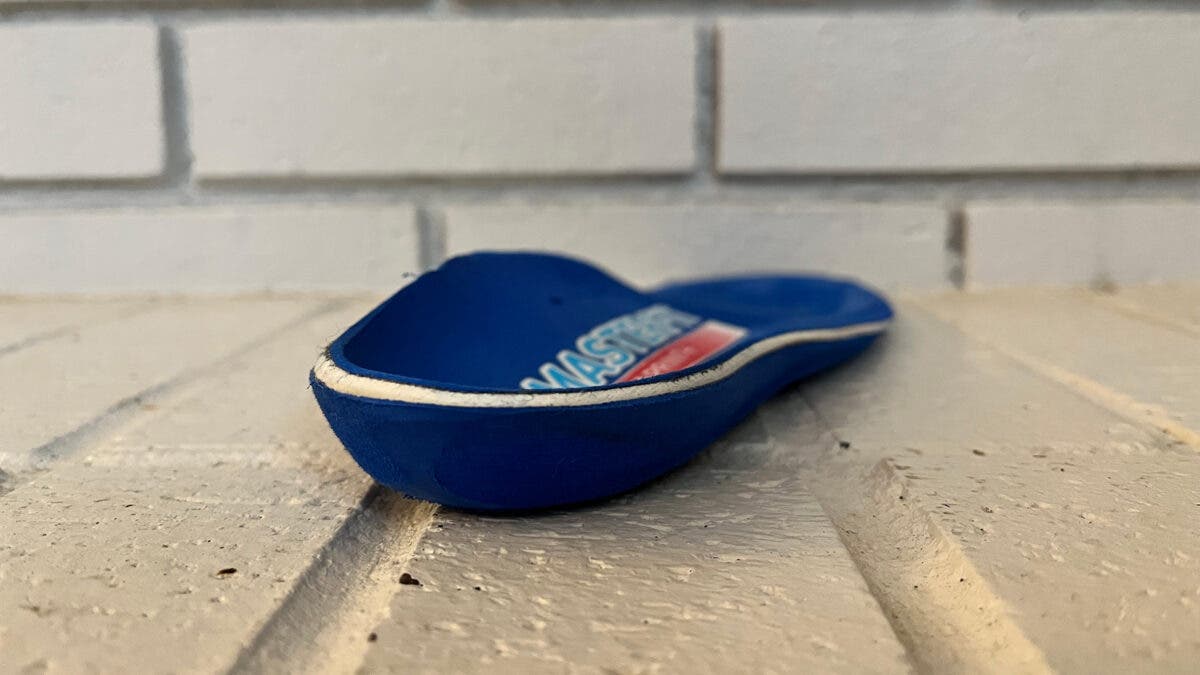
The fitting process for these drop-ins is refreshingly straightforward: the footbed is matched to the ski boot’s mondo size, the toe edges are trimmed to fit the liner, and they are beveled for seamless insertion. Stern attests to the transformative impact of these pre-engineered solutions, having personally fitted hundreds of skiers with them. The consistent feedback indicates a "world of difference" in skiing comfort and performance. He particularly advocates for products like the Superfeet Winter Thin Support, which, at approximately $55, offers a lightweight, comfortable, and highly effective solution for a vast spectrum of skiers, without the prohibitive cost or the inherent risks associated with poorly made customs.
Comparative Analysis: Cost, Efficacy, and Accessibility
When evaluating custom versus drop-in footbeds, several key factors come into play:
- Cost: Custom footbeds typically range from $150 to $300+, plus the cost of the bootfitting service itself. Drop-in footbeds, like Superfeet, generally cost between $40 and $60. This represents a significant financial difference, especially considering that footbeds, regardless of type, have a finite lifespan and may need replacement every few seasons depending on usage.
- Efficacy: While a perfectly crafted custom footbed can offer unparalleled precision, the risk of a poorly made custom negates this advantage for many. Engineered drop-ins, designed by experts like Sven Coomer, offer a reliable, standardized level of support that addresses the core biomechanical needs of most skiers (heel stabilization, pronation control) with a high degree of consistency. For the average recreational skier, the measurable difference in performance between a top-tier drop-in and a well-made custom is often negligible, while the difference between a drop-in and a poorly made custom is dramatically in favor of the drop-in.
- Accessibility and Convenience: Drop-in footbeds are widely available, require minimal fitting expertise (primarily sizing and trimming), and can often be purchased and installed in minutes. Custom footbeds, by contrast, necessitate a dedicated appointment with a skilled bootfitter and a specialized molding process, making them less accessible for some.
- Risk Profile: The primary risk with drop-ins is minimal – if one size or arch type doesn’t feel right, it’s a relatively inexpensive swap. With customs, the risk of a poorly molded footbed is high, and the financial and comfort implications are substantial, often leading to repeated expenses and ongoing discomfort.
Broader Implications and Industry Perspectives
The debate between custom and off-the-rack footbeds touches upon broader implications for the ski industry and consumer education. The traditional emphasis on bespoke solutions often creates an expectation that "more expensive equals better," without always delivering on that promise. Stern’s insights serve as a critical reminder that effective solutions are not always the most complex or costly.
Leading boot manufacturers and industry experts generally concur on the importance of proper foot support within ski boots. However, there is an increasing acknowledgment of the varied quality within the custom bootfitting sector. While dedicated, highly skilled bootfitters remain invaluable resources, the accessibility of sophisticated molding equipment to less experienced practitioners can lead to inconsistent outcomes. This underscores the need for standardized training and certification within the bootfitting community to ensure quality control.
From a consumer perspective, Stern’s argument encourages a more informed and pragmatic approach. Rather than defaulting to the most expensive option, skiers are urged to consider their individual needs, budget, and the reputation of their bootfitter. The existence of highly effective, affordable alternatives means that alleviating common ski boot discomfort doesn’t necessarily require a premium price tag. The goal should always be optimal comfort and performance, achieved through the most appropriate and reliably effective means.
The Future of Ski Boot Fitting
The ski boot fitting landscape is continuously evolving, driven by innovations in materials, understanding of biomechanics, and consumer demand. While bespoke solutions will always cater to a niche of elite athletes and individuals with highly unique foot anatomies, the growing sophistication of engineered drop-in footbeds offers a compelling and increasingly viable option for the vast majority of skiers. The narrative is shifting from a sole reliance on custom "miracle cures" to a more balanced understanding of effective, accessible, and reliable support systems.
In conclusion, the next time a bootfitter advocates for an expensive, custom-molded footbed, it is prudent for the skier to consider the alternatives. A critical assessment of one’s needs, coupled with an awareness of the potential pitfalls of poorly executed custom work, might lead to a surprising discovery: a simple, mass-produced footbed, often found in a less prominent corner of the shop, could very well be the key to unlocking superior comfort and performance on the snow, proving that sometimes, the most effective remedy comes straight out of the box, not from a custom mold.
