
For decades, certain majestic peaks across the globe have stood as formidable, seemingly insurmountable challenges, their summits veiled by a combination of treacherous terrain, stringent political restrictions, and unforgiving environmental conditions. Despite the allure and persistent human drive to explore the unknown, these mountains have largely resisted all attempts at ascent. However, a recent surge in successful first ascents, meticulously documented in a compelling video by Curiosity Dude, highlights a new era of alpinism. This chronicle reveals nine such peaks that have finally yielded to human endeavor in the past few years, with a significant number of these historic climbs occurring as recently as 2025, pushing the boundaries of what is considered achievable in high-altitude mountaineering.
A Global Tapestry of First Ascents
The triumphs detailed span a remarkable geographical spectrum, showcasing the diverse challenges and the sheer tenacity of modern climbers. From the towering giants of Nepal to the remote, stark beauty of South America, these expeditions represent the culmination of extensive planning, technological advancements, and unparalleled human spirit. The very fact that such significant peaks, previously considered unclimbable, have been summited in such a compressed timeframe is a testament to the evolving landscape of mountaineering and the dedication of those who push its limits.
One of the most poignant examples is Janu East in Nepal. This peak had remained unclimbed for over six decades, its formidable reputation cemented by its inherent dangers. Tragically, it claimed a climber’s life as recently as 2024, underscoring the extreme risks involved. Yet, in October 2025, two French alpinists, driven by an unyielding ambition, finally reached its elusive summit, etching their names into mountaineering history and adding a new chapter to the story of this notorious mountain. Their success not only signifies a personal triumph but also provides valuable data and insights into the ascent routes and conditions of Janu East, potentially paving the way for future explorations.
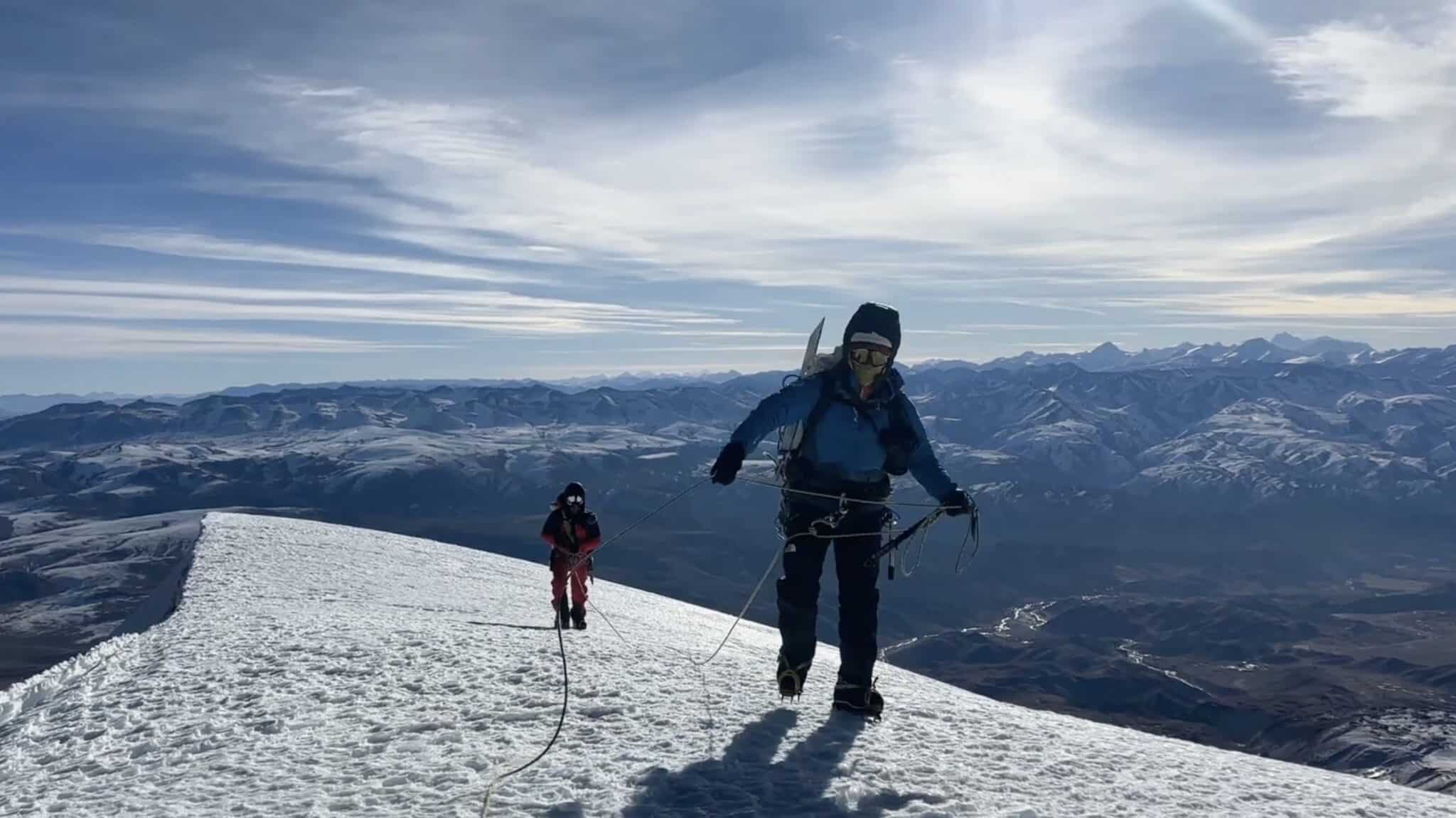
Similarly, Kangwang 1 in Tibet, a peak that had sat untouched for decades, owes its virgin ascent not to insurmountable physical barriers alone, but to the complex web of political and logistical hurdles. The inability to secure permission to attempt the climb had been the primary obstacle. The eventual granting of access, leading to its successful ascent, underscores the evolving geopolitical landscape and the increasing accessibility of previously off-limits regions for adventurous expeditions. This opens up new avenues for exploration and research in areas that have long been shrouded in mystery.
Redefining the Highest Unclimbed Peaks
Perhaps one of the most significant achievements in recent alpinism was the ascent of Muchu Chhish in Pakistan. For years, this peak held the somber distinction of being the highest legally climbable yet unclimbed mountain on Earth. Its sheer verticality and the extreme technical difficulty of its slopes had deterred all previous attempts. However, in 2023, a quiet but determined Czech expedition managed to achieve what many thought impossible, successfully reaching the summit and ending its reign as the planet’s ultimate mountaineering challenge. This feat not only altered the list of highest unclimbed peaks but also provided invaluable information on the mountain’s technical challenges and the optimal strategies for its ascent.
The most recent success story on the list, Chuama 1 in Nepal, was summited in December 2025 by a dedicated local Nepali team. This achievement is particularly noteworthy as it highlights the growing expertise and capability of indigenous climbing communities. Their intimate knowledge of the local terrain and conditions, combined with modern mountaineering techniques, has enabled them to achieve significant first ascents, often with fewer resources than international expeditions. This signifies a democratization of high-altitude mountaineering and a recognition of local talent.
A Chronology of Conquest
The narrative of these nine summits unfolds over a relatively short period, illustrating a concentrated burst of exploration and achievement:
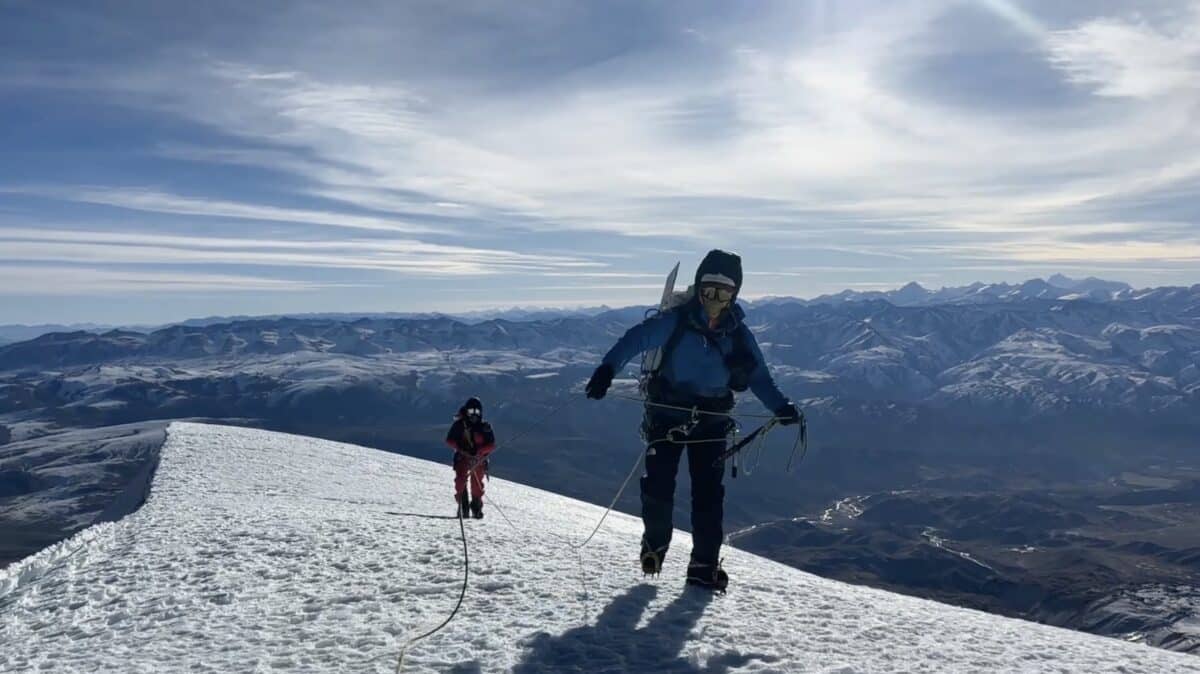
- 2023: The Czech team achieves the first ascent of Muchu Chhish in Pakistan, ending its status as the world’s highest unclimbed peak. This ascent likely involved meticulous route planning, advanced climbing gear, and a deep understanding of the mountain’s complex geology and weather patterns.
- October 2025: Two French alpinists conquer Janu East in Nepal, a mountain that had defied ascents for over 60 years and had previously been the site of a fatal accident in 2024. The successful ascent in 2025 likely benefited from improved weather forecasting, refined climbing techniques, and perhaps new insights gained from previous unsuccessful attempts.
- December 2025: A local Nepali team achieves the first ascent of Chuama 1 in Nepal. This accomplishment underscores the increasing prominence of Nepali climbers in the international mountaineering scene and their ability to tackle challenging peaks.
While the video focuses on these nine specific peaks, it serves as a broader indicator of a global trend. The successful ascents of these challenging mountains are not isolated incidents but part of a larger movement in alpinism, where technological advancements, improved safety protocols, and a deeper understanding of high-altitude physiology are making previously impossible climbs achievable.
Supporting Data and Context
The challenges presented by these peaks are immense. Mountains like Janu East are known for their steep, ice-laden faces and high avalanche risk. Kangwang 1’s inaccessibility was compounded by its remote location and the strict permit system in Tibet. Muchu Chhish, with its significant elevation and technical complexity, presented a serious test of endurance and skill. The fact that these mountains have been conquered in recent years suggests several contributing factors:
- Technological Advancements: Innovations in climbing gear, such as lighter and stronger materials for ice axes and crampons, advanced insulation for extreme cold, and sophisticated navigation tools, play a crucial role.
- Improved Weather Forecasting: More accurate and timely weather predictions allow climbers to choose optimal windows for ascent, minimizing exposure to dangerous conditions.
- Enhanced Risk Management and Safety Protocols: Mountaineering organizations and expedition leaders have developed more robust safety protocols, including better communication systems and emergency response plans.
- Increased Climber Experience and Knowledge: The cumulative experience of generations of climbers, coupled with extensive research into high-altitude physiology and acclimatization, has led to a deeper understanding of how to operate safely and effectively at extreme altitudes.
- Shifting Geopolitical Landscapes: The easing of restrictions in certain regions, as seen with Kangwang 1, has opened up new possibilities for exploration.
Analysis of Implications
The successful first ascents of these formidable peaks have several significant implications for the world of alpinism and beyond:
- Redefinition of Limits: These achievements push the perceived boundaries of human capability in mountaineering, inspiring a new generation of climbers to consider previously unthinkable objectives.
- Scientific and Environmental Research: Each first ascent provides invaluable data for glaciologists, geologists, and meteorologists studying these remote environments. The ascents also bring increased attention to the conservation needs of these pristine ecosystems.
- Economic Impact: Successful expeditions can boost local economies through tourism, guiding services, and supplies, particularly in regions like Nepal and Pakistan.
- Inspiration and Exploration: The stories of these climbs serve as powerful inspirations, encouraging exploration and a deeper appreciation for the natural world and the human capacity to overcome challenges.
- Ethical Considerations: As more remote and challenging peaks become accessible, the discussion around responsible climbing practices, environmental impact, and the ethics of "conquering" nature becomes even more critical. The focus on local teams, as seen with Chuama 1, also highlights the importance of empowering and involving indigenous communities in these endeavors.
The conquest of these nine mountains in recent years is not merely a record of physical feats; it is a narrative of human perseverance, technological innovation, and an enduring spirit of exploration. It underscores that even in a world that feels increasingly mapped and explored, frontiers still exist, waiting for the intrepid to push them further. The ongoing narrative of alpinism continues to be written, peak by peak, by those who dare to dream and strive for the summit.
