
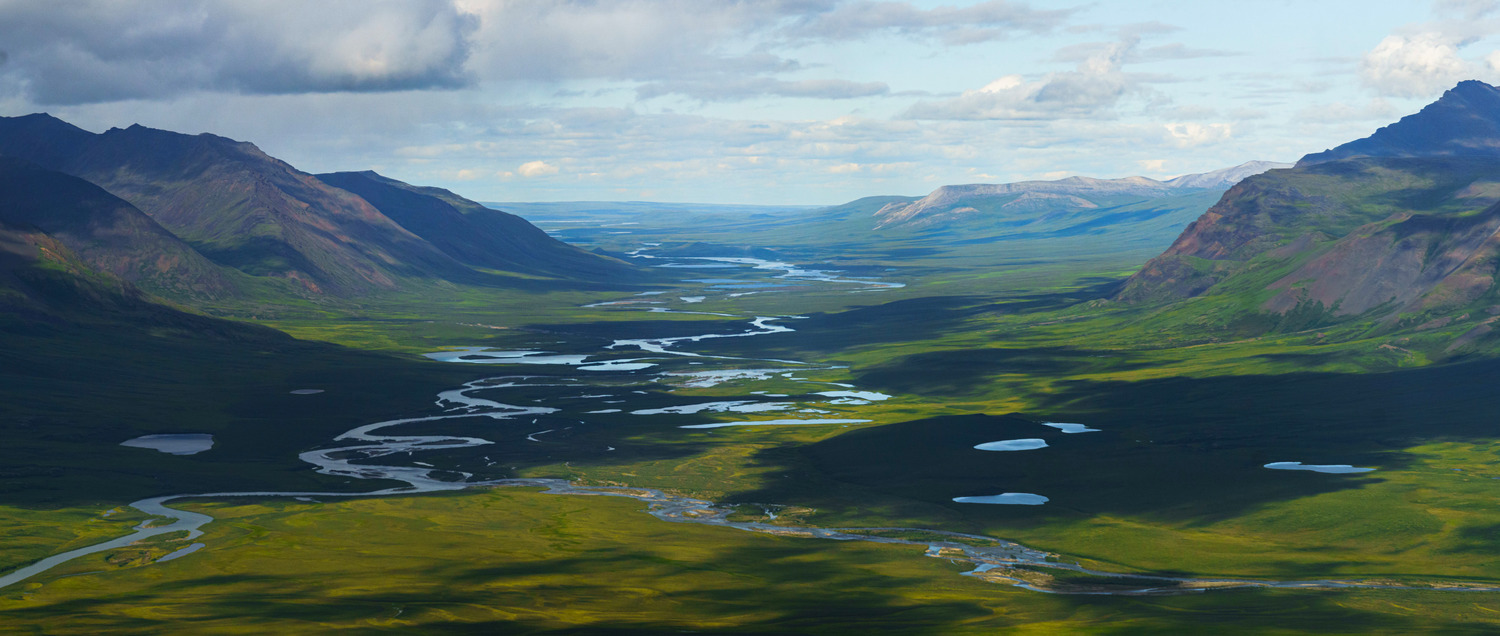
The federal government officially initiated the first of five mandated oil and gas lease sales in Alaska’s Western Arctic on March 18, a move that signals a significant expansion of industrial activity in one of the most remote and ecologically sensitive regions of the United States. This commencement follows a century of shifting federal priorities, beginning with the 1923 executive order that first designated the territory as a strategic fuel reserve for the United States Navy. Today, the 22.8-million-acre National Petroleum Reserve-Alaska (NPR-A) stands as the largest contiguous block of public land in the country, and its current management reflects a sharpening conflict between the pursuit of domestic energy security and the urgent demands of global climate mitigation.
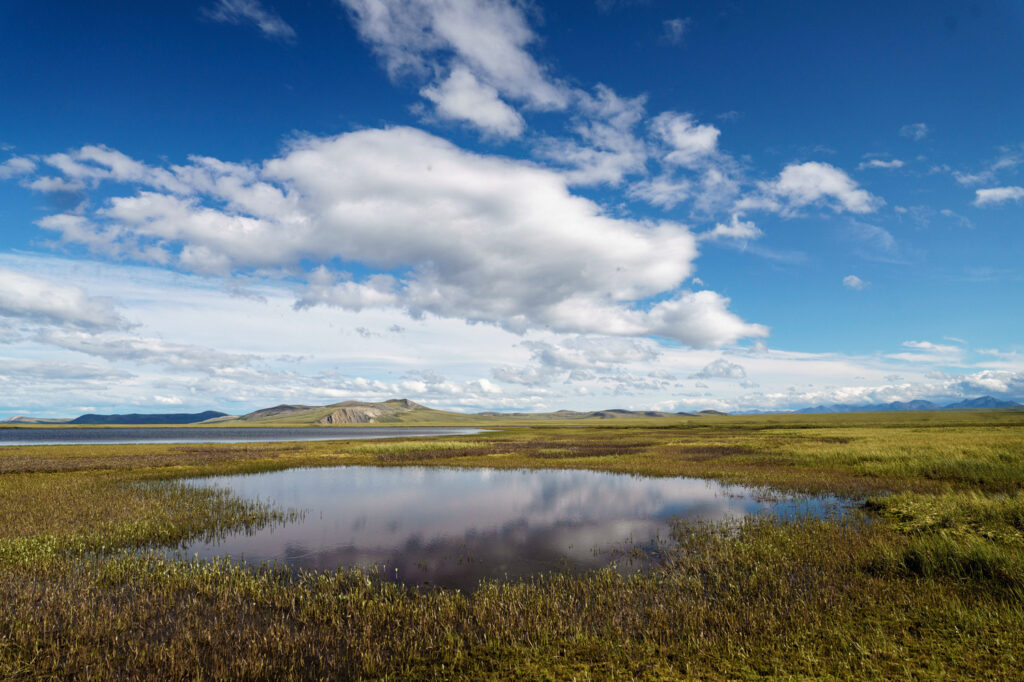
The NPR-A, situated on Alaska’s North Slope, has long been a focal point of administrative and legislative maneuvering. While the name implies a singular purpose of resource extraction, the region is simultaneously home to critical wildlife habitats, including the Teshekpuk Lake wetlands, which serve as a global hub for migratory birds and caribou. The recent lease sales represent a continuation of a legal framework established to accelerate resource development, despite growing opposition from environmental organizations and scientists who warn that the Arctic is warming at a rate three to five times faster than the global average.
A Century of Designation: From Naval Reserve to National Petroleum Reserve
The administrative history of the Western Arctic is inextricably linked to the geopolitical needs of the early 20th century. In 1923, President Warren G. Harding signed an executive order setting aside the North Slope as "Naval Petroleum Reserve No. 4." At the time, the U.S. Navy was transitioning its fleet from coal to oil, and geologists had identified significant oil seeps along the Arctic coast. The designation was intended to ensure a long-term supply for national defense, effectively withdrawing the land from other uses and placing it under the jurisdiction of the Department of the Navy.
This period of federal management was not without controversy. Shortly after the reserve’s designation, the Harding administration was rocked by the Teapot Dome scandal, which involved the illegal leasing of oil reserves at Naval Petroleum Reserve No. 3 in Wyoming. While the Alaska reserve remained largely undeveloped during this era, the scandal established a precedent for the political and ethical complexities inherent in managing federal energy resources.
In 1976, Congress passed the Naval Petroleum Reserves Production Act, which transferred management of the land to the Department of the Interior’s Bureau of Land Management (BLM). This transition rebranded the area as the National Petroleum Reserve-Alaska (NPR-A). Although the management shifted from military to civilian hands, the "petroleum reserve" title remained, creating a permanent bureaucratic identity that favors extraction. For decades, however, large swaths of the reserve remained protected under various Integrated Activity Plans (IAPs) that recognized the unique ecological value of areas like Teshekpuk Lake and the Colville River Delta.
The Push for Accelerated Development: A Chronology of Recent Actions
The current acceleration of leasing in the NPR-A is the result of a series of policy shifts over the last several years. The federal government’s mandate for five lease sales over a ten-year period is rooted in legislative requirements and executive directives aimed at maximizing domestic production.
2017 – Tax Cuts and Jobs Act: While primarily a tax bill, this legislation included provisions that mandated oil and gas leasing in the Arctic National Wildlife Refuge (ANWR) and signaled a broader federal intent to open Arctic lands to development.
2020 – Integrated Activity Plan (IAP) Revision: The Department of the Interior released a new Record of Decision for the NPR-A that opened approximately 18.6 million acres—about 82% of the reserve—to oil and gas leasing. This plan significantly reduced the size of protected areas, including the Teshekpuk Lake Special Area, which had been off-limits to drilling for decades.
2023 – Approval of the Willow Project: In March 2023, the Biden administration approved ConocoPhillips’ Willow Project, a massive $8 billion oil development located within the NPR-A. The project is estimated to produce roughly 600 million to 750 million barrels of oil over its 30-year lifespan. While the approval was met with legal challenges, it underscored the federal government’s commitment to honoring existing lease rights and legal mandates for "expeditious" development.
March 18 – Commencement of New Lease Sales: The opening of the first of five new sales marks the implementation phase of these long-term development goals. This sale encompasses millions of acres of the Western Arctic, including previously protected wetlands.
Ecological Significance and Climate Vulnerability
The NPR-A is far more than a resource cache; it is a vital component of the global ecosystem. Environmental scientists point to the region as a "biological heart" for the Arctic. The Teshekpuk Lake region, specifically, is recognized as one of the most productive wetland complexes in the world. It provides essential nesting grounds for more than 5.4 million migratory birds that travel from six different continents. Furthermore, it serves as the primary calving ground for the Teshekpuk Lake caribou herd, which is a critical subsistence resource for Indigenous Iñupiat communities.
The rapid development of this landscape coincides with unprecedented climatic shifts. Data from the National Oceanic and Atmospheric Administration (NOAA) indicates that Arctic sea ice is thinning and retreating, while permafrost—the frozen ground that supports the region’s infrastructure—is thawing. This thaw not only threatens the stability of future pipelines and roads but also releases stored carbon and methane into the atmosphere, creating a feedback loop that accelerates global warming.
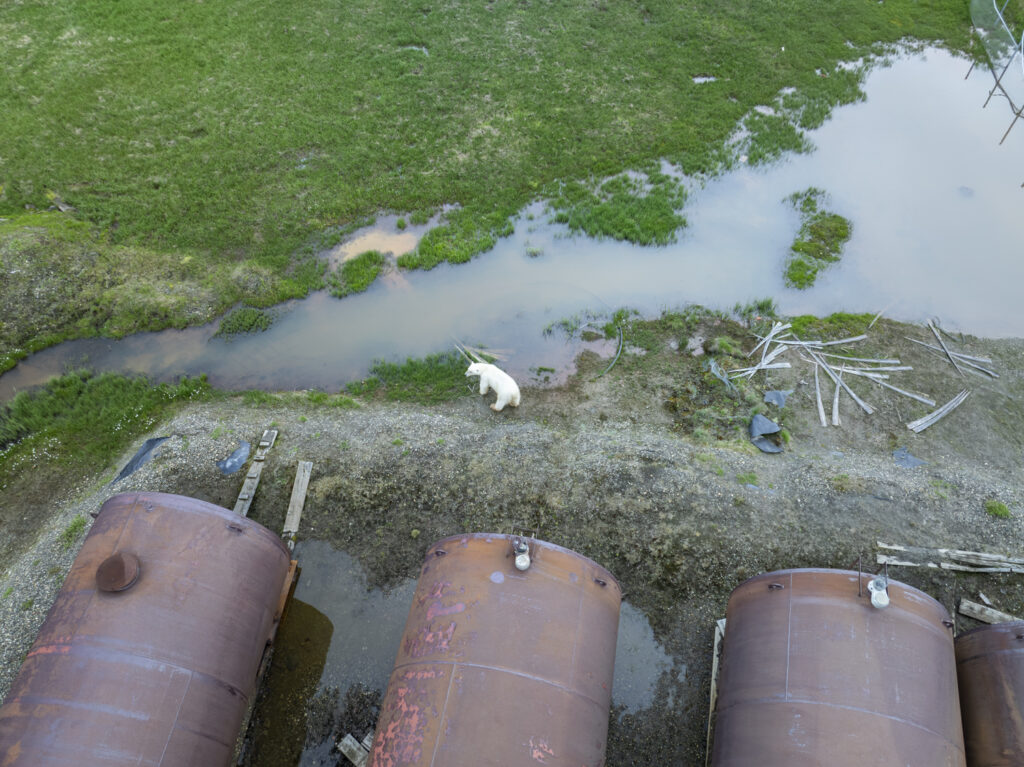
The "fragmentation" of the Arctic is a primary concern for conservationists. While projects like Willow or the proposed 200-mile Ambler Road are often discussed as isolated developments, they collectively create a web of industrial infrastructure. This includes gravel mines, airstrips, processing facilities, and permanent roads that cut through migration corridors and alter the hydrology of the tundra.
Economic Data and Industrial Realities
The economic argument for Arctic drilling is centered on the sheer volume of undiscovered resources. According to estimates from the U.S. Geological Survey (USGS), the NPR-A may contain approximately 8.7 billion barrels of oil and 25 trillion cubic feet of natural gas. For the State of Alaska, which relies heavily on oil revenue to fund its budget, these lease sales represent a necessary lifeline. The state has faced anemic budget growth and declining production from older fields like Prudhoe Bay, which has yielded 13.5 billion barrels over 50 years but is now in a period of natural decline.
However, the financial viability of Arctic oil is often questioned by market analysts. Extraction in the Western Arctic is significantly more expensive than in the Permian Basin or other Lower 48 shale plays. The harsh environment, lack of existing infrastructure, and the need for specialized technology to protect permafrost drive up the "break-even" price per barrel.
Opponents of the lease sales argue that Arctic oil development requires substantial public subsidies in the form of tax breaks and infrastructure spending. They contend that in a global market increasingly focused on the transition to renewable energy, investing billions into long-term Arctic fossil fuel infrastructure carries a high risk of creating "stranded assets"—investments that become unprofitable before the end of their functional life due to changes in policy or market demand.
Stakeholder Reactions and Political Analysis
The reaction to the March 18 lease sale has been sharply divided along economic and environmental lines.
Industrial and State Advocates: Proponents, including the Alaska congressional delegation and various trade unions, argue that the lease sales are a matter of national security and economic sovereignty. They emphasize that the NPR-A was specifically designated by Congress for energy production and that modern technology allows for "surgical" drilling with a minimal surface footprint. Governor Mike Dunleavy has frequently stated that Alaska has the highest environmental standards in the world and that "if we don’t produce energy here, it will be produced in countries with far fewer protections."
Environmental and Scientific Groups: Organizations such as Protect Our Winters (POW) and the Wilderness Society have condemned the sales, labeling them a "climate bomb." They argue that the federal government is operating on an antiquated 1920s mindset that views the Arctic solely as a resource colony. These groups are focusing their efforts on the "social unacceptability" of Arctic drilling, pressuring financial institutions to divest from Arctic projects and highlighting the disconnect between the administration’s climate goals and its leasing actions.
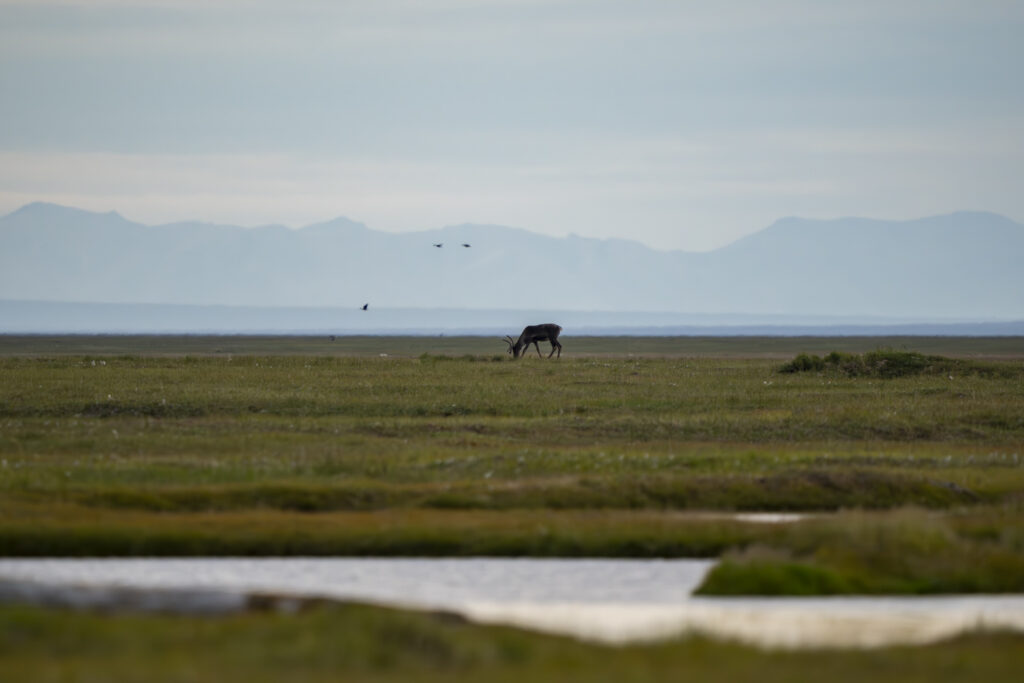
Indigenous Perspectives: The response from North Slope residents is nuanced. Some Alaska Native corporations support development for the jobs and tax revenue it brings to local communities, funding schools and essential services. Conversely, many subsistence hunters and village leaders express concern that industrial noise and infrastructure will drive away caribou and pollute the water and air, threatening a way of life that has existed for millennia.
Broader Implications and the Future of the Arctic
The opening of these lease sales in the Western Arctic is a pivotal moment in American land management. It raises fundamental questions about the permanence of environmental protections and the ability of the legal system to adapt to new scientific realities. The mandate for "expeditious" leasing, written into law decades ago, currently overrides contemporary concerns about biodiversity loss and carbon emissions.
As the federal government moves forward with the remaining four lease sales, the legal and political battle is expected to intensify. The uncertainty of future political administrations adds another layer of complexity; oil companies must weigh the current pro-development mandates against the possibility of future regulatory shifts that could stall or cancel projects.
Ultimately, the NPR-A represents a second chance for a society that has already developed most of its wild spaces. Unlike the contiguous United States, where wilderness is often an "island" surrounded by development, the Arctic remains an intact, connected ecosystem. The decisions made during this ten-year leasing window will determine whether the "National Petroleum Reserve" remains a landscape defined by its ecology or becomes a fully industrialized energy corridor, marking the end of the last truly wild frontier in America.
