
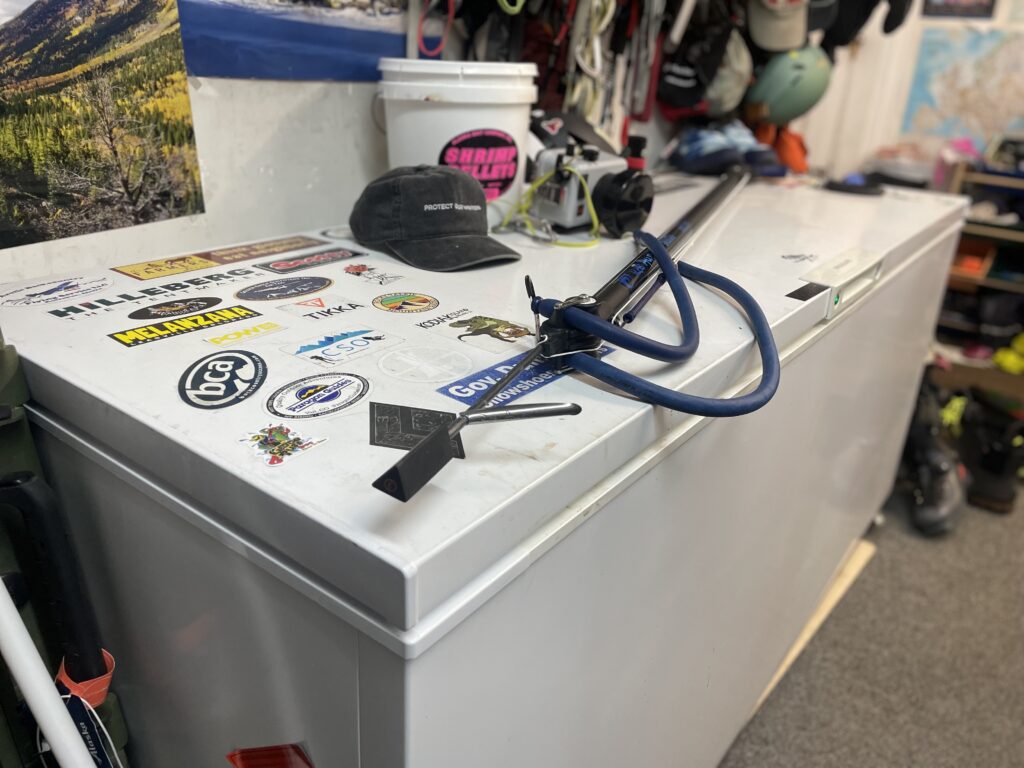
In the garages and mudrooms of Anchorage, the chest freezer serves as more than a mere appliance; it is a barometer of seasonal success, a repository of cultural identity, and a critical component of food security. For residents like Alex Lee, an Associate Professor of Philosophy at Alaska Pacific University and a member of the Protect Our Winters Science Alliance, these units represent a "coffer of promise" that fluctuates with the rhythm of the Alaskan wilderness. As the state moves through the peak of the summer harvest, the contents of these freezers—ranging from Pacific cod and halibut to the highly prized sockeye salmon—highlight a complex intersection of ancient subsistence traditions and the modern pressures of a rapidly changing climate.
The Centrality of the Alaskan Freezer
For many Alaskans, the annual cycle is defined by the transition from winter scarcity to summer renewal. The "freezer culture" is a widespread phenomenon across both urban centers like Anchorage and rural villages. These appliances, often adorned with stickers from outdoor gear brands and local businesses, act as an ethical and nutritional center for households. During the spring months, residents frequently experience a period of "freezer anxiety" as the previous year’s stocks of frozen proteins dwindle. This anxiety is typically replaced by a sense of urgency and gratitude by July, as the first waves of maritime bounty begin to arrive.

The harvest begins in early summer with white fish, such as Pacific cod and halibut, before shifting focus toward the "red fish"—the various species of Pacific salmon that return to their natal streams to spawn. This transition is not merely a matter of grocery shopping but is a state-wide event that dictates social schedules, professional commitments, and communal interactions.
Salmon as a Communal Resource and Social Contract
In Alaska, salmon is viewed through a lens that transcends its significant economic value. While commercial fishing remains a primary economic engine for the state—contributing billions of dollars to the regional economy—the personal and subsistence relationship with the fish is rooted in a unique social contract. Within this framework, salmon are often regarded as a borrowed resource, taken from the water with an implicit debt of stewardship and respect.
This perspective fosters a culture of radical generosity. It is common practice for neighbors to share their catch with those whose freezers are empty, ensuring that the bounty of the rivers is distributed according to need rather than just individual harvest success. This unspoken agreement applies to both rural residents and those in urban Anchorage, where the proximity to wilderness is a daily reality, evidenced by the frequent presence of wildlife in residential areas.
The Biological Crisis: Warming Waters and Acidification
Despite the cultural resilience of the salmon harvest, the biological foundations of these fisheries are facing unprecedented threats. The North Pacific Ocean is currently warming at a rate that exceeds almost any other ocean basin on the planet. This thermal increase is accompanied by a decrease in pH levels, a process known as ocean acidification.
Scientific data indicates that even minor fluctuations in acidity can have devastating effects on juvenile salmon. Lower pH levels are known to decrease growth rates and disrupt the sensory systems salmon use to navigate back to their home streams. Furthermore, acidification threatens the stability of the food web, particularly the populations of pteropods and other small organisms that salmon rely on for sustenance during their years at sea.
The terrestrial environment is experiencing similar volatility. As the circumpolar north warms more rapidly than other ecosystems, permafrost thaw is altering the chemistry and temperature of spawning streams. These changes create a high degree of uncertainty for future salmon runs. While sockeye salmon populations have remained relatively robust in recent years, other species have seen a dramatic decline.
Chronology of Declining Stocks and Regulatory Responses
The shift in Alaskan fisheries is most evident in the long-term decline of King (Chinook) salmon. Over the past several decades, King salmon numbers have plummeted across many of Alaska’s major river systems, leading to increasingly stringent restrictions on both commercial and recreational fishing.
- Late 1990s – Early 2000s: Initial signs of instability in King salmon runs begin to emerge, prompting early conservation measures.
- 2010 – 2020: A decade of record-low returns leads to the closure of many traditional fishing grounds. The size of the average King salmon also begins to decrease, a trend researchers attribute to both environmental stress and selective fishing pressure.
- 2023 – 2024: The crisis extends to Coho (Silver) salmon. In Southcentral Alaska, authorities significantly restricted the retention of Coho salmon during the 2024 season to ensure enough fish reached spawning grounds.
- Current Status: While Sockeye (Red) salmon runs have provided a temporary buffer for food security, the Alaska Department of Fish and Game (ADF&G) remains on high alert, monitoring the "dynamic pressures" of a warming ocean and human consumption.
Methods of Harvest: From Dipnetting to Freediving
The pursuit of salmon in Alaska involves a variety of techniques, ranging from high-tech commercial operations to traditional personal-use methods. One of the most iconic practices is "dipnetting," a method reserved for Alaska residents. This involves using a large-diameter net on a long aluminum pole to catch sockeye salmon as they move through high-density corridors in rivers like the Copper and the Kenai.
The Copper River fishery is particularly renowned for its intensity. Residents often travel via ATVs along abandoned railroad grades and navigate steep canyons, sometimes using climbing ropes to secure themselves against cliffs while fishing in churning glacial waters. Conversely, the Kenai Peninsula offers a more "civilized" but crowded experience, where hundreds of fishers stand shoulder-to-shoulder on beaches, timing their efforts with the tides.
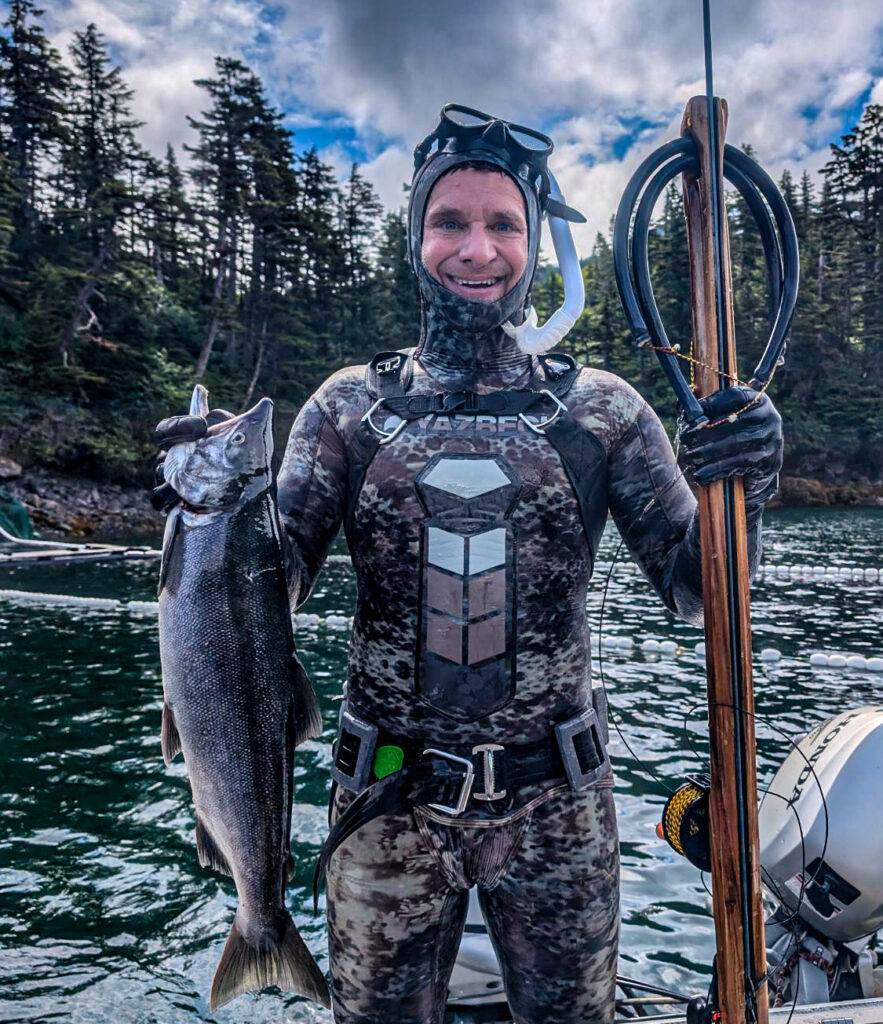
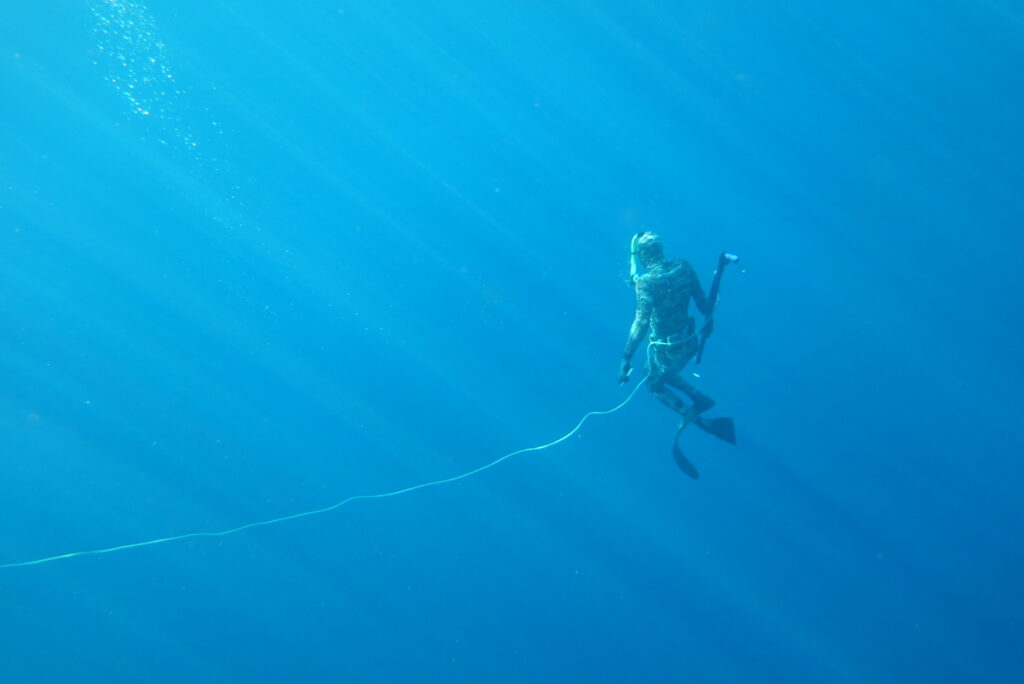
In recent years, some Alaskans have adopted more specialized methods, such as freediving and spearfishing. Using thick wetsuits to combat the frigid saltwater, these practitioners descend into the "silty, cold water" of the North Pacific to intercept salmon schools before they enter freshwater systems. This method requires significant physical discipline and a "steady hand," but it offers a unique perspective on the sheer abundance—and vulnerability—of the species.
Socio-Economic and Philosophical Implications
The health of the salmon runs is inextricably linked to the identity of Alaska. For families, the harvest is a generational bridge. It is common for a child’s first words to include "fish," reflecting the central role the animal plays in daily life. From a philosophical standpoint, as explored by Alex Lee, the management of these resources is a matter of "outstanding withdrawals." The current generation inherits the debts of the past and holds a moral obligation to ensure that future generations do not find their freezers empty due to contemporary mismanagement or environmental neglect.
The "freezer" thus becomes a manifestation of agency. It represents the ability of a household to provide for itself while also serving as a reminder of the fragility of the natural systems that make such self-sufficiency possible. The transition from the summer fish flurry to the winter "ski bench" season marks a shift in focus, but the underlying reliance on the stored harvest remains constant.

Broader Impact: A Global Bellwether
The challenges facing Alaska’s salmon are not isolated incidents but are indicative of broader global trends. As a "sentinel" state for climate change, Alaska provides a preview of the ecological disruptions that may soon face other regions. The decline of the King salmon and the restrictions on Coho serve as a warning that even the most productive ecosystems have limits.
The future of Alaska’s food security depends on a multi-faceted approach:
- Climate Mitigation: Reducing the global carbon emissions that drive ocean warming and acidification.
- Adaptive Management: Implementing real-time fishing restrictions based on accurate escapement data to ensure species survival.
- Habitat Protection: Preserving the integrity of spawning streams and riparian zones against the effects of permafrost thaw and industrial development.
As the 21.7-cubic-foot freezers in Anchorage continue to hum through the dark winter months, they hold more than just filets and roe. They hold the stories of a culture defined by the water and the urgent necessity of protecting the delicate balance between human need and ecological stability. If the freezers eventually run empty, the consensus among residents and experts alike is that the fault will lie not with the fish, but with the failure of human stewardship in a warming world.
