
Mount Washington, New Hampshire – Tuckerman Ravine, affectionately and accurately dubbed "The Proving Ground," stands as a legendary and formidable challenge for skiers and snowboarders worldwide. Its steep, unforgiving slopes, steeped in a rich history of extreme descents, draw adventurers seeking the ultimate test of skill and courage. However, this iconic backcountry destination is also a stark reminder of the inherent dangers of the wilderness, a reality brought into sharp focus with the recent premiere of "The Proving Ground," a compelling fourteen-minute documentary produced by Warden Co. in partnership with the Mt. Washington Avalanche Center.
The film, which premiered on April 10, 2026, at Ledge Brewing in Intervale and simultaneously on YouTube, delves deep into the allure and the inherent risks associated with Tuckerman Ravine. It meticulously weaves together perspectives from seasoned professionals at the Mt. Washington Avalanche Center, the daring individuals who have tackled its treacherous terrain, and the dedicated rescue crews who have been instrumental in aiding those who have fallen victim to its perils.
A Storied History of Extreme Descents
Tuckerman Ravine’s reputation as the birthplace of extreme skiing is not an exaggeration. Its steep, bowl-shaped terrain, carved by ancient glaciers, has been a proving ground for daring descents since the 1920s and 1930s. These early pioneers, driven by a spirit of adventure and a desire to push the boundaries of snow sports, laid the foundation for what would become a legendary destination. The annual "Inferno" race, a historically significant event held within the ravine, further cemented its notoriety, attracting both elite athletes and thrill-seekers eager to test their mettle against one of the East Coast’s most challenging natural ski areas. The history of such events underscores the long-standing tradition of pushing limits in Tuckerman Ravine, a tradition that continues to draw individuals seeking unparalleled excitement.
The Grueling Ascent and the Steep Descent
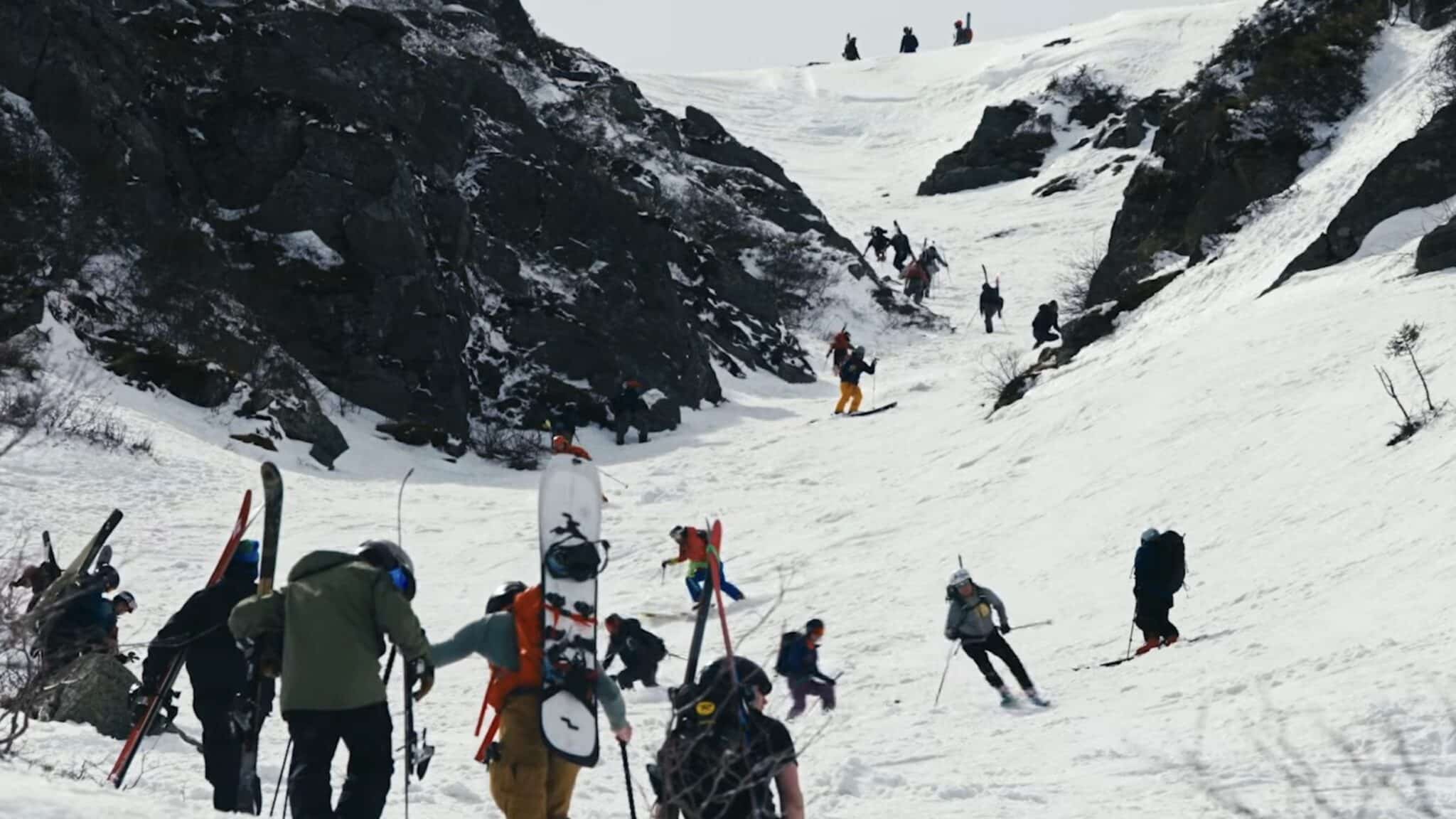
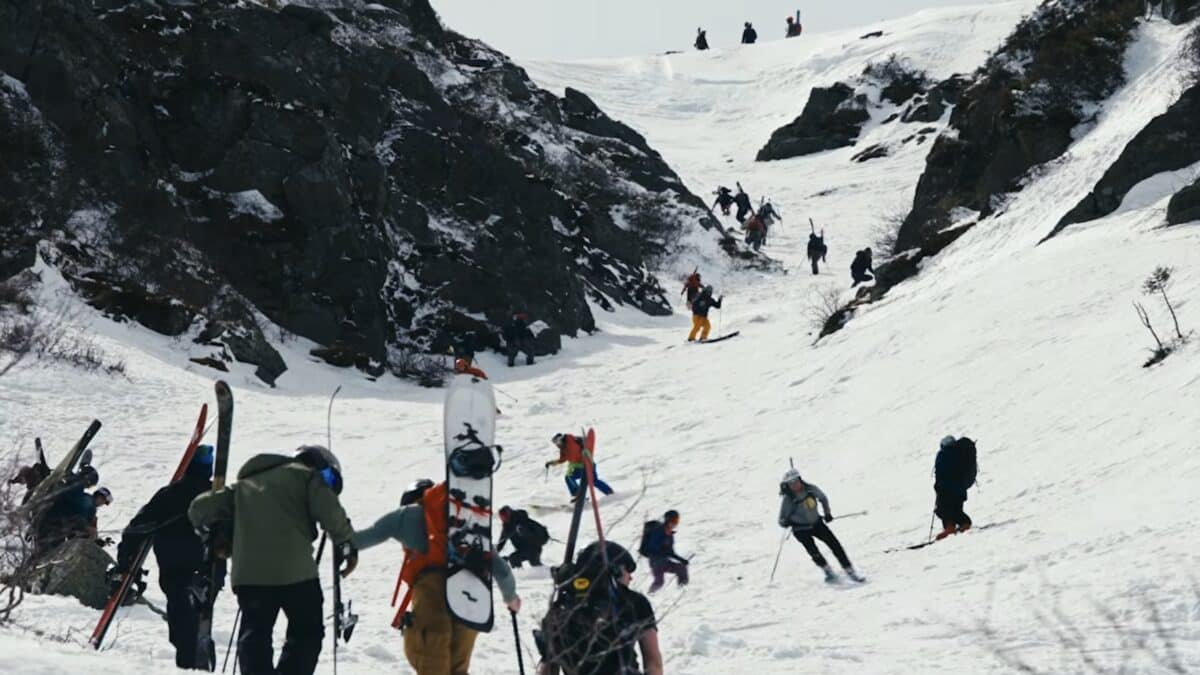
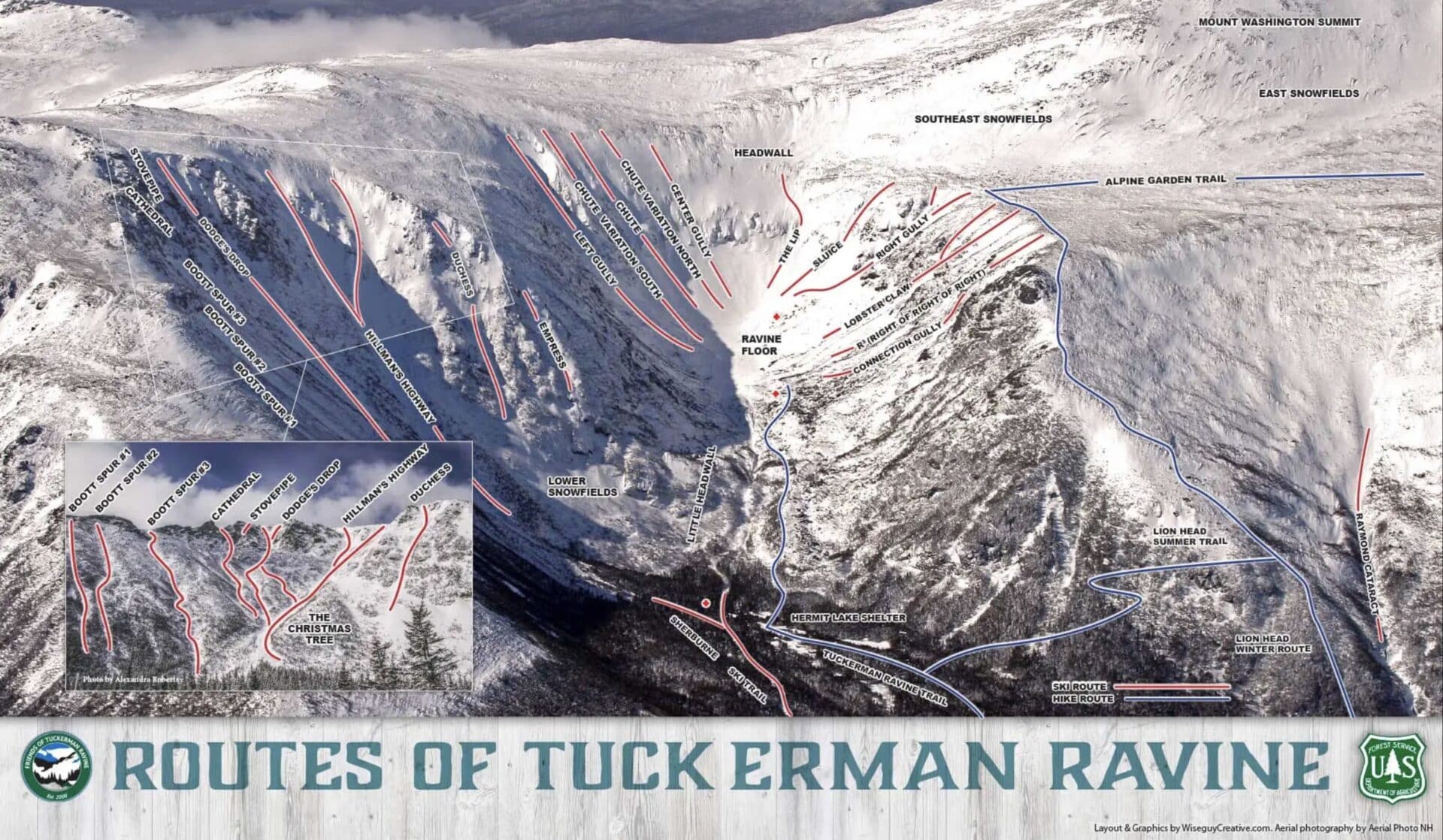
Reaching the coveted bowl of Tuckerman Ravine is an expedition in itself. The journey typically begins with a demanding 2.4-mile hike, often undertaken with heavy ski or snowboard gear, before the true challenge even begins. This arduous approach is a testament to the commitment required to even access the starting point of the descent. Once at the lip of the ravine, the terrain transforms dramatically. What might appear as a mere steep slope from a distance reveals itself to be a serious mountaineering challenge, demanding precise technique, unwavering focus, and a profound respect for the mountain’s power. The sheer vertical drop and the unpredictable nature of the snowpack mean that a single misstep can have severe consequences.
The Unforgiving Nature of Backcountry Snowsports
Tuckerman Ravine is unequivocally a backcountry zone, a designation that signifies a lack of controlled conditions and the presence of numerous natural hazards. Avalanches, a constant threat in mountainous winter environments, pose one of the most significant dangers. The Mt. Washington Avalanche Center regularly monitors snowpack stability and issues crucial advisories, but the dynamic nature of the environment means that conditions can change rapidly.
Beyond avalanches, the ravine’s steepness contributes to another critical risk: the impossibility of stopping a fall once it begins. Unlike groomed slopes with ample run-out areas, a fall in Tuckerman Ravine can result in a long, uncontrolled slide, potentially leading to severe injuries. This unforgiving characteristic underscores the need for advanced skiing or riding skills and a comprehensive understanding of avalanche safety. The increasing popularity of backcountry skiing and snowboarding in recent years has unfortunately amplified the risk of incidents, prompting proactive measures such as the production of "The Proving Ground."
A Recent Brush with Danger
The ever-present dangers of Tuckerman Ravine were starkly illustrated just days before the documentary’s release. Reports emerged of avalanches occurring in the ravine, narrowly missing backcountry skiers who had ventured into the area, apparently underestimating the volatile conditions. These incidents serve as a potent, real-time reminder of the risks involved and the critical importance of heeding avalanche forecasts and exercising extreme caution. The timing of these near-misses amplifies the message of the documentary, highlighting the urgent need for awareness and preparedness.
Essential Safety Protocols for Tuckerman Ravine
The documentary and its creators strongly emphasize the essential safety protocols for anyone considering a trip to Tuckerman Ravine. This includes carrying the "holy trinity" of avalanche safety gear: a transceiver (beacon), a probe, and a shovel. These tools are vital for locating and excavating avalanche victims. Furthermore, an ice axe is often recommended for navigating the steep, icy sections of the ascent and descent. Perhaps most importantly, venturing into such a challenging environment should never be done alone. A trusted and experienced companion can provide critical support and assistance in emergencies.
Beyond equipment, thorough preparation is paramount. This involves diligently checking the daily avalanche forecast provided by the Mt. Washington Avalanche Center. This forecast offers vital information on snowpack stability, weather patterns, and potential avalanche risks. For those new to the backcountry or seeking to deepen their understanding of avalanche safety, taking a certified avalanche education course is highly recommended. These courses provide invaluable knowledge on snow science, rescue techniques, and risk management, equipping individuals with the skills necessary to make informed decisions in the backcountry.
"The Proving Ground" Documentary: A Call for Awareness
"The Proving Ground" documentary aims to serve as an educational tool, bridging the gap between the romanticized image of extreme skiing and the harsh realities of the risks involved. By featuring insights from avalanche experts, the film aims to demystify avalanche science and decision-making processes. The inclusion of personal accounts from skiers who have navigated the ravine, and the perspectives of rescue personnel, adds a human element, underscoring the potential consequences of underpreparedness. The film’s production in partnership with the Mt. Washington Avalanche Center signifies a concerted effort to leverage visual storytelling for public safety outreach.
The documentary’s release on multiple platforms ensures its accessibility to a wide audience, from seasoned backcountry enthusiasts to those contemplating their first venture into such terrain. The film’s detailed examination of the ravine’s historical significance, coupled with its contemporary focus on safety, provides a comprehensive narrative that aims to foster a deeper appreciation for both the adventure and the inherent dangers.
Broader Implications for Backcountry Recreation
The challenges presented by Tuckerman Ravine are emblematic of a broader trend in outdoor recreation. As more individuals seek experiences beyond the confines of developed resorts, the importance of robust backcountry education and safety awareness grows exponentially. The success of initiatives like "The Proving Ground" can serve as a model for other popular backcountry destinations, promoting a culture of responsibility and preparedness.
The data from the Mt. Washington Avalanche Center, though not explicitly detailed in the initial reporting, likely informs the narrative of the documentary, highlighting trends in rescues, types of incidents, and the effectiveness of safety measures. By analyzing past incidents and identifying common contributing factors, the center and Warden Co. can tailor their message to address the most critical safety concerns. The increasing frequency of rescues in areas like Tuckerman Ravine, often attributed to a combination of increased participation and sometimes inadequate preparation, underscores the need for continuous educational efforts. The film’s release is a timely intervention, aiming to curb potential future incidents by reinforcing crucial safety messages.
In conclusion, "The Proving Ground" is more than just a film about extreme skiing; it is a vital public safety announcement from one of New Hampshire’s most iconic and perilous natural landscapes. It serves as a compelling testament to the allure of Tuckerman Ravine while unequivocally stressing the paramount importance of respect, preparation, and rigorous safety protocols for anyone daring to answer its challenging call.
