
Published March 2, 2026 11:26 AM
For decades, the aesthetic of ski style and gear has largely been dictated by an unwritten code: seriousness equated to credibility. This ethos manifested in a dominance of neutral palettes, streamlined designs, and products crafted to seamlessly blend into the surrounding environment of rocks, trees, snowbanks, and lift lines. The prevailing sentiment was that to command respect on the mountain, one must dress with a subdued, almost invisible, professionalism. However, a significant paradigm shift is underway, signaling a profound callback to an era when skiing – and its accompanying fashion – was unapologetically loud, extravagant, and overtly stylish. This contemporary movement embraces vibrant colors, bold patterns, and a renewed sense of joyful expression, marking a departure from the utilitarian uniformity that has long characterized the slopes.
The Evolving Canvas of Alpine Style: From Subtlety to Spectacle
The history of ski fashion is a fascinating interplay between practicality, technological advancement, and cultural trends. Early skiwear, rooted in necessity, was primarily functional, designed to offer warmth and protection against harsh alpine conditions. Yet, as skiing evolved from a niche activity into a global phenomenon and a symbol of luxury and adventure, fashion began to play an increasingly prominent role.
A Historical Review: Eras of Alpine Aesthetics
The mid-20th century, particularly the 1960s and 1970s, saw the emergence of ski resorts as glamorous playgrounds for the elite, fostering a flamboyant approach to alpine attire. This era was characterized by a bold sartorial spirit, epitomized by figures like Maria Bogner, who revolutionized skiwear with innovative stretch pants that offered both performance and a distinctly flattering silhouette. Fur coats, vibrant one-piece suits, and elaborate après-ski ensembles were commonplace, reflecting a celebratory and deeply stylish approach to winter sports. Skiing was not merely a sport; it was a lifestyle statement, a visual declaration of aspirational living, often accompanied by sun-kissed complexions and an air of effortless sophistication.
By the 1980s, the "neon era" briefly injected another burst of vivid color and geometric patterns into ski fashion, pushing boundaries with its audacious designs. However, this vibrant period gradually gave way to a more subdued aesthetic in the 1990s and early 2000s. The focus shifted heavily towards technical performance, durability, and a minimalist design philosophy. Brands prioritized advanced materials, waterproofing, breathability, and ergonomic cuts, often at the expense of overt style. The prevailing look became one of understated capability, with monochromatic schemes and functional designs becoming the norm. The idea was to let the skiing speak for itself, with the apparel serving as an invisible enabler of performance.
During this period, women’s ski gear often fell victim to the "shrink it and pink it" phenomenon, where existing male designs were simply scaled down and colored with stereotypical feminine hues. This approach, while attempting to cater to women, largely neglected genuine performance needs and a broader understanding of female aesthetic preferences. It prioritized a narrow, often tokenistic, idea of femininity over authentic functionality and diverse style. The backlash from women demanding better-performing, more thoughtfully designed gear led to a necessary overcorrection, pushing the pendulum far towards pure utility, inadvertently sacrificing some of the joy and self-expression that had once defined ski style.
A New Wave of Expression: The Rise of Bold Women’s Apparel
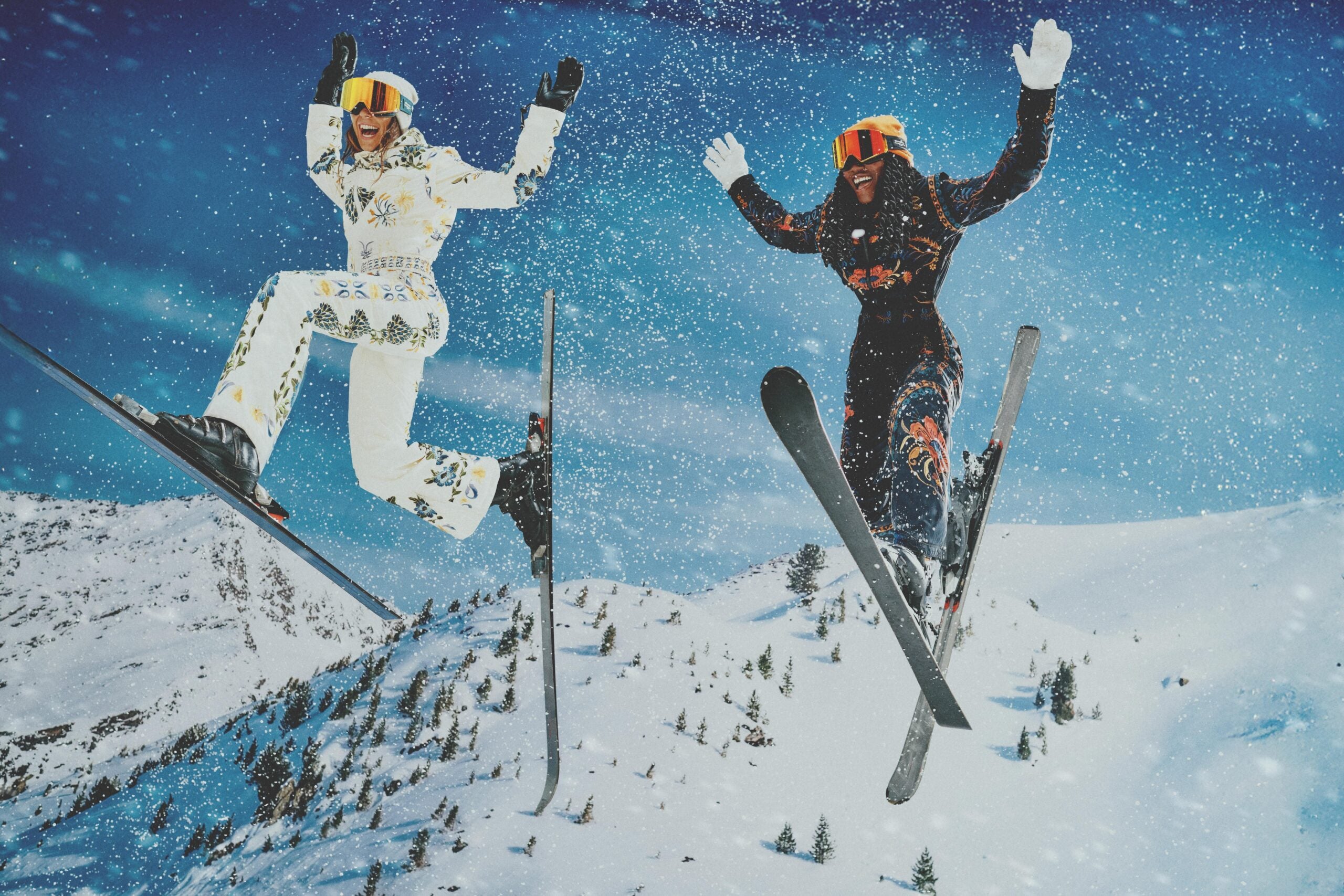
Today, the industry is witnessing a significant recalibration, driven largely by the long-underserved female consumer base. There is a palpable demand for gear that integrates high performance with personal expression, functionality with flair. This shift is particularly evident in the emergence of bolder, brighter, more feminine, and undeniably fun women’s ski apparel. Brands like Halfdays, Wild Rye, and Seniq are leading this charge, offering designs that blend cutting-edge technical features with appealing aesthetics. Even mainstream collaborations, such as The North Face’s partnership with SKIMS, signify a broader industry acknowledgment of this burgeoning trend, indicating a willingness to explore new intersections of fashion and function.
Market data underscores this evolution. According to a 2023 report by Grand View Research, the global activewear market, including outdoor and winter sports apparel, is projected to grow significantly, with a notable segment driven by increasing demand for stylish yet functional clothing, particularly among women. Consumer surveys consistently reveal a desire for products that allow for individual expression without compromising on technical capabilities. This indicates a maturing market where consumers, especially younger demographics influenced by social media, view outdoor apparel not just as equipment, but as an extension of their personal brand and lifestyle.
WHITESPACE x Farm Rio: A Paradigm Shift in Collaboration
Nowhere is this cultural and sartorial renaissance more pronounced than in the recent collaboration between WHITESPACE, the performance-driven brand founded by Olympic snowboarding legend Shaun White, and Farm Rio, the vibrant, female-founded fashion label celebrated for its colorful, summery prints inspired by Brazil’s "borogodó"—an effortless, innate charm. This collection, launched for the current season, lands at a pivotal moment when skiing is transcending its identity purely as a sport and re-emerging as a holistic experience, encompassing travel, social engagement, and personal style.
Bridging Worlds: The Vision Behind the Alliance
The partnership initially appears counterintuitive: a brand rooted in extreme winter sports performance aligning with a label synonymous with tropical warmth and vibrant summer aesthetics. However, it is precisely this perceived contrast that fuels its innovative success. Katia Barros, founder and creative director of Farm Rio, articulated this synergy, stating, "What drew me in was exactly that contrast. Farm Rio comes from warmth, color, and emotional connection, while WHITESPACE comes from precision, performance, and mountain culture. At first glance, they feel worlds apart, but that tension is what made the collaboration exciting."
Jesse White, Chief Creative Officer of WHITESPACE, echoed this sentiment, describing the collaboration as a strategic move to broaden the cultural appeal of winter sports. "It’s exciting to connect with a brand from Brazil that has no business being in the snow. That’s what makes it fun—bringing these worlds together. No one saw this coming." This unexpected alliance serves to introduce the thrill and beauty of snow sports to an audience that might not typically engage with traditional alpine apparel, effectively widening winter’s cultural aperture.
The collaboration’s core philosophy emerged from a shared understanding: WHITESPACE designs for those deeply committed to mountain life, while Farm Rio caters to individuals who express their identity through their clothing. "Bringing those two perspectives together allowed us to create something genuinely new: technical skiwear that doesn’t ask women to leave their personality behind when they step onto the slopes," Barros explained. This ethos directly addresses the historical gap in the market for women’s ski apparel that equally prioritizes both performance and self-expression.
Technical Excellence Meets Tropical Vibrancy
Crucially, this collection represents a true fusion of fashion and function, rather than fashion merely masquerading as technical gear. The industry has seen numerous instances of fast-fashion brands attempting to enter the winter sports market with aesthetically pleasing but functionally inadequate products—a recurring failure due to a fundamental misunderstanding of alpine material requirements (e.g., the impracticality of cotton in snow). The WHITESPACE x Farm Rio collection stands in stark contrast. It is a line of technical apparel that resolutely refuses to be emotionally or visually muted.
From WHITESPACE’s perspective, the partnership’s very impetus was this refusal to be flat. Jesse White emphasized the brand’s unwavering commitment to performance standards. "Some pieces didn’t make it because they couldn’t meet our standards for waterproofing, breathability, or performance," he stated. "If the product shows up on snow, it has to earn its place there." This rigorous quality control ensures that the vibrant aesthetic is underpinned by robust functionality, a critical factor for credibility in the demanding alpine environment.
Farm Rio, rather than tempering its signature identity for the alpine setting, leaned fully into its vibrant aesthetic. The resulting prints, featuring brightly colored tropical flora and fauna, are unmistakably Farm Rio. They are designed to create a striking contrast against the often-monochromatic backdrop of snow and sky, purposefully standing out rather than blending in. Barros articulated this design philosophy: "When you ski or snowboard, you’re moving through vast, often monochromatic landscapes. Instead of adapting Farm Rio to the mountain in a minimal way, we fully embraced the idea that ski style can be expressive, joyful, and bold."
The Broader Cultural Resurgence of Skiing
This collaboration is not an isolated incident but rather a symptom of a larger cultural shift. Skiing is experiencing a significant resurgence in mainstream popular culture, moving beyond its traditional athletic confines to become a broader lifestyle statement. This trend is evident in various cross-industry partnerships and media portrayals.
From Sport to Lifestyle: Media and Mainstream Attention
Examples abound: the historic collaboration between the U.S. Ski Team and J. Crew, a brand synonymous with classic American style, marked a pivotal moment in integrating alpine sports into mainstream fashion. High-profile fashion publications like Vogue are increasingly dedicating features to "après-ski style," often with headlines such as "How to Nail the Ultimate Après-Ski Look—Even if You Don’t Ski!" These articles signal that ski fashion has transcended the slopes, becoming a coveted aesthetic in its own right, driven by its aspirational association with luxury, adventure, and a vibrant social scene. The visual appeal of alpine landscapes and the inherent glamour of ski resorts have made skiing a favored theme for lifestyle influencers and media, further amplifying its fashion relevance.
On the Slopes: A First-Hand Account of the New Aesthetic
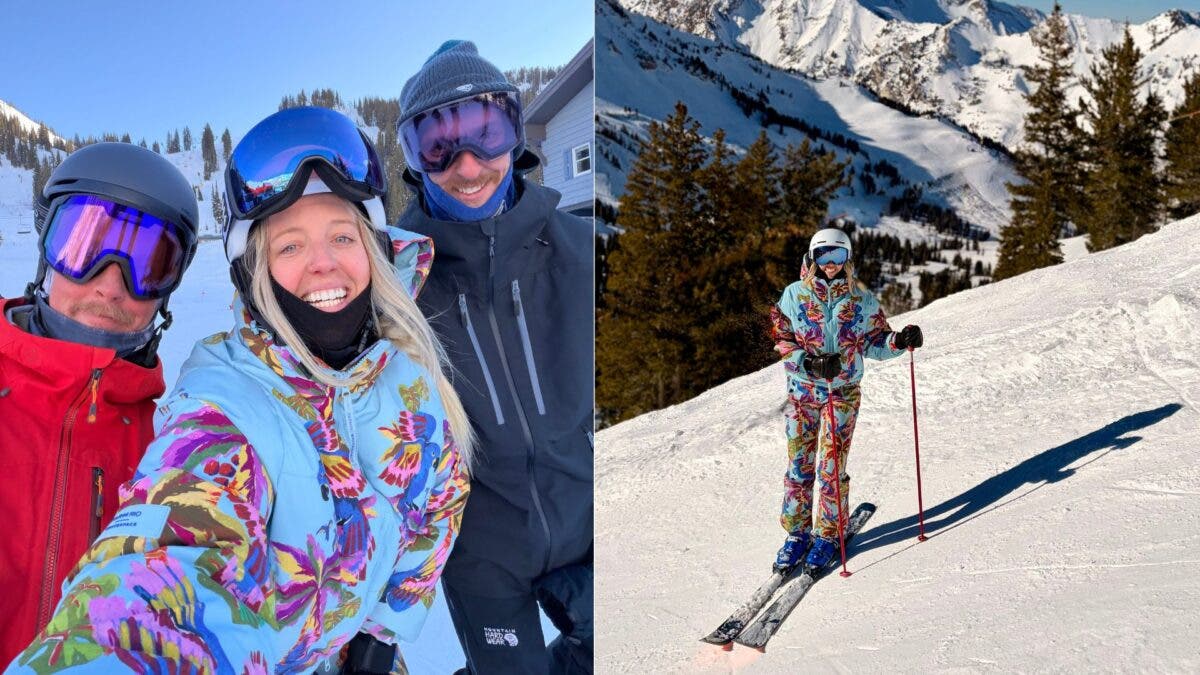
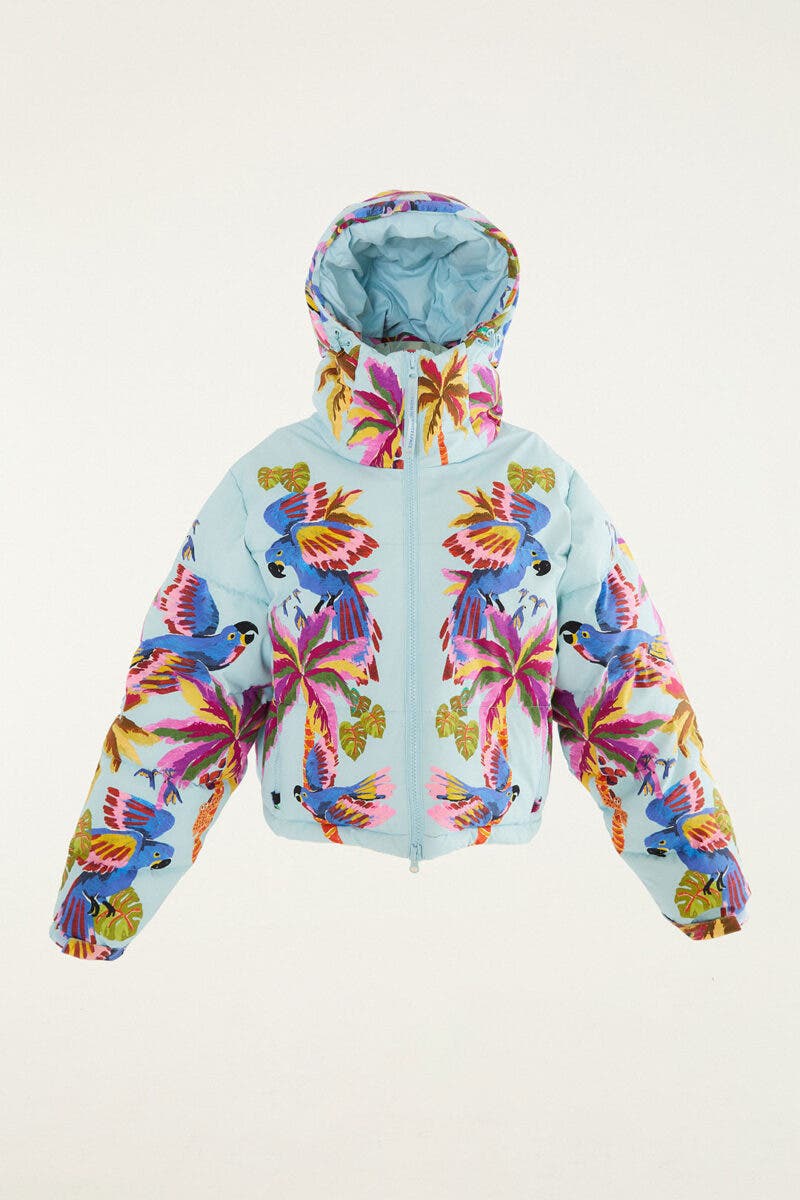
The practical application of this philosophy is best observed in the field. Testing the WHITESPACE x Farm Rio Blue Macaw hooded puffer jacket and suspenders ski pants offers a tangible understanding of this new direction. While such a kit might not be the primary choice for extreme backcountry expeditions requiring maximum breathability and abrasion resistance, it excels in scenarios like carving groomers on a bright, bluebird day—a common reality in many ski seasons, especially those with historically lower snowfall.
Performance and Presence: The Blue Macaw Kit in Action
The jacket performs as expected from high-quality ski apparel. Its insulated design provides ample warmth, its oversized fit ensures comfort, and features like a helmet-compatible hood and a soft chin guard enhance usability. The jacket’s warmth is notable, though the absence of pit-zips could be a minor point of friction for some. The suspenders ski pants are designed to be flattering without being restrictive, incorporating thoughtful details such as adjustable waistband tension hooks that effectively eliminate the common "waist gap" experienced by many women. The construction—a three-layer softshell bonded with brushed-back fleece, fully seam-sealed, and equipped with stretch ripstop boot gaiters—meets the rigorous expectations of serious performance apparel, ensuring durability and protection against the elements. The only minor functional adjustment noted by reviewers was the narrow wrist cuffs, which might require a lower-profile glove or over-the-cuff mitt for those accustomed to wearing mittens underneath jacket cuffs.
Challenging Perceptions: Confidence in Color
Beyond technical specifications, the psychological impact of wearing such a bold, visually striking kit is profound. The immediate joy evoked by the vibrant Blue Macaw print, coupled with its unapologetically visible presence on the mountain, represents a significant departure from traditional, subdued skiwear. This boldness, however, can initially trigger internalized biases, particularly the outdated assumption that women who opt for more fashion-forward or "cute" ski attire may lack advanced skiing ability. This self-consciousness, though fleeting, underscores a broader societal challenge within winter sports culture: the lingering expectation that performance and serious intent must be communicated through an austere aesthetic.
Yet, this initial internal friction quickly dissipates on the slopes. The distinctiveness of the kit undeniably garners attention, but this is not uncommon in ski culture, where gear-obsessed enthusiasts frequently inquire about equipment. The conversation shifts from initial curiosity about the bold design to a genuine appreciation for the fusion of style and functionality. The empowerment derived from wearing such expressive apparel is palpable. The pants, reminiscent of the Maria Bogner era, evoke a sense of freedom, athleticism, and confidence. As Laurie Miller, wife of legendary ski filmmaker Warren Miller, once remarked, "Skiing is about freedom… It’s healthy, thrilling, and sexy at the same time." This new wave of apparel helps reconnect skiers with that inherent romance, focusing on the joy and confidence that sometimes gets overshadowed by the performance-only narrative of modern ski culture.
The Future of Alpine Fashion: Inclusivity and Identity
The WHITESPACE x Farm Rio collaboration, and the broader trend it represents, signifies a crucial recalibration, particularly concerning women in winter sports. Jesse White highlighted this, stating, "We don’t see many people focusing on women. A lot of the time, it’s male-focused. For us, the female customer is equally, if not sometimes more, important than the male customer because [she has] been underserved for so long." This acknowledgment of the female market as a key driver for innovation points towards a more inclusive future for alpine fashion.
Katia Barros reinforced this from a design perspective: "Women are no longer satisfied with gear that is purely functional or visually neutral. They want performance and self-expression." This reflects a maturing consumer base that rejects compromise. The tropical prints, designed to "pop against white snow and blue sky," are a deliberate choice to ensure visibility and individuality, challenging the long-held preference for blending into the environment.
The cultural weight of these pieces lies not just in their technical prowess, but in their ability to evoke emotion and inspire self-expression. Had these items been released in neutral colorways, they would still be exemplary technical outerwear. However, the Farm Rio print transforms them into a statement—a playful, expressive, and subtly rebellious act in a landscape that has historically favored restraint.
This movement champions a profound message: skiing is not solely about performance metrics or technical prowess. Fundamentally, it is about the experience and how it makes individuals feel. And right now, that feeling on the slopes is increasingly loud, joyful, and impossible to overlook, signaling a vibrant new chapter for alpine style where personal identity takes center stage.
