
Published March 2, 2026 11:26 AM
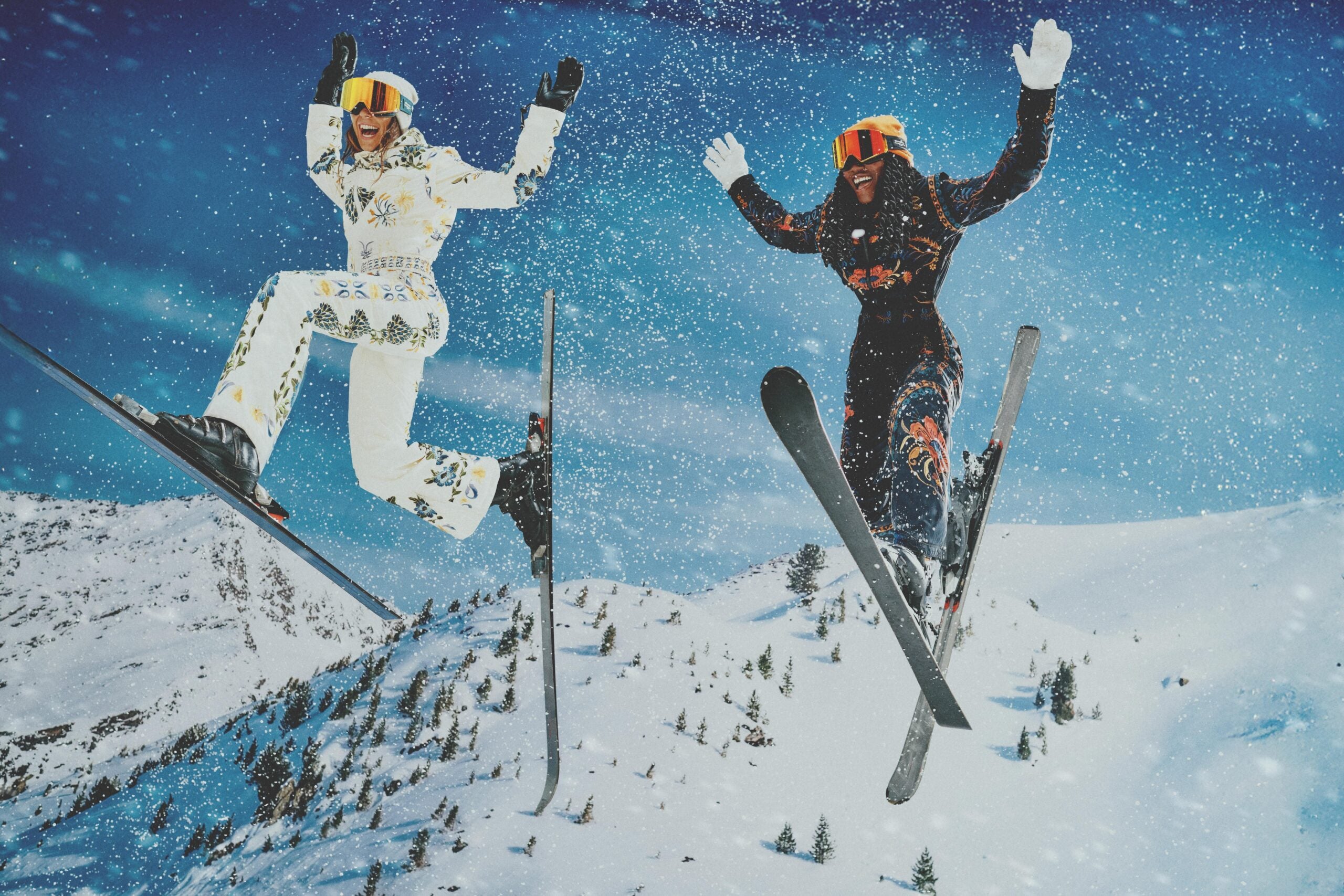
For years, the aesthetics of ski culture and its accompanying gear have been dictated by an unwritten code: gravitas equates to authenticity. This paradigm fostered a landscape of neutral color palettes, minimalist designs, and products engineered to blend seamlessly into the natural environment of rocks, trees, snowbanks, and lift lines. To be regarded with seriousness on the mountain often necessitated a subdued sartorial approach, prioritizing discretion over distinction. However, a significant cultural shift is now underway, signaling a vibrant callback to an earlier era when skiing – and ski fashion – was unapologetically bold, extravagant, and imbued with a sense of playful luxury.
This burgeoning trend marks a return to the roots of skiing as a powerful visual symbol of adventure, aspirational living, and sheer joy. Gone are the days when performance alone defined mountain apparel; a new equilibrium is being struck where technical prowess converges with expressive style. Nowhere is this evolution more evident than in the burgeoning market for women’s ski apparel, which is experiencing a renaissance of bolder, brighter, and more feminine designs.
A Historical Look at Ski Fashion’s Pendulum Swing
The trajectory of ski fashion has long mirrored broader societal trends, oscillating between periods of opulent glamour and utilitarian functionality. The mid-20th century, particularly the 1960s through the 1980s, was a golden age for flamboyant ski style. Visionaries like Maria Bogner, through her eponymous brand, popularized stretch ski pants that hugged the silhouette, transforming skiwear into a statement of athleticism, freedom, and undeniable chic. This era was characterized by vibrant colors, luxurious fur accents, elaborate après-ski scenes, and a general embrace of skiing as a glamorous pursuit. Iconic images of sun-tanned skiers in brightly hued ensembles adorned magazine covers, solidifying skiing’s image as an elite, yet exhilarating, lifestyle choice.
However, as the sport evolved and technology advanced, the focus gradually shifted towards pure performance. The late 1990s and early 2000s ushered in an era where technical specifications—waterproofing, breathability, insulation, durability—became paramount. Design aesthetics often receded into the background, giving way to gear that prioritized function over form. While this advancement significantly improved comfort and safety on the slopes, it inadvertently led to a homogenization of style, with many brands adopting similar muted tones and minimalist designs that, while practical, often lacked personality.
For women, this period also saw the rise of the much-maligned "shrink it and pink it" phenomenon. In an attempt to cater to female consumers, many brands simply adapted existing men’s designs by reducing sizes and applying stereotypical feminine colors. This approach was widely criticized for neglecting the specific performance needs and aesthetic desires of women, prioritizing a superficial idea of femininity over genuine functionality and style. As a result, many female skiers actively rebelled, demanding gear that offered both uncompromised performance and respectful design. The pendulum swung hard towards functionality, sometimes at the expense of the joy and style that once defined the sport’s visual identity.
The Dawn of a New Era: Performance Meets Personality
The current resurgence of expressive ski fashion is a direct response to this historical context. It acknowledges the lessons learned from the "shrink it and pink it" era, recognizing that women should not have to choose between high-performance gear and apparel that reflects their individual style. Brands like Halfdays, Wild Rye, and Seniq have been at the forefront of this movement, offering women’s ski apparel that integrates robust technical features with contemporary designs, varied color palettes, and flattering silhouettes. Even unexpected collaborations, such as The North Face’s partnership with SKIMS, signal a broader industry recognition of this shifting consumer demand for expressive yet functional attire.
This trend is not isolated to niche brands; it reflects a broader cultural re-entry of skiing into mainstream lifestyle conversations. Skiing is no longer merely a sport; it is an experience, a destination, and an integral component of luxury travel and aspirational living. Mainstream fashion publications, like Vogue, are now dedicating features to "How to Nail the Ultimate Après-Ski Look—Even if You Don’t Ski!", highlighting the pervasive influence of ski culture beyond the slopes. Similarly, collaborations between heritage brands and the U.S. Ski Team, such as the recent partnership with J. Crew, underscore the increasing intertwining of sport and high street fashion. This commercial and cultural repositioning creates fertile ground for innovations in ski apparel that bridge the gap between technical demands and aesthetic desires.
The WHITESPACE x Farm Rio Collaboration: A Paradigm Shift
At the vanguard of this new wave is the unexpected yet profoundly impactful collaboration between WHITESPACE, the performance-driven brand founded by Olympic snowboarding legend Shaun White, and Farm Rio, a female-founded Brazilian fashion brand celebrated for its vibrant, summery prints inspired by the "borogodó"—an effortless, charming Brazilian spirit. Launched this season, the WHITESPACE x Farm Rio collection embodies the very essence of this paradigm shift.
On the surface, the partnership appears counterintuitive. WHITESPACE is synonymous with precision, high-performance, and the rigorous demands of mountain sports. Farm Rio, conversely, hails from the warmth and exuberant color of Brazil, known for its tropical motifs and lively aesthetic. However, it is precisely this tension, this seeming polarity, that fuels the collaboration’s success. Katia Barros, founder and creative director of Farm Rio, articulates this synergy: "What drew me in was exactly that contrast. Farm Rio comes from warmth, color, and emotional connection, while WHITESPACE comes from precision, performance, and mountain culture. At first glance, they feel worlds apart, but that tension is what made the collaboration exciting."
This shared understanding led to a unifying philosophy: to create technical skiwear that empowers women to express their personality without compromising on performance. Jesse White, Chief Creative Officer at WHITESPACE, emphasizes the brand’s objective to "widen the cultural aperture around winter," reaching new audiences who might not typically associate themselves with traditional snow sports. The collaboration with Farm Rio is a deliberate step to inject an element of surprise and joy into winter apparel, appealing to a broader demographic. "It’s exciting to connect with a brand from Brazil that has no business being in the snow," White remarks. "That’s what makes it fun—bringing these worlds together. No one saw this coming."
Design Philosophy and Unwavering Performance Standards
The collection stands as a testament to authentic integration rather than superficial overlay. This is not fashion masquerading as technical gear, a pitfall that has plagued many fast-fashion attempts at winter wear, often with disastrous results when materials like cotton, unsuitable for snow, are used. Instead, the WHITESPACE x Farm Rio collection represents high-performance technical apparel that resolutely refuses to be emotionally or visually bland.
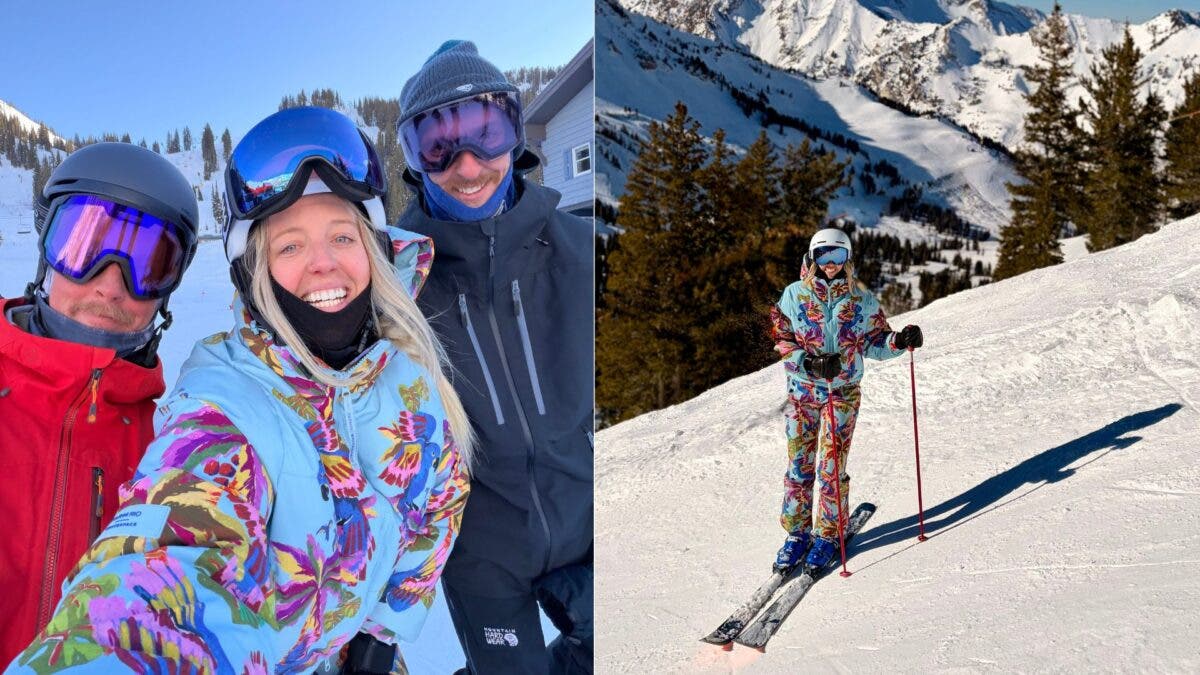
For Farm Rio, the creative challenge was to translate its signature vibrant aesthetic to an alpine environment without diluting its identity. Barros explains, "When you ski or snowboard, you’re moving through vast, often monochromatic landscapes. Instead of adapting Farm Rio to the mountain in a minimal way, we fully embraced the idea that ski style can be expressive, joyful, and bold." The result is a collection featuring brightly colored tropical flora and fauna prints designed to vividly contrast against white snow and blue skies, creating an immediate and undeniable visual impact.
Crucially, WHITESPACE maintained its stringent performance standards throughout the design process. Jesse White underscores the brand’s non-negotiables: "Some pieces didn’t make it because they couldn’t meet our standards for waterproofing, breathability, or performance. If the product shows up on snow, it has to earn its place there." This commitment ensures that while the aesthetics are groundbreaking, the functionality remains uncompromised, offering skiers and snowboarders genuine protection and comfort in real-world mountain conditions.
Spotlight on the Blue Macaw Collection
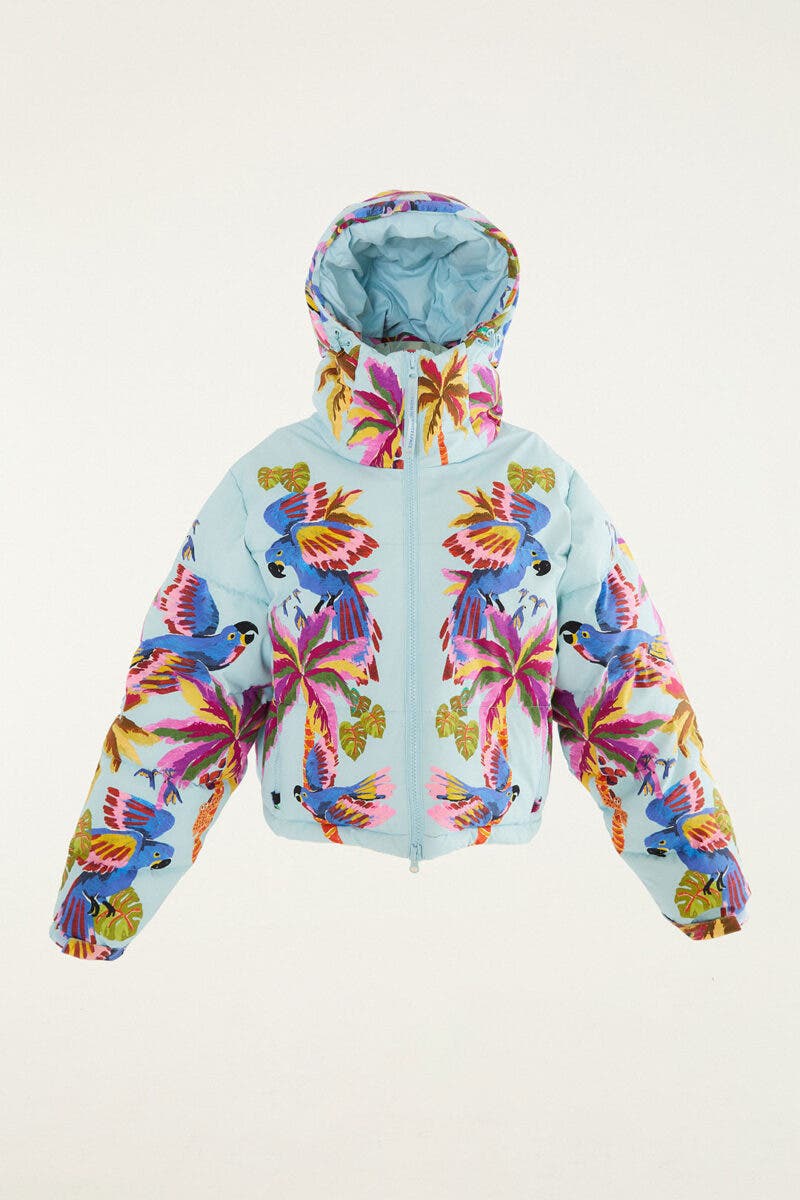
The flagship pieces of the collection, such as the Blue Macaw Hooded Puffer Ski Jacket and the Blue Macaw Suspenders Ski Pants, exemplify this fusion. The jacket, priced at $539, is insulated, oversized, and comfortable, featuring a helmet-compatible hood and a soft chin guard. While exceptionally warm, an observation from initial testing noted the absence of pit-zips, which could be a consideration for high-exertion activities.
The suspenders ski pants, retailing at $599, are thoughtfully designed for women. They offer a flattering fit without restriction, incorporating adjustable waistband tension hooks to eliminate the common "waist gap." Constructed with a three-layer softshell bonded with brushed-back fleece, fully seam-sealed, and featuring stretch ripstop boot gaiters, these pants meet the rigorous performance expectations of serious technical apparel. A minor point of friction noted during trials was the narrow wrist cuffs, which may necessitate a lower-profile glove or an over-the-cuff mitt for those accustomed to wearing mittens under their jacket cuffs.
The Impact on the Underserved Female Market
A significant implication of this collaboration, and the broader trend it represents, is the long-overdue focus on the female customer in the snow sports industry. Jesse White highlights this often-neglected demographic: "We don’t see many people focusing on women. A lot of the time, it’s male-focused. For us, the female customer is equally, if not sometimes more, important than the male customer because she has been underserved for so long."
Katia Barros echoes this sentiment, observing that "Women are no longer satisfied with gear that is purely functional or visually neutral. They want performance and self-expression." This dual demand has created a fertile ground for innovation, pushing brands to move beyond outdated notions of design and embrace a more holistic approach that values both technical excellence and personal identity. Industry analysts suggest that this trend could prompt a significant re-evaluation of design strategies across the entire winter sports apparel sector, potentially leading to more diverse and inclusive offerings for all consumers.
Broader Implications and the Future of Skiing
The WHITESPACE x Farm Rio collaboration arrives at a moment when the ski industry is experiencing renewed growth and diversification. Reports from leading industry analytics firms, such as SnowSport Insights, indicate a consistent increase in ski resort visitation and apparel sales, particularly within the luxury and experiential travel segments over the past five years. This growth is partly fueled by social media platforms, where visually striking gear and curated après-ski aesthetics resonate strongly with a global audience, amplifying fashion trends and broadening the appeal of winter sports.
The collection’s bold aesthetic has demonstrably captured attention, eliciting numerous comments and conversations on the slopes—a familiar phenomenon in a culture inherently "gear-obsessed." This attention, however, quickly transcends superficiality, transforming into genuine engagement about the functionality and comfort of the apparel. Initial self-consciousness, such as the outdated assumption that "cute" skiwear might imply lesser skill, is quickly dispelled by the kit’s robust performance. The joy and confidence derived from wearing such expressive gear become paramount, reconnecting skiers with the inherent romance and freedom of the sport. As Laurie Miller, wife of legendary ski filmmaker Warren Miller, once eloquently stated, "Skiing is about freedom… It’s healthy, thrilling, and sexy at the same time." This collaboration powerfully rekindles that spirit, empowering women to embrace both capability and individuality.
Ultimately, the WHITESPACE x Farm Rio collection, and the broader trend it spearheads, makes a profound statement about the evolving identity of skiing. It champions the idea that performance and prowess need not come at the expense of personal expression. The vibrant prints, while adding significant cultural weight, transform what would already be excellent technical outerwear into something playful, rebellious, and deeply joyful. This is more than just a fashion trend; it’s a cultural recalibration, challenging the long-held dogma of restraint and seriousness on the mountain. In a landscape that has often favored blending in, this new wave of ski fashion insists on standing out, making a loud, joyful, and impossible-to-ignore declaration that skiing is, at its heart, about how it makes you feel.
