
The physical demands of high-performance alpine skiing often mirror the fundamental laws of classical mechanics, where the immense force required to navigate technical terrain results in an equal and taxing reaction upon the human frame. For many dedicated athletes, the exhilaration of high-altitude "powder days" is frequently followed by a long-term physiological debt. While the cultural narrative of mountain towns often focuses on the social and economic trade-offs of the skiing lifestyle—such as delayed professional advancement or the depletion of retirement savings—the most pervasive and debilitating "reaction" is often the onset of chronic musculoskeletal pain. Recent case studies and expert analyses suggest that traditional recovery methods, such as yoga and static stretching, may be insufficient to address the underlying muscle imbalances inherent in the sport. Instead, a growing body of evidence points toward structured resistance training as the primary catalyst for physical rehabilitation and the extension of an athlete’s competitive lifespan.
The Physiological Toll of High-Frequency Skiing
For individuals who have accumulated significant time on the slopes—quantified in some instances as over 1,000 days of active skiing—the cumulative impact on the joints and spine is substantial. The biomechanics of skiing require the lower back to act as a stabilization hub for a heavy upper body that is constantly in motion. When the musculoskeletal system is not properly conditioned to handle these G-forces and eccentric loads, the body begins to compensate through improper movement patterns.
In a documented case involving a 33-year-old male skier with a decade of experience, the long-term consequences of this physical tax included a fractured and dislocated elbow, chronic hip soreness during rhythmic movements like cycling, and persistent lower back pain. Despite a decade of "management" through low-impact activities—including yoga, foam rolling, vegetarianism, and core-focused exercises like planks—the subject experienced a total physical breakdown at age 32. This culminated in severe lower back spasms, a condition where fatigued muscles contract involuntarily to prevent further structural damage. The severity of these episodes resulted in total immobilization, underscoring the limitations of passive recovery methods in the face of deep-seated muscle imbalances.
Evolution and the Biomechanical Mismatch
The disconnect between human evolution and the demands of modern sports is a primary factor in athletic injury. Franco Morris, Head of Program Delivery at a specialized training facility in Sydney, Australia, notes that the human body is not naturally evolved for the specific stresses of skiing, skateboarding, or even the sedentary nature of office work. "It’s genetics," Morris states, highlighting that the average human frame is often ill-equipped to handle the rotational forces and impact of alpine sports without deliberate intervention.
The problem is exacerbated for athletes with specific morphological traits, such as broad shoulders paired with a narrow waist and limited natural flexibility. In such cases, the upper body acts as a heavy apparatus that the lower back must stabilize without sufficient support from the gluteal muscles. As athletes age, muscle tissue becomes less malleable and responsive, increasing the risk of tears and chronic inflammation. This "biological law" typically begins to manifest in the early thirties, leading many to believe their skiing careers are nearing an end.
The Transition to Resistance Training: A Chronology of Recovery
The shift from chronic pain to functional mobility often requires a radical departure from traditional "flexibility-first" mindsets. For the aforementioned 33-year-old subject, the introduction of a structured weight training regimen marked the first period of pain-free existence in over ten years. The transition involved a move away from "glamour muscle" training—which focuses on the chest and biceps—toward a comprehensive strengthening of the posterior chain.
Timeline of Intervention:
- Years 1–10: Accumulation of 1,000 ski days; development of chronic lower back and joint pain; reliance on stretching and yoga.
- Age 32: Acute physical crisis; multiple debilitating back spasms resulting in loss of work and mobility.
- Month 0 (Intervention): Commencement of a supervised, group-based weight training program focusing on compound movements.
- Month 6: Notable reduction in daily inflammation; increased hip and knee stability.
- Month 12: Achievement of "pain-free" days; significant increase in bone density and muscular cushioning; return to high-level skiing with improved endurance.
Essential Movements for the Alpine Posterior Chain
Expert trainers emphasize that for skiers, the "posterior chain"—the group of muscles including the hamstrings, glutes, and lower back—is the most critical area for injury prevention. The following movements have been identified as essential for correcting the imbalances caused by both skiing and sedentary professional life:
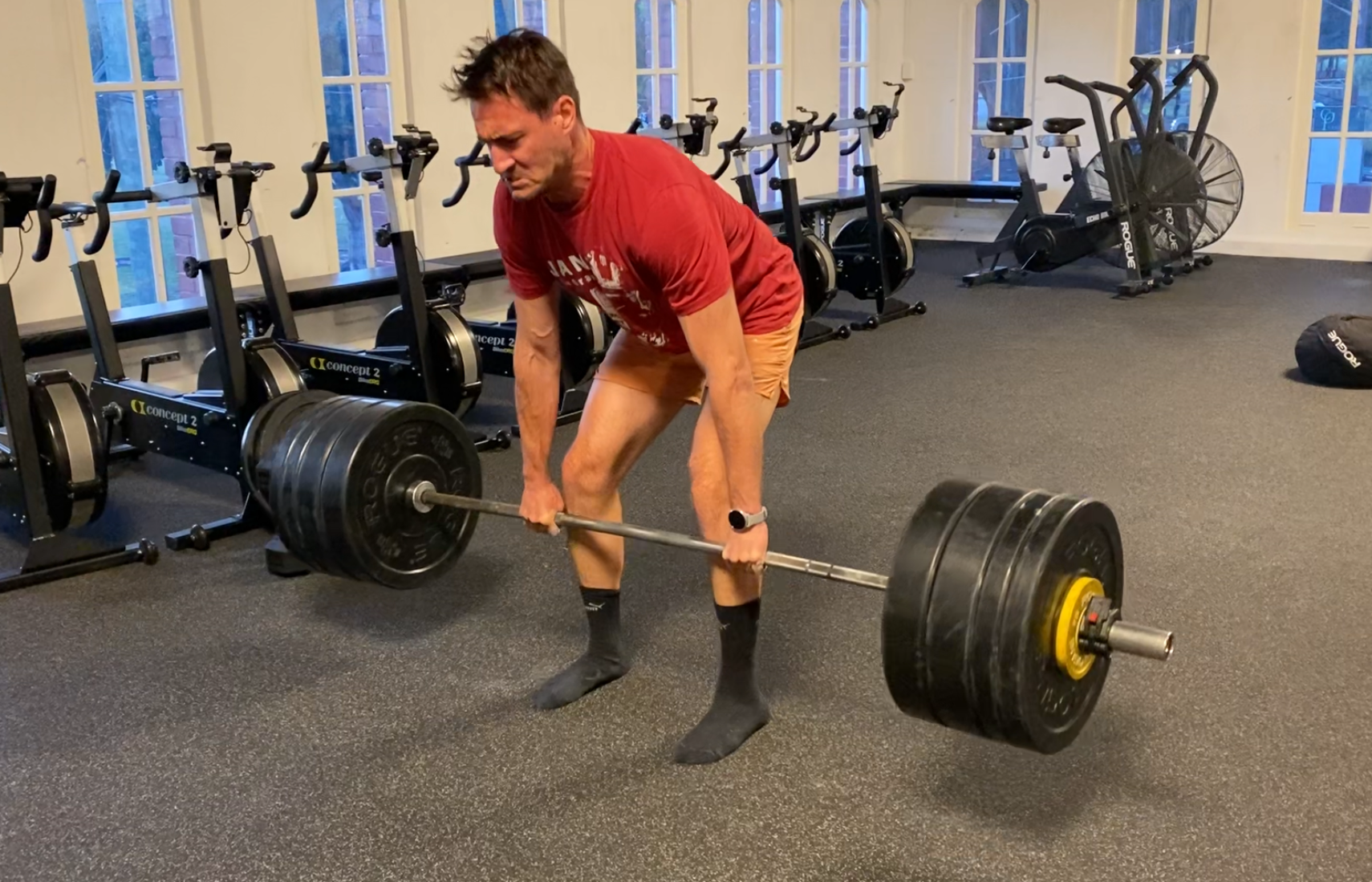
- The Deadlift: By lifting a barbell from the ground to hip level with a neutral spine, the athlete directly engages the entire posterior chain, teaching the body to lift and stabilize using the hips rather than the lumbar spine.
- Kettlebell Swings: This explosive movement utilizes a hip hinge to drive weight forward, forcing the glutes to take over the workload that is often unfairly shifted to the lower back during skiing.
- Barbell Hip Thrusts: Specifically designed for glute isolation, this movement builds the "gluteal sidekick" necessary to support the lower back during high-impact turns.
- Barbell Step-Ups: This exercise mimics the unilateral nature of skiing, where weight is often shifted from one leg to the other, building stability in the knee and hip joints.
Data-Driven Analysis of Resistance Training Benefits
The benefits of weight training for skiers extend beyond mere muscle growth. Clinical data suggests that resistance training is a primary driver of bone mineral density (BMD) increases. For skiers, higher bone density provides a literal "internal armor" against fractures during falls. Furthermore, hypertrophy (muscle growth) in the tissues surrounding the joints provides a "cushioning effect" that absorbs the vibrations and shocks of hard-packed snow or icy conditions.
Statistics from sports medicine research indicate that athletes who engage in at least two sessions of resistance training per week reduce their risk of overuse injuries by approximately 50%. In contrast, stretching alone has shown little to no correlation with a reduction in injury rates. For the alpine athlete, the focus is typically on volume and repetitions (e.g., 10 repetitions at 60% of maximum weight) rather than maximal strength. This approach builds muscular endurance, which is vital for long descents, without adding excessive mass that could hinder agility in technical terrain.
Professional Guidance and Implementation
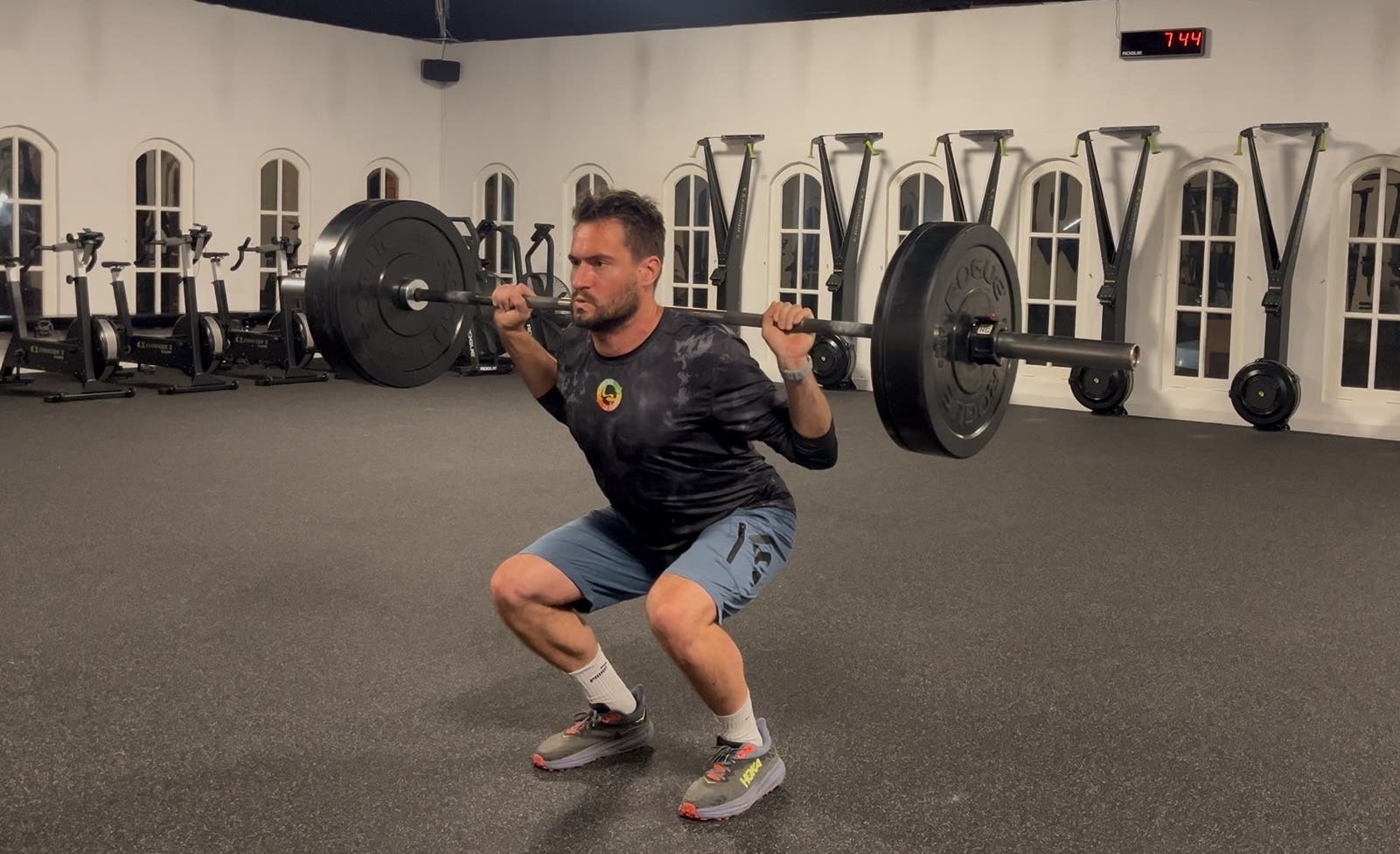
One of the most significant barriers to entry for weight training is the risk of improper form. Professional trainers, such as Franco Morris, argue that the "how" of lifting is more important than the "how much." Supervised training ensures that athletes do not exacerbate existing injuries through poor technique. Group training environments have emerged as a cost-effective solution, allowing athletes to access professional coaching and structured programming without the high cost of one-on-one personal training.
The psychological aspect of training is also a factor. The "mental fortitude" required to complete a challenging weight session translates directly to the mountains, providing the athlete with the grit necessary to navigate difficult conditions. Trainers advocate for a "low and slow" approach, where control is prioritized over speed, ensuring that the gains made in the gym are functional and transferable to the slopes.
Broader Implications for the Skiing Industry
The shift toward year-round physical conditioning has broader implications for the skiing industry and mountain communities. As skiers extend their active years into their 50s, 60s, and 70s through better physical preparation, the demographic of the sport is shifting. This longevity has economic benefits for resort towns, as experienced skiers continue to participate in the sport and invest in equipment and travel.
Furthermore, the medical community is increasingly viewing resistance training as a "miracle cure" for the chronic ailments associated with aging in high-impact sports. By addressing muscle imbalances and promoting bone health, athletes can counter the effects of aging for decades. As Franco Morris concludes, "The sky’s the limit; most people have so much room for improvement that they can counter the effects of aging for a long time."
For the modern skier, the message is clear: the path to "living forever" on the mountain is not found in more rest or more stretching, but in the disciplined application of weight training. While the process may be "frequently torturous" compared to the joy of a powder day, the result is a body capable of sustaining the action—and surviving the reaction—of a life lived on the edge of a mountain.
