
The physical toll of high-performance skiing often mirrors the fundamental principles of Newtonian physics, where the exhilaration of high-velocity descents eventually encounters an equal and opposite reaction in the form of physiological strain. For many dedicated athletes, the long-term consequences of a life spent on the slopes include chronic joint pain, muscular imbalances, and debilitating spinal issues. However, recent reports and expert testimonies suggest that a structured transition toward resistance training can serve as a critical intervention, effectively reversing years of accumulated damage and extending the career of the mountain athlete.
While the "ski bum" lifestyle has traditionally prioritized time on the snow over time in the gym, a growing body of evidence indicates that supplementary weight training is not merely an optional enhancement but a physiological necessity for those over the age of 30. This shift in perspective comes as many skiers, including those as young as their early 30s, report a significant reduction in chronic pain and an increase in functional mobility after incorporating weightlifting into their weekly routines.
The Physiological Cost of the Alpine Lifestyle
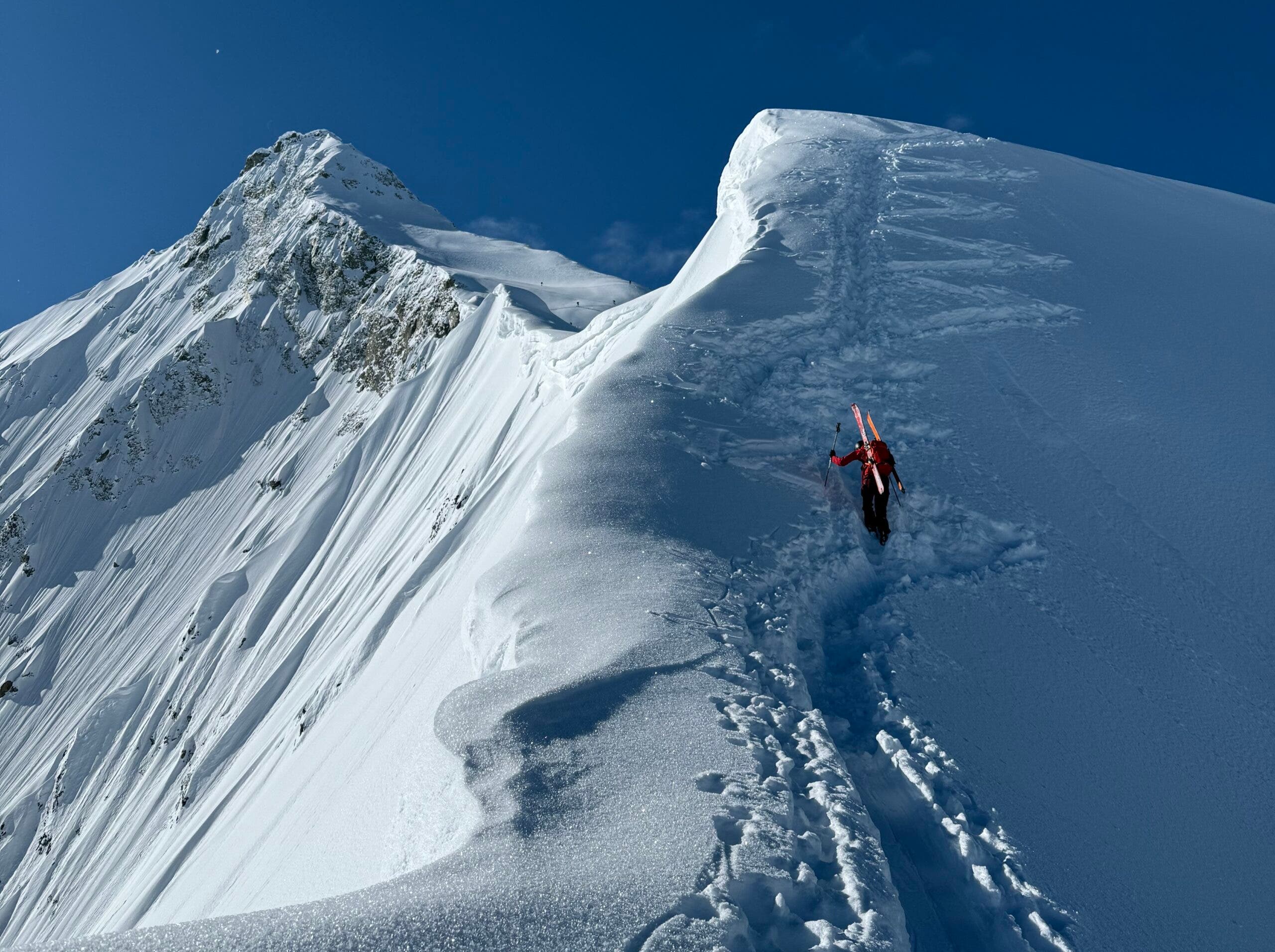
Skiing is an inherently asymmetrical and high-impact sport that places extraordinary demands on the human frame. The biomechanics of a standard turn involve intense eccentric loading on the quadriceps, significant lateral force on the knee joints, and a constant requirement for the core to stabilize the upper body against varying terrain. Over time, this leads to what sports kinesiologists describe as "overuse syndromes."
In a documented case study of a 33-year-old skier with over 1,000 days of experience on the mountain, the cumulative impact resulted in a decade of chronic lower back pain. This individual’s history included a fractured and dislocated elbow from eight years prior, coupled with persistent hip soreness and knee inflammation. By age 32, the subject experienced acute lower back spasms so severe they resulted in temporary immobilization. This trajectory is common in the ski community, where the "reaction" to years of powder-day euphoria manifests as a loss of professional work capacity and a decline in general quality of life.
Expert analysis suggests that these ailments are rarely the result of a single event but are instead the product of muscle imbalances. Franco Morris, Head of Program Delivery at a prominent athletic facility in Sydney, Australia, notes that human evolution has not kept pace with the demands of modern extreme sports. According to Morris, the average human is not naturally evolved for the repetitive, high-impact stresses of skiing, skateboarding, or even the prolonged sedentary behavior of desk-bound professional life. When these two worlds—sedentary work and high-impact sport—collide, the body’s structural integrity is often the first casualty.
A Chronology of Decline and Recovery
The progression from peak performance to chronic injury often follows a predictable timeline. For many athletes, the late 20s and early 30s represent a critical juncture where "Father Time" begins to enforce biological limits.
- The Foundation Phase (Ages 18–25): High malleability and rapid recovery times allow for high-frequency skiing with minimal cross-training. Injuries are often treated as isolated incidents rather than symptoms of structural weakness.
- The Accumulation Phase (Ages 26–30): Minor aches become "daily rhythms." Athletes often attempt to manage pain through "soft" interventions such as yoga, stretching, foam rolling, and dietary changes (e.g., vegetarianism or leaning out). While these methods assist in symptom management, they often fail to address underlying muscular deficiencies.
- The Crisis Point (Ages 31–33): The body’s compensatory mechanisms fail. In the case of the 33-year-old subject, this manifested as a total lower back collapse. Muscle fatigue reaches a threshold where the body initiates involuntary contractions (spasms) to prevent catastrophic spinal injury.
- The Intervention Phase: The introduction of a structured resistance program. Within 12 months of consistent weight training, subjects have reported "miracle cure" results, including days with zero pain—a state previously thought impossible after a decade of chronic suffering.
Supporting Data: Why Weight Training Works
The efficacy of weight training for skiers is supported by several key physiological metrics. Resistance training addresses the two primary threats to athletic longevity: sarcopenia (muscle loss) and decreased bone density.

Bone Density and Injury Prevention
According to sports medicine research, resistance training is the most effective way to stimulate osteoblast activity, the process by which bone tissue is created. For skiers, increased bone density provides a literal "cushion" against the high-impact fractures common in falls. Morris emphasizes that building muscle around the skeletal structure provides a protective layer of tissue that absorbs kinetic energy that would otherwise be transferred directly to the joints.
Correcting the Posterior Chain
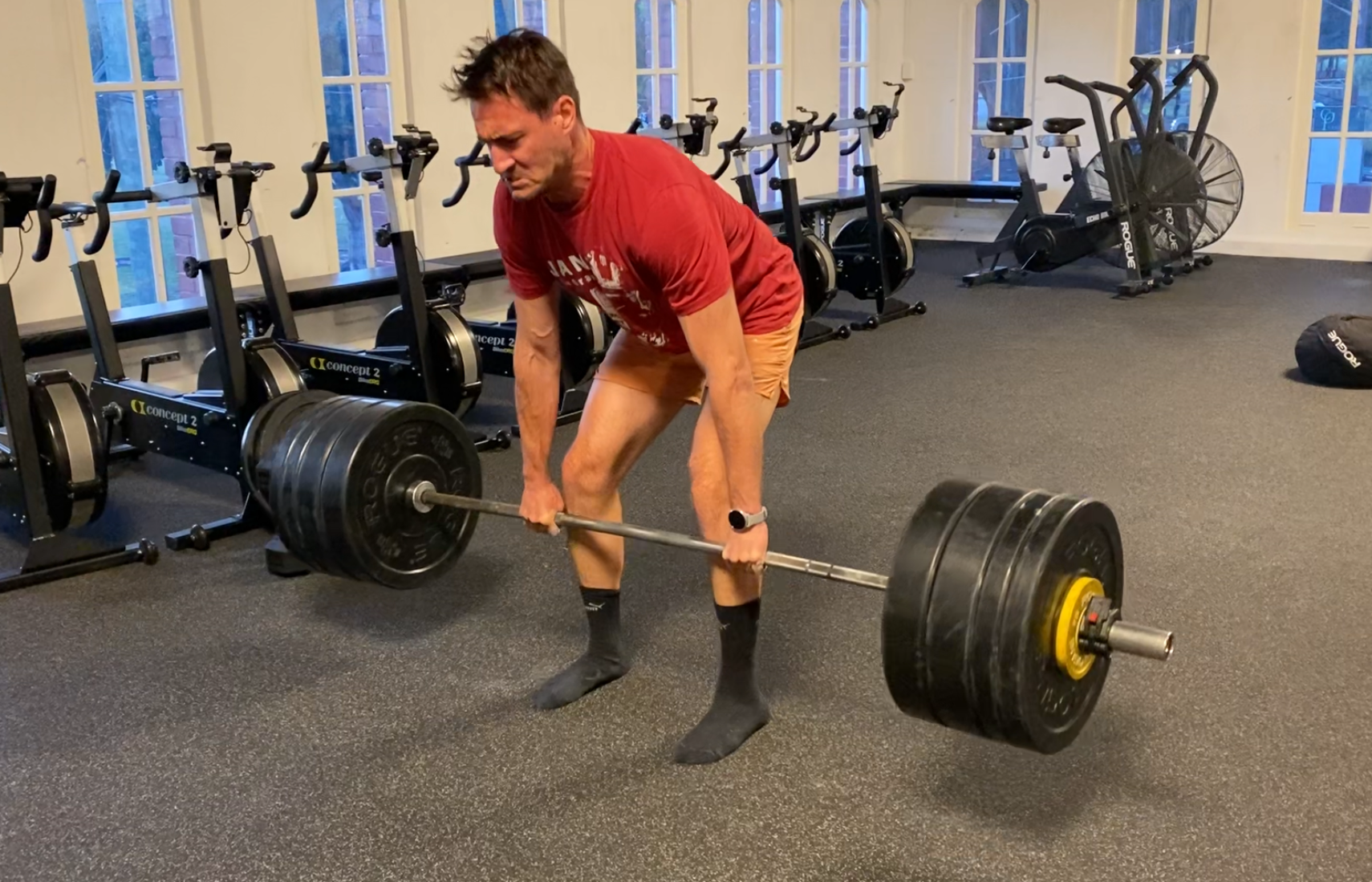
A primary cause of lower back pain in skiers is a weak "posterior chain"—the group of muscles including the hamstrings, glutes, and erector spinae. In many athletes, the quadriceps become "over-dominant" due to the mechanics of skiing, while the glutes remain underactive. This imbalance forces the lower back to take on the stabilization work that should be handled by the larger gluteal muscles. Weight training, specifically through movements like the deadlift and the kettlebell swing, re-engages these dormant muscle groups.
Endurance vs. Hypertrophy
Data suggests that for alpine athletes, the focus should remain on volume and repetition rather than maximum weight (hypertrophy). High-repetition sets (e.g., 10–12 reps at 60% of max) build the muscular endurance required for long descents while minimizing the risk of adding "dead weight" in the form of excessive upper-body mass, which can further strain the lower back.
Strategic Recommendations for Mountain Athletes
Based on expert testimony and successful recovery protocols, a specific hierarchy of movements has been identified as most beneficial for those seeking to mitigate ski-related pain:
The Essential Movements
- The Deadlift: Regarded as the "gold standard" for posterior chain engagement. Lifting a barbell from the floor to hip level with a neutral spine directly strengthens the lower back and hamstrings.
- Kettlebell Swings: These provide explosive power and hinge-pattern training, teaching the body to use the glutes rather than the lower back for force production.
- Barbell Hip Thrusts: These isolate the gluteus maximus, providing the stabilization necessary to support the spine during high-speed turns.
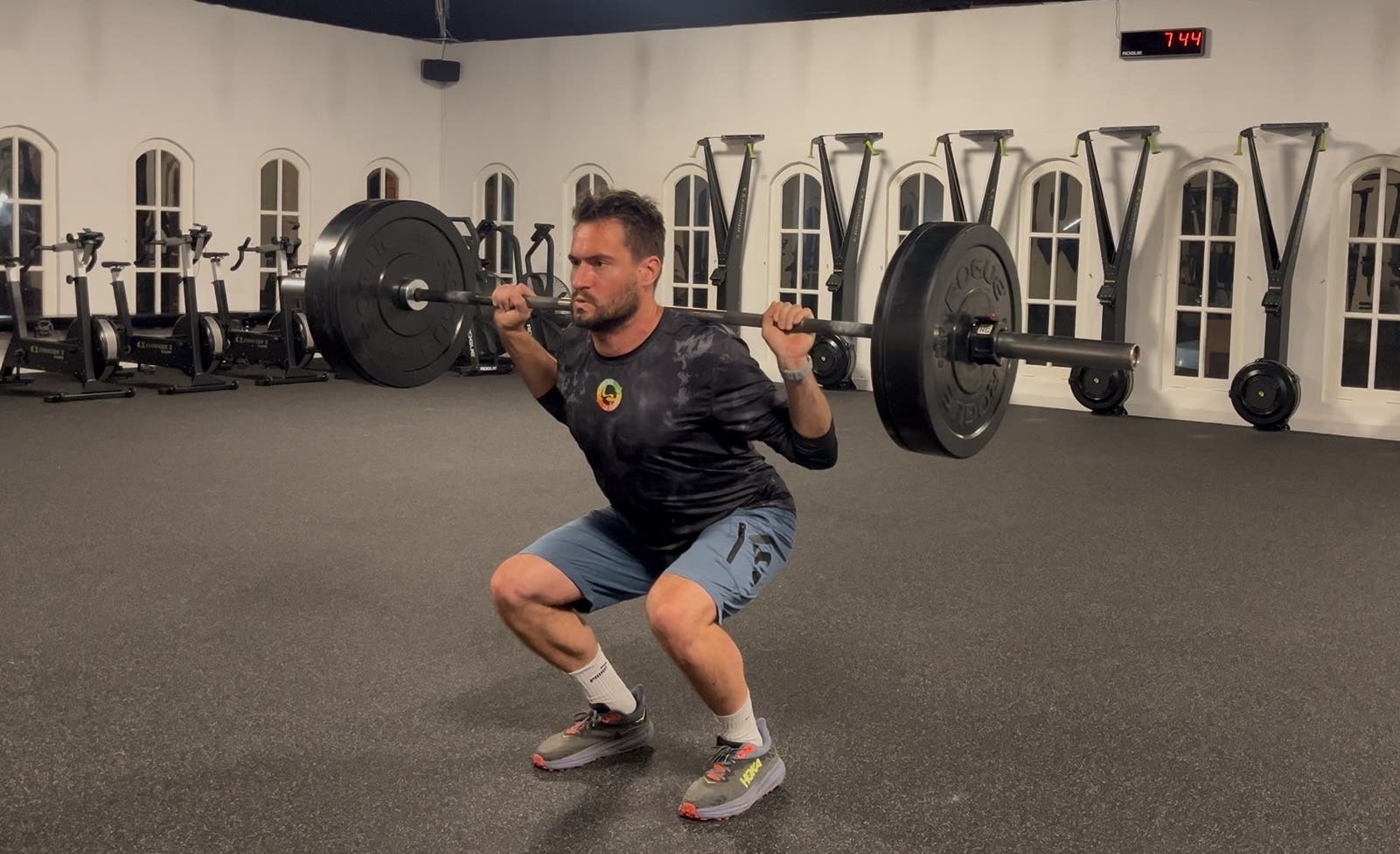
- Step-Ups: Mimicking the unilateral nature of skiing, weighted step-ups build balance and single-leg strength, protecting the knee ligaments (ACL/MCL) from torsional strain.
Procedural Guidelines
Experts suggest that "control is everything" in the weight room. Moving under tension—using slow, deliberate eccentric and concentric phases—is more effective for building functional strength than moving heavy weights with momentum. Furthermore, athletes are advised to avoid "glamour muscles" (biceps and chest) in excess, as added upper-body mass can shift the center of gravity and increase the torque on the lower spine during skiing maneuvers.
Broader Implications and Official Responses
The shift toward resistance training has significant implications for the winter sports industry and public health in mountain regions. Chronic pain is a leading cause of early retirement from the sport, which in turn impacts the economies of ski towns that rely on a dedicated, aging demographic of season-pass holders.
Physical therapists and orthopedic surgeons have begun to echo the sentiment that "pre-habilitation" is superior to rehabilitation. A spokesperson for the U.S. Ski Team’s medical staff recently noted that the most successful veteran athletes are those who treat the off-season as a period of intense structural fortification rather than just rest.
Furthermore, the psychological impact of chronic pain cannot be overstated. The transition from being unable to "crawl to the toilet" due to back spasms to feeling "18 years old" again provides a mental health boost that fosters long-term engagement with the sport. As Morris concluded in his analysis, "The sky is the limit; most people have so much room for improvement that they can counter the effects of aging for a long time."
Conclusion
The integration of weight training into the lifestyle of the modern skier represents a necessary evolution in sports science. By addressing the "equal and opposite reactions" of the alpine environment through calculated resistance, athletes can overcome the limitations of their own biology. While the process is often described as "torturous" and "extraordinarily challenging" in the short term, the long-term data confirms that the trade-off—replacing chronic, debilitating pain with fleeting muscular soreness—is the only viable path to decades of continued performance in the mountains. As the industry moves toward 2026 and beyond, the weight room is likely to become as central to the skiing experience as the mountain itself.
