
The application of classical physics to human physiology suggests that every high-impact athletic endeavor generates a reciprocal physical toll. In the context of alpine skiing, the exhilaration of high-velocity movement and the mastery of steep terrain often mask the cumulative micro-trauma inflicted on the musculoskeletal system. For many long-term enthusiasts, the "equal and opposite reaction" to years of mountain sports manifests as chronic pain, structural imbalances, and a premature decline in functional mobility. However, emerging evidence and practitioner testimonials indicate that a shift from traditional flexibility-focused recovery to structured resistance training can effectively reverse these degenerative trends, even in individuals who have suffered a decade of debilitating discomfort.
The Physiological Cost of High-Intensity Skiing
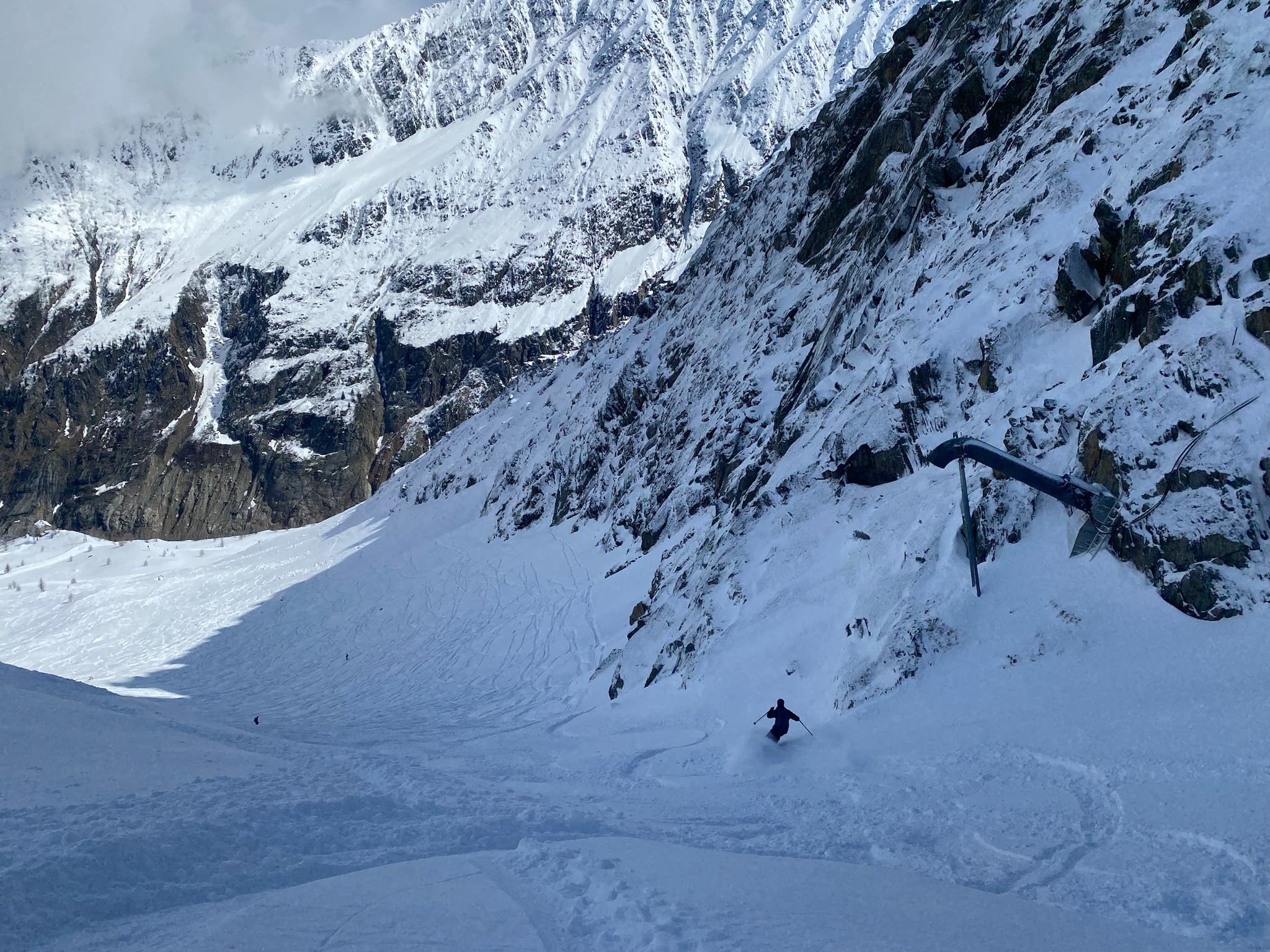
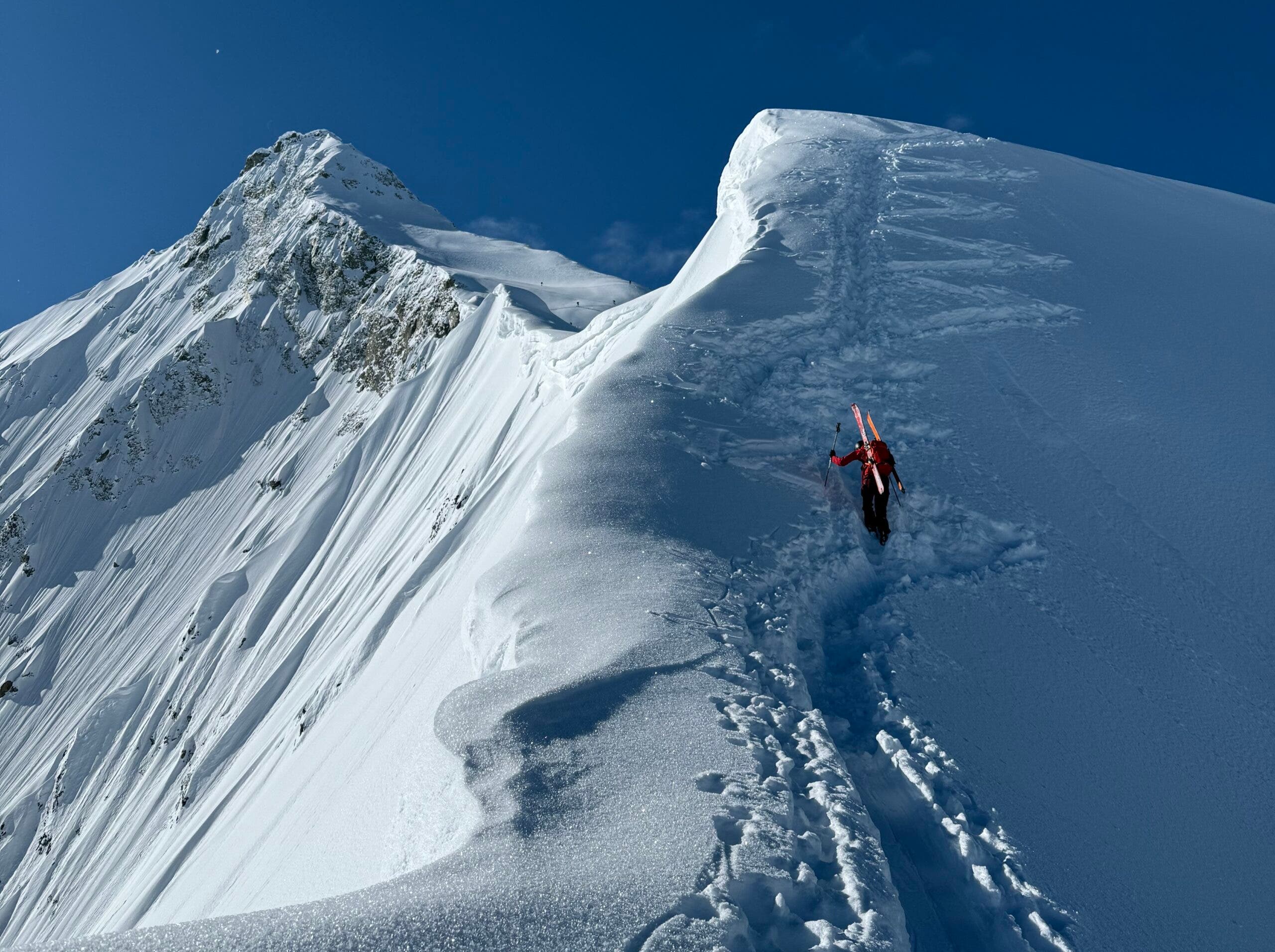
Alpine skiing is a sport characterized by high eccentric loading, significant G-forces during carved turns, and constant isometric tension in the core and lower extremities. While the cardiovascular benefits are well-documented, the structural demands are immense. For an athlete who has accumulated 1,000 days on the slopes, the skeletal system has endured millions of repetitive impacts. Without a corresponding muscular framework to absorb these forces, the burden shifts to the joints, ligaments, and the vertebral column.
The case of a 33-year-old male skier serves as a primary example of this physiological debt. After ten years of daily lower back pain, hip soreness during rhythmic movements, and chronic elbow dysfunction following a fracture and dislocation, the individual reached a point of functional failure. Despite a lifestyle that included yoga, stretching, foam rolling, and dietary adjustments, the underlying issues—muscle imbalances and a weakened posterior chain—remained unaddressed. This trajectory is common among "weekend warriors" and dedicated mountain locals alike, where the focus remains on "managing" pain rather than correcting the mechanical deficiencies causing it.
A Chronology of Injury and the Failure of Traditional Recovery
The progression of chronic sports-related pain often follows a predictable timeline. In the subject’s case, the initial decade of high-volume skiing (approximately 100 days per year) created a facade of fitness. However, the absence of a structured strength regimen meant that the body was relying on compensatory movements.
By age 32, the subject’s condition transitioned from "dull aching stiffness" to acute "lower back spasms." In clinical terms, a spasm is a protective mechanism where muscles contract involuntarily to prevent further injury to a fatigued or compromised area. For the subject, this resulted in two separate week-long episodes of total immobility, where basic tasks such as walking or even sneezing caused agonizing pain. This level of dysfunction often marks the end of an athletic career if not met with a radical change in physical conditioning.
The failure of the subject’s initial recovery efforts—yoga and core "toning" exercises like planks and sit-ups—highlights a common misconception in sports medicine: that flexibility and "lean" muscle are sufficient for high-impact protection. While these activities assist with range of motion, they often fail to provide the explosive stability and bone-density support required to counter the forces of alpine skiing.
Biomechanical Analysis: The Impact of Sedentary Life on Athletes
A significant factor contributing to modern athletic injury is the "sedentary-active" paradox. Many skiers spend their work weeks at desks before subjecting their bodies to extreme stress on the weekends. Franco Morris, Head of Program Delivery at a Sydney-based training facility, identifies this as a primary driver of muscle imbalance.
"Human evolution has not kept pace with our current lifestyle, whether that involves hours of sitting or the specialized demands of skiing," Morris notes. For tall, broad-shouldered athletes with relatively narrow hips, the upper body acts as a heavy pendulum. Without a powerful gluteal and hamstring complex to stabilize the pelvis, the lower back (the lumbar spine) is forced to bear the brunt of every turn and landing. This "gluteal amnesia," often exacerbated by years of desk work, leaves the posterior chain unresponsive and the spine vulnerable.
The Shift to Resistance Training: A Clinical Overview
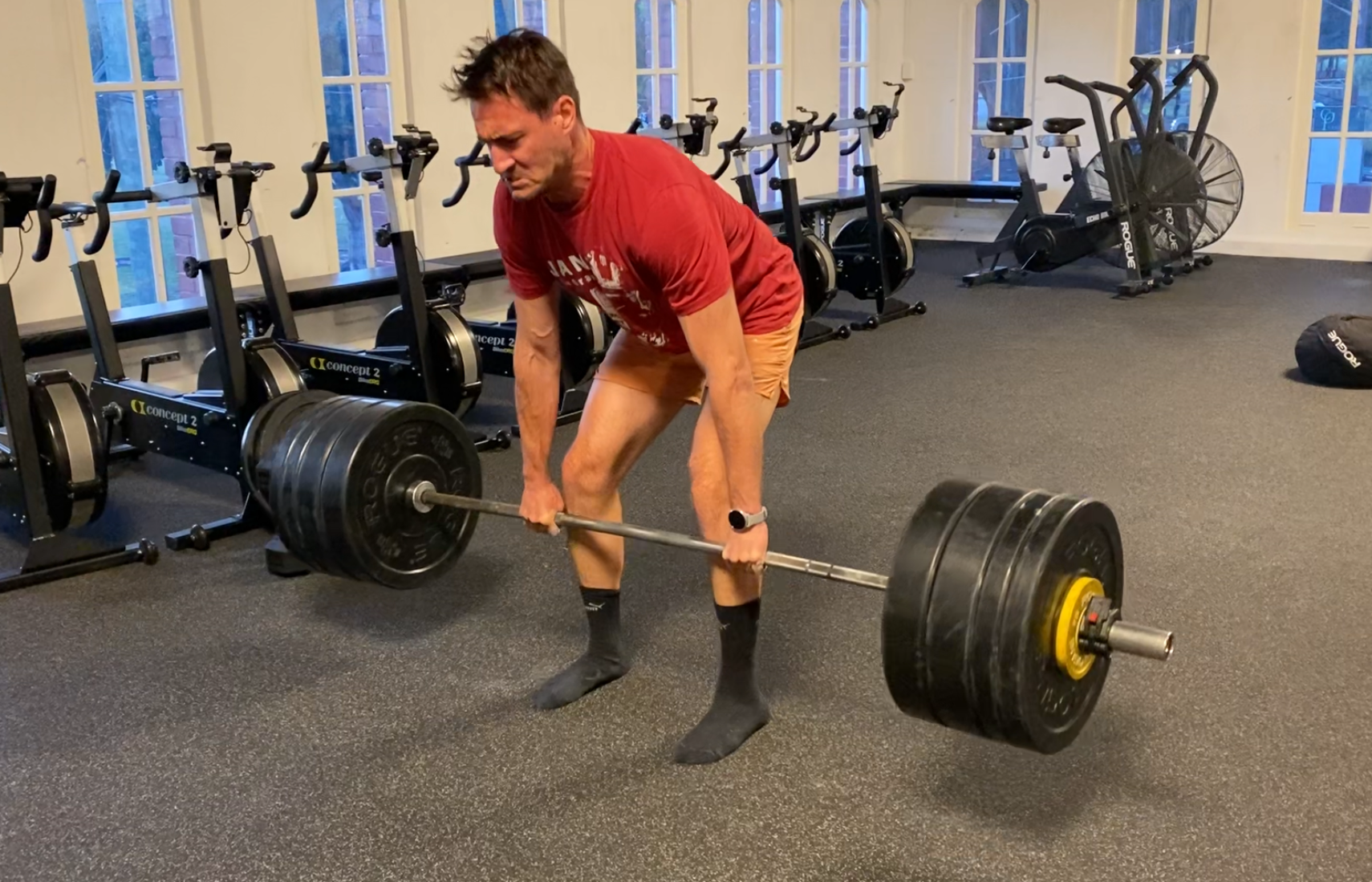
One year ago, the subject pivoted to a consistent weight-training rhythm. The results were transformative: for the first time in a decade, the subject reported entire days with zero pain. While minor aches and "crepitus" (joint popping) persist, the fundamental instability of the lower back has been resolved.
Resistance training functions as a "miracle cure" not by removing the injury, but by reinforcing the surrounding tissue. According to Morris, building muscle mass promotes increased bone density and provides "cushioning tissue" that protects joints from impact. This transition from a "management" mindset (stretching) to a "reinforcement" mindset (lifting) is now being adopted by professional ski teams and aging enthusiasts alike to extend their time on the snow.
Essential Components of a Skier-Specific Strength Program
For athletes looking to replicate these results, sports medicine experts and trainers recommend a focus on functional movements rather than isolated "glamour" muscles like the biceps or chest. Excessive upper-body mass can be counterproductive in mountain environments, adding weight without providing a performance advantage. Instead, the focus should remain on the following pillars:
1. The Posterior Chain
The posterior chain includes the hamstrings, glutes, and spinal erectors. These are the "engine" of the skier.
- Deadlifts: Lifting a barbell from the floor to the hip engages the entire backside of the body, teaching the athlete to lift with the hips rather than the spine.
- Kettlebell Swings: These develop explosive power in the glutes, which is essential for reacting to variable snow conditions.
- Hip Thrusts: Targeted glute isolation that provides the pelvic stability necessary to hold a strong edge on ice.
2. Controlled Eccentric Movement
In skiing, the muscles are often working to resist gravity (eccentric contraction). Training programs should prioritize "low and slow" movements under tension rather than rapid, uncontrolled repetitions. This builds the structural integrity of the tendons and ligaments.
3. Volume and Repetitions vs. Maximal Load
Unlike bodybuilders, skiers are endurance athletes. Current recommendations suggest focusing on higher repetitions (e.g., 10–12 reps at 60% of maximum capacity) rather than pushing for a one-rep maximum. This approach builds muscular endurance and reduces the risk of acute training injuries while still correcting underlying imbalances.
Expert Recommendations and Implementation Strategies
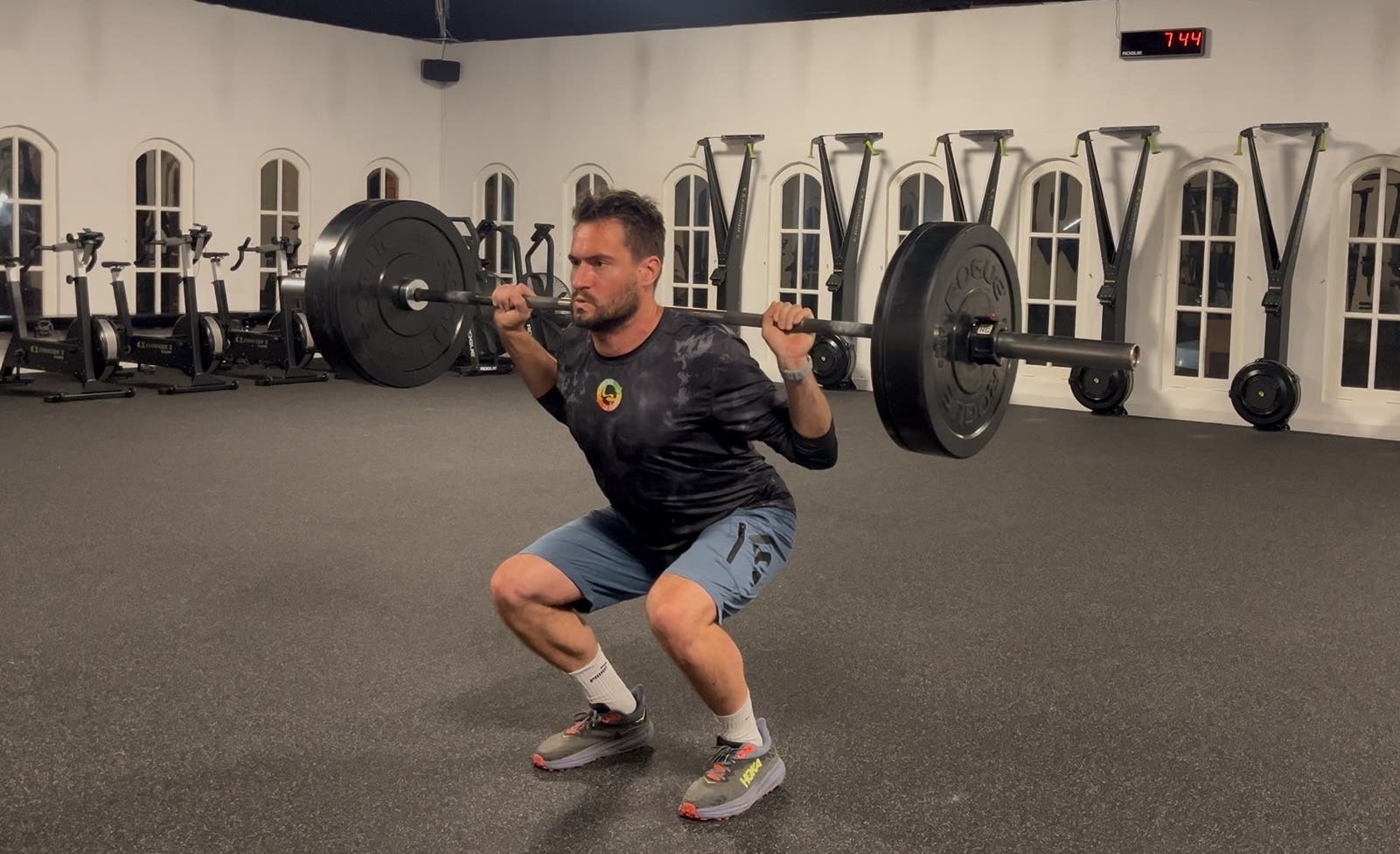
Professional guidance is cited as a critical factor in the success of a transition to weight training. High-quality trainers do more than demonstrate movements; they ensure "form integrity." Improper lifting—particularly in the deadlift or squat—can exacerbate the very back injuries an athlete is trying to heal.
Furthermore, the psychological component of training cannot be overlooked. Weight training is often described as "frequently torturous" compared to the joy of skiing. However, the mental fortitude developed in the gym translates to better performance on the mountain. Morris emphasizes that "the sky is the limit" for improvement, noting that most people have significant room to counter the effects of aging through progressive overload.
Broader Implications for the Winter Sports Industry
The shift toward resistance training has significant implications for the broader ski industry and public health. As the "Baby Boomer" and "Gen X" demographics age, the demand for longevity in mountain sports has increased. Injuries such as ACL tears and chronic lumbar issues cost the healthcare system billions annually and lead to a decline in participation rates at ski resorts.
By promoting "pre-habilitation" through strength training, the industry can ensure that its core demographic remains active well into their 60s and 70s. The transition from seeing weightlifting as a "bodybuilder’s pursuit" to a "longevity tool" is a vital cultural shift for outdoor enthusiasts.
Conclusion: The Prognosis for Athletic Longevity
The journey of the 33-year-old skier illustrates that chronic pain is not an inevitable consequence of aging or high-impact sports, but rather a symptom of mechanical neglect. By addressing muscle imbalances and strengthening the posterior chain, athletes can effectively "turn back the clock" on their physical condition.
As the subject concludes, the trade-off is clear: the fleeting soreness of a difficult workout is a small price to pay for the elimination of chronic, life-altering pain. For those willing to endure the "metamorphosis" of the weight room, the reward is decades of additional time on the mountains, proving that with the right structural support, the "equal and opposite reaction" to a life of skiing can be one of continued health rather than decline.
