
Published on March 4, 2026, a veteran bootfitter, having meticulously crafted over a thousand pairs of custom footbeds, reveals a counterintuitive preference that could redefine how skiers approach boot comfort and performance: a simple, $50 pair of drop-in, trim-to-fit footbeds. This perspective, emerging from years of hands-on experience and extensive industry knowledge, challenges the pervasive notion that custom solutions are always superior, highlighting the potential pitfalls of poorly executed custom work and championing the often-overlooked efficacy of mass-produced alternatives.
The Foundational Role of Footbeds in Ski Biomechanics
At its core, a ski footbed serves a singular, critical purpose: to stabilize the skier’s heel. The heel is the biomechanical anchor of the lower limb, initiating a complex chain of movement that extends upward through the ankle, knee, and hip. When the heel remains stable, the entire foot tracks more predictably within the ski boot, enabling precise control and efficient energy transfer to the ski edges. This stability is paramount for both comfort and performance.
Many skiers mistakenly believe that custom footbeds are primarily about arch support. While arch support is a component, the fundamental objective is heel support. Instability in the heel often manifests as pronation, an inward rolling motion of the foot that can lead to a cascade of problems. When the heel pronates, the foot pushes against the rigid plastic shell of the ski boot, commonly causing pressure points along the inside of the ankle, discomfort, and even pain. This inward roll can also compromise the skier’s alignment, making it harder to engage edges effectively and transition smoothly between turns.
For the vast majority of recreational skiers, controlling pronation is key to enhancing control and comfort. Elite athletes, such as World Cup racers, might occasionally seek a more malleable heel cup to allow for a degree of controlled pronation, which can facilitate faster edge engagement at extreme angles. However, this nuanced requirement is far removed from the needs of the average skier, for whom predictable stability is the primary benefit.
The Evolution of Ski Boot Fitting and Footbed Technology
The journey to modern ski boot fitting is a testament to the sport’s continuous pursuit of performance and comfort. In the early days of skiing, boots were rudimentary, often leather, and offered minimal support. The concept of a personalized fit was largely nonexistent. As ski technology advanced, so did the understanding of biomechanics and the importance of the interface between the foot and the boot.
The mid-20th century saw the introduction of plastic ski boots, which offered greater stiffness and responsiveness. However, this also brought new challenges related to comfort and fit, as the rigid shells were unforgiving of anatomical variations. This era spurred the development of specialized boot fitting, moving beyond simple sizing to encompass shell modifications, liner adjustments, and crucially, footbed interventions.
A pivotal figure in this evolution was Sven Coomer, a legendary designer responsible for innovations like Zipfit liners, the Nordica Grand Prix, and the Raichle Flexon (a precursor to modern cabrio boots). Coomer recognized decades ago that a significant portion of skiers struggled with foot instability, even with otherwise well-fitted boots. His ingenious solution was to develop a standardized, supportive heel cup design that effectively prevented pronation for most feet, offered in a range of arch shapes and thicknesses. This foundational concept led to the creation of Superfeet insoles, a brand that has since become synonymous with high-quality, off-the-shelf foot support. Later, other brands like DownUnders adopted similar principles, and even Zipfit, following Coomer’s passing, began offering its own version of these pre-molded supports.
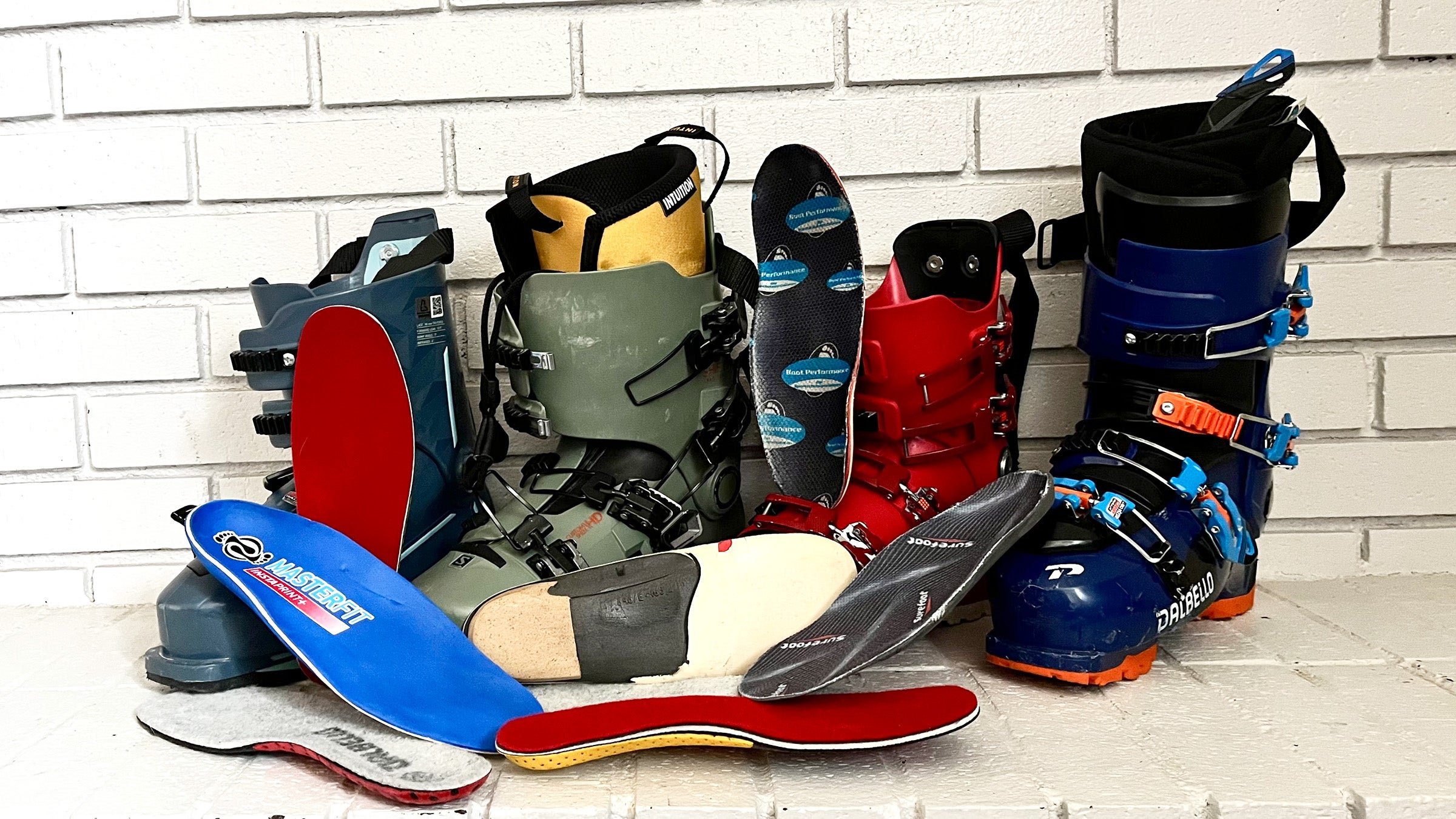
This chronology highlights a parallel path in footbed technology: the highly customized, individually molded solution versus the scientifically designed, mass-produced alternative. Both emerged from a common need to address foot instability, but they diverge significantly in their approach and execution.
The Allure and the Albatross of Custom Footbeds
Custom footbeds are often presented as the ultimate solution for any boot-related discomfort or performance issue. The promise is compelling: a footbed precisely molded to an individual’s unique foot anatomy, ensuring perfect support and alignment. This appeal, coupled with the higher price point (often exceeding $200), creates an expectation of a "miracle cure."
However, the reality can be more complex. As a bootfitter, the author witnessed firsthand the spectrum of custom footbed quality. While a well-made custom footbed can indeed be transformative, a significant percentage of those brought into the shop from other retailers were either poorly constructed or actively detrimental to the skier’s comfort and performance.
The process of creating custom footbeds, while seemingly straightforward, is prone to subtle errors. Two primary methods exist:
- Weighted Molding: The skier stands on a heated, moldable piece of plastic or dense foam. The challenge here is that the foot, when weighted, naturally pronates to some degree. If the fitter doesn’t expertly manipulate the foot into an ideal, neutral stance during the molding process, the footbed can inadvertently lock in or even exacerbate the pronated position.
- Unweighted Molding: The skier sits with their feet dangling, and the fitter manually manipulates the foot into an optimal athletic position. A heated, malleable footbed material is then suctioned to the bottom of the foot using a vacuum bag. While this method offers greater control, it is not immune to errors. A slight misjudgment in positioning, or pinching the material incorrectly, can create unwanted angles in the heel cup. For example, if the outside of the heel cup is molded too high, it can create excessive pressure on the ankle bone, leading to discomfort and disrupting the natural alignment.
The consequences of a poorly made custom footbed are severe. Instead of providing stability, it can introduce new pressure points, force the foot into an unnatural position, or even worsen existing biomechanical issues. This can lead to persistent pain, reduced performance, and a frustrating cycle of seeking further modifications or replacements. The author’s shop, like many, maintained a "graveyard" of abandoned, flawed custom footbeds – a stark visual reminder of the commonality of these issues. Unlike a poorly fitted boot shell which might be modified, a fundamentally flawed custom footbed is often irreparable, leaving the skier to start anew, having wasted considerable time and money.
The Efficacy and Accessibility of Drop-In Footbeds
In stark contrast to the variable quality of custom footbeds, standardized, off-the-shelf footbeds offer a consistent and often highly effective solution for a wide demographic of skiers. Brands like Superfeet, born from Sven Coomer’s pioneering insights, are designed to support an "average" heel shape with an optimal amount of arch support and pronation control.
These footbeds feature a rigid, anatomically contoured heel cup that provides immediate and reliable support. They are available in various arch profiles and thicknesses to accommodate different foot types and boot volumes. The fitting process is remarkably simple: the bootfitter matches the footbed to the ski boot’s mondo size, trims the toe edges to fit the liner, and bevels them for a smooth insertion.
The benefits of this approach are compelling:
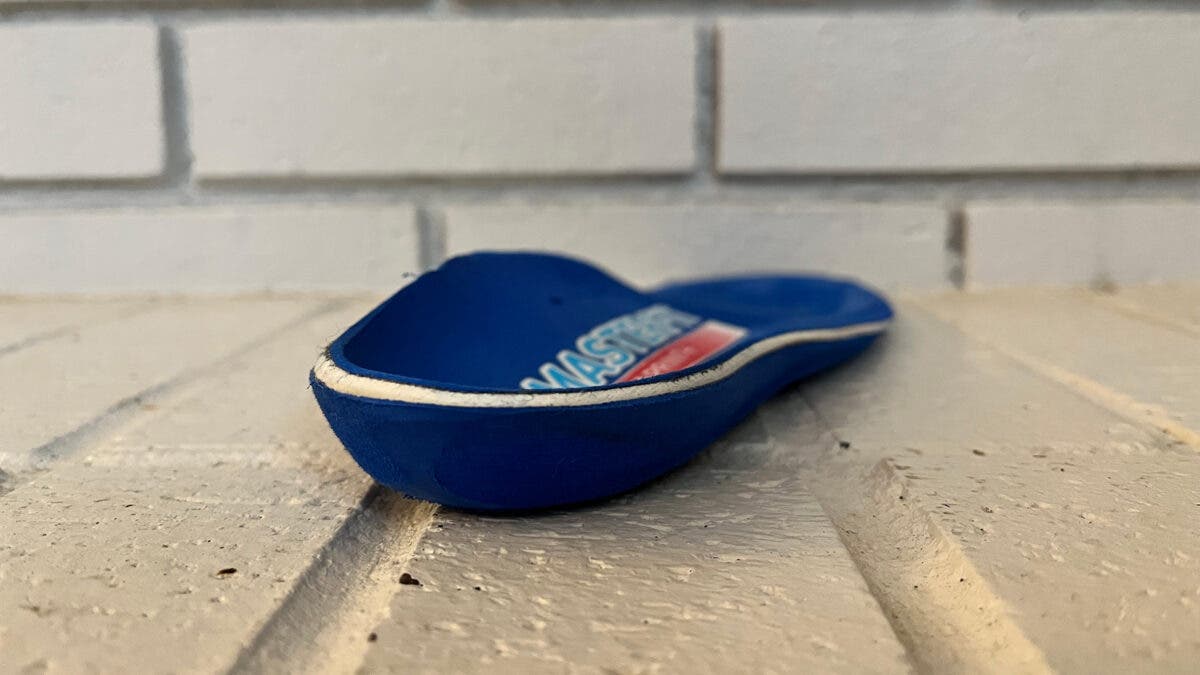
- Consistency: Each footbed is factory-produced to precise specifications, eliminating the human error inherent in custom molding.
- Effectiveness: For the vast majority of recreational skiers, these designs provide ample support to stabilize the heel, control pronation, and improve overall comfort and performance.
- Affordability: At approximately $50-$60, they represent a fraction of the cost of custom footbeds, making effective foot support accessible to a broader range of skiers.
- Ease of Replacement: Should a footbed wear out or become damaged, replacing it is simple and inexpensive.
- Author’s Endorsement: The author’s personal reliance on drop-ins, specifically the Superfeet Winter Thin Support ($55), after years of both skiing and professional bootfitting, serves as a powerful testament to their efficacy. His experience with hundreds of clients further reinforces this consensus: these drop-in solutions consistently make a significant difference in skiing comfort and control.
Broader Implications for the Skiing Community
This discussion on footbeds extends beyond a simple product choice; it touches upon consumer empowerment, ethical bootfitting practices, and the holistic approach to ski performance and injury prevention.
Empowering the Consumer: Skiers, often faced with a bewildering array of gear choices and expert advice, can feel pressured towards the most expensive "solution." Understanding that a more affordable, off-the-shelf option might be equally, if not more, effective for their needs empowers them to make informed decisions. It encourages a critical evaluation of recommendations, prompting questions about the necessity of custom solutions versus the proven utility of standardized designs.
Ethical Bootfitting: While many bootfitters are highly skilled and genuinely prioritize their clients’ well-being, the economic incentive to sell higher-priced custom products is undeniable. The author’s experience highlights the importance of a comprehensive bootfitting assessment that doesn’t jump directly to custom footbeds as a default. A truly client-centric approach would involve evaluating the skier’s foot mechanics, boot fit, and performance goals, then recommending the most appropriate solution, whether custom or off-the-shelf. The presence of a dusty rack of Superfeet in a corner of a shop, as described, suggests that these alternatives are often available but not always proactively offered.
Performance and Injury Prevention: Proper foot support is not just about comfort; it’s a crucial element of performance and injury prevention. A stable foot in a ski boot translates to:
- Improved Edge Control: More direct and efficient power transfer to the ski edges.
- Reduced Fatigue: Less compensatory muscle strain from an unstable foot.
- Enhanced Responsiveness: Quicker reactions and better feel for the snow.
- Decreased Injury Risk: Mitigation of common issues like shin bang, ankle sprains, and knee pain, which can often be exacerbated by poor foot alignment.
While custom footbeds certainly have their place for individuals with highly unique or complex foot pathologies, or for elite athletes with very specific performance demands, the narrative that they are a universal panacea for all ski boot woes warrants re-evaluation. The consistent quality, proven biomechanical design, and affordability of off-the-shelf footbeds present a compelling argument for their widespread adoption.
The ultimate remedy for many skiers’ boot discomfort and performance plateaus might not lie in an expensive, bespoke creation, but rather in a readily available, scientifically engineered solution. The next time a skier seeks relief from aching feet or improved control on the slopes, a visit to the corner of the boot shop, where those reliable drop-in footbeds might be patiently waiting, could prove to be the most impactful decision they make for their skiing experience. It’s a call to reconsider the conventional wisdom and embrace a practical, effective alternative that has stood the test of time and professional scrutiny.
Jake Stern, a former editor at Outside and Powder, brings years of professional ski bootfitting experience from Footloose Sports in Mammoth Lakes, California, to his current role as category manager for SKI and Outside’s ski boot reviews. His insights are informed by a deep understanding of ski biomechanics and extensive hands-on work with skiers of all levels.
