
Alaska, a state synonymous with rugged wilderness and breathtaking landscapes, also holds the distinction of hosting the northernmost ski areas in the contiguous United States. While popular destinations like Alyeska Resort and Eaglecrest are well-known for their challenging terrain and abundant snowfall, the true extreme north of American skiing remains largely undiscovered by the masses. These three areas, nestled deep within Alaska’s interior, offer a unique and challenging winter experience, pushing the boundaries of what it means to ski in North America.
Birch Hill Ski & Snowboard Area: A Military Gem at Latitude 64.85812
Claiming the title of the third northernmost ski area in the United States, Birch Hill Ski & Snowboard Area operates under the auspices of the Fort Wainwright U.S. Army installation. Situated at a latitude of 64.85812 degrees North, Birch Hill serves as a vital recreational hub for military personnel and their families stationed in the region, while also welcoming the public. The area provides a comprehensive winter sports experience, catering to all skill levels with dedicated slopes for skiing, snowboarding, and tubing. A notable feature is its terrain park, offering opportunities for freestyle enthusiasts to hone their skills amidst the unique Alaskan environment.
The operational history of Birch Hill is intrinsically linked to the presence of the U.S. Army at Fort Wainwright. Established to provide recreational facilities for soldiers and their dependents, the ski area has evolved over the years to become a well-rounded winter destination. While specific founding dates are not readily available, its function as a morale, welfare, and recreation (MWR) facility suggests a long-standing commitment to supporting the well-being of the military community. The infrastructure, including chairlifts and grooming equipment, is maintained to ensure a safe and enjoyable experience, especially considering the extreme winter conditions prevalent in Interior Alaska. The average annual snowfall in Fairbanks, the nearest major city, can exceed 70 inches, providing a substantial base for the ski season, which typically runs from late November through March. The economic impact of such facilities, though primarily serving the military, extends to local businesses through supply chains and occasional public events.
Moose Mountain Ski Resort: An Unconventional Approach to High-Latitude Skiing at Latitude 64.94061
Moving further north, at latitude 64.94061 degrees North, lies Moose Mountain Ski Resort, a facility that redefines the traditional ski resort model. Moose Mountain is characterized by its singular rope tow, which, while servicing beginner terrain, is complemented by an innovative bus service. This unique transportation system takes guests from the base to various points along the mountain’s upper reaches, a method the resort humorously dubs "the fastest, warmest ski lifts anywhere." This approach allows access to a vast 750 acres of terrain, with a substantial 1,300 vertical feet of descent.
The concept behind Moose Mountain appears to stem from a desire to maximize accessibility and enjoyment in a challenging northern environment. Rather than investing in extensive lift infrastructure that might be prone to extreme weather disruptions, the resort leverages existing transportation methods. This strategy allows for a more adaptable operational model, potentially reducing overhead and maintenance costs associated with conventional chairlifts in harsh conditions. The resort’s operation is a testament to ingenuity in overcoming geographical and environmental challenges. The success of such a model hinges on efficient logistics and a clear understanding of the local climate. While detailed operational statistics are not publicly disclosed, the resort’s continued operation signifies a sustainable niche in the Alaskan ski scene. The unique "bus lift" system not only serves a practical purpose but also contributes to the resort’s distinctive character, attracting skiers and snowboarders seeking an unconventional adventure.
Ski Land Fairbanks: The Pinnacle of Northern Skiing at Latitude 65.04600
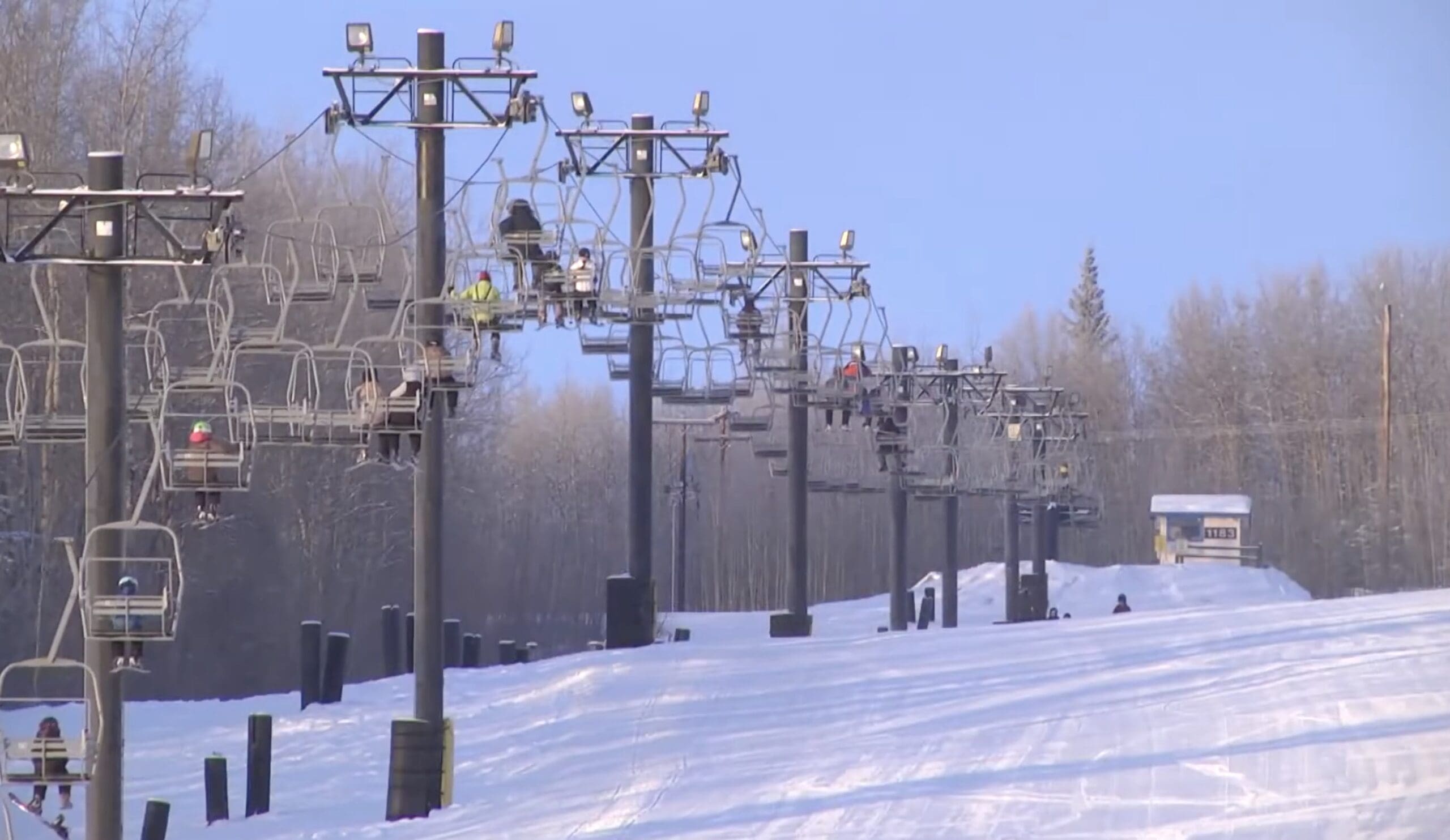
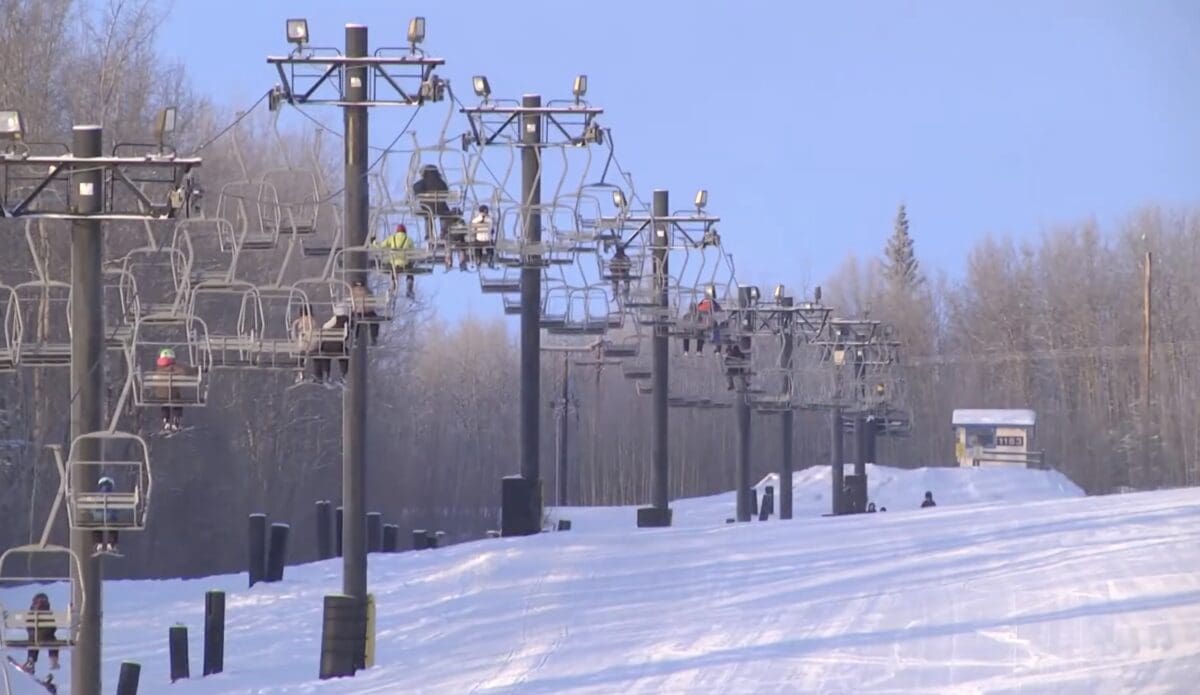
At the very apex of North American skiing, at a commanding latitude of 65.04600 degrees North, stands Ski Land Fairbanks. This remarkable area boasts the northernmost ski lift on the continent, ascending 1,027 feet of vertical elevation over a 3,882-foot travel distance. What sets Ski Land Fairbanks apart is its unique inverted ski area design, with the base of operations situated at the mountain’s summit. This distinctive layout offers skiers and snowboarders unparalleled panoramic views of the surrounding Alaskan wilderness.
The operational season at Ski Land Fairbanks typically commences in early December and extends through the end of April, providing a generous window for winter sports enthusiasts. The resort operates on a four-day week schedule, open Fridays, Saturdays, Sundays, and Mondays, a pattern likely influenced by factors such as staffing, operational costs, and the demands of the local population and potential tourists. The average daily temperature in Fairbanks during the winter months can hover well below freezing, often ranging from -10°F to 0°F (-23°C to -18°C), with wind chills making it feel even colder. This necessitates robust operational planning and a strong emphasis on safety protocols. Ski Land Fairbanks’ location at such a high latitude means that daylight hours are extremely limited during the winter months, with only a few hours of twilight in the dead of winter. This environmental factor is crucial to consider for any visitor. The resort’s sustained operation over many years indicates a resilient business model, likely supported by a dedicated local clientele and a growing interest from adventurous travelers seeking the ultimate northern ski experience. The economic impact of Ski Land Fairbanks, while perhaps not on the scale of larger resorts, contributes to the local economy of Fairbanks and the surrounding communities, drawing visitors and supporting related industries.
The Broader Implications of Northern Skiing
The existence of these three northernmost ski areas highlights a fascinating aspect of winter recreation in the United States. Alaska’s geographical position presents unique challenges and opportunities for ski area development and operation. Factors such as extreme cold, limited daylight, and the logistical complexities of remote locations require innovative solutions and a deep understanding of the Arctic environment.
The U.S. Army’s operation of Birch Hill underscores the importance of recreational facilities in maintaining the morale and well-being of military personnel stationed in remote or challenging environments. These facilities provide a crucial outlet for physical activity and social interaction, contributing to the overall readiness and mental health of service members.
Moose Mountain’s unconventional approach to lift systems demonstrates a pragmatic and adaptable strategy for developing ski terrain in areas where traditional infrastructure might be prohibitively expensive or impractical. This model could offer insights for other remote or resource-constrained winter destinations looking to provide access to mountain sports.
Ski Land Fairbanks, as the northernmost ski lift in North America, represents a pinnacle of high-latitude winter recreation. Its continued operation speaks to the dedication of its operators and the enduring appeal of extreme environments for adventure seekers. The resort’s unique inverted design and extended season contribute to its status as a destination for those looking for an unparalleled skiing experience.
The collective presence of these ski areas serves as a testament to the human desire to engage with winter environments, regardless of geographical extremes. They offer not only recreational opportunities but also a unique window into life in the far north, where resilience, ingenuity, and a deep appreciation for the natural world are paramount. As climate patterns evolve, the operational viability and future of these northern ski areas will undoubtedly be a subject of continued interest and adaptation.
