
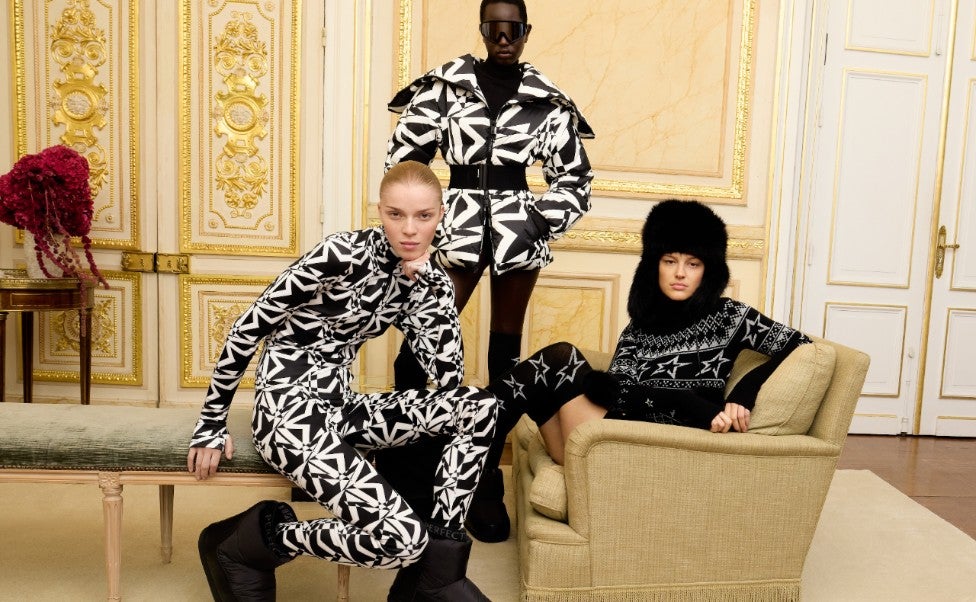
The recent partnership between Perfect Moment, a luxury French ski apparel brand renowned for its high-performance yet stylish gear, and H&M, the global fast-fashion behemoth, has sent ripples across the fashion and outdoor industries. This collaboration, which saw an influx of Perfect Moment’s signature colorful patterns, shimmering silvers, and bold star motifs at significantly more accessible price points, represents a compelling case study in brand diversification, market accessibility, and the ongoing dialogue surrounding sustainability in fashion. Announced to the market with H&M’s Creative Advisor and Head of Design for Women’s Wear touting it as "unexpected, dynamic, and sure to spark excitement," the collection has indeed generated considerable buzz, raising questions about brand identity, consumer expectations, and the evolving landscape of high-low fashion partnerships.
Perfect Moment’s Trajectory: From Alpine Roots to Aprés-Ski Chic
Perfect Moment’s journey began in 1984 in Chamonix, France, under the vision of legendary freeride skier and filmmaker Thierry Donard. Initially, the brand was rooted deeply in performance and designed specifically for elite freeride athletes, distinguishing itself from more traditional ski apparel brands like Bogner. Its early identity was synonymous with rugged functionality and the demanding world of extreme skiing, a heritage that laid the groundwork for its reputation as a serious player in technical outerwear.
A pivotal shift occurred in 2010 when the brand was acquired by European entrepreneurial couple Jane and Max Gottschalk. Under their stewardship, Perfect Moment underwent a strategic repositioning, embracing a more luxurious aesthetic without entirely abandoning its performance DNA. This transformation saw the brand evolve into a coveted label known for its distinctive design elements—think vibrant color blocking, bold star graphics, and flattering silhouettes—that seamlessly blend high fashion with high-performance functionality. Today, Perfect Moment is celebrated for its premium offerings, including puffer jackets often starting around $800, flared ski pants at approximately $600, luxurious knit sweaters, and branded goggles. Its clientele comprises discerning individuals who seek both cutting-edge style and uncompromising quality on the slopes and during the essential aprés-ski rituals. The brand’s mission statement explicitly underscores a commitment to "using less is better," emphasizing durability, longevity, and a responsibility to minimize environmental impact—principles that contrast sharply with the operational model of its new partner.
H&M’s Global Reach: The Fast Fashion Juggernaut
In stark contrast to Perfect Moment’s niche luxury market, H&M operates on an immense global scale, boasting over 4,000 retail stores across more than 60 countries. The Swedish multinational retail-clothing company is a quintessential example of a fast-fashion brand, characterized by its ability to rapidly move trends from the runway to mass-market retail at affordable prices. This business model has propelled H&M to become one of the largest fashion retailers worldwide, democratizing access to contemporary styles for millions of consumers.
However, H&M’s expansive reach and operational model have also made it a frequent target of criticism, particularly from environmental and ethical standpoints. The brand is often cited as a major fast-fashion offender, contributing to issues such as excessive textile waste, high resource consumption, and significant carbon emissions throughout its extensive supply chain. While H&M has, in recent years, made concerted efforts to address these concerns through various sustainability initiatives—including the launch of its "Conscious" collections featuring recycled and sustainably sourced materials, garment collection programs, and ambitious targets for circularity—many critics contend that the fundamental nature of the fast-fashion model, driven by rapid production cycles and planned obsolescence, inherently conflicts with genuine environmental sustainability. Despite these criticisms, H&M’s commitment to exploring more sustainable practices within its framework remains a significant part of its public relations and corporate strategy.
The Strategic Nexus: Why This Collaboration?
The announcement of the Perfect Moment x H&M collaboration thus created a significant juxtaposition, prompting industry observers and consumers alike to question the strategic rationale behind such an unlikely pairing. For Perfect Moment, the alliance offers an unparalleled opportunity to significantly broaden its brand awareness and reach a new, younger, and more diverse consumer demographic that might aspire to luxury ski fashion but finds its premium price points prohibitive. It allows the brand to test the waters of mass-market appeal, potentially cultivating future loyal customers who, having experienced the brand’s aesthetic through H&M, might eventually invest in its mainline collections. Furthermore, it capitalizes on the growing "aprés-ski" trend, a lifestyle segment that prioritizes stylish, comfortable attire for post-slope activities, often extending into general winter fashion.
For H&M, such a high-profile collaboration with a luxury brand like Perfect Moment is a strategic move to elevate its brand image, injecting a dose of aspirational prestige into its typically affordable offerings. These "designer collaborations" have historically proven successful for fast-fashion retailers, generating immense hype, driving foot traffic, and attracting fashion-forward consumers who appreciate the opportunity to own a piece of a luxury brand at a fraction of the cost. It also serves to diversify H&M’s product portfolio, tapping into the lucrative and expanding market for winter sports and lifestyle apparel, while subtly aligning itself with brands that publicly champion sustainability, potentially softening some of the criticisms directed at its own environmental record.
A Chronology of High-Low Fashion Collaborations
The concept of high-low fashion collaborations is not new but has gained significant traction and sophistication over the past two decades. The trend can be traced back to early partnerships where luxury designers lent their names to more accessible retailers, often with phenomenal commercial success. Brands like Target famously pioneered this model with designers such as Isaac Mizrahi in the early 2000s, proving that consumers were eager for designer aesthetics at affordable prices. H&M itself has a rich history of such collaborations, partnering with high-fashion houses like Karl Lagerfeld (2004), Versace (2011), Balmain (2015), and Giambattista Valli (2019). These partnerships consistently generate global excitement, long queues, and often sell out within hours, underscoring the potent appeal of democratized luxury.
The Perfect Moment x H&M collection follows this established playbook, aiming to leverage the cachet of a niche luxury brand for mass market appeal. The timing is also pertinent, given the increasing convergence of sportswear and high fashion, with "athleisure" continuing its dominance and specialized athletic wear like ski apparel finding its way into everyday winter wardrobes. The collaboration timeline likely involved months of design, material sourcing, and marketing strategy, culminating in a carefully orchestrated launch designed to maximize consumer interest and media coverage.
Sustainability Under Scrutiny: A Conflicting Narrative
Perhaps the most significant point of contention and discussion around this collaboration lies in the stark contrast between the sustainability philosophies of the two brands. Perfect Moment’s stated mission, focused on durability, longevity, and minimal environmental impact, appears to be at odds with H&M’s fast-fashion model, which thrives on rapid consumption cycles.
Environmental advocacy groups and industry watchdogs have frequently highlighted the paradoxes inherent in such high-low collaborations when a fast-fashion brand partners with one touting sustainable practices. Critics argue that while H&M may use some recycled materials or adopt specific eco-friendly processes for a limited collection, the sheer volume of its overall production and the inherent design for transient trends continue to exert immense pressure on natural resources and contribute to waste. The concern is often framed as "greenwashing"—the practice of making unsubstantiated or misleading claims about the environmental benefits of a product or company to appear more environmentally friendly.
Conversely, proponents of such collaborations might argue that they offer an opportunity for larger retailers to incrementally shift towards more sustainable practices by integrating elements of design and material innovation from brands with stronger environmental commitments. It could be seen as a stepping stone, raising consumer awareness about quality and design elements typically associated with more sustainable luxury brands, even if the production scale of the collaboration itself falls short of truly sustainable ideals. The dialogue this collaboration sparks about consumption patterns, material choices, and brand responsibility is, in itself, a valuable outcome, pushing the industry to confront its environmental footprint more directly.
On-Slope Performance Meets Aprés-Ski Aesthetics: A Product Review
To assess the practical implications of this collaboration, a hands-on review of selected items provides valuable insights into how the luxury aesthetic translates to a mass-market price point and what compromises, if any, are made in performance. The collection, designed with aprés-ski activities firmly in mind rather than rigorous athletic performance, included a range of items from sweaters and bodysuit baselayers to puffer jackets.
The testing focused on two key items: a puffer jacket priced at $329 and a baselayer top at $60. It’s important to note that the collection quickly sold out, indicating strong consumer demand despite its unexpected nature, and H&M has not announced plans for a restock, suggesting its limited-edition status further fueled its desirability.
The Baselayer: Functional Chic for Casual Slopes and Socializing
The baselayer top, while not crafted from premium Merino wool, demonstrated surprisingly good performance for its intended purpose. Constructed from a performance-oriented synthetic material, it effectively wicked away sweat, making it suitable for active wear on warmer days or as a comfortable layer for aprés-ski. The design featured a flattering zippered mockneck, aligning with Perfect Moment’s signature aesthetic. Sizing appeared to run slightly large; for colder conditions, layering a tighter Merino wool top underneath would be advisable, effectively repurposing the baselayer as a pseudo mid-layer. At $60, the baselayer was deemed a reasonable price point, offering a chic option for skiers seeking to elevate their aprés-ski ensemble without investing in high-end technical apparel. This piece successfully captured the stylish essence of Perfect Moment at an accessible price, proving its utility for fashion-conscious skiers.
The Puffer Jacket: A Statement Piece with Practical Limitations

The puffer jacket, priced at $329, immediately presented an oversized aesthetic. While this boxy silhouette was appreciated from a style perspective—lending itself to contemporary fashion trends and easy layering—it did impact its performance as a dedicated ski jacket. The sleeves fit appropriately, but the overall garment hung loosely, a deliberate design choice to accommodate multiple layers underneath.
However, the most notable drawback for a ski garment was the pocket configuration. The jacket featured only two external pockets, both secured with magnetic closures, and a single inner pocket with a top opening. This limited and insecure pocket system is less than ideal for skiers, who typically require multiple secure pockets for lift passes, phones, wallets, and other essentials, even for casual aprés-ski use. The risk of losing valuable items due to magnetic closures was a significant concern.
Despite these practical limitations, the jacket possessed several commendable features. Its unique, flattering fit and the ability of the hood to comfortably accommodate a ski helmet were distinct advantages. For warmer, casual days on the slopes, or as a stylish everyday winter jacket, it presented a compelling option, provided the wearer had alternative secure storage for essentials. The price point was considered fair for a warm puffer jacket that prioritized style, particularly for those whose primary goal was fashion. The standout feature, universally lauded for its aesthetic appeal, was the large star design emblazoned on the back—a purely decorative element that perfectly encapsulated the fashion-first ethos of this collaboration.
Industry Reactions and Broader Implications
The Perfect Moment x H&M collaboration has elicited a mixed but generally positive reception. Brand representatives from H&M, consistent with the initial press release, would likely emphasize the "unexpected, dynamic" nature of the collection and its ability to "spark excitement," highlighting its role in making luxury fashion accessible. Perfect Moment, on its part, would likely underscore the opportunity to introduce its distinctive design philosophy to a broader, global audience, potentially fostering a new generation of brand enthusiasts.
Industry analysts have largely viewed the collaboration as a commercially astute move for both parties. It reinforces the trend of "democratization of luxury," where high-end aesthetics become available to mass markets, and highlights the increasing fluidity between different segments of the fashion industry. Analysts also note the strategic timing, capitalizing on the enduring popularity of winter sports and the growing lifestyle aspect of aprés-ski fashion.
Sustainability advocates, while acknowledging H&M’s efforts, have voiced cautious optimism, reiterating the need for systemic change within the fast-fashion industry beyond limited, capsule collections. They continue to call for greater transparency, reduced production volumes, and genuine commitments to circularity that extend beyond individual collaborations.
Consumer response, as evidenced by the rapid sell-out of the collection, indicates a strong appetite for this type of partnership. The collection successfully tapped into various segments: those aspiring to luxury aesthetics, individuals seeking stylish aprés-ski wear without the premium price tag, and existing fans of both brands curious about the fusion.
Reshaping the Ski Apparel Landscape and Beyond
The Perfect Moment x H&M collaboration is more than just a fleeting fashion trend; it represents a significant marker in the evolving landscape of both ski apparel and the broader fashion industry. It underscores the continued blurring of lines between performance wear and lifestyle fashion, with aprés-ski aesthetics increasingly influencing everyday winter wardrobes. This partnership exemplifies the democratization of luxury, making aspirational designs accessible to a wider audience and potentially inspiring new consumers to engage with the world of winter sports fashion.
Looking ahead, this collaboration sets a precedent for future high-low partnerships, suggesting that brands across various sectors will continue to explore such alliances to expand their reach, refresh their image, and tap into new market segments. It also reignites the crucial debate surrounding sustainability in fashion, challenging brands and consumers alike to consider the ethical and environmental implications of their choices, even within the context of exciting, limited-edition collections. The success of this "unexpected" collaboration proves that when executed thoughtfully, such partnerships can create a unique value proposition, satisfying both the desire for accessible luxury and the ever-present demand for innovative, stylish apparel on and off the slopes. The collection, while perhaps not designed for the most demanding alpine conditions, undeniably carved out a "sweet spot" for those seeking a blend of posh aesthetics and practical functionality at an attractive price point, forever altering perceptions of what luxury ski fashion can be.
