
The recent collaboration between Perfect Moment, a luxury French skiwear brand renowned for its high-performance, stylish alpine apparel, and H&M, the Swedish fast-fashion behemoth celebrated for its affordability and global reach, has sent ripples across the fashion and outdoor industries. Announced as an "unexpected, dynamic, and sure to spark excitement" venture, this partnership brings together two brands operating at opposite ends of the retail spectrum, prompting widespread discussion on brand integrity, market accessibility, and the enduring tension between luxury aspirations and mass-market production, particularly concerning sustainability.
A Convergence of Contrasts: Perfect Moment’s Pedigree and H&M’s Global Footprint
Perfect Moment’s journey began in 1984 in Chamonix, France, founded by former professional skier and filmmaker Thierry Donard. The brand was initially conceived with a strong emphasis on authentic performance, designing gear for freeride athletes and aligning more closely with the rugged, adventurous spirit of brands like Teton Gravity Research than the opulent aesthetics often associated with traditional luxury skiwear labels such as Bogner. This foundational ethos underscored a commitment to functional design and technical excellence, catering to serious enthusiasts who demanded reliability and performance on the slopes.
However, a pivotal shift occurred in 2010 when the brand was acquired by European entrepreneurial couple Jane and Max Gottschalk. Under their stewardship, Perfect Moment underwent a strategic transformation, repositioning itself with a distinctly luxurious aesthetic. While retaining a nod to its performance heritage, the brand pivoted towards a more fashion-forward identity, embracing vibrant colors, bold patterns, and shimmering metallics that resonated with the burgeoning "aprés-ski" and ski chic trends. Today, Perfect Moment is synonymous with high-end ski fashion, known for its premium puffer jackets (often retailing around $800), impeccably tailored flared ski pants ($600), sophisticated knit sweaters, and distinctively branded goggles. Its collections grace the slopes of exclusive resorts and are favored by celebrities and fashion influencers, solidifying its status as a leading luxury lifestyle brand in the alpine segment. The brand’s official mission statement further reinforces this commitment, declaring a belief that "using less is better" and designing apparel with "a focus on durability and longevity," alongside a responsibility to operate "with the smallest impact to nature."
Conversely, H&M operates on a fundamentally different business model. With over 4,000 retail stores spanning more than 60 countries, it is a quintessential global low-cost retailer, driving trends through rapid production cycles and accessible price points. This "fast fashion" model, while democratizing style, has drawn significant criticism for its environmental and social impacts. H&M, like many industry giants in this sector, has been frequently labeled a major fast-fashion offender, facing scrutiny over its contribution to textile waste, excessive water consumption, and significant carbon emissions throughout its vast supply chain. In response to mounting public and regulatory pressure, H&M has undertaken various initiatives to improve its sustainability profile, including the introduction of "Conscious Collections" and investments in circular economy solutions. However, many critics contend that the inherent nature of the fast-fashion business model—predicated on high volume, rapid consumption, and planned obsolescence—makes genuine environmental friendliness an insurmountable challenge, regardless of individual program efforts.
The Rationale Behind the Unexpected Alliance
The decision for these two disparate entities to collaborate represents a calculated strategic move for both brands, albeit one fraught with potential risks and rewards. For Perfect Moment, the collaboration with H&M offers an unprecedented opportunity for market expansion and increased brand visibility. By partnering with a global retailer, Perfect Moment can tap into a much broader consumer base, introducing its design aesthetic and brand narrative to individuals who might not typically engage with luxury price points. This "accessible luxury" approach allows the brand to capitalize on the widespread appeal of skiwear as a fashion statement, particularly the burgeoning aprés-ski trend, without diluting its core high-end offerings. It also serves as a potential entry point for new customers, who, after experiencing the H&M collaboration, might aspire to invest in Perfect Moment’s full-price luxury collections in the future.
For H&M, the collaboration is a powerful tool for brand elevation and diversification. Associating with a respected luxury label like Perfect Moment lends an aura of exclusivity and design credibility, helping to counter the pervasive fast-fashion stigma. Such partnerships allow H&M to demonstrate its versatility and capability in premium design, attracting a more fashion-conscious demographic that seeks high-end aesthetics at more affordable prices. These collaborations are also effective in generating significant media buzz and consumer excitement, driving foot traffic and online engagement. As noted by H&M’s Creative Advisor and Head of Design for Women’s Wear in the press release shared with SKI, the collection was indeed envisioned to be "unexpected, dynamic, and sure to spark excitement," indicating a deliberate strategy to create a sensation and capture market attention.
A Historical Precedent: High-Low Fashion Collaborations
The concept of high-low fashion collaborations is not new; it has been a successful marketing strategy for decades. Pioneers like Target, with its designer partnerships, and more notably, H&M itself, which famously collaborated with Karl Lagerfeld in 2004, have demonstrated the immense commercial power of making luxury design accessible. These partnerships often result in rapid sell-outs, generating significant revenue and bolstering brand profiles for both parties. The appeal lies in offering consumers a piece of aspirational design, a taste of luxury, without the prohibitive price tag. This strategy taps into a fundamental consumer desire to participate in high fashion trends, often seen on runways or celebrity social media, at a fraction of the cost. The Perfect Moment x H&M collaboration, therefore, follows a well-trodden path, aiming to replicate the commercial successes of its predecessors in the specialized niche of skiwear and alpine lifestyle.
The Collection: Design Focus and Performance Evaluation
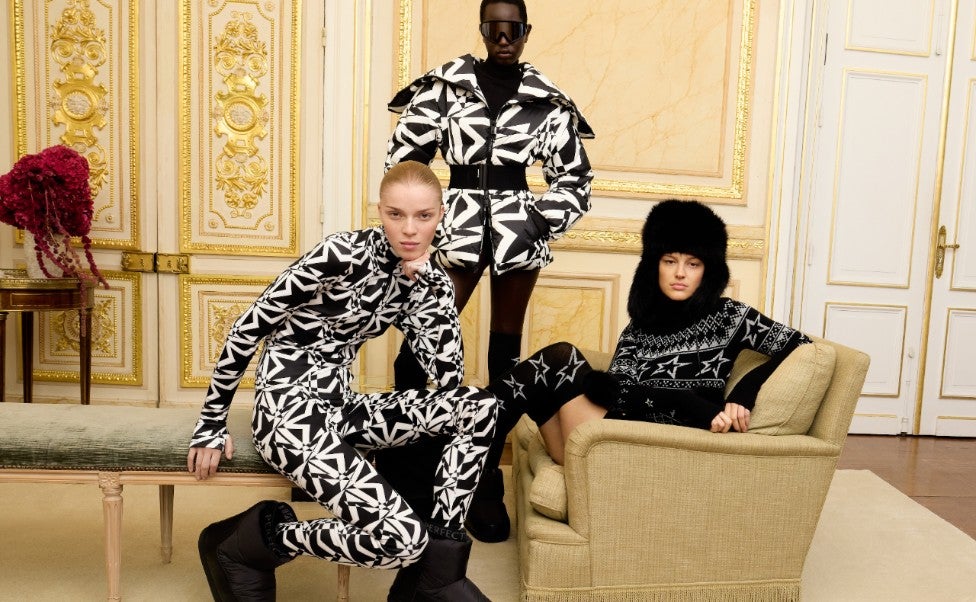
The Perfect Moment x H&M collection, designed predominantly with aprés-ski and style in mind rather than rigorous on-slope performance, included a range of items such as sweaters, bodysuit baselayers, and puffer jackets. The collection’s rapid sell-out shortly after its launch underscores the significant consumer demand for accessible luxury ski-inspired fashion.
To assess its practical utility, two key items were tested: a puffer jacket, priced at $329, and a baselayer top, available for $60. It is crucial to contextualize these prices against Perfect Moment’s usual offerings, where a single baselayer can easily exceed $150 and puffer jackets start at $800.
Baselayer Top Performance:
The baselayer top, made from a performance synthetic material rather than Merino wool, exhibited commendable functionality. It effectively wicked away sweat, a critical attribute for any active garment, suggesting a well-engineered fabric blend, likely polyester and elastane, common in athletic wear. The design featured a flattering zippered mockneck, adding a touch of chic versatility suitable for both on-snow layering and aprés-ski engagements. The fit, however, was noted to run slightly large. For colder conditions, this would necessitate layering a tighter Merino wool base layer underneath, effectively transforming the H&M piece into a pseudo-midlayer. Despite this sizing nuance, its overall performance for moderate activity and its stylish appearance made it a reasonable option for skiers seeking an elevated look without committing to luxury prices. Its $60 price point positioned it as an attractive and accessible choice for those wishing to integrate a fashionable element into their ski wardrobe for casual days or social events.
Puffer Jacket Performance:
The puffer jacket, priced at $329, presented a distinct aesthetic and functional profile. Its initial impression was one of intentional oversized design, which, from a stylistic standpoint, was appreciated for its contemporary appeal. The jacket featured a boxy silhouette, with sleeves fitting appropriately while the main body hung loosely. This design choice, while fashionable, impacts traditional ski performance, as a looser fit can compromise thermal efficiency and allow more snow or wind ingress during active skiing compared to a more fitted technical jacket. However, the design was explicitly intended to accommodate layering, aligning with its aprés-ski focus.
A significant point of contention for active skiers was the jacket’s pocket configuration. It featured only two external pockets, secured with magnetic closures—a significant drawback for securing essentials like lift passes, phones, or wallets on the slopes. Additionally, there was a single internal pocket with a top opening, offering limited security. This minimalist and less-secure pocket system contrasts sharply with technical ski jackets, which typically feature multiple zippered pockets, dedicated pass pockets, goggle wipes, and secure media compartments. While acceptable for casual wear or aprés-ski, it presents a functional compromise for actual skiing.
Despite these functional limitations, the jacket offered several commendable features. Its flattering fit and unique aesthetic were definite positives, particularly the large star design on the back, which served purely aesthetic purposes but powerfully reinforced the collaboration’s fashion-first identity. Crucially, the hood was designed to comfortably fit over a helmet, a practical consideration often overlooked in fashion-oriented outerwear. For warmer, more casual days on the slopes, or for aprés-ski events where style takes precedence, the jacket was deemed a fair value at its price point, especially considering the brand association and its stylish design.

Market Reception and Broader Implications
The rapid sell-out of the Perfect Moment x H&M collection unequivocally demonstrates a robust consumer appetite for accessible luxury and aspirational brand collaborations. It highlights a market segment eager for fashionable ski-inspired apparel that bridges the gap between ultra-luxury and basic sportswear. This success validates the strategic intent of both brands to leverage their distinct market positions for mutual benefit.
However, the collaboration also reignites critical discussions within the industry, particularly concerning sustainability. Perfect Moment’s stated commitment to "durability and longevity" and minimizing environmental impact stands in stark contrast to H&M’s fast-fashion model. This juxtaposition fuels concerns about potential "greenwashing," where a brand’s sustainability claims are perceived as marketing ploys rather than genuine shifts in operational practice. Critics argue that collaborating with a fast-fashion giant, even for a limited collection, can undermine the environmental credibility of a luxury brand that purports to champion responsible consumption. This raises questions about the ethical responsibility of luxury brands when engaging in partnerships that may contradict their core values.
From a brand perception standpoint, Perfect Moment navigates a delicate balance. While gaining significant new customer exposure and buzz, there is an inherent risk of diluting its exclusive luxury image. Maintaining the perception of exclusivity and high quality is paramount for luxury brands, and mass-market collaborations, if not carefully managed, can erode that perception. For H&M, the collaboration successfully elevates its brand image, positioning it as a player capable of offering premium design. However, the fundamental challenges of its fast-fashion model and the associated sustainability criticisms remain, regardless of such partnerships.
The collaboration further underscores several evolving industry trends: the blurring lines between high fashion and performance wear, the increasing importance of aprés-ski as a distinct fashion category, and the continuous tension between affordability, luxury, and environmental responsibility in the global fashion industry. Consumers are becoming increasingly discerning, seeking products that not only offer style and value but also align with their ethical and environmental concerns.
Concluding Analysis: A Niche Filled, A Dialogue Ignited
In summary, the Perfect Moment x H&M collaboration successfully carved out a specific niche in the market. It caters to fashion-conscious skiers, casual resort-goers, and aprés enthusiasts who prioritize style and accessible luxury over hardcore technical performance. The collection’s swift depletion from shelves confirms that it met a palpable demand for fashionable, ski-inspired wear at a more attainable price point than Perfect Moment’s mainline collections.
While the baselayer offered commendable functionality for its price and the jacket delivered on aesthetic appeal with some practical design elements like a helmet-compatible hood, both pieces reflected their aprés-ski-centric design brief. They were not engineered for the demanding conditions or rigorous performance expectations of dedicated ski gear, a crucial distinction for potential buyers.
Beyond its commercial success, this collaboration has served as a significant catalyst for dialogue within the fashion and outdoor industries. It highlights the complex interplay between commercial aspirations, brand positioning, and the critical imperative of sustainability. As the fashion landscape continues to evolve, the Perfect Moment x H&M partnership stands as a compelling case study, demonstrating the commercial viability of high-low collaborations while simultaneously igniting essential conversations about the future of luxury, accessibility, and environmental responsibility in a rapidly changing world. The question remains how future collaborations will navigate these intricate challenges, balancing commercial success with genuine ethical and environmental stewardship.
