
The landscape of American skiing is often dominated by the sheer number of resorts, with states like New York and Michigan boasting impressive totals. However, when the metric shifts to ski areas per capita, a dramatically different picture emerges, highlighting a deep-seated passion for winter sports in regions with smaller populations. This recalibration of the ski resort map reveals that states with a more concentrated ski culture and accessible terrain often lead in per-capita access, offering residents a greater likelihood of hitting the slopes close to home. The analysis, drawing on data from the National Ski Areas Association (NSAA) for ski resort counts and the U.S. Census Bureau for population figures, unveils a fascinating correlation between population density and the density of skiable acreage.
The Shifting Tides of Ski Resort Access
While New York proudly claims the highest number of ski resorts in the nation with 52, its significant population places it surprisingly lower on the per capita list. According to the latest available data, New York ranks 17th, offering approximately 2.657 ski resorts per 100,000 people. This suggests that despite a large number of ski areas, the sheer volume of residents means access is less concentrated compared to other states. This finding underscores the importance of considering population density when evaluating the accessibility and prevalence of recreational opportunities. The NSAA’s annual report, a cornerstone for industry analysis, provides the foundational data for such comparisons, detailing the operational ski areas across the United States. This report, typically released annually, reflects the dynamic nature of the ski industry, with numbers fluctuating due to new openings, closures, or consolidations.
The following compilation highlights the top 10 U.S. states that lead in ski areas per capita, offering a unique perspective on where the passion for skiing is most deeply ingrained relative to the number of residents. This metric is particularly valuable for understanding local ski culture and the accessibility of winter recreation for the average citizen.
Top 10 U.S. States with the Most Ski Areas Per Capita
The ranking below is derived by dividing the total number of ski areas in a state by its population, then scaling the result to represent the number of ski areas per 100,000 individuals.
10. Utah – 0.5268 ski areas per 100,000 people
Despite its famed "Greatest Snow on Earth," Utah’s larger population relative to its ski areas places it at the tenth spot. The state is home to world-renowned resorts like Park City Mountain Resort and Deer Valley, attracting a significant number of both local and international visitors. While the sheer volume of powder is a major draw, the per capita metric indicates a slightly less concentrated access for its residents compared to states higher on the list. Utah’s ski season typically runs from November through April, and the state has actively promoted its winter tourism, contributing to its strong ski identity. The presence of numerous resorts, coupled with a growing population, creates a nuanced picture of ski access.
9. Wisconsin – 0.5601 ski areas per 100,000 people
Wisconsin, often associated with its dairy farms and harsh winters, also boasts a respectable number of ski areas, particularly for its Midwest location. States like the Upper Peninsula of Michigan often share similar geographic and climatic conditions, fostering a strong tradition of winter sports. The presence of numerous smaller, often family-owned ski hills contributes to Wisconsin’s per capita standing. These hills provide accessible and affordable options for many residents, fostering a grassroots appreciation for skiing and snowboarding. The typical ski season in Wisconsin runs from late November to early March, with many resorts offering night skiing and various family-friendly activities.
8. Colorado – 0.5785 ski areas per 100,000 people
Colorado, synonymous with skiing in the American consciousness, appears lower on the per capita list than many might expect, ranking eighth. While it hosts some of the most iconic and expansive ski resorts in North America, such as Vail, Aspen, and Breckenridge, its substantial population and popularity among tourists contribute to this ranking. The state’s ski industry is a significant economic driver, attracting millions of visitors annually. Colorado’s ski season is famously long, often extending into late spring, with many resorts opening in mid-November and closing in late April or even May. The density of resorts is high, but the per capita calculation accounts for the considerable number of residents and seasonal influx of skiers.
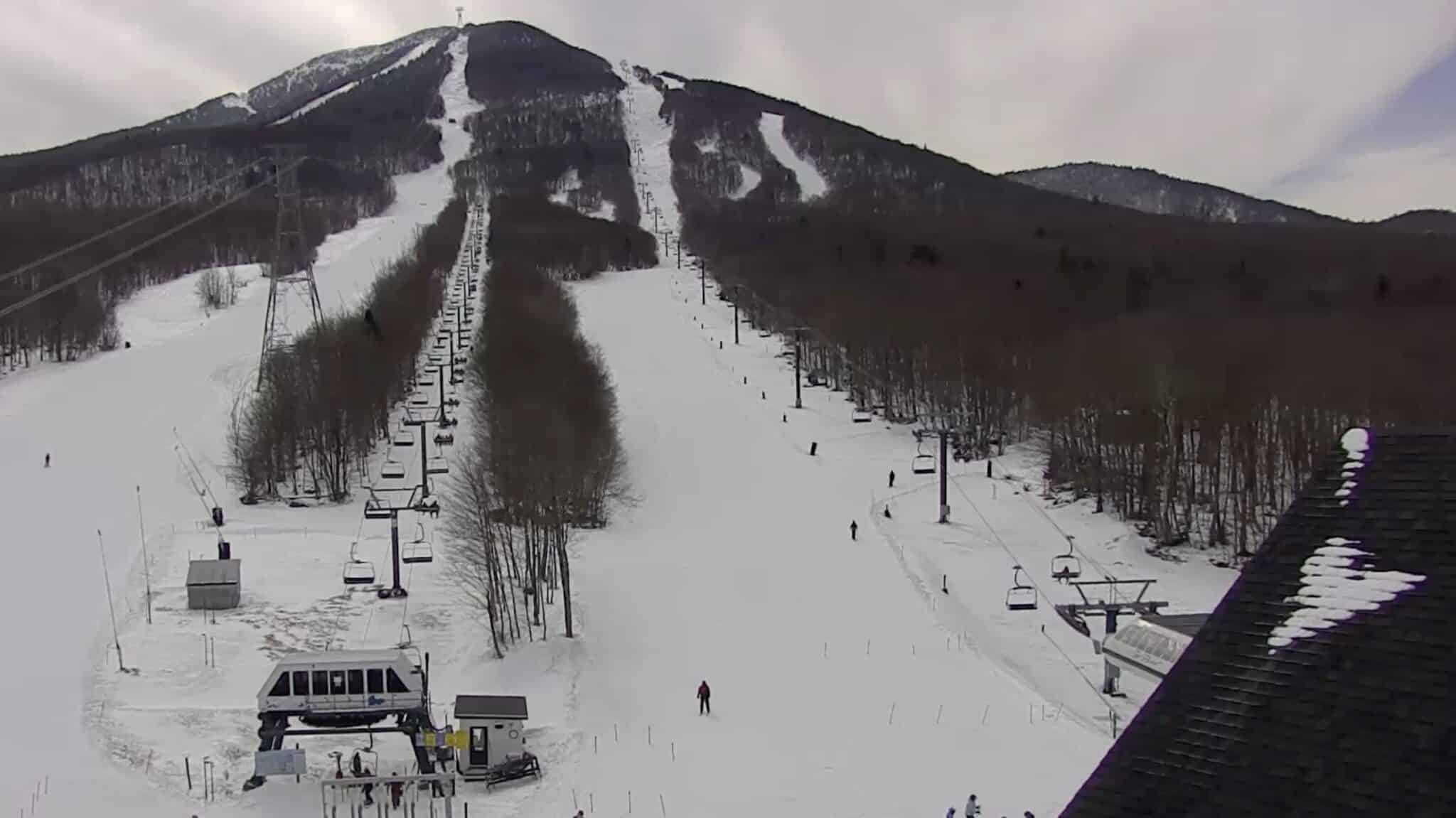
7. Idaho – 1.031 ski areas per 100,000 people
Idaho makes a strong showing at seventh place, demonstrating a significant concentration of ski areas relative to its population. Known for its rugged mountains and abundant snowfall, Idaho offers a variety of ski experiences, from the large Sun Valley resort to numerous smaller, community-focused ski hills. The state’s vast wilderness areas provide ample opportunities for skiing and snowboarding, with a strong emphasis on backcountry access in addition to traditional resorts. The ski season in Idaho generally begins in December and extends through March or April, depending on snow conditions. The relatively low population density across its mountainous terrain contributes to its high per capita ranking.
6. Alaska – 1.365 ski areas per 100,000 people
Alaska’s inclusion in the top tier is a testament to its wild, untamed beauty and its dedication to winter sports. Despite its sparse population, the state offers a unique and challenging skiing environment. Resorts like Alyeska Resort are renowned for their steep terrain and abundant snowfall, attracting adventurous skiers and snowboarders. Beyond the established resorts, Alaska’s vast wilderness also provides immense opportunities for backcountry skiing and heli-skiing. The state’s long, harsh winters, typically from November to April, create a natural advantage for ski enthusiasts. The low population density is the primary driver of its high per capita ranking, indicating a high degree of access for the residents who call the Last Frontier home.
5. Montana – 1.413 ski areas per 100,000 people
Montana, the "Big Sky Country," secures the fifth position, showcasing a strong ski presence relative to its population. The state is home to impressive resorts such as Big Sky Resort and Whitefish Mountain Resort, offering vast skiable acreage and stunning mountain vistas. Montana’s appeal lies in its expansive terrain and the sense of solitude it offers, drawing those who appreciate a more remote skiing experience. The ski season generally runs from late November to mid-April. The combination of significant mountain ranges and a relatively small population contributes to its high per capita ranking, suggesting ample opportunity for residents to enjoy the winter landscape.
4. Maine – 1.505 ski areas per 100,000 people
Maine’s position at fourth place highlights its robust ski culture, particularly in the northern regions of the state. Resorts like Sugarloaf and Sunday River are well-established destinations, offering a variety of terrain and challenging conditions. The state’s proximity to densely populated areas in the Northeast also contributes to its ski tourism, but its per capita ranking reflects a strong local engagement with the sport. Maine’s ski season typically spans from December to March, with opportunities for both day trips and longer stays. The state’s commitment to maintaining its ski heritage, often passed down through generations, plays a significant role in its per capita standing.
3. Wyoming – 1.541 ski areas per 100,000 people
Wyoming, home to the iconic Grand Teton and Yellowstone National Parks, also boasts significant ski offerings. The state’s premier destination, Jackson Hole Mountain Resort, is world-renowned for its challenging terrain and incredible scenery. Beyond Jackson Hole, Wyoming offers other notable ski areas that cater to a variety of skill levels. The state’s relatively low population density across its vast, mountainous landscape is the key factor in its high per capita ranking. The ski season in Wyoming typically begins in late November and extends through April, offering a substantial window for winter sports enthusiasts. The dramatic mountainous terrain provides a picturesque backdrop for skiing and snowboarding.
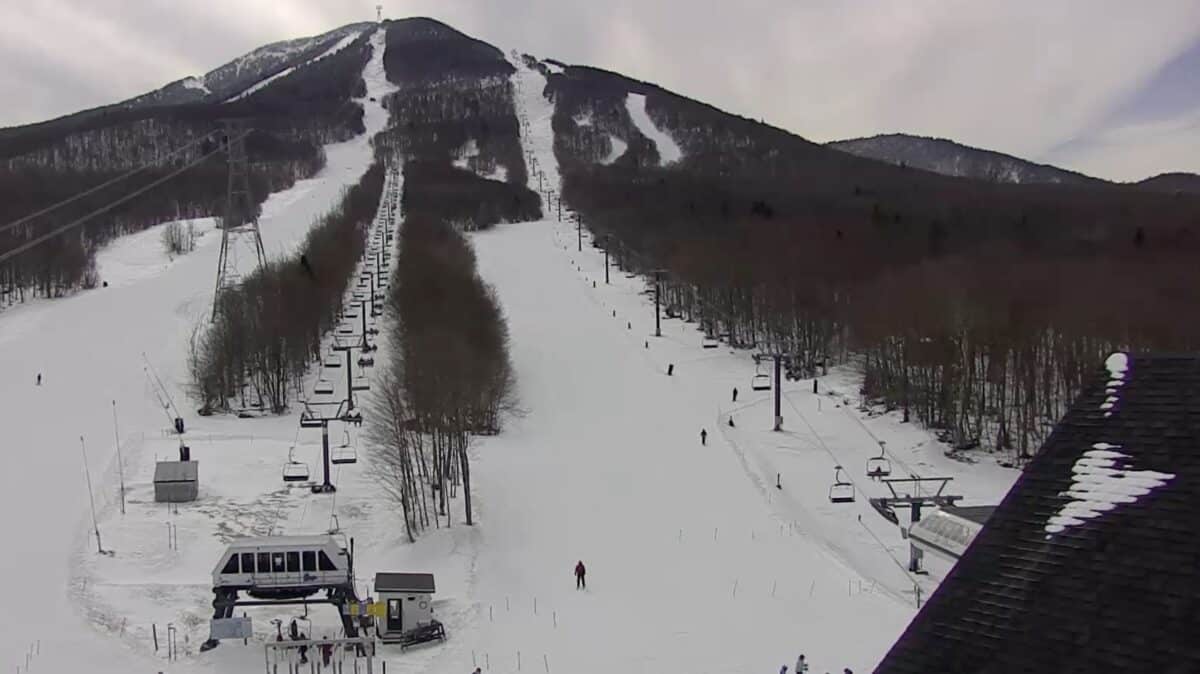
2. New Hampshire – 2.140 ski areas per 100,000 people
New Hampshire emerges as a strong contender for winter sports enthusiasts, securing the second spot with a remarkable density of ski areas per capita. The Granite State is home to numerous ski resorts, including popular destinations like Killington (though technically Vermont, it serves a significant New Hampshire population), Cannon Mountain, and Mount Snow (also serving NH), offering a diverse range of skiing experiences. The state’s commitment to preserving its winter recreation infrastructure, coupled with its geographic location within the densely populated Northeast, contributes to this high ranking. The ski season typically runs from December through March, and the state’s numerous hills and mountains provide accessible options for a large segment of its population.
1. Vermont – 4.016 ski areas per 100,000 people
Vermont stands at the pinnacle of U.S. states with the most ski areas per capita, a testament to its deeply ingrained ski culture and its iconic status in the winter sports world. With a disproportionately high number of ski resorts relative to its population, Vermont offers unparalleled access to the slopes for its residents. The Green Mountain State is home to legendary resorts such as Stowe, Killington, and Okemo, each offering unique challenges and charm. This high per capita figure suggests that for every 100,000 Vermonters, there are over four ski areas within reach, fostering a strong community of skiers and snowboarders. The state’s consistent snowfall, varied terrain, and historical dedication to preserving its natural beauty have solidified its reputation as a premier skiing destination. The ski season in Vermont typically commences in late November or early December and extends well into April, providing ample opportunities for its residents and visitors to enjoy the winter wonderland.
Data Sources and Methodology
The rankings presented are based on the most recent available data for ski areas from the National Ski Areas Association (NSAA) and population figures from the U.S. Census Bureau. The calculation for ski areas per capita is performed by dividing the total number of ski areas in a state by its population, and then multiplying by 100,000 to express the ratio per 100,000 people. This methodology provides a standardized comparison across states with vastly different population sizes. It is important to note that the NSAA data typically reflects operational ski areas, which may include resorts, ski hills, and tubing parks that offer downhill skiing. The U.S. Census Bureau provides the most current population estimates for each state, ensuring the accuracy of the per capita calculations.
Implications for the Ski Industry and Local Communities
The data on ski areas per capita offers valuable insights beyond simple rankings. For states with a high per capita concentration, it suggests a robust local ski culture that contributes significantly to the regional economy through tourism, employment, and ancillary businesses. These states often benefit from consistent investment in infrastructure and marketing to cater to both local enthusiasts and seasonal visitors.
Furthermore, this metric can inform urban and regional planning, highlighting areas where winter recreation infrastructure is a critical component of community life. It can also influence policy decisions related to land use, environmental protection of mountain regions, and the development of recreational facilities. For smaller states or those with a strong ski identity, maintaining and expanding ski areas can be a vital economic strategy, supporting local jobs and preserving traditional ways of life.
The consistent presence of New England states, as well as mountainous Western states, at the top of this list reinforces the strong correlation between natural geography and the prevalence of skiing. However, the inclusion of states like Wisconsin also points to the adaptability of the sport and the development of ski infrastructure in regions not typically considered prime mountain destinations. This diversity in the per capita rankings underscores the widespread appeal and accessibility of skiing and snowboarding across a variety of American landscapes.
