
The alpine community of Engelberg is in mourning following a catastrophic mechanical failure on the Titlis Xpress cable car system that resulted in the death of a 61-year-old Swiss national on Wednesday morning, March 18, 2026. According to official reports from the Obwalden cantonal police, a single gondola cabin detached from its haulage cable shortly after departing the Trübsee intermediate station, plummeting to the rugged terrain below. The incident occurred during a period of volatile weather characterized by high-velocity wind gusts, prompting an immediate and large-scale emergency response involving air rescue services, specialized mountain police units, and local ambulance crews. As the investigation into the technical cause of the detachment begins, the accident has raised urgent questions regarding the operational thresholds for mountain transport during inclement weather and the resilience of modern cable car infrastructure.
Chronology of the Incident
The events leading to the tragedy began in the early hours of Wednesday, March 18. While the ski resort of Engelberg-Titlis had opened its lower slopes to the public, meteorological conditions were deteriorating rapidly as a high-pressure system collided with an incoming cold front, creating significant atmospheric turbulence across the Central Swiss Alps.
At approximately 9:30 AM, the Titlis Xpress, a high-capacity 8-seater gondola system that serves as a primary artery for skiers and tourists traveling toward the Stand station and the Titlis glacier, was operational. Despite reports of increasing wind speeds, the lift continued to transport guests. At roughly 10:15 AM, a gondola cabin occupied by a single 61-year-old female passenger departed the Trübsee station, which sits at an elevation of 1,800 meters (5,905 feet) above sea level.
As the cabin moved into the middle section of the ascent toward the next pylon, eyewitnesses reported that the cable began to sway violently under the pressure of lateral wind gusts. Video footage captured by a nearby skier and subsequently circulated on social media platforms shows the cabin oscillating before the grip mechanism—the component that secures the cabin to the moving cable—suddenly failed. The gondola detached entirely, tumbling down the steep embankment of Mt. Titlis. Onlookers described a harrowing scene as the cabin flipped several times over the rocky outcropping before coming to a rest in a snowbank.
Emergency protocols were activated within minutes of the crash. The Titlis Xpress was immediately halted, leaving between 100 and 200 passengers suspended in approximately 40 other cabins along the line. By 10:45 AM, REGA (Swiss Air-Rescue) helicopters and cantonal police arrived on the scene. Despite the rapid response, medical teams confirmed that the 61-year-old woman had succumbed to her injuries at the site of the crash.
Technical Specifications and the Role of Weather
The Titlis Xpress is considered one of the more modern installations in the region, designed to withstand the rigorous demands of high-altitude transport. However, the operational data from the morning of the accident suggests that environmental factors may have exceeded the safe operating envelope of the machinery.
According to police reports and local meteorological data, wind gusts at the time of the accident were recorded in excess of 80 km/h (approximately 50 mph). Standard safety protocols for the Titlis Xpress typically dictate that the service should be suspended when sustained wind speeds or frequent gusts exceed 60 km/h (37 mph). The investigation is now focusing on why the lift remained in operation as these thresholds were approached and eventually surpassed.
The "detachable" nature of the Titlis Xpress cabins is a standard feature of modern gondolas, allowing them to slow down or stop at stations for passenger boarding while the main cable continues to move at a constant speed. This is achieved through a spring-loaded grip mechanism. Investigators from the Swiss Transportation Safety Investigation Board (STSB) are currently examining the specific grip of the fallen cabin to determine if a mechanical defect, ice accumulation, or the sheer force of the wind caused the grip to disengage from the haulage rope.
Emergency Response and Evacuation Logistics
The rescue operation following the crash was a complex logistical undertaking, hampered by the very winds that are suspected of causing the accident. With the lift system paralyzed, the priority shifted to the safe extraction of the 100 to 200 passengers trapped in the remaining cabins.
Because the winds remained too high for a direct "long-line" helicopter evacuation for every passenger, mountain rescue teams utilized manual evacuation techniques. Specialized technicians climbed the lift towers and moved along the cables to reach individual gondolas. Passengers were then lowered to the ground using harnesses and ropes—a process known as "abseiling"—before being escorted or skied down to the safety of the Trübsee station.
By mid-afternoon, all trapped passengers had been successfully evacuated. While several individuals were treated for mild shock and exposure to the cold, no further physical injuries were reported among the rescued guests. The resort management provided counseling services and transport back to the valley for those affected by the stoppage.
Official Reactions and Legal Implications
The management of the Engelberg-Titlis Bergbahnen (the mountain railway company) has expressed profound sorrow over the loss of life. Norbert Patt, the director of the lift operations, issued a formal statement on Wednesday afternoon: "We are deeply shocked by this tragic event. Our thoughts and deepest sympathies are with the victim’s family and loved ones. We are cooperating fully with the authorities to understand how this could have happened despite our rigorous safety standards."
The Public Prosecutor’s Office of Obwalden has opened a formal inquiry into the incident, a standard procedure in Swiss law for fatal accidents. This investigation will work in tandem with the STSB to determine if there was any criminal negligence involved, particularly regarding the decision-making process that led to the lift remaining open during high winds.
Key areas of the legal inquiry will include:
- Decision Logs: Reviewing the internal communications of the lift operators to see when the 60 km/h wind threshold was breached and why the "stop" order was not issued earlier.
- Maintenance Records: Examining the service history of the Titlis Xpress, specifically the grip mechanisms and the cable integrity.
- Sensor Reliability: Determining if the anemometers (wind speed sensors) on the lift towers were functioning correctly and providing real-time data to the control center.
Broader Context: Cable Car Safety in Switzerland
Switzerland is home to one of the densest and most technologically advanced networks of cable cars and gondolas in the world. Statistically, mountain transport in the Swiss Alps remains one of the safest modes of travel. According to data from Seilbahnen Schweiz (the Swiss Cableways Association), millions of passengers are transported annually with remarkably few fatalities.
However, the accident at Engelberg is not without precedent in the history of Alpine transport. Previous incidents, such as the 2018 stoppage of the Kleinstein gondola and various cable derailments in the early 2000s, have led to increasingly stringent regulations. The Federal Office of Transport (FOT) oversees these regulations, requiring annual inspections and "major overhauls" of grip mechanisms every few years.
The tragedy at Mt. Titlis serves as a sobering reminder of the inherent risks of high-altitude operations. Experts suggest that as climate change leads to more frequent and unpredictable extreme weather events in the Alps—including higher-velocity "Föhn" winds—resort operators may need to reconsider their safety margins and investment in wind-stabilization technologies, such as "tri-cable" (3S) systems which offer greater stability than the single-cable system used by the Titlis Xpress.
Economic and Tourism Impact
Engelberg is a premier destination for international tourism, particularly for visitors from Asia and Europe who come to see the Titlis glacier and the world-famous Rotair revolving cable car. The Titlis Xpress serves as the vital first leg of this journey.
The immediate suspension of the cable car service will have a significant impact on the local economy during the final weeks of the winter season. With the investigation expected to keep the Titlis Xpress closed for an extended period, the resort faces logistical challenges in moving tourists to the upper elevations. Furthermore, the psychological impact on potential visitors cannot be understated; safety is a cornerstone of the Swiss tourism brand, and a high-profile accident of this nature requires a transparent and thorough resolution to maintain public confidence.
Conclusion and Future Outlook
As of the evening of March 18, the area around the crash site remains cordoned off for forensic analysis. The wreckage of the gondola cabin has been secured and will be transported to a laboratory for detailed metallurgical testing.
The death of the 61-year-old Swiss woman is a tragedy that has resonated throughout the skiing world. While the investigation is in its infancy, the focus remains on the intersection of mechanical reliability and human judgment in the face of volatile environmental conditions. In the coming weeks, the Swiss transportation authorities are expected to issue preliminary findings that may lead to new safety mandates for cable car operators across the Alpine region, ensuring that such a failure of equipment and protocol never recurs.
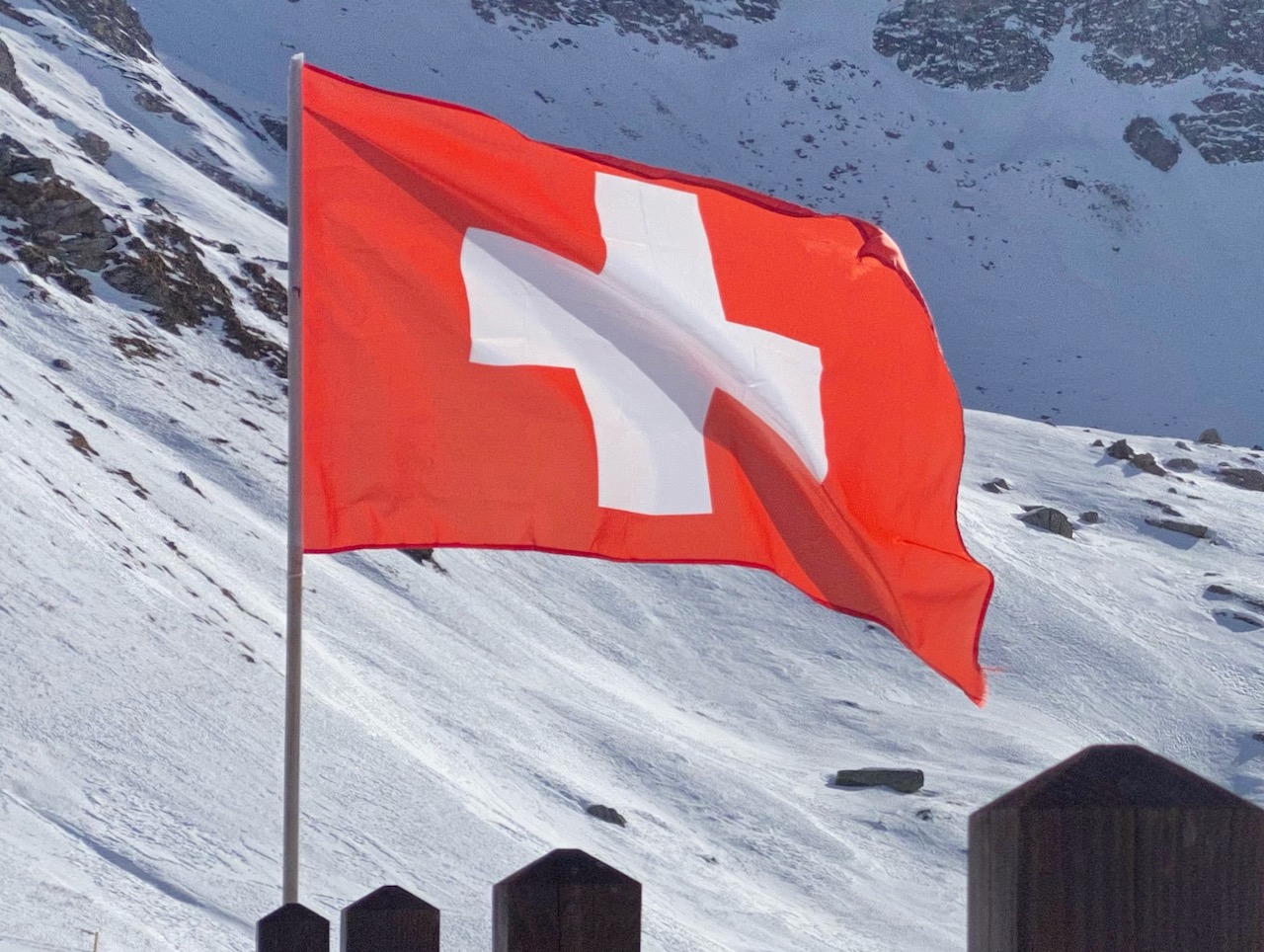
PlanetSKI and other major news outlets will continue to monitor the progress of the STSB investigation and provide updates as more information regarding the victim and the technical causes of the accident becomes available. For now, the flags in Engelberg fly at half-mast, marking a dark day for one of Switzerland’s most iconic mountain peaks.
