
Many skiers, from recreational enthusiasts to seasoned competitors, are failing to fully leverage the capabilities of their adjustable ski bindings, often underutilizing or misapplying their functionality. This oversight means they are missing out on significant improvements in glide, grip, and overall ski stability, regardless of ski type or prevailing snow conditions. By understanding and implementing simple adjustments, skiers can unlock a new level of performance and enjoyment.
The core principle behind adjustable bindings, particularly prevalent in modern cross-country skiing equipment, revolves around altering the binding’s position relative to the ski’s camber and flex zones. This seemingly minor positional shift can dramatically influence how the ski interacts with the snow. For years, the primary awareness of this adjustability has been centered around waxable classic skis and, more recently, the specific needs of grip skis (felleski). However, the full potential for optimizing performance on skate skis and even traditional waxless models remains largely untapped by the broader skiing community.
The implications of mastering this adjustability are far-reaching. Skiers can fine-tune their equipment to match specific terrain, weather patterns, and even their own body weight. This adaptability can translate into tangible benefits such as increased speed, enhanced control, and a more profound connection with the skiing experience. In practical terms, this means that a single pair of skis equipped with adjustable bindings could potentially replace the need for multiple specialized ski setups, offering a more versatile and economical solution for diverse skiing needs.
The Mechanics of Adjustment: A Paradigm Shift in Skiing Dynamics
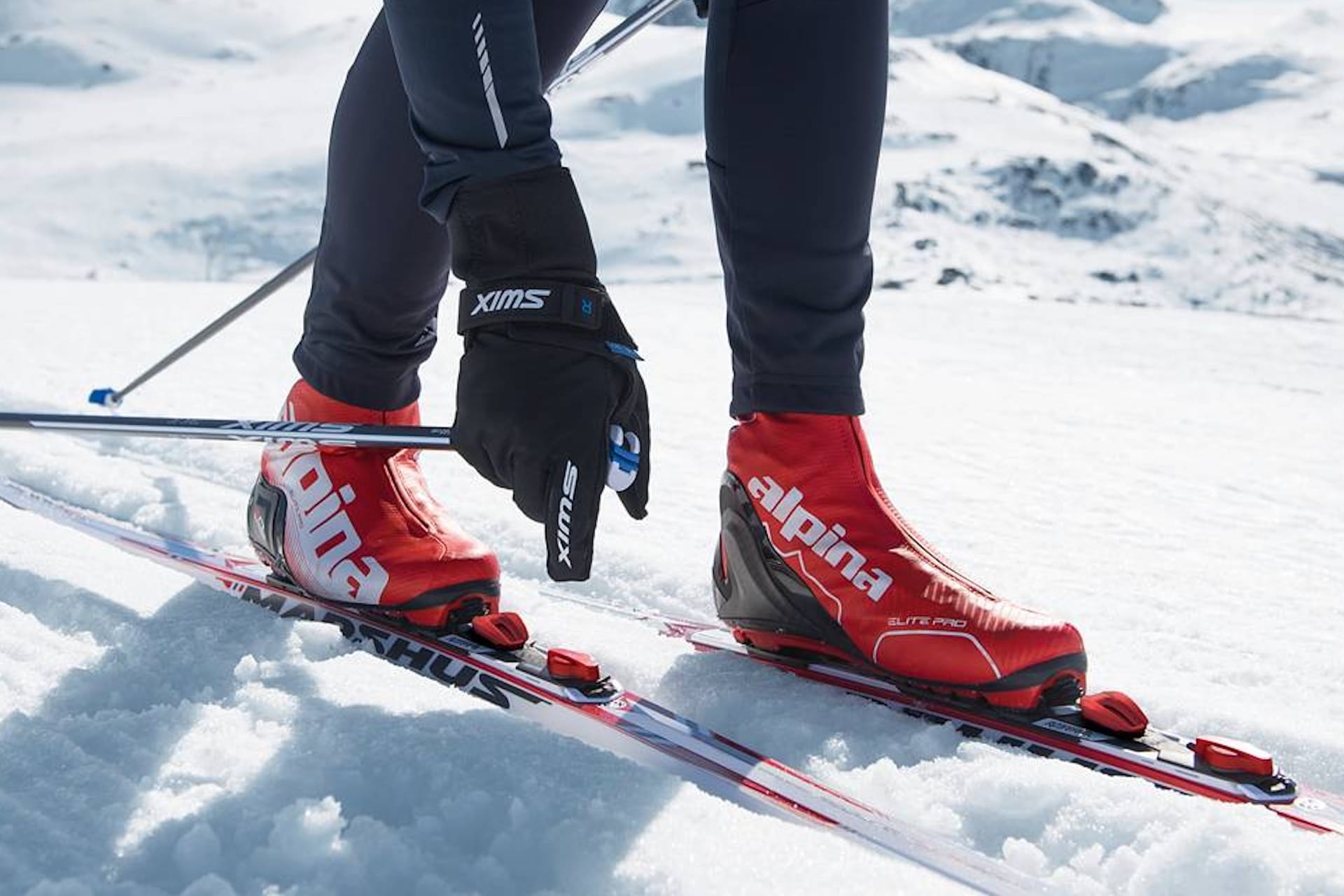
The process of adjusting ski bindings varies across different binding systems and generations of technology. While older models might necessitate removing skis and employing basic tools, the evolution of binding design has prioritized user-friendliness and on-the-fly adjustments. Systems like the Rottefella MOVE Switch, for instance, exemplify this trend, allowing skiers to modify their binding position in real-time, even while standing on their skis, with a simple switch located near the toe of the boot. This accessibility democratizes the ability to optimize ski performance, making advanced tuning available to a much wider audience.
This technological advancement is a significant departure from previous binding paradigms. For context, the introduction of integrated binding systems, such as the Nordic Integrated System (NIS) for classic skis, revolutionized how bindings were attached to skis, moving away from screws to a slot-based system. The development of adjustable bindings represents a further evolution, shifting the focus from static mounting to dynamic performance optimization. This innovation is not merely an accessory; it is a fundamental enhancement to the ski’s inherent capabilities.
Classic Skiing: Mastering Grip and Glide with Precision
In classic skiing, the ability to adjust binding position is particularly impactful. For skiers utilizing waxless skis (felleski), the perceived benefit of adjustable bindings is often recognized in their capacity to fine-tune grip without the need for re-waxing. However, the principle extends beyond waxless skis and applies with equal, if not greater, efficacy to traditional waxable skis.
On waxable skis, the art of waxing has traditionally been the sole method for dictating grip and glide. The nuances of wax selection and application are well-known to dedicated skiers, but they are also time-consuming and dependent on precise temperature and humidity readings. Adjustable bindings offer a complementary, and in some scenarios, superior method of control.
By strategically moving the binding forward, skiers can effectively increase the pressure on the ski’s kick zone, thereby enhancing grip. This is invaluable when ascending steep inclines, where a secure push-off is paramount. Conversely, shifting the binding backward moves the pressure point further back on the ski. This backward adjustment reduces the pressure on the kick zone and promotes a more fluid, extended glide, particularly beneficial on flatter sections and descents. This dynamic adjustment capability means that skiers can adapt their skis to changing terrain without interruption, optimizing their energy expenditure and maximizing their speed.
The Impact on Zero and Rubbed Skis: Navigating Challenging Conditions
Zero skis are engineered to perform optimally in transitional "zero" conditions, where temperatures hover around freezing and snow moisture can be highly variable. In these challenging environments, achieving consistent grip with traditional waxing can be exceptionally difficult, often becoming a gamble. Zero skis typically feature a specialized grip zone that is ‘rubbed’ with a specific type of grip material or treated to provide traction.
Even with these specialized skis, the principles of adjustable binding positioning remain highly relevant. When faced with conditions requiring enhanced grip, such as a steep uphill pitch in slushy snow, moving the binding forward can provide the necessary leverage and pressure on the rubbed zone. This maximizes the ski’s ability to grip the snow, preventing slippage. Conversely, when the primary objective is to maximize speed on flatter terrain or descents, or if the rubbed zone is proving overly grippy and hindering glide, shifting the binding backward can alleviate this. This backward shift reduces the contact pressure on the grip zone, allowing the ski to glide more freely and efficiently. The ability to make these adjustments on the fly significantly broadens the operational window for zero skis, making them a more versatile choice for a wider range of conditions.
Weight-Based Customization: A Personalized Performance Edge
One of the most consistently underestimated advantages of adjustable bindings is their capacity to tailor ski performance to an individual’s body weight. Ski design, particularly concerning flex and camber, is often based on average skier weights for specific ski lengths and types. However, individual skiers can deviate significantly from these averages.
By moving the binding forward, a heavier skier can effectively increase the pressure on the ski’s kick zone or grip area, ensuring adequate engagement with the snow. This is crucial for generating sufficient propulsion, especially on classic skis. Conversely, a lighter skier might find that the standard binding position results in excessive pressure, leading to a "sticky" feel and reduced glide. By moving the binding backward, a lighter skier can reduce this pressure, allowing the ski to engage its optimal flex and glide characteristics more effectively. This personalized tuning ensures that the ski performs as intended for the individual, rather than relying on a generic compromise. This can lead to a more responsive feel, improved energy transfer, and a more enjoyable skiing experience for skiers of all sizes.
Skate Skiing: Enhancing Control and Flow
The benefits of adjustable bindings are not confined to classic skiing techniques; they are also highly advantageous for skate skiers. The dynamic nature of skate skiing, with its emphasis on powerful strides and efficient weight transfer, can be significantly enhanced by precise binding placement.
On hard, fast snow, a forward-positioned binding can increase the skier’s control over the ski. This improved control allows for more precise edge engagement and stability during powerful pushes, reducing the risk of the ski washing out. It can also aid in maintaining a stable platform for double poling.
In softer or looser snow conditions, such as powder or tracked-out snow, a backward-positioned binding can dramatically improve the ski’s ability to float and glide. This backward shift helps to prevent the ski tips from digging into the snow, a common issue known as "digging in" or "plowing," which significantly hinders speed and efficiency. By lifting the tip and allowing the ski to plane over the snow, the skier can maintain momentum and reduce wasted energy.
Furthermore, just as in classic skiing, adjustable bindings on skate skis allow for weight-based customization. A heavier skater might benefit from a slightly more forward position to ensure consistent edge engagement and power transfer, while a lighter skater might opt for a more rearward position to optimize glide and reduce the risk of the ski feeling overly stiff or unresponsive. This adaptability allows skate skiers to fine-tune their equipment for varied conditions and personal biomechanics, leading to faster splits and a more controlled and enjoyable skiing experience.
Catering to Young Skiers: Adapting to Growth and Development
Adjustable bindings also offer a practical solution for the evolving needs of young skiers. As children grow, their weight and strength increase, and their skiing technique develops. Adjustable bindings can help compensate for these changes to a certain extent. For instance, as a child gains weight, a slight forward adjustment of the binding can help them achieve the correct pressure on the ski for effective propulsion. Conversely, as their technique improves and they develop a more efficient kick, a backward adjustment might be needed to optimize glide.
However, it is crucial to emphasize that adjustable bindings are not a substitute for correctly sized equipment. While they can offer some degree of adaptation, the fundamental importance of selecting skis that are appropriate in length and stiffness for a child’s current size and skill level cannot be overstated. Proper equipment is paramount for fostering correct technique, building confidence, and ensuring a positive and enjoyable introduction to skiing. The adjustability of the binding serves as a valuable tool to fine-tune an already well-chosen ski.
Conclusion: A Tool for Enhanced Skiing Performance
In summary, adjustable ski bindings are far more than a minor convenience; they are a powerful tuning tool that can significantly enhance a skier’s performance and enjoyment. By understanding and utilizing the adjustability offered by modern binding systems, skiers can unlock the full potential of their equipment. Whether seeking improved grip on icy ascents, enhanced glide on flatter terrain, greater control on challenging descents, or a personalized fit for their unique body weight and skiing style, adjustable bindings provide a versatile and effective solution. Embracing this technology allows skiers to adapt their equipment to the ever-changing demands of the snow and terrain, ensuring that each outing is optimized for speed, stability, and an unparalleled skiing experience. The ability to make these micro-adjustments transforms a static piece of equipment into a dynamic extension of the skier, capable of responding to the nuances of every turn and every stride.
