
The intricate world of Olympic snowboard judging, often a subject of intense scrutiny and passionate debate among athletes and fans alike, has undergone significant evolution, particularly in the wake of recent high-profile controversies. At the heart of this complex system are seasoned officials like Gaz Vogen, Adam "Beggsy" Beggs, and Iztok Sumatic, who navigate the delicate balance between technical mastery, artistic expression, and the relentless march of athletic progression. Their insights reveal a sophisticated framework designed to ensure fairness, transparency, and a continuous dialogue with the snowboarding community, shaping not only who stands on the podium but also the very direction of the sport.
The Anatomy of a Score: DAVE-P and Beyond
Olympic snowboarding events such as Big Air and Halfpipe are assessed on an "overall impression" basis, guided by the foundational DAVE-P criteria: Difficulty, Amplitude, Variety, Execution, and Progression. This holistic approach means that six scoring judges each award a score out of 100 for every run. These individual scores are then funneled to the head judge, who, in a critical step to eliminate potential outliers or anomalous scores, discards the highest and lowest marks before averaging the remaining four to determine the final score. This method aims to foster consensus while mitigating the impact of any single judge’s extreme perspective.
Slopestyle, however, presents a distinct challenge due to its multi-feature course design, necessitating a more granular judging structure. Here, six dedicated "section judges" are assigned to evaluate each individual feature on the course, scoring them out of a maximum of 10 points. Complementing these are three "composition judges" who assess the entire run, considering how all the elements coalesce into a cohesive and impactful performance. These composition judges award scores out of 100, which are then condensed by a specialized tabulation system into a score out of 40. This allows for the integration of section scores with overall impression, culminating in a total score out of 100 that is transmitted to broadcasters and the public. The head judge, in this scenario, acts as a crucial arbiter and facilitator, orchestrating discussions among judges to ensure alignment and address any discrepancies before final scores are submitted. As Beggsy explains, while he doesn’t score directly, he "discuss[es] sort of where the score is sitting," probing judges on their rationale and highlighting key moments like "a hand touch on jump one, or an early off [a rail]" to refine the collective assessment.
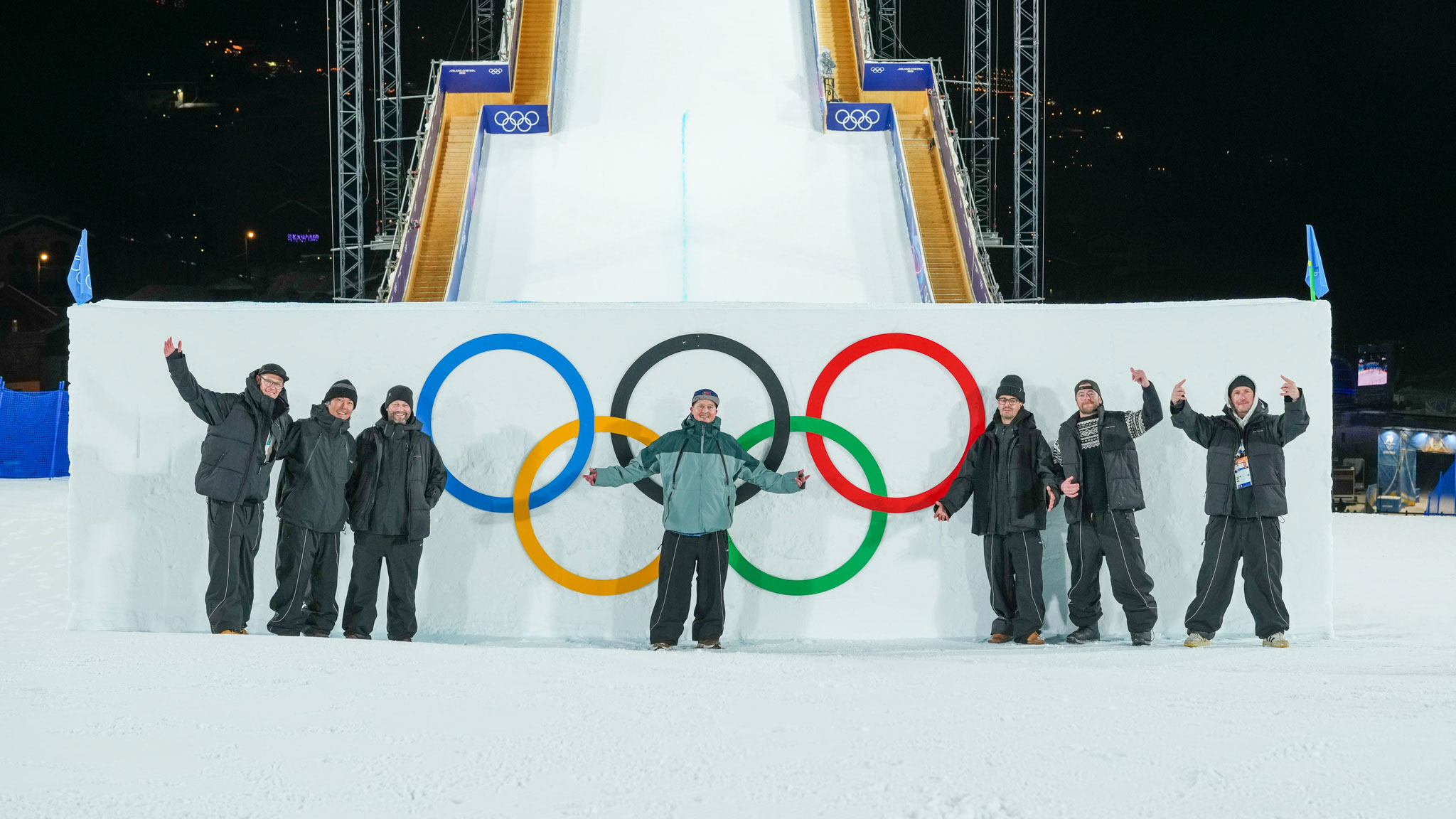
A notable semantic shift has occurred in Slopestyle, with "overall impression judges" now referred to as "composition judges." Iztok Sumatic clarifies this change as significant, indicating a re-emphasis on specific criteria. "The main thing it means is that trick difficulty is more under the section judges," he states. While difficulty remains a component of composition scores, the primary focus for composition judges has increasingly gravitated towards "execution and the variety in terms of the tricks, and of the direction of spin, and off-axis, and grabs and all of that." This adjustment underscores a strategic effort to dissect the overall impression more precisely, ensuring that each element of a run receives appropriate weighting.
Beijing 2022: The Catalyst for Camera System Overhaul
The 2022 Beijing Winter Olympics proved to be a pivotal moment for snowboard judging, particularly in the realm of visual accuracy. A controversial incident involving Canadian rider Max Parrot’s gold medal-winning slopestyle run, where a "knee grab" was widely debated as a potential "missed grab" due to unclear camera angles, highlighted critical deficiencies in the broadcast infrastructure. The Olympic Broadcast Service (OBS), responsible for all camera operations and feeds to global broadcasters, was found to be inconsistent in providing the judges with the optimal angles required for precise evaluation.
"After the incident in Beijing four years ago, we realised we couldn’t really trust the OBS [Olympic Broadcast Service] to give us the consistent camera angles that we wanted," Gaz Vogen recounts. This realization prompted a drastic and unprecedented measure: the judging panel decided to implement their own independent camera production team. Collaborating with a company like Alibaba, they effectively managed their camera angles for Big Air, Halfpipe, and Slopestyle events. This move was a direct response to the frustration of receiving inadequate or varying perspectives, which can significantly alter a judge’s perception of a trick’s execution. "For us as judges, the best way is to see the same angle for every single runner, because the perspective of the camera will change our perception of the trick," Vogen emphasizes. The impact was immediate and profound; despite reports of poor broadcast quality from OBS, the judges’ internal feed suffered "not a single missed trick from the camera the entire Games." This reform was a monumental step towards ensuring that judging decisions were based on the clearest possible visual evidence, directly addressing a fundamental fairness issue that had plagued previous competitions.
Slopestyle’s Mandate for Variety: The Mari Fukada Case
The refined judging criteria and improved camera systems played a crucial role in the outcome of subsequent Slopestyle events, notably influencing the results of the women’s competition where Mari Fukada clinched gold. Her victory, which saw her outscore the likes of silver medalist Zoi Sadowski-Synott and bronze medalist Kokomo Murase, sparked discussion, particularly concerning the perceived difficulty of her jumps compared to her competitors. However, the judges’ explanation firmly rooted the outcome in the emphasized "variety" criteria.
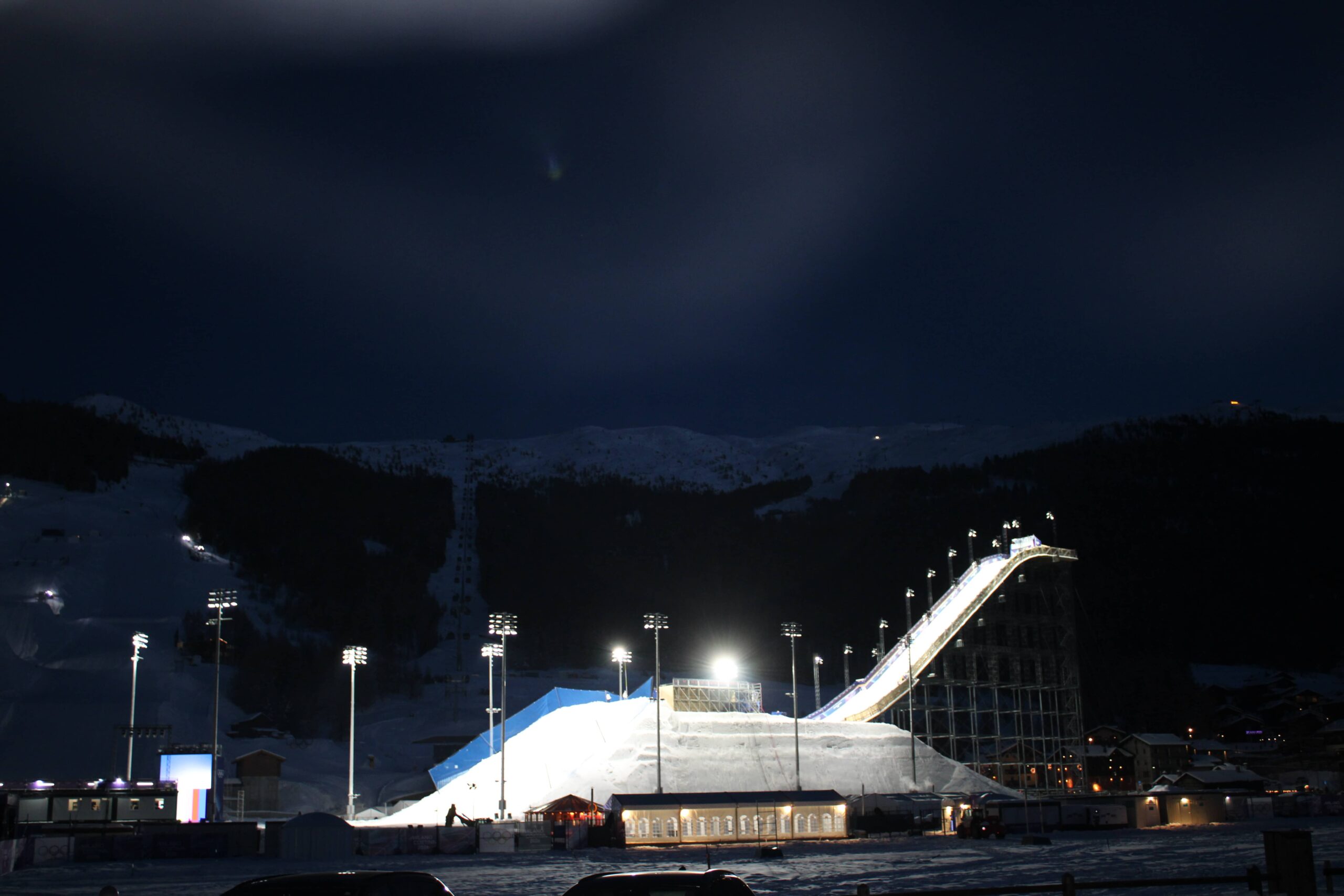
"If we start with Koko, the big sticking point from a composition perspective was the lack of a switch backside spin. That hurts her score when it comes to meeting the ‘variety’ criteria," Vogen explains. Both Zoi Sadowski-Synott and Mari Fukada, in contrast, showcased "all four directions" of spin. Beggsy further clarified that this requirement was not a surprise, as judges had "made it clear to riders that all four directions needed to be included down the course, because it was essentially a seven feature course." This crucial communication was delivered both at the Team Captain’s Meeting, attended by coaches and rider representatives, and directly to athletes and coaches via a dedicated WhatsApp group, ensuring full transparency.
This focus on variety directly explains why Murase’s individual trick scores might have been higher (49.80) than Sadowski-Synott’s (48.95), yet her composition score was significantly lower (36.0 vs. 38.53). The composition score, as Vogen elaborates, explicitly "takes into account… the variety—so all four directions of spin—the execution, and the progression, to an extent." Furthermore, Murase’s run was penalized for execution on an early feature; Beggsy noted, "Also with Koko’s best-scoring run, her first rail was a bad score. It was an easy rail, easy trick, but poorly-executed."
Addressing a common misconception regarding rail tricks, Beggsy clarified that a "switch backside boardslide" on a rail does not fulfill the "switch backside rotation" requirement. "If you think about the actual rotation, it’s a switch back board, so she’s still facing forward. It’s basically a cab boardslide, so it’s not a switch backside rotation." This technical distinction highlights the meticulous detail with which judges evaluate every element of a run.
The debate further intensified with commentators like Todd Richards questioning how a run with "two 720s" could win a gold medal in the current era of high-rotation tricks. Vogen and Beggsy’s response was unequivocal: execution. "The key point with Mari’s run was it was absolutely flawless execution. She was locked over the rails, had all the grabs—the execution was completely flawless," Vogen asserts. He draws a direct comparison to Zoi Sadowski-Synott, whose second section included a frontside lipslide on which she "slipped out," leading to a significantly lower section score of 4.6. "Taking that execution into account was kind of key," Vogen states. Beggsy reinforces this, proclaiming Mari’s run as "the only flawless run on the day. Every other run had little instabilities, whether it’s an early-off, or a hand touch, or an edge of some sort." Mari Fukada’s flawless execution, combined with her fulfillment of the four-direction variety and a unique "toes-side" take-off on her front seven, provided a decisive edge in the composition and variety scores, underscoring the judges’ commitment to rewarding precision alongside difficulty. This also addresses a long-standing desire within the snowboarding community for "style points" and well-executed tricks, a direct counterpoint to the "spin to win" mentality.
Big Air’s Evolving Axes: Beyond Rotational Counts
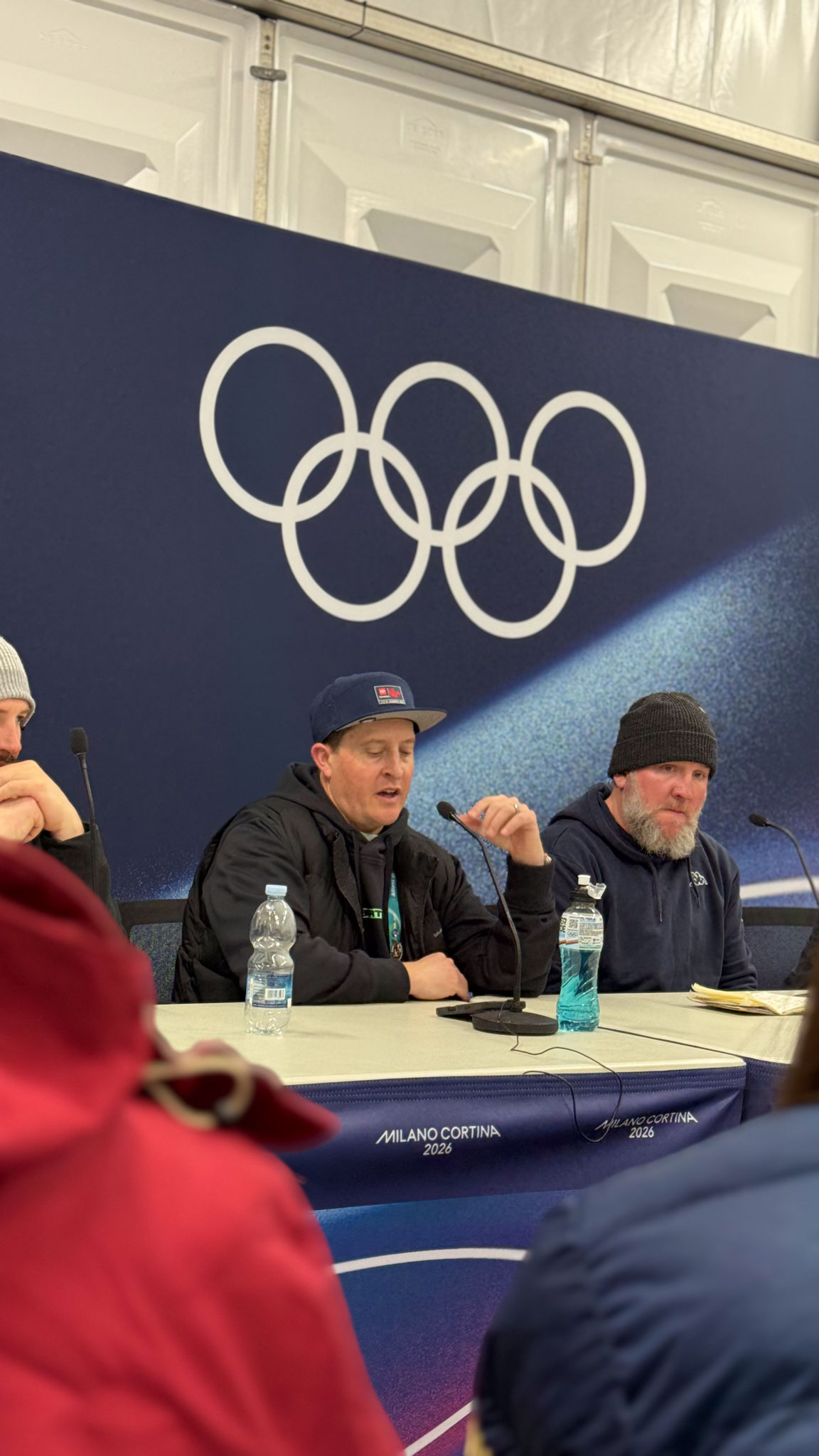
The Big Air discipline has also seen a deliberate shift in judging emphasis, moving beyond mere rotational count to reward innovation and diverse axes of rotation. This was prominently displayed in the men’s final, where Frank Jobin received high scores for his double rodeo and switch backside double rodeo, despite them being "only" a 1440 and a 1260, respectively, while many competitors were attempting 1800s and 1980s.
"Yes and a different axis of rotation," Vogen confirms, explaining Jobin’s success. This trend, consistent over the past two World Cup seasons, is a direct result of rider feedback. "If the riders want to go spin to win, then awesome, we’ll judge like that. But when the riders are telling us that rodeos or weirder, low-rotational tricks on different axes—like Eli Bouchard’s tricks—are harder and deserve more points, then we’re happy to reward those," Vogen states. This iterative process involves ongoing dialogue with the community to establish equitable scoring for these innovative tricks relative to traditional spins.
The qualifying rounds often showcase a broader spectrum of these unique tricks, with Beggsy noting "a number of switch rodeos, butter tricks, pullbacks, all that sort of parallel direction of the sport, and they were awarded [high points]." However, the high-pressure environment of the finals often sees riders revert to more conventional, high-rotation maneuvers. "Unfortunately Frank was the only one to get through the finals," Beggsy laments, indicating that while the "messaging [to the riders] was there in qualifications," the final round witnessed a return to the "spin to win" approach for many. This dynamic illustrates the influence of judging on rider strategy; as Vogen points out, "if suddenly a switch back rodeo 12 scores well, then more people start trying them." This aligns with a conscious effort by judges to "slow down the space race of extra 180s," a sentiment echoed by Beggsy, who highlights rider-driven pushes for "creative, unique, different axis spin, alley oops in halfpipe, all these other things." Iztok draws a parallel to Sage Kotsenburg’s "Holy Crail grab" gold in Sochi 2014, which sparked a focus on diverse grabs, suggesting a similar ripple effect is now being sought for rotational variety.
Halfpipe’s Pinnacle of Precision and Progression
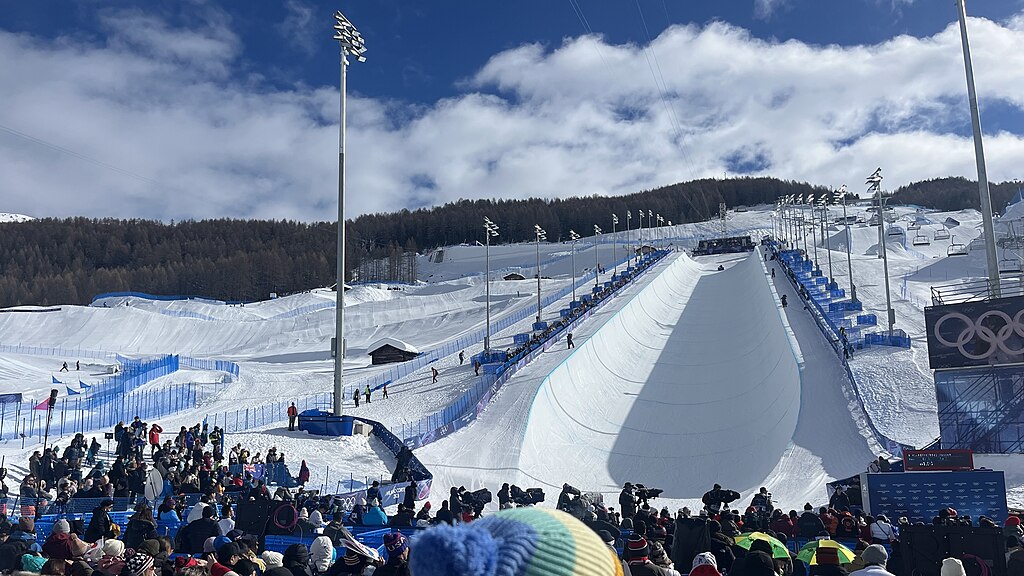
The Halfpipe discipline, a perennial battleground for amplitude and technicality, also provided compelling insights into the judging philosophy. The contest between Scotty James and Yuto Totsuka, where James finished second and appeared visibly displeased with his score, underscored the paramount importance of execution.
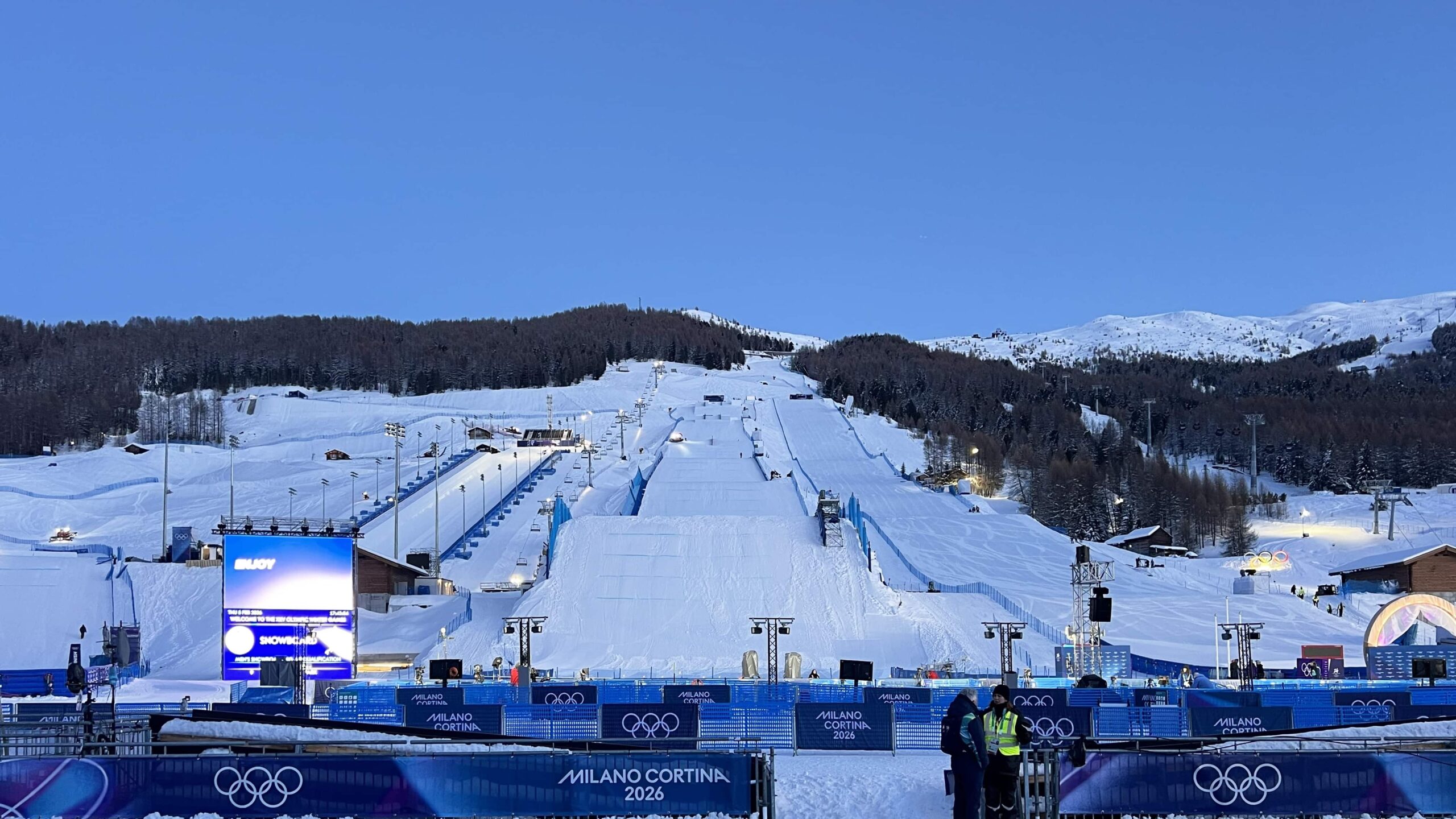
Vogen attributes Totsuka’s victory to his "more flawless" execution and "four and a half directions" of spin, including the often-underutilized alley-oop. While Scotty James presented "really good combinations, like from the back 10 to switch back 14," his "execution was probably the biggest point," with "under-rotated" landings on his first and last hits impacting his overall clarity. The hypothetical scenario of James landing his ambitious, "rarely been done" back 16 on his final run remains just that—a hypothetical, though Iztok concedes, "You can say Scotty was very close."
A standout example of progression in the Halfpipe came from Ryusei Yamada, whose "crazy alley oop off the heels" captivated judges. Beggsy describes it as a "switch frontside alley-oop 10 off the heels, which is another NBD [never been done] in competition. Off the heels, back up the pipe." Iztok, clearly impressed, declares, "Ryusei’s run just blew my mind… when it comes to progression, so this is me specifically talking as a scoring judge at this particular event, the alley oops is that one frontier to still be explored and where you can still push the progression in a big way." Vogen elaborates that the "progression criteria" assesses both entirely new rotations and unique elements of a trick that advance the sport, such as a different take-off. Ryusei’s trick scored highly on both difficulty and progression, demonstrating that unique contributions are handsomely rewarded. The longevity of this "progressive reward" diminishes as more riders adopt the trick, but its inherent difficulty value remains. Ironically, Scotty James himself was a pioneer in this regard, introducing unique elements like his switch back 12 years prior, emphasizing the continuous cycle of innovation and adaptation within the sport.
The Future Trajectory: Rider-Centric Evolution and Women’s Ascent
The overall sentiment from the judges points to a progressive era for competitive snowboarding, albeit with inherent challenges. Despite some "speed issues for some of the women in slopestyle, and the big air jump wasn’t massive" at times, the sport is clearly moving forward. Vogen identifies the women’s Big Air contest as his "favourite contest I’ve judged," highlighting the "very rapid rate" of progression in women’s snowboarding and the supportive community surrounding it. The emotional reaction of Kokomo Murase to her medal win, distinct from X Games accolades, underscores the unique prestige of the Olympics. The bold attempt by Mia Brookes at a back 16, a trick she had reportedly never even tried on snow, further exemplifies this fearless push for progression, even if it didn’t result in a podium finish.
The constant dialogue between judges and riders, exemplified by rider meetings and direct communication channels, is crucial for this evolution. Criteria like rewarding different take-offs emerged directly from rider input, reflecting their collective understanding of difficulty and style. As Vogen notes, this rider-driven approach ensures that even with increasingly complex tricks, "riders still want them to be well-executed, with long held grabs and so on. It’s a nice way of us not turning into [ski] aerials." This collaborative spirit is foundational to ensuring that competitive snowboarding retains its soul, balancing technical prowess with the inherent style and creativity that defines the sport.
In a concluding statement relayed through Vogen, Adam "Beggsy" Beggs underscored his unwavering confidence in the judging panel: "Can you let Whitelines know that I back the team 100 percent. There is nobody I would rather have on such a big event. Their experience, knowledge, work ethic, and calmness under pressure was why they were selected for this. They judged to the criteria and the guidelines set in riders meetings. And that despite how it went down in slope they are the current best in the world!" This emphatic endorsement highlights the intense pressure and complex demands placed upon Olympic snowboard judges, who are not merely arbiters of scores but active participants in the sport’s ongoing evolution, striving to honor its spirit while pushing its boundaries.
