
March 26, 2026 – A dramatic and unseasonable warmth has swept across Colorado’s iconic ski country, forcing numerous resorts to shutter their operations weeks ahead of their scheduled season finales. The persistent high temperatures, coupled with an inability to artificially supplement dwindling snowpack, have created a challenging economic and operational environment for the state’s vital winter tourism industry. The situation underscores growing concerns about the impact of climate change on winter sports.
Several Colorado ski towns experienced record-breaking temperatures last week, with some locations registering their hottest March days in over six decades. Aspen, a renowned luxury ski destination, recorded a blistering 75 degrees Fahrenheit on March 21st, a new all-time high for the date and a significant jump from the previous record of 70 degrees set in 1959. Steamboat Springs was not far behind, hitting a remarkable 78 degrees, far exceeding the 2017 record of 64 degrees. Other popular destinations like Breckenridge and Vail also saw temperatures climb into the low 70s, conditions more typical of late spring than mid-March.
This meteorological anomaly has had a direct and immediate impact on ski resort operations. Ski Cooper and Sunlight Mountain Resort, two smaller but cherished destinations, announced their premature closures last weekend. These closures represent not just a loss of ski days but also a disruption to established events and traditions. Sunlight Mountain, for instance, was slated to host the sixth annual Boot Tan Fest from April 10th to 12th. This unique festival, which has drawn hundreds of women for the past five years to celebrate "womanhood" with a culminating "naked lap" down the mountain, will proceed, but without the skiing component due to the resort’s closure. Organizers have confirmed the event will still take place, albeit in a modified format, emphasizing community and shared experience.
The early closures extend beyond these two resorts. Colorado Ski Country USA, the official tourism and marketing organization for the state’s ski resorts, has been updating its snow report with a growing list of resorts announcing their final operating days. While specific dates vary, the trend is clear: a significantly shortened season for many.
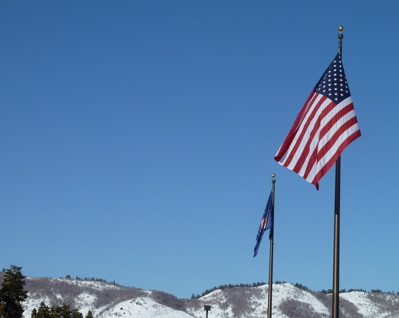
Looking ahead, the forecast offers a slight reprieve from the extreme heat, with temperatures expected to cool down over the coming week. However, meteorologists have indicated that there is no significant snowfall on the horizon for Colorado, suggesting that the current situation may persist and further impact any remaining hopes for extended operations.
Broader Trends and Regional Comparisons
The struggles in Colorado are not isolated. Utah has also endured one of its worst winters on record. Deer Valley, a high-end resort known for its meticulously groomed slopes, had to delay its opening this winter, a testament to the widespread lack of snowfall. This delay occurred despite a significant new development being unveiled, highlighting the fundamental reliance of the ski industry on natural snow.
PlanetSKI, a prominent online publication dedicated to snowsports news, has been closely monitoring and reporting on the adverse conditions across the United States throughout the winter. Their coverage has consistently pointed to a challenging season for many American resorts, particularly in the Rocky Mountain region.
In contrast, California has experienced a slightly more favorable winter compared to some of its neighboring states. Decent snowfalls in mid-February, followed by additional accumulations earlier this month, have provided a more positive outlook. As a result, eight resorts in California are still planning to remain open into April. However, these extended operating dates are all contingent on weather patterns, underscoring the inherent volatility of the industry. PlanetSKI’s past reporting highlights the stark difference, recalling visits to Mammoth Mountain and Palisades Tahoe three years ago when bumper snow allowed skiing well into May.
Canadian Snowfall Offers a Mixed Picture
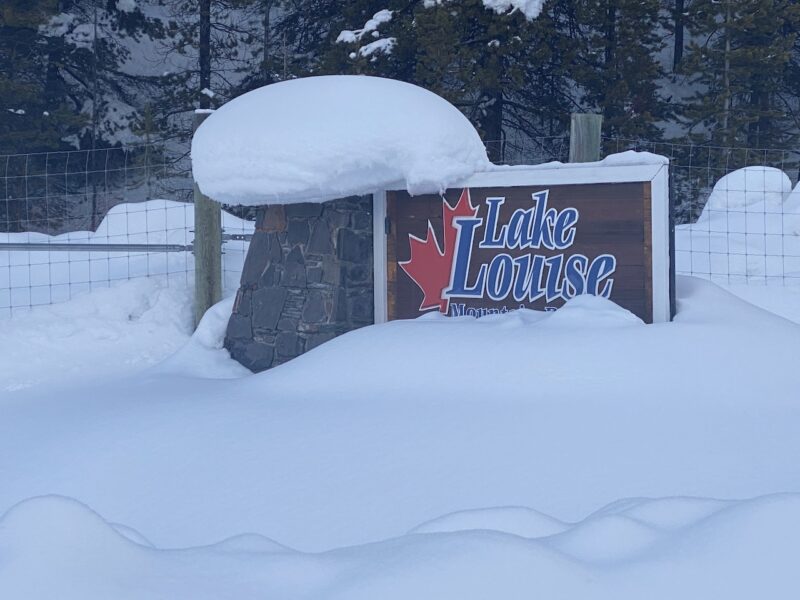
Across the border, Canada presents a more varied landscape of winter conditions. Some regions have experienced exceptional snowfall, while others have lagged. The resorts surrounding Banff, Alberta, were fortunate to receive record-breaking snow in December, a period when PlanetSKI had a correspondent based in the area, capturing images of the pristine conditions at Lake Louise.
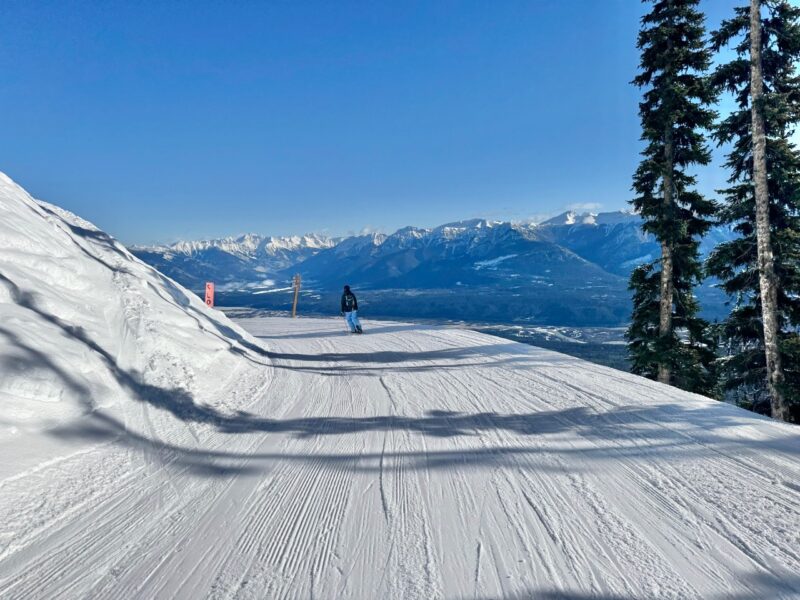
More recently, Kicking Horse, British Columbia, has seen continued snowfall, with PlanetSKI reporting on fresh powder just last weekend. Images from Kicking Horse depict the deep snowpack that skiers and snowboarders have come to expect from the resort. This contrast between different Canadian regions suggests localized weather patterns playing a significant role.
However, further west in Whistler, British Columbia, the winter has been less kind. Reports indicate warm conditions, mirroring some of the challenges faced in the US. This highlights that even within a country, the performance of ski resorts can differ significantly based on geographical location and microclimates.
The Alpine Advantage: A Generally Favorable Season
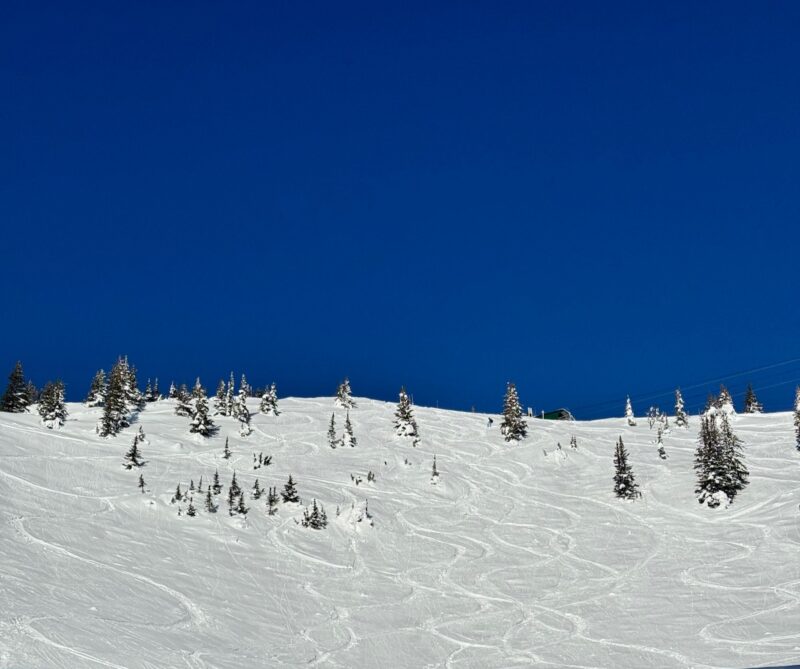
In stark contrast to the challenges in parts of North America, the Alps have generally experienced a good winter season, with favorable conditions persisting towards the end of the season. PlanetSKI’s recent visits to several French Alpine resorts have confirmed robust snow depths and enjoyable skiing opportunities. This divergence in conditions between the North American resorts and the European Alps further emphasizes the complex interplay of global weather systems and their impact on winter tourism.
Analysis of Implications and Future Outlook
The premature closures in Colorado and other parts of the US have significant economic and environmental implications. The ski industry is a major contributor to the economies of mountain towns, providing jobs and supporting local businesses. Shortened seasons mean reduced revenue from lift tickets, accommodation, dining, and retail. This can lead to financial strain on resorts and the communities they serve.
Beyond the immediate economic impact, these recurring patterns of low snowfall and unseasonable warmth raise critical questions about the long-term viability of ski resorts in a changing climate. While some resorts have invested heavily in snowmaking technology, its effectiveness is limited by ambient temperatures. The current situation, where even artificial snowmaking is hindered by warmth, illustrates a growing vulnerability.
Industry experts and environmental scientists have long warned about the potential impacts of rising global temperatures on snow-dependent industries. Studies have projected that many lower-elevation ski resorts may struggle to remain economically viable in the coming decades. This year’s performance in Colorado serves as a stark, real-time illustration of these predictions.
The reliance on natural snow means that the ski industry is inherently susceptible to climatic shifts. Resorts that are situated at higher elevations and in regions with historically reliable snowfall patterns are likely to be more resilient. However, even these areas are not immune to the broader trends of warming winters.
The events of this past season underscore the need for the ski industry to adapt and diversify. This could involve exploring year-round tourism opportunities, investing in renewable energy sources to mitigate their environmental footprint, and advocating for stronger climate action policies. The cultural and economic significance of skiing means that its future is intertwined with the global effort to address climate change. The early closing of ski resorts in Colorado is not just a seasonal inconvenience; it is a clear signal of the profound challenges facing winter sports in an era of unprecedented environmental change.
PlanetSKI continues to provide comprehensive coverage of the global snowsports scene, offering detailed reports, resort information, travel advice, and exclusive deals. As a leading digital platform for all things snow-related, they remain committed to informing their audience about the evolving landscape of winter sports, from the slopes of North America to the peaks of the Alps and beyond.
