
LAKE PLACID, N.Y. (March 22, 2026) – The U.S. Collegiate Ski and Snowboard Association (USCSA) proudly announced the successful conclusion of its six-day 2026 Collegiate National Championships on Saturday, March 14. Held amidst the breathtaking Adirondack High Peaks, this premier collegiate snowsports event brought together an impressive roster of over 650 student-athletes representing 68 colleges and universities from across the United States. The championships, hosted at Lake Placid’s world-renowned venues, Whiteface Mountain and Mt. Van Hoevenberg, featured intense competition across five primary disciplines: alpine skiing, snowboard alpine, freeskiing, freestyle snowboarding, and nordic skiing. Despite a week characterized by highly unpredictable weather patterns—ranging from balmy sunshine and rain to biting cold and fresh snowfall—organizers meticulously ensured the successful completion of all scheduled events, earning the widespread praise of participants and officials alike.
A Testament to Resilience and Excellence
The 2026 Championships marked a significant milestone for the USCSA, with Co-Director of National Championships Andy Rangen declaring it "the best U.S. Collegiate National Championship we’ve ever had." This sentiment underscored the exceptional performances by athletes and the seamless execution by event staff, even as nature presented formidable challenges. "The weather kept things interesting, but our athletes performed incredibly well and the experience for student-athletes was outstanding," Rangen commented, highlighting the adaptability and competitive spirit that defined the week. The variable conditions, far from deterring competitors, often served to showcase their resilience, technical prowess, and strategic thinking across a diverse array of snowsports disciplines.
Lake Placid: A Stage Steeped in Olympic History
Lake Placid, a two-time Olympic host city (1932, 1980), once again demonstrated its unparalleled capability as a winter sports destination. The choice of Lake Placid as the host venue for the USCSA National Championships provided a unique and inspiring backdrop for collegiate athletes. Whiteface Mountain, renowned for its challenging terrain and significant vertical drop, served as the battleground for alpine skiing and snowboard alpine events. Its meticulously prepared slopes pushed competitors to their limits in Giant Slalom, Slalom, and Parallel Slalom races, demanding precision, speed, and unwavering focus. Meanwhile, the state-of-the-art facilities at Mt. Van Hoevenberg, a hub of cross-country skiing excellence, played host to the rigorous Nordic skiing competitions, including classic, freestyle, sprint, and distance events. The venue’s recent upgrades, part of a broader revitalization effort for New York’s Olympic facilities, offered athletes a world-class experience, further cementing Lake Placid’s reputation as a premier training and competition site. This historic setting not only elevated the competitive atmosphere but also immersed student-athletes in a rich legacy of winter sports achievement, fostering a sense of connection to past Olympic champions and inspiring future aspirations.
Navigating the Elements: A Week of Unpredictable Weather
The week of March 9-14 presented an extraordinary test for both athletes and event organizers. Participants experienced a full spectrum of winter weather, a common challenge in mountain environments but particularly pronounced during this year’s championships. Early in the week, unseasonably warm temperatures and intermittent rain softened snow conditions, requiring diligent course maintenance and adaptive race strategies. As the week progressed, a cold front swept through, bringing freezing temperatures and fresh snowfall, which dramatically altered the track and course dynamics. These fluctuating conditions demanded extreme versatility from the athletes, forcing them to quickly adapt their equipment, technique, and mental approach to succeed. For alpine skiers, this meant adjusting to everything from slushy gates to icy ruts and fresh powder. Nordic skiers contended with waxing dilemmas and varying glide conditions. Freeskiers and snowboarders navigated changes in jump landings and rail speeds. The successful completion of all scheduled events, despite these meteorological hurdles, stands as a testament to the expertise of the USCSA event management team and the dedication of the venue staff, who worked tirelessly to ensure safe and fair competition for all.
Alpine Skiing: Precision and Power on Whiteface
The alpine competition at Whiteface Mountain commenced with high-stakes Giant Slalom races, challenging skiers with long, sweeping turns and technical demands on the mountain’s varied pitch. As the week unfolded, the focus shifted to the more rapid-fire Slalom events, requiring explosive power, lightning-fast reflexes, and intricate gate-clearing technique. The week culminated in Parallel Slalom events, a head-to-head format that amplified the excitement for spectators and tested athletes’ ability to perform under direct pressure.
Rocky Mountain College Head Coach Jerry Wolf lauded his team’s performance, stating, "The conditions were variable all week, but our depth made the difference." This highlights the importance of comprehensive team strength, where multiple athletes contribute consistent results across various events and conditions, rather than relying on a single star performer. Success in alpine collegiate racing demands not only individual talent but also strategic team scoring, emphasizing the collective effort. The athletes demonstrated remarkable composure and skill, navigating the demanding courses with a blend of aggressive speed and technical finesse, a true showcase of collegiate alpine talent. While specific individual results were numerous, the overall level of competition underscored the rigorous training and dedication these student-athletes commit to their sport.
Nordic Skiing: Endurance and Strategy at Mt. Van Hoevenberg
The serene yet demanding trails of Mt. Van Hoevenberg provided the perfect stage for the Nordic skiing competitions. Athletes tested their endurance, technique, and strategic planning across a comprehensive program that included classic technique races, freestyle skate events, exhilarating sprints, and challenging distance races. Classic technique, with its emphasis on diagonal stride and kick-and-glide, required precise body mechanics and efficient energy transfer. Freestyle events, conversely, allowed for the more powerful and dynamic skate technique, demanding superior cardiovascular fitness and coordinated full-body movement. The sprint races offered explosive, short-burst excitement, while the longer distance events pushed the limits of physical and mental fortitude.
One of the participating athletes, Bochenek, expressed deep appreciation for the venue, remarking, "Lake Placid is one of my favorite places to ski. It’s an incredible venue for competition." This sentiment resonates widely among Nordic skiers who value Mt. Van Hoevenberg’s diverse trail network, which offers a variety of terrain suitable for all disciplines and skill levels, ensuring a fair and challenging experience for collegiate athletes. The strategic elements, such as optimal ski waxing choices based on snow temperature and consistency, proved crucial throughout the week, adding another layer of complexity to the already demanding races. Teams with strong coaching staff and experienced wax technicians often gained a crucial edge, illustrating the intricate blend of individual athleticism and team support necessary for success in Nordic skiing.
Snowboard & Freeski: Innovation and Adrenaline
The freestyle and snowboard events brought an electrifying atmosphere to the championships, characterized by high-flying aerials, intricate rail maneuvers, and thrilling head-to-head racing. Competitions in slopestyle, rail jam, and cross disciplines captivated audiences and showcased the evolving athleticism and creativity within collegiate snowsports.
Slopestyle events, a crowd favorite, saw athletes link together a series of jumps, rails, and boxes, executing complex tricks with style, amplitude, and technical precision. The rail jam format focused purely on technical rail and box sliding, demanding innovative approaches and flawless execution. The cross competitions (snowboard cross and skier cross) delivered adrenaline-pumping, multi-racer heats down a course featuring natural and man-made terrain features like rollers, jumps, and banked turns, where strategic line choices and aggressive racing were paramount.
Westminster athlete Casper van den Brink-Lemley commented on the high caliber of performance: "The level of competition was incredibly high despite tough conditions." This highlights the significant progression in collegiate freeski and snowboard, where athletes are pushing boundaries and showcasing skills comparable to those seen at higher levels of competition. These disciplines, often judged on creativity, difficulty, and execution, provide a platform for athletes to express their unique styles and push the limits of what’s possible on snow. The team champions in these categories demonstrated exceptional consistency across their rosters, with multiple athletes delivering top performances in each event, proving that depth and versatility are key to securing overall titles.
A National Stage for Collegiate Snowsports Development
The USCSA National Championships serve as the pinnacle of a demanding season for collegiate snowsports athletes. The journey to Lake Placid begins with rigorous conference competitions across 11 distinct regions nationwide, where teams battle for supremacy and the right to advance. Following these regional qualifiers, the top-performing teams and individuals move on to six highly competitive regional championships. Only the elite teams and select individual qualifiers from these regional events earn the coveted spot at the National Championships. This tiered qualification structure ensures that the event truly represents the premier stage for collegiate snowsports in the United States, bringing together the best and brightest student-athletes who balance demanding academic schedules with intense training and competition. The championships not only celebrate athletic achievement but also underscore the USCSA’s commitment to fostering well-rounded individuals who excel both on the slopes and in the classroom.
Statements from Stakeholders and Broader Impact
The success of the 2026 Championships resonated deeply within the USCSA organization and the wider Lake Placid community. Beyond Andy Rangen’s praise for the event, local officials recognized the significant positive impact. "Hosting the USCSA National Championships is always a highlight on our calendar," stated an unofficial representative from the Lake Placid Regional Office of Sustainable Tourism (ROOST). "These events not only fill our hotels and restaurants during a critical shoulder season but also inspire a new generation of winter sports enthusiasts. Lake Placid is proud to support the development of collegiate athletes and reinforce our identity as an international winter sports capital."

The economic implications for Lake Placid are substantial, with hundreds of athletes, coaches, support staff, and spectators converging on the region, generating revenue for local businesses, from lodging and dining to retail and transportation services. Beyond the immediate economic boost, the championships reinforce Lake Placid’s reputation as a world-class venue, attracting future events and continuing to draw tourism that sustains the local economy.
For the student-athletes, the implications extend beyond immediate results. Competing at a national championship in a historic venue like Lake Placid provides invaluable experience, honing their skills under pressure, fostering teamwork, and building character. Many USCSA alumni go on to pursue careers in the snowsports industry, become coaches, or continue their athletic pursuits at higher levels, including national teams or professional circuits. The USCSA plays a crucial role in developing talent and ensuring a robust pipeline for American snowsports.
About the USCSA
The U.S. Collegiate Ski and Snowboard Association (USCSA) stands as the governing body for collegiate team ski racing and snowboarding throughout the United States. Its extensive network includes over 170 colleges and universities, supporting more than 4,000 student-athletes across 11 distinct geographic regions. The association is deeply committed to providing inclusive, team-oriented competition opportunities for athletes of all levels, from those taking their first competitive turns to seasoned veterans. The USCSA champions a unique blend of athletic rigor and academic excellence, fostering an environment where student-athletes can pursue their passion for snowsports while achieving their educational goals. The organization’s philosophy emphasizes sportsmanship, personal growth, and lifelong engagement in winter sports, making it a vital component of the collegiate athletic landscape.
More Information
For a comprehensive collection of photos and media from the 2026 Collegiate National Championships, please visit: www.uscsa.org/photo–video.html
Detailed results, event information, and historical data can be found on the official USCSA website: www.uscsa.org
Broadcast archives of the championships are available for viewing at: https://www.uscsa.org/broadcast.html
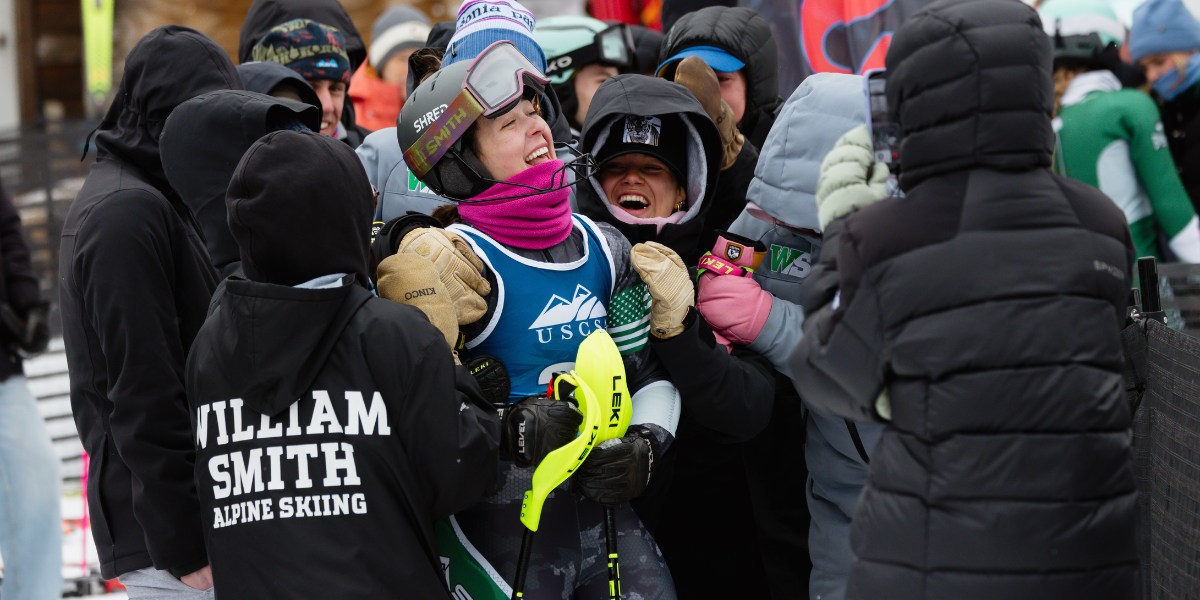
Photo by Meagan Bronson.
