
The Western United States ski industry is confronting a challenging early end to its 2026 season, with numerous resorts announcing closures significantly ahead of their typical schedules. This abrupt conclusion is largely attributed to a confluence of factors, primarily a prolonged period of unseasonable warmth across the region, exacerbated by a mid-season heatwave that has melted away vital snowpack. While forecasts indicate potential snowfall in the coming week for some areas, it is unlikely to be sufficient to salvage operations for resorts that have already ceased or are preparing to cease their ski season. This situation impacts both resorts that never managed to open due to insufficient snow and those that have been forced to cut their operational periods short.
The Impact of Unseasonable Warmth on Ski Resorts
The winter of 2025-2026 has presented a stark contrast to seasons characterized by abundant snowfall and extended operating periods. A significant departure from typical weather patterns has led to a dramatic reduction in snow depth across much of the Western U.S. This has created a precarious situation for ski resorts, many of which rely on consistent, cold temperatures to maintain their snow bases throughout the traditional ski season, which often extends into April or even May in higher elevations.
Record-breaking temperatures recorded in late March have been a primary driver for the accelerated closures. These warm spells have not only melted existing snow but have also hindered natural snow accumulation and made artificial snowmaking efforts less effective or even impossible in some locations. The economic implications for these resorts are substantial, affecting not only ticket sales and equipment rentals but also the hospitality and service industries that depend on a thriving ski season.
Chronology of Closures and Shifting Conditions
The trend of early closures began to accelerate in the latter half of March 2026. Initially, some resorts in lower elevations or those with less robust snowmaking capabilities were the first to announce the end of their seasons. However, as the unseasonable warmth persisted and impacted higher elevations, even renowned resorts with typically longer seasons started to reassess their operational viability.
The irony of the situation is particularly poignant for some resorts, as late-season forecasts have begun to predict renewed snowfall for the week of March 30th. While this potential influx of snow might offer a brief reprieve for the few remaining open mountains, it arrives too late to reverse the decisions for many that have already shuttered their operations. The unpredictability of these weather patterns highlights a growing concern within the ski industry regarding the long-term effects of climate change on snow-dependent tourism.
A Comprehensive List of Affected Resorts
The following is an updated list of ski resorts in the Western U.S. that have announced or are expected to announce earlier-than-anticipated closing dates for the 2025-2026 season. This list will be continuously updated as further announcements are made.

Arizona
While specific official closure announcements for Arizona resorts for the 2026 season were not detailed in the provided data, the region’s susceptibility to warmer temperatures suggests that any resorts operating in the state would have been heavily impacted by the prevailing warm weather patterns, potentially leading to shortened seasons or an inability to open. Historically, Arizona’s ski season is often shorter and more dependent on specific weather events.
California
Several of California’s iconic ski destinations have been forced to curtail their seasons. The Sierra Nevada region, a major hub for skiing in the state, has experienced significant warming trends.
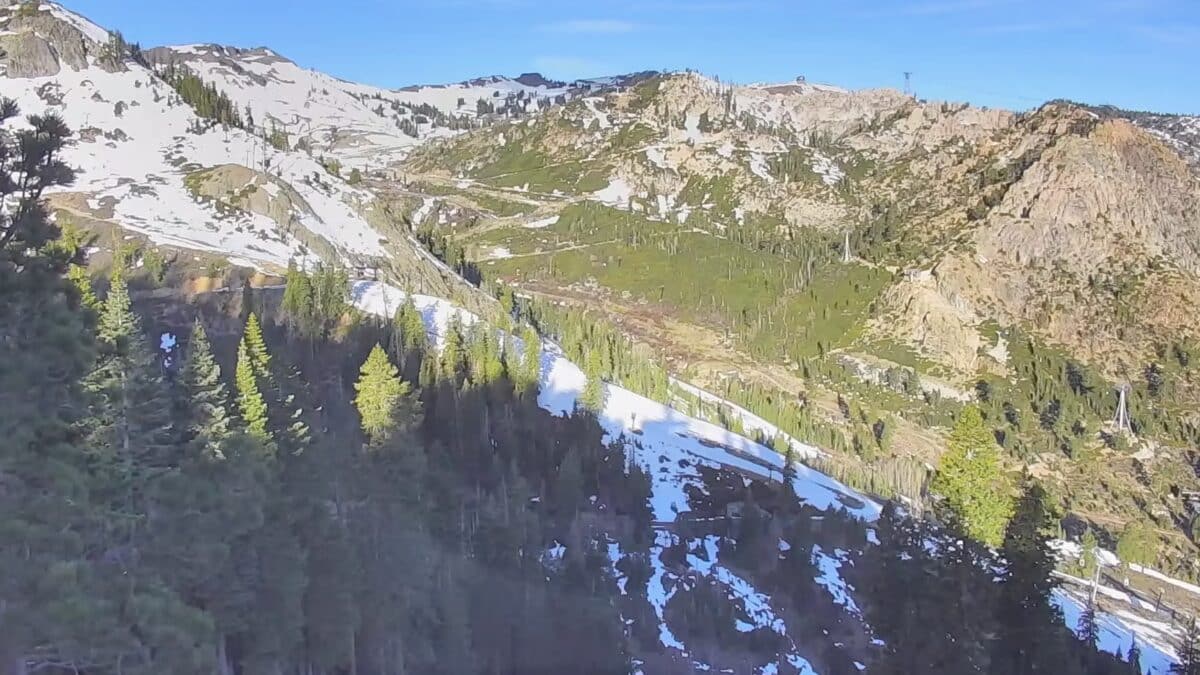
- Palisades Tahoe: This renowned resort, known for its extensive terrain and typically long season, has announced an earlier-than-expected closure. While official dates can fluctuate based on immediate snow conditions, the trend suggests a significant reduction in operational days. The resort’s announcement reflects the widespread challenge of maintaining sufficient snowpack.
- Other California Resorts: While specific details for all resorts are not enumerated in the initial report, the general trend indicates that many other California ski areas, particularly those at lower elevations, have either closed or are facing imminent closure. This includes areas that may have struggled to open for a substantial portion of the season.
Colorado
Colorado, a cornerstone of the American ski industry, has also seen its share of premature closures. The state’s diverse elevations offer varying degrees of resilience, but the widespread warmth has taken its toll.
- Resorts Impacted: The provided data does not list specific Colorado resorts with early closure dates. However, it is highly probable that many resorts, particularly those in the lower to mid-elevation ranges, have been affected. The economic impact on Colorado’s ski towns, which are heavily reliant on winter tourism, is a significant concern. Industry analysts have noted that a shorter ski season can lead to substantial revenue losses for businesses and communities.
Idaho
Idaho’s ski resorts, nestled within the Rocky Mountains, have also been subject to the prevailing warm weather.
- Impacted Resorts: Specific closures for Idaho resorts were not detailed in the provided content. However, similar to other Western states, resorts in Idaho that rely heavily on natural snowfall would have been directly impacted by the unseasonable warmth and reduced snowpack. The state’s ski industry, while perhaps smaller in scale than some neighboring states, is a vital part of its winter tourism economy.
Montana
Montana’s ski areas, known for their rugged beauty and often challenging conditions, have not been immune to the season’s unusual weather.
- Resorts Impacted: The provided data does not specify individual resort closures in Montana. However, the general conditions suggest that resorts across the state would have experienced reduced snow depths and potentially shorter operating seasons. Montana’s resorts often attract a dedicated clientele, and the early end to the season would undoubtedly affect these visitors and local economies.
Nevada
The ski resorts in Nevada, particularly those in the Lake Tahoe basin which straddle the California-Nevada border, have faced similar challenges.
- Resorts Impacted: Specific closures for Nevada resorts were not detailed in the provided content. However, given the proximity to California’s Lake Tahoe resorts and the shared weather patterns, it is reasonable to infer that Nevada resorts have also experienced the impact of warm temperatures and reduced snowfall, potentially leading to early season terminations.
New Mexico
New Mexico’s ski resorts, often characterized by their high-altitude locations, have also been affected by the warming trend.
- Resorts Impacted: The provided data does not list specific New Mexico resorts with early closure dates. However, the general conditions across the Western U.S. suggest that resorts in New Mexico would have faced significant challenges in maintaining their snow bases. The state’s ski industry, while perhaps less extensive than some, plays a role in its tourism sector, and early closures would represent a loss of revenue and visitor activity.
Oregon
Oregon’s ski resorts, particularly those in the Cascade Range, have also experienced the effects of the unseasonable warmth.
- Impacted Resorts: The provided data does not specify individual resort closures in Oregon. However, the general trend of reduced snowfall and early melt-offs would have impacted the state’s ski areas. Resorts that depend on consistent winter conditions would have likely seen their seasons cut short, affecting local economies and the enjoyment of skiers and snowboarders.
Utah
Utah, often lauded for its "Greatest Snow on Earth," has not been entirely spared from the season’s challenges.
- Resorts Impacted: Specific closure announcements for Utah resorts were not detailed in the provided content. However, the widespread nature of the warm weather across the Western U.S. suggests that Utah’s ski resorts would have also experienced reduced snow depths and potentially a need to close earlier than anticipated. The state’s strong ski tourism industry would have felt the economic impact of any shortened seasons.
Washington
Washington’s ski resorts, located in the mountainous regions of the state, have also contended with the unusual weather patterns.
- Impacted Resorts: The provided data does not specify individual resort closures in Washington. However, the prevailing warm temperatures and the resulting impact on snowpack across the Western U.S. would have undoubtedly affected Washington’s ski areas. Resorts that rely on consistent winter conditions would have faced challenges in maintaining operations.
Wyoming
Wyoming’s ski resorts, known for their challenging terrain and remote locations, have also been part of the broader trend of early closures.
- Resorts Impacted: Specific closure announcements for Wyoming resorts were not detailed in the provided content. However, the general conditions across the Western U.S. suggest that Wyoming’s ski resorts would have also experienced reduced snow depths and potentially a need to close earlier than anticipated.
Broader Impact and Implications
The widespread early closures of ski resorts across the Western U.S. have significant implications beyond the immediate financial losses for individual businesses.
- Economic Ripple Effects: Ski resorts are often the economic anchors of their communities, supporting local businesses such as hotels, restaurants, retail shops, and transportation services. A shortened season directly translates to reduced employment opportunities and decreased consumer spending throughout these communities. The cumulative economic impact across multiple states can be substantial, affecting regional economies reliant on winter tourism.
- Shifting Consumer Behavior: The unpredictability of ski seasons due to climate change could lead to shifts in consumer behavior. Skiers and snowboarders might become more hesitant to book vacations far in advance, opting for last-minute decisions based on real-time snow conditions. This uncertainty can complicate business planning and marketing efforts for resorts.
- Industry Adaptation: The recurring challenges of warming winters are likely to accelerate the industry’s focus on adaptation strategies. This could include increased investment in advanced snowmaking technology, diversification of revenue streams beyond skiing (e.g., summer activities, year-round resorts), and a stronger emphasis on climate advocacy within the industry.
- Long-Term Viability Concerns: For some resorts, particularly those at lower elevations or with less favorable snow-making capabilities, a pattern of increasingly unreliable seasons could raise questions about their long-term viability. This underscores the urgency of addressing climate change and its direct impact on snow-dependent industries.
The current situation serves as a stark reminder of the delicate balance between winter recreation and environmental conditions. As the ski season draws to an unceremonious close for many across the Western U.S., the industry faces a critical period of reassessment and adaptation to navigate the evolving climate landscape.
Image/Video Credits: Palisades Tahoe, Sierra-at-Tahoe, Mt. Hood Meadows
