
WHISTLER, British Columbia – Whistler Blackcomb is poised to reopen critical terrain, including Whistler Peak and the Peak Express chairlift, this weekend, following a rockslide incident that occurred early on March 12. The landslide prompted an immediate closure of the affected areas to ensure guest and staff safety while a thorough assessment was conducted by resort officials and independent geotechnical experts. The decision to reopen signifies a successful completion of initial safety evaluations and a commitment to restoring full mountain access as swiftly as possible.
The rockslide, which took place in the pre-dawn hours of Thursday, March 12, occurred in a relatively remote section of Whistler Peak. Fortunately, the resort was closed at the time of the incident, meaning no individuals were present in the immediate vicinity of the rockfall, and therefore, no injuries were reported. The swift action by Whistler Blackcomb’s operations team, in collaboration with BGC Engineering, a respected firm specializing in geotechnical assessments, allowed for a rapid response and a comprehensive evaluation of the stability of the surrounding slopes.
Chronology of Events and Response
The incident unfolded in the early morning hours of March 12. Whistler Blackcomb, like many ski resorts, operates with stringent safety protocols. Upon detection of the rockslide, the immediate priority was to secure the affected area. This involved the closure of Whistler Peak, a significant elevation offering some of the resort’s most challenging and rewarding terrain, and the Peak Express chairlift, the primary access route to this upper mountain zone.
Following the initial assessment, a partnership was formed with BGC Engineering. This collaboration was crucial in providing specialized expertise to analyze the geological conditions, understand the dynamics of the rockslide, and determine the risk factors associated with reopening the terrain. Geotechnical engineers typically employ a range of techniques, including geological mapping, structural analysis of rock masses, and monitoring of ground movement, to assess the stability of slopes. Their findings would inform the recommendations for safe access.
The resort’s statement indicated a targeted reopening for the weekend. This timeline, however, was explicitly contingent on two critical factors: the prevailing weather conditions and the completion of necessary avalanche control work. Mountain environments, especially at higher elevations, are dynamic. Continued precipitation or rapid temperature fluctuations can significantly impact snowpack stability and the risk of avalanches, even after a geological event like a rockslide. Avalanche control is a standard operational procedure at ski resorts, involving the strategic triggering of avalanches to mitigate natural risks to skiers and snowboarders. The successful completion of these safety measures, alongside the geotechnical clearance, would be the final determinants for reopening.
Details of the Rockslide and Safety Measures
While the exact volume of rock dislodged has not been publicly disclosed, the decision to close Whistler Peak and the Peak Express chairlift underscores the potential hazard posed by the slide. Rockslides in mountainous regions can be triggered by a variety of factors, including freeze-thaw cycles, seismic activity, heavy rainfall, or snowmelt saturating the ground, weakening the underlying rock strata. The precise cause of the March 12 rockslide at Whistler Blackcomb will likely have been a key focus of the geotechnical investigation.
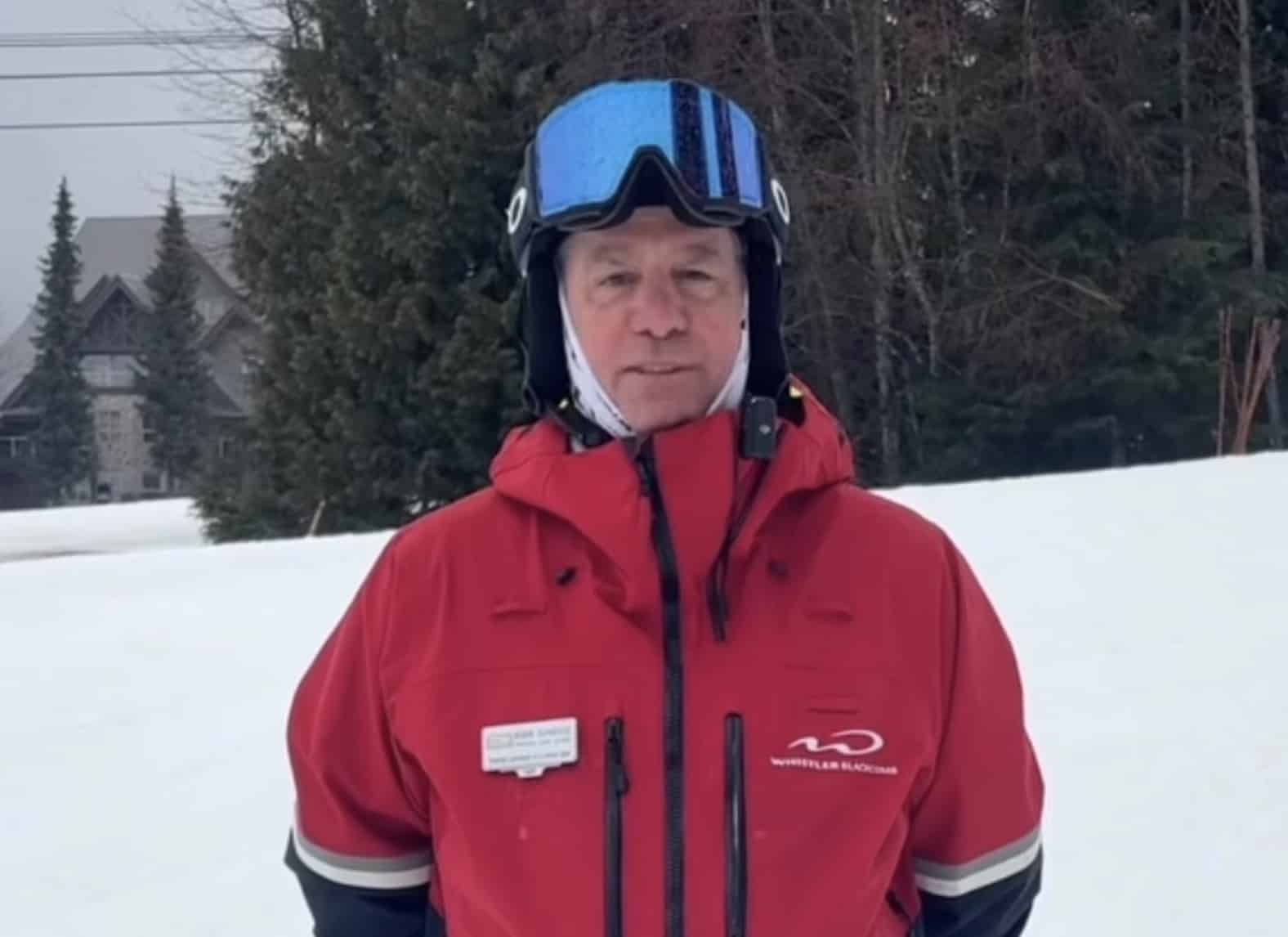
Brian Suhadolc, Vice President of Mountain Operations at Whistler Blackcomb, has been the primary spokesperson for the resort regarding this incident. His statements have consistently emphasized the paramount importance of safety. The resort’s communication strategy has been to provide clear, factual updates to its guests and the wider skiing and snowboarding community.
Upon reopening, Whistler Blackcomb has stated that certain areas will remain closed. This is a common practice following geological events or significant snowfall, where specific zones may still present residual risks or require further monitoring. The resort has implemented clear "No Hiking" signage to demarcate these restricted zones. The message from Whistler Blackcomb management is unequivocal: adherence to these boundaries is mandatory. The consequence for entering closed terrain is severe, with the revocation of lift privileges being a primary deterrent. This policy is designed to protect individuals from potential hazards and to ensure the integrity of the resort’s safety management.
Broader Context and Implications
Whistler Blackcomb is one of North America’s premier ski destinations, renowned for its vast terrain and high-quality snow. Events that lead to significant closures, even temporary ones, can have ripple effects. While the resort is well-equipped to handle such situations, the closure of a major zone like Whistler Peak can impact the overall guest experience, particularly during peak season.
The incident also highlights the inherent risks associated with operating in a mountain environment. Resorts invest heavily in safety infrastructure, expert personnel, and advanced monitoring systems to mitigate these risks. The collaboration with BGC Engineering demonstrates this commitment to leveraging external expertise for critical safety assessments.
The reopening of Whistler Peak and the Peak Express chairlift is a positive development for skiers and snowboarders looking to experience the full breadth of what Whistler Blackcomb has to offer. The careful and methodical approach taken by the resort management, prioritizing safety above all else, has likely been reassuring to its patrons. The swift resolution, targeting a weekend reopening, suggests that the geotechnical assessment found the area to be stable enough for controlled access, with the remaining closures focused on areas requiring continued caution.
The resort’s appeal for patience and understanding from its guests during the assessment period has been met with support. The mountain community generally understands the complexities of mountain operations and the importance of rigorous safety protocols. The proactive communication and clear guidelines provided by Whistler Blackcomb have been instrumental in managing expectations and fostering trust.
Looking ahead, Whistler Blackcomb’s experience with this rockslide will likely be incorporated into its ongoing risk management strategies. Continuous monitoring of geological conditions, particularly in areas prone to such events, will remain a priority. The resort’s ability to respond effectively to unforeseen challenges, such as this rockslide, is a testament to its operational preparedness and its dedication to providing a safe and enjoyable experience for all visitors. The successful reopening of Whistler Peak and the Peak Express chairlift this weekend will undoubtedly be welcomed by the thousands of skiers and snowboarders who flock to Whistler annually, eager to explore its legendary slopes. The resort’s commitment to transparency and safety throughout this period has reinforced its reputation as a world-class ski destination.
