
As the vibrant bloom of spring unfurls across Yosemite National Park, a deceptive and potentially lethal hazard emerges from the thawing winter landscape. Rising temperatures are rapidly breaking down the season’s snowpack at higher elevations, unleashing torrents of icy meltwater that cascade down thousands of feet through iconic waterfalls and surge into the winding rivers and creeks that carve through the valley floor. The Merced River, a central artery of the park, is experiencing a significant surge in volume, its power amplified by the thundering roar of its many waterfalls. This annual phenomenon, while visually spectacular, carries an inherent danger, with an unfortunate regularity of visitors finding themselves in the water who never intended to be.
Yosemite’s Search and Rescue team, widely known by its acronym YOSAR, reports that they respond to an average of 15 to 20 water-related rescue incidents each year. These incidents, alarmingly, often share a common genesis: a visitor venturing too close to the water’s edge for a photograph, stepping onto a seemingly stable boulder at the base of a powerful waterfall, or wading into the water to seek relief from the burgeoning spring heat after a strenuous hike. The allure of Yosemite’s natural beauty, particularly its dynamic waterways during this season, can tragically overshadow the very real dangers they present.
The Perilous Nature of Spring Runoff
The current conditions in Yosemite underscore the extreme risks associated with its waterways. Every moving body of water within the park is currently operating at high volume, with swift and frigid currents. The boulders that line the banks of rivers and the perimeters of waterfalls, often appearing solid and dependable, are now frequently coated in a treacherous film of slick algae and perpetual spray. Even when they appear dry, these surfaces can be incredibly unstable, offering no reliable footing.
Beneath the surface, currents that might seem deceptively calm possess a surging force capable of overwhelming even strong swimmers. The water temperatures are a critical factor, hovering consistently around 40 degrees Fahrenheit (approximately 4 degrees Celsius). Immersion in water at this temperature can trigger an immediate and severe physiological response known as "cold shock." This reaction can cause involuntary muscle spasms, leading to a rapid loss of control and rendering self-rescue virtually impossible. The combination of powerful currents, slippery surfaces, and dangerously cold water creates a potent recipe for disaster.
The sensation of mist rising from the base of a majestic waterfall like Lower Yosemite Fall can be incredibly refreshing, especially after miles of hiking under the warming sun. Similarly, the Merced River, with its expansive flow, can appear inviting on a warm spring afternoon. The temptation to get closer to these natural wonders is entirely understandable. However, the danger they pose is equally real and often insidious, striking without warning and with devastating consequences.
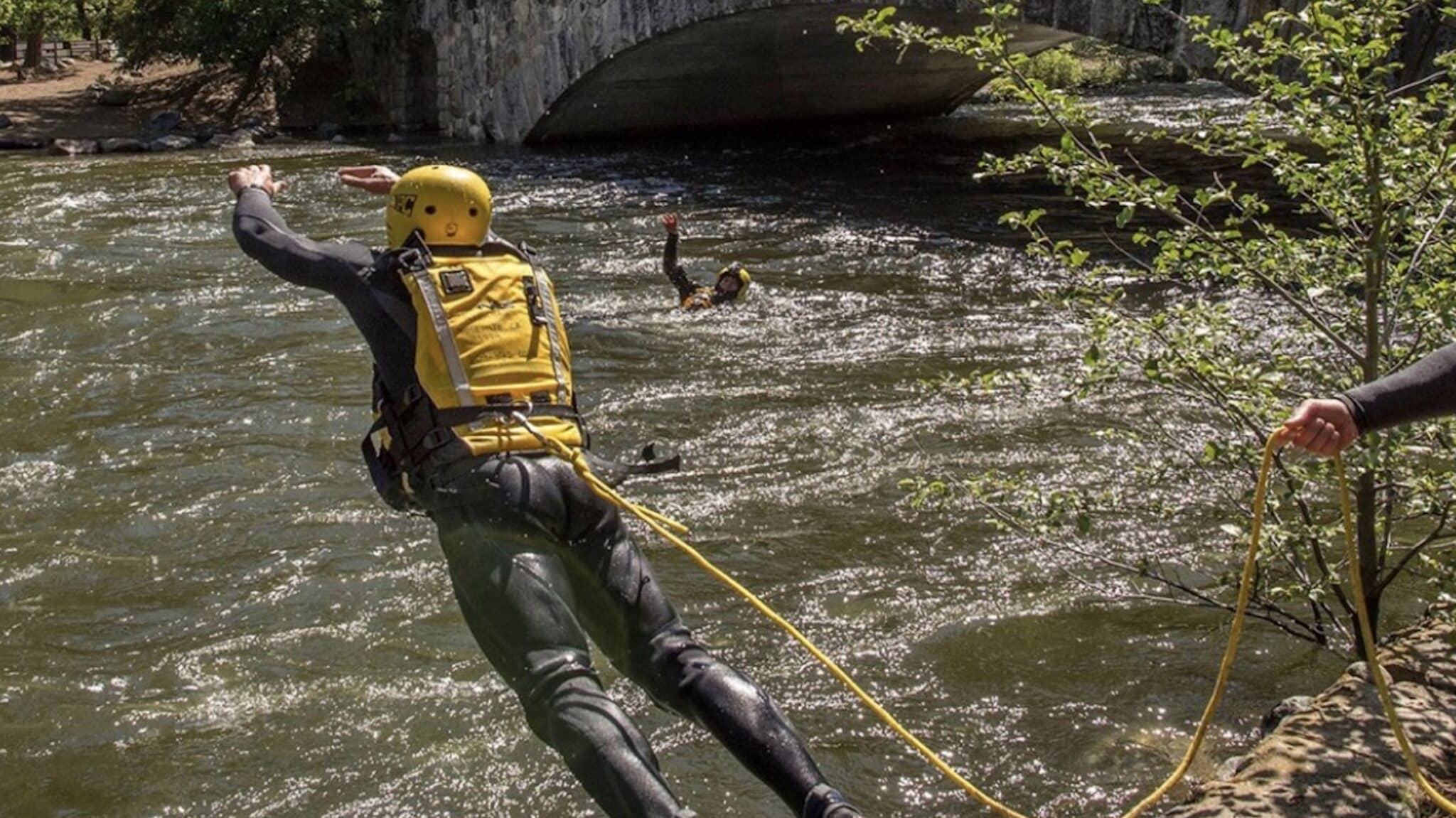
YOSAR’s Urgent Plea for Caution
In response to these heightened risks, Yosemite’s Search and Rescue team is issuing an urgent appeal to all park visitors. They implore everyone to maintain a significant distance from the edges of all rivers, creeks, and waterfalls for the duration of the spring melt and subsequent high-water period, which is expected to continue for several more months. This proactive advisory aims to prevent avoidable tragedies by encouraging a mindful and respectful approach to Yosemite’s powerful natural forces.
The core of YOSAR’s message is simple yet critical: "Give the water the respect it demands." This translates to practical actions such as ensuring that entire groups remain a safe distance from the banks and refraining from stepping onto or interacting with rocks near the water, regardless of how stable they may appear.
Historical Context and Preventable Incidents
While the current situation is a product of seasonal weather patterns, the dangers posed by Yosemite’s waterways are a recurring concern. Analyzing past incidents reveals a consistent pattern of preventable accidents. For instance, in 2019, a significant increase in water-related incidents prompted park officials to issue similar warnings. Data from the National Park Service indicates that drowning is a leading cause of death in national parks nationwide, and water-related incidents, including those involving rivers, lakes, and waterfalls, contribute significantly to this statistic. While specific year-over-year Yosemite rescue numbers for water incidents can fluctuate, the underlying trend remains consistent: the allure of water features combined with a lack of awareness of their inherent dangers leads to preventable tragedies.
The increase in visitor numbers to Yosemite, a trend observed over the past decade, further exacerbates these risks. As more people flock to experience the park’s grandeur, the potential for misjudgment and accidents escalates. This makes public awareness campaigns and clear signage more crucial than ever.
Broader Implications and Park Management
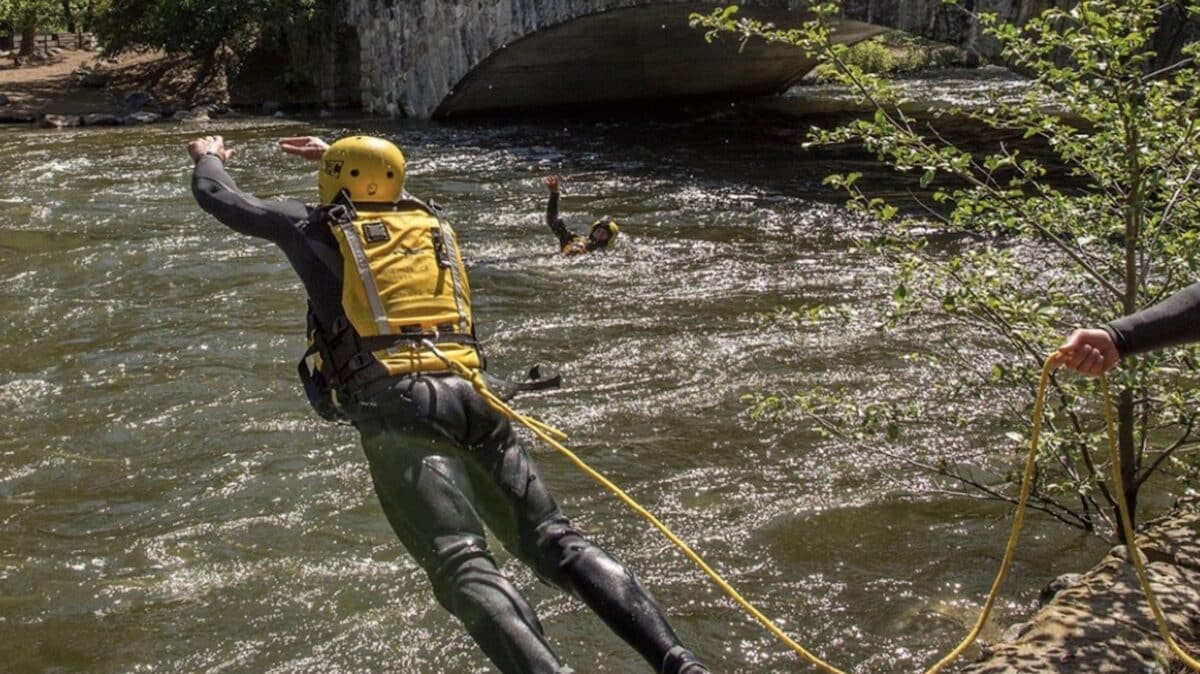
The ongoing challenge of managing water safety in Yosemite has significant implications for park operations, resource allocation, and visitor experience. Each water-related rescue requires substantial resources, including trained personnel, specialized equipment, and considerable time, often diverting critical resources from other park needs. Furthermore, these incidents can lead to temporary closures of trails or areas surrounding affected waterways, impacting the planned itineraries of many visitors.
Park management continually strives to balance visitor access and enjoyment with the imperative of ensuring safety. This involves a multi-faceted approach that includes educational programs, ranger patrols, and the strategic placement of warning signs. The effectiveness of these measures, however, is contingent upon visitor cooperation and adherence to safety guidelines.
Analysis of Visitor Behavior and Risk Perception
The tendency for visitors to underestimate the power of natural elements like rushing water is a well-documented phenomenon in outdoor recreation. Factors such as a perceived sense of invincibility, a desire for unique photographic opportunities, and a general underestimation of the physical forces at play can contribute to risky decision-making. The vibrant social media landscape also plays a role, with individuals often seeking to capture dramatic images that can inadvertently encourage others to take similar risks.
The inherent beauty of Yosemite, with its dramatic cliffs and powerful waterfalls, can create a cognitive dissonance where the aesthetic appeal overshadows the underlying dangers. This is particularly true during spring, when the increased water flow amplifies the visual spectacle, making the temptation to get closer even stronger.
Recommendations for Safe Enjoyment of Yosemite’s Waters
For visitors planning a trip to Yosemite during the spring and early summer months, prioritizing water safety is paramount. The National Park Service offers several key recommendations:
- Heed All Warning Signs: Pay close attention to posted signs indicating potential hazards, especially those related to water. These signs are placed for your safety.
- Maintain a Safe Distance: As YOSAR emphasizes, stay well back from the edges of all rivers, creeks, and waterfalls. Never assume a rock or bank is stable.
- Supervise Children Closely: Keep children under constant and close supervision when near any water source. Their smaller size and lack of judgment make them particularly vulnerable.
- Avoid Alcohol and Drugs: Never consume alcohol or drugs before or during activities near water, as they impair judgment and coordination.
- Wear Appropriate Footwear: Sturdy, non-slip footwear is essential for navigating potentially slick surfaces.
- Inform Someone of Your Plans: Let a trusted friend or family member know your hiking routes and expected return times.
- Be Aware of Weather Conditions: Weather can change rapidly in mountainous environments. Monitor forecasts and be prepared for sudden shifts.
Conclusion: A Call for Vigilance
Yosemite National Park is a place of unparalleled natural wonder, offering experiences that can last a lifetime. However, the breathtaking beauty of its spring waterways demands a profound respect and a heightened sense of caution. The warnings from YOSAR are not merely suggestions; they are critical directives born from experience and a genuine concern for visitor safety. By understanding the inherent risks, adhering to official guidance, and prioritizing a safe approach, visitors can ensure their Yosemite adventure is memorable for all the right reasons, allowing the park’s majestic waters to be admired from a secure and respectful distance. The allure of the roaring falls and surging rivers is undeniable, but the price of getting too close can be tragically irreversible.
For further information on water safety in Yosemite National Park, visitors are encouraged to consult the official park website and speak with rangers for the most up-to-date conditions and safety advisories.
