
On April 10th, 2026, a dramatic rescue operation unfolded in the Austrian ski resort of Lech, highlighting the inherent dangers of off-piste skiing and the potential financial repercussions for those who disregard safety protocols. A 20-year-old skier, venturing alone into treacherous terrain without essential safety equipment, found himself in a perilous situation that necessitated a costly emergency response. The incident occurred during a period of considerable avalanche risk, underscoring a critical lapse in judgment that could result in a significant financial penalty for the individual.
The young skier, whose identity has not been publicly disclosed, became disoriented and stranded in a dangerous, rocky off-piste area. Reports indicate that he was unable to navigate his way back to safety or progress further, leaving him in a vulnerable predicament. His successful rescue was facilitated by a timely call to emergency services via his mobile phone, which triggered a complex and resource-intensive helicopter operation. A rope was deployed from the aircraft, enabling rescuers to extract the stranded individual from his precarious position.
This incident has brought into sharp focus Austria’s Security Police Act, which empowers authorities to levy charges on individuals deemed to have acted with gross negligence. The potential cost for the rescue, as reported, ranges between £3,000 and £4,500, a substantial sum that serves as a stark reminder of the financial responsibilities associated with emergency services when safety precautions are ignored. The incident took place in early April, following a period of significant snowfall, a factor that typically elevates avalanche risk and necessitates increased caution for all skiers and snowboarders.
The Chronology of a Perilous Adventure
The events leading to the rescue began in the early days of April 2026. Following several days of heavy snowfall, the avalanche risk in the Arlberg region, including Lech, was elevated to Level 3, described as "considerable." This rating signifies that natural avalanches are possible, and human-triggered avalanches are likely on steep, snow-laden slopes. Despite this elevated risk, the 20-year-old skier chose to venture off-piste, alone and without the fundamental safety equipment essential for such expeditions. This equipment typically includes an avalanche transceiver, a probe, and a shovel, all vital tools for self-rescue or assisting others in the event of an avalanche.
His solitary excursion into the unmarked and potentially hazardous terrain quickly turned into a critical situation. The skier reportedly found himself trapped in a challenging section characterized by dangerous rocky outcrops, rendering his return or onward movement impossible. The remoteness and difficulty of the terrain meant that self-extraction was not an option.
At this critical juncture, the skier was able to contact emergency services using his mobile phone. The signal, though likely weak in such a remote location, was sufficient to convey his distress and approximate location. This call initiated a rapid response from the Austrian mountain rescue services. Given the inaccessibility of the skier’s location by ground, a helicopter was deemed the most efficient and necessary mode of transport for the rescue operation.
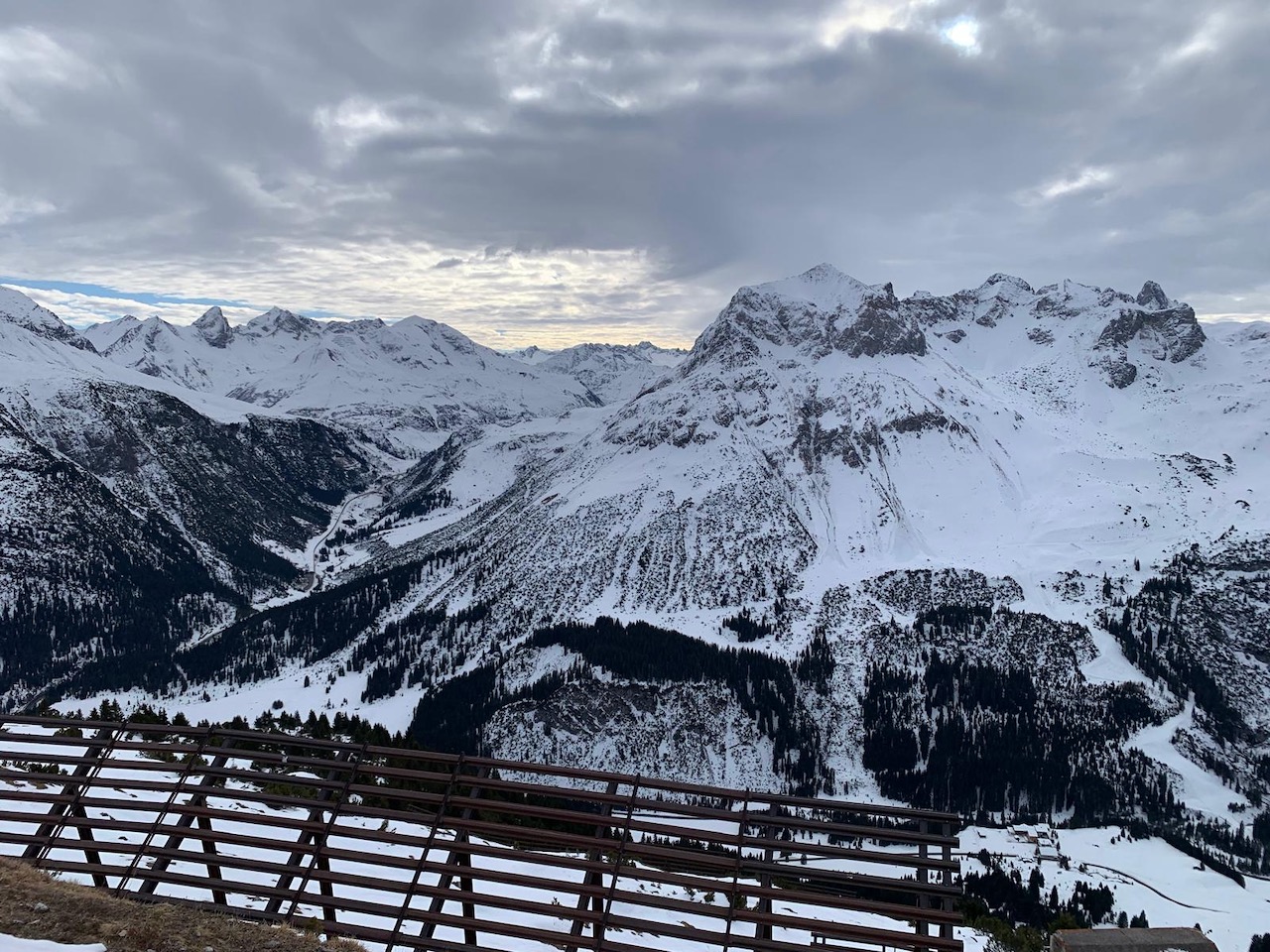
The helicopter, equipped with specialized rescue gear, navigated to the area where the skier was stranded. The precariousness of the terrain, coupled with the potential for further hazards, demanded a precise and skillful operation. Rescuers successfully lowered a rope from the helicopter, and the young skier was carefully winched to safety, concluding the immediate rescue phase.
The Legal Framework: Gross Negligence and Financial Accountability
The Austrian Security Police Act, specifically Article 44 (1), provides the legal basis for authorities to reclaim costs associated with rescue operations. This article allows for the charging of individuals if their actions are deemed to have contributed to the need for rescue through gross negligence. Gross negligence, in this context, refers to a severe lack of care or disregard for foreseeable risks.
In this particular incident, several factors likely contributed to the classification of gross negligence:
- Skiing alone off-piste: Venturing into backcountry terrain without a companion significantly reduces the chances of timely detection and assistance in case of an accident.
- Absence of safety equipment: The lack of an avalanche transceiver, probe, and shovel is a fundamental breach of standard backcountry safety practices. These tools are crucial for locating buried individuals in an avalanche and for self-rescue.
- Disregard for avalanche risk assessment: Proceeding with an off-piste excursion when the avalanche risk was at Level 3 demonstrates a failure to heed official warnings and assess the inherent dangers of the prevailing conditions.
- Entering dangerous terrain: The description of the skier being trapped in "dangerous rocky terrain" suggests an entry into an area that may have been inherently risky even without avalanche concerns, further compounding the negligence.
The estimated cost of the rescue operation, falling between £3,000 and £4,500, reflects the considerable resources deployed, including the helicopter, specialized rescue personnel, and operational overheads. This financial penalty serves not only as a reimbursement for the emergency services but also as a deterrent against future reckless behaviour.
Supporting Data and Context: Off-Piste Risks and Rescue Costs
The allure of off-piste skiing is undeniable for many thrill-seekers, offering untouched powder and a sense of adventure. However, it comes with significantly higher risks compared to skiing within marked and patrolled areas. Statistics consistently show that a substantial proportion of avalanche fatalities occur off-piste, often involving individuals who are not adequately prepared or experienced.
According to various avalanche safety organizations and ski industry reports, factors contributing to avalanche accidents include:
- Inadequate training and experience: Many off-piste accidents involve individuals who lack formal avalanche safety training and practical experience in assessing snowpack stability and terrain.
- Poor decision-making: This can include underestimating risk, succumbing to peer pressure, or being overly optimistic about conditions.
- Lack of essential safety equipment: As seen in this case, the absence of an avalanche transceiver, probe, and shovel is a critical factor.
- Skiing in groups without proper communication or strategy: While skiing with others can enhance safety, it can also lead to a false sense of security if not managed effectively.
The cost of mountain rescue operations globally is a significant concern for emergency services and taxpayers. In regions like the Alps, where extensive ski resorts and vast backcountry areas exist, the frequency of rescues is high. These operations are technologically advanced and labor-intensive, involving highly trained professionals, specialized aircraft, and sophisticated equipment.

For instance, a helicopter rescue in the Alps can incur costs ranging from several hundred to several thousand euros per hour of flight time, depending on the type of aircraft, the complexity of the mission, and the geographical challenges. When factoring in the ground support, medical personnel, and administrative costs, the overall expense of a single rescue can escalate rapidly.
The practice of billing individuals for rescue operations due to negligence is not unique to Austria. Several other countries with extensive mountain rescue services have similar legal provisions. The aim is to encourage personal responsibility and to ensure that the burden of costly rescues, often necessitated by avoidable risks, is not solely borne by the general public or the ski resort operators.
Official Responses and Broader Implications
While specific official statements regarding this individual case may not be publicly available due to privacy concerns, the general stance of Austrian mountain rescue authorities and the government is clear: safety first, and responsibility second.
A spokesperson for the regional mountain rescue organization, speaking generally about such incidents, might emphasize: "Our primary concern is always the safety and well-being of individuals in the mountains. We are equipped and trained to respond to emergencies, but we strongly urge all recreationalists to exercise extreme caution, especially in off-piste areas. Understanding the risks, checking avalanche forecasts, carrying the appropriate safety equipment, and being with experienced companions are non-negotiable for anyone venturing beyond the marked trails."
The implications of this incident extend beyond the individual involved. It serves as a potent case study for the broader skiing community, reinforcing the critical importance of:
- Education and Training: The incident highlights the ongoing need for accessible and comprehensive avalanche safety education programs for all skiers and snowboarders who intend to venture off-piste.
- Personal Responsibility: It underscores that the freedom to explore the backcountry comes with a profound personal responsibility to be adequately prepared and to make informed decisions.
- Deterrence: The potential financial penalty acts as a deterrent, encouraging individuals to take safety precautions more seriously.
- Resource Allocation: By recouping costs from negligent parties, emergency services can ensure that their resources are not unduly strained, allowing them to focus on genuine accidents and unforeseen circumstances.
Lech, renowned for its luxury and exclusivity, also boasts challenging off-piste terrain that attracts experienced skiers. However, this incident serves as a reminder that even in well-managed resorts, the wilderness beyond the groomed slopes demands respect and meticulous preparation. The stark reality of being stranded and the subsequent financial penalty serve as a sobering lesson on the consequences of underestimating the power and unpredictability of nature.
The coming weeks will likely see the official assessment of the skier’s actions and the final determination of any charges. Regardless of the outcome, this event is a significant reminder for the entire snowsports community: the thrill of adventure should never overshadow the imperative of safety. The mountains offer unparalleled beauty and excitement, but they demand respect, knowledge, and a commitment to preparedness from all who venture into their embrace.
