
The alpine skiing world turns its gaze toward the Rettenbach Glacier in Sölden, Austria, this October 24, as Slovakian superstar Petra Vlhova marks her long-awaited return to the FIS Alpine Ski World Cup circuit. After a three-year hiatus from the series—a period defined by grueling surgeries, intensive rehabilitation, and a return to form at the 2026 Winter Olympics—Vlhova is ready to re-establish herself among the elite. The upcoming giant slalom in Sölden serves as both a symbolic and competitive milestone, signaling the beginning of a campaign that will see the Olympic champion balance both technical disciplines of slalom and giant slalom.
The Long Road to Recovery and Resurgence
The trajectory of Vlhova’s career over the last three years has been one of profound professional and personal metamorphosis. Following a severe injury that sidelined her from the World Cup circuit, Vlhova underwent two major surgeries, necessitating a meticulous and prolonged rehabilitation process. Unlike many athletes who face the binary choice of retirement or immediate high-intensity return, Vlhova took a measured, systematic approach to her recovery.
Her path back to the starting gate was characterized by incremental progression. By the time she rejoined international competition at the 2026 Winter Olympics, her physical conditioning had improved, but her mindset had undergone an even more significant shift. Vlhova has been candid about this change in perspective, noting that the long period away from the gates allowed her to decouple her identity from her sporting results. She now enters the 2024-2025 season with a renewed sense of purpose, emphasizing that her health and long-term well-being remain the foundational priorities of her training regimen.
Strategic Realignment: The Appointment of Mario Rafetzeder
Central to Vlhova’s comeback strategy is the appointment of Austrian coach Mario Rafetzeder. The recruitment of Rafetzeder, who boasts an extensive resume working with both the British and Finnish national teams, represents a deliberate effort to introduce fresh technical methodologies to Vlhova’s training. Since joining the Niké Ski Team Petra Vlhova in May, Rafetzeder has focused on refining the athlete’s technique and ensuring her body is capable of handling the high-impact demands of World Cup racing.
The relationship between athlete and coach is built on immediate chemistry and open communication. Vlhova noted during an October 9 press conference that the search for a new head coach was extensive, yet her initial consultation with Rafetzeder provided an immediate sense of alignment. For his part, Rafetzeder has integrated seamlessly into the existing team structure, which continues to feature longtime coach Matej Gemza. The team has solidified its operational base in Schladming, Austria, providing a central location for training sessions on varied terrain.
Beyond the technical aspects of the job, Rafetzeder has brought a lighthearted atmosphere to the team’s inner circle, a necessary counterweight to the intense pressure of professional racing. His arrival has also seen a focus on cross-team collaboration, as he remains deeply invested in the historical context of Vlhova’s rivalry with Mikaela Shiffrin, a dynamic that remains one of the most compelling narratives in modern sports.
Supporting Data and Technical Outlook
Vlhova’s return is backed by a rigorous data-driven approach to physical recovery. While she acknowledges that she is not yet at the absolute peak of her pre-injury form, her training metrics suggest a steady return to high-level output. The transition to the 2026 season has been characterized by a prioritization of the giant slalom, where she currently reports higher levels of confidence, though she intends to remain competitive in the slalom—the discipline where she first cemented her status as a global icon.
The physical reality of the sport, however, remains a factor. Vlhova has been transparent about the lingering, albeit manageable, discomfort in her knee. Consequently, the team’s training schedule is highly flexible, designed to respect the physical limitations imposed by her recovery. This "body-first" philosophy is a departure from the high-volume training models often seen in professional skiing, reflecting a more sustainable approach to elite longevity.
A Partnership of Loyalty and Endurance
The longevity of Vlhova’s career is mirrored by her stable commercial foundation. At the recent press conference, Roman Berger, CEO of the title partner Niké, confirmed a long-term contract extension that secures the Niké Ski Team Petra Vlhova through the next Olympic cycle. This partnership is notable for its resistance to the traditional volatility of sports sponsorship.
Berger’s public support during Vlhova’s injury period serves as a case study in corporate responsibility within sports. Rather than viewing the sponsorship as a transactional arrangement contingent on podium finishes, Niké has maintained its commitment based on the shared values and the resilience of the athlete. For Vlhova, this stability has been critical; the knowledge that her support system remained intact during her lowest points of recovery allowed her to focus entirely on her physical rehabilitation without the external pressures of contract renegotiation.
Broader Impact: Inspiring the Next Generation
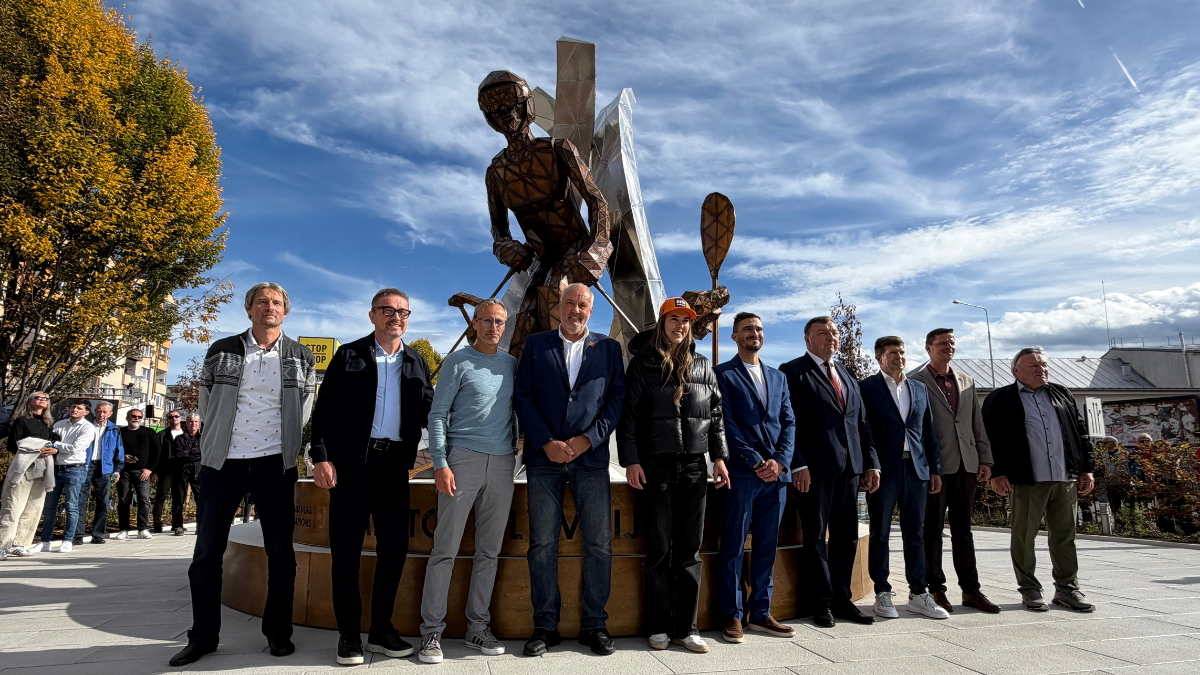
Vlhova’s influence extends far beyond the ski slopes of Europe. On October 10, the town of Liptovský Mikuláš unveiled the Park of Olympic Champions, a public space dedicated to the achievements of local athletes. Vlhova, alongside canoe slalom legends Michal Martikán and Elena Kaliská, was immortalized in a sculptural installation that serves as a permanent testament to her impact on Slovakian sports culture.
The inauguration of this park highlighted a broader theme of legacy. Vlhova, during the ceremony, expressed her hope that the space would serve as a catalyst for future generations of athletes. Her father, Igor Vlha, who has been a constant presence in her career, emphasized the grassroots origins of the project, noting that the initiative was born from a desire to celebrate the region’s contribution to international athletics.
The Global Fan Ecosystem
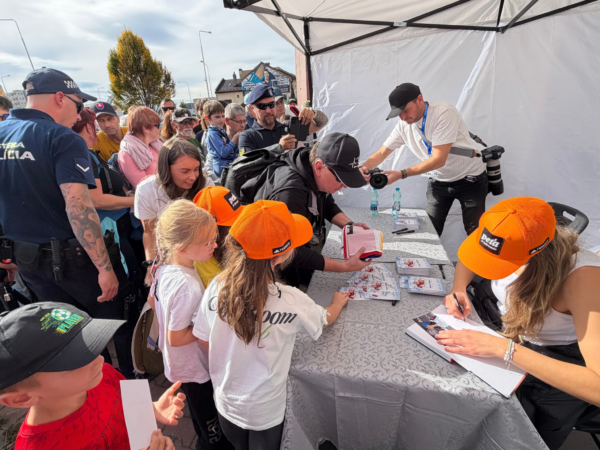
The anticipation surrounding Vlhova’s return is reflected in the global engagement of her fan base. A unique highlight of her off-season was her induction as an honorary member of the "Fan Club Feller Norwegen," a group traditionally associated with Austrian skier Manuel Feller. This gesture, which transcended national borders and team allegiances, underscores the camaraderie inherent in the alpine skiing community.
Feller’s public endorsement of Vlhova’s return further illustrates the mutual respect shared among the circuit’s top competitors. In an era where sports are often divided by intense nationalistic competition, these displays of solidarity emphasize that the elite skiing community operates as an interconnected ecosystem where the success of one athlete is celebrated as a victory for the sport itself.
Future Outlook: A Measured Approach to 2026
As the World Cup opener in Sölden approaches, the narrative surrounding Petra Vlhova is no longer defined by the pressure of immediate victory, but by the triumph of the journey itself. Her return is characterized by a "living in the present" philosophy—a mindset shift that she credits with making her a more complete person and a more focused athlete.
The upcoming season will serve as a barometer for her long-term prospects. With a new coaching staff, a stable support network, and a body that is being managed with precision, Vlhova is positioned for a resurgence that prioritizes sustainability over short-term gain. While the competitive nature of the World Cup remains unchanged, Vlhova’s approach to it has shifted significantly. She is no longer just chasing trophies; she is navigating a second act that promises to be as technically profound as her rise to the top of the sport.
The implications for the 2026-2027 season are significant. If Vlhova successfully manages the transition back to high-intensity competition, she will remain a formidable force in the technical disciplines. Her success will likely be measured not just in race results, but in her ability to maintain a balance between the rigors of professional training and the lessons learned during her hiatus. For the fans who have stood by her, the sight of her back in the start house in Sölden is a victory in its own right—a testament to perseverance in the face of significant adversity.

