
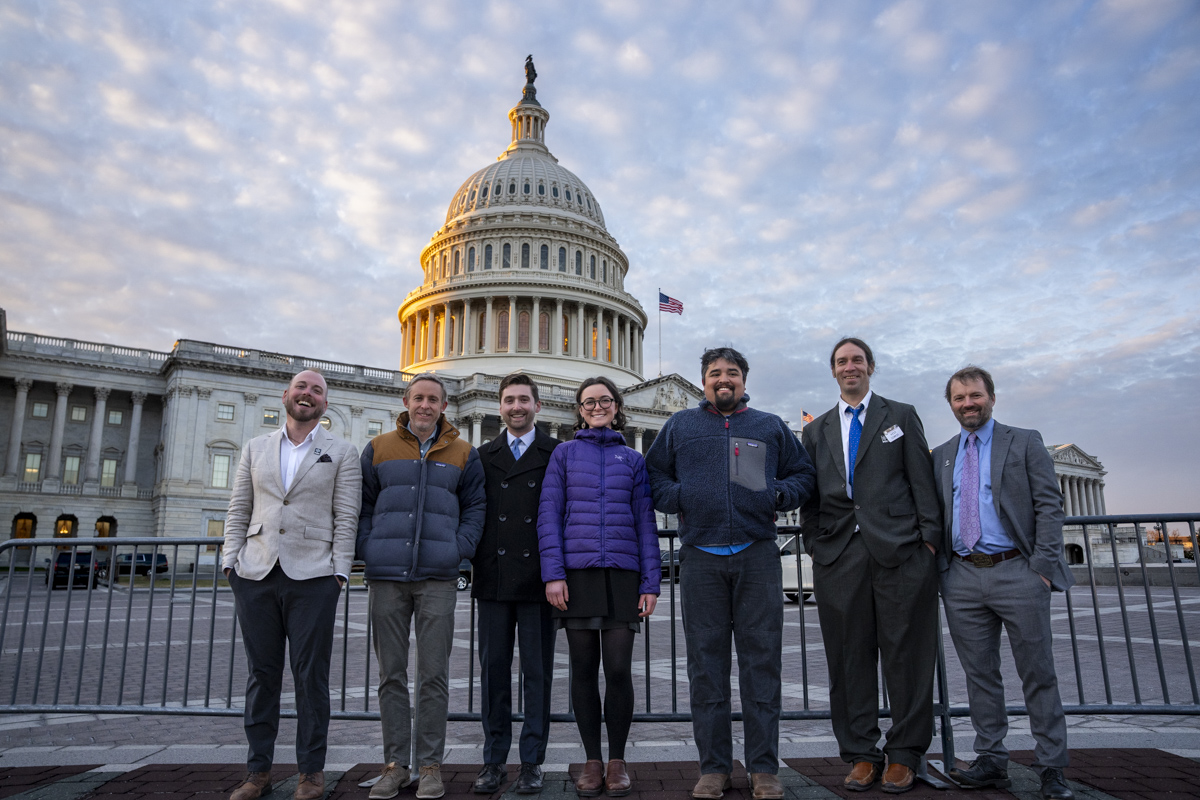
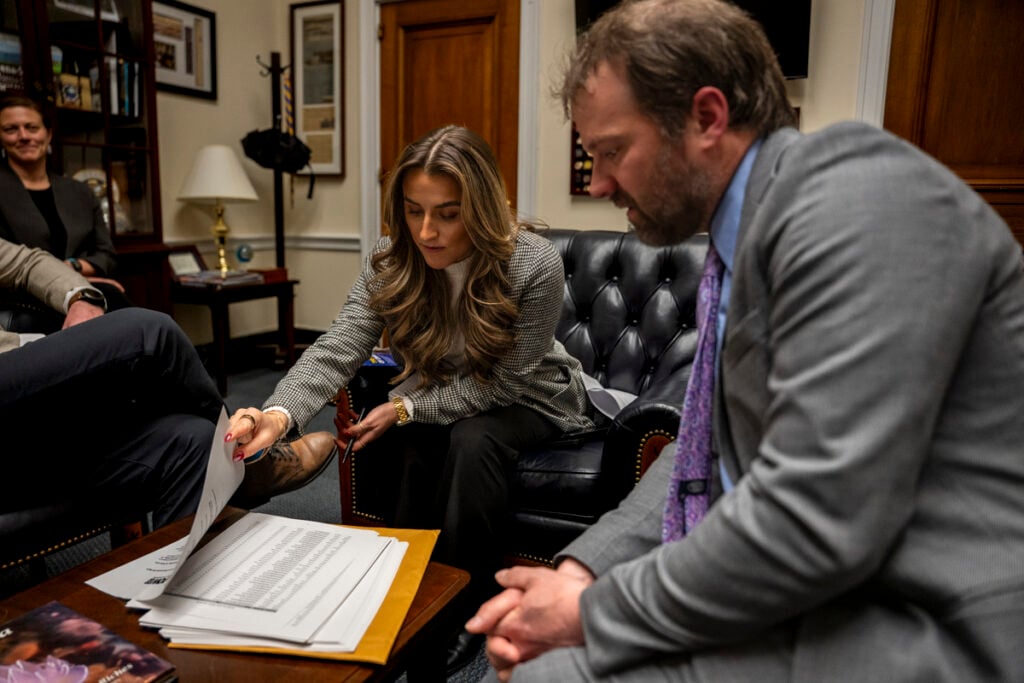
In a coordinated effort to influence the trajectory of American energy policy and land conservation, a high-profile coalition comprising Protect Our Winters, the Alaskan Wilderness League, and the League of Conservation Voters recently concluded a two-day "fly-in" on Capitol Hill. The delegation, which included professional athletes, climate scientists, filmmakers, and Indigenous representatives, arrived in Washington, D.C., to hand-deliver a comprehensive 74-page petition containing more than 6,000 signatures. This document, described by organizers as a physical manifestation of the "Outdoor State’s" collective voice, calls for the permanent protection of the Arctic National Wildlife Refuge and the National Petroleum Reserve in Alaska. The advocacy effort occurred against a backdrop of intensifying legislative activity, as the Trump administration moved to finalize measures designed to streamline oil and gas extraction in some of the nation’s most ecologically sensitive northern regions.
The Advocacy Mission and the Arctic Petition
The primary objective of the mission was to present lawmakers with tangible evidence of public opposition to renewed leasing in the Arctic. The 74-page petition served as the centerpiece of the coalition’s outreach, representing a diverse cross-section of the outdoor industry and recreational community. By bringing together voices from the "Outdoor State"—a demographic term used by Protect Our Winters to describe the millions of Americans who participate in outdoor recreation—the coalition sought to demonstrate that conservation is not merely an environmental concern but a significant economic and cultural priority.
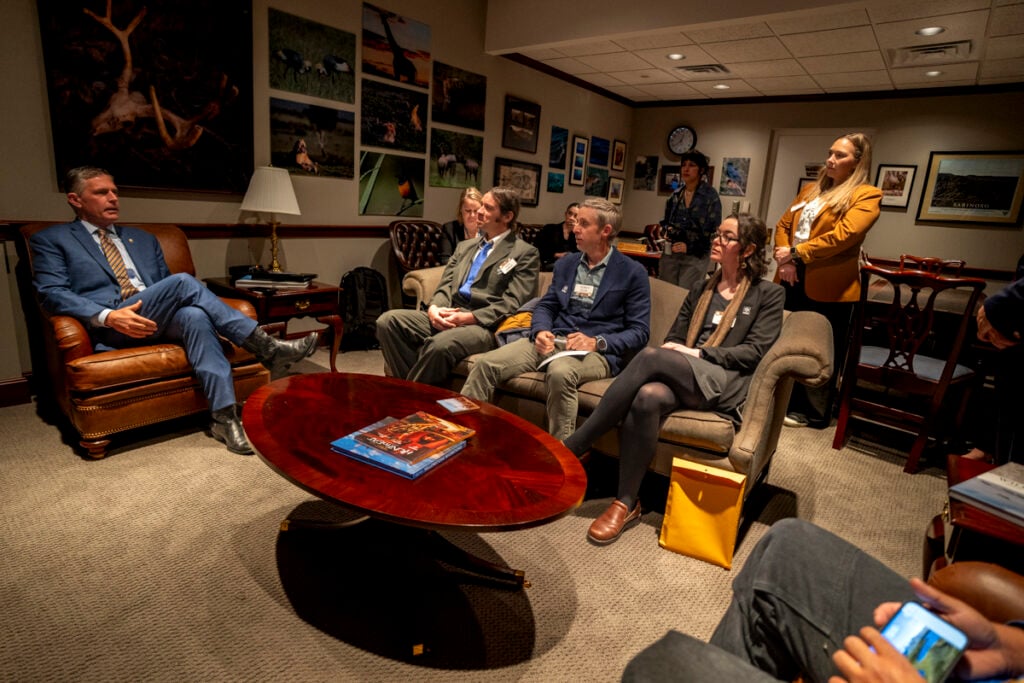
The timing of the visit was critical. With the executive branch signaling a renewed push for energy independence through fossil fuel expansion, the coalition argued that the Arctic should not be viewed as a "bargaining chip" in political negotiations. Their message focused on three primary pillars: the environmental recklessness of Arctic drilling, the fiscal risks associated with high-cost extraction in remote areas, and the direct threat to Indigenous sovereignty. The delegation met with key staffers and representatives, including the office of Representative Jared Huffman and Senator Martin Heinrich, to underscore that the protection of these landscapes is essential to meeting national climate goals and preserving carbon-rich permafrost.
A Chronological Account of the Strategic Fly-In
The advocacy effort was structured as a two-day intensive series of briefings and face-to-face meetings. On the first day, members of the coalition, including renowned mountaineers and Indigenous leaders, underwent strategic briefings to align their messaging on both Arctic protection and the promotion of the Energizing Our Communities Act. This bipartisan legislative proposal aims to support the transition to clean energy by providing community-level solutions for energy resilience and grid modernization.
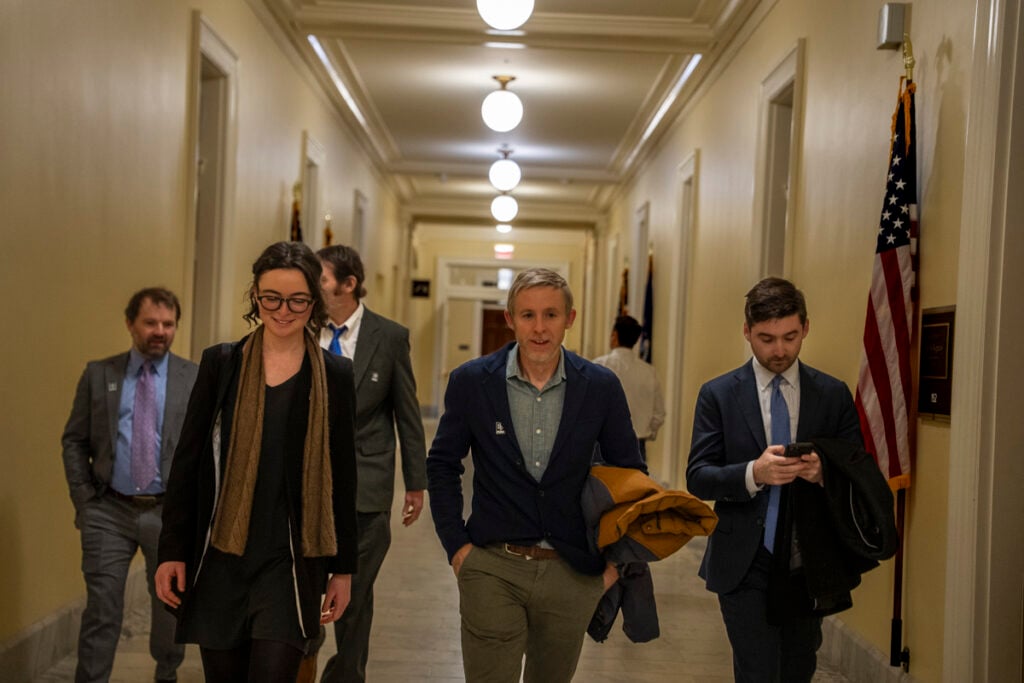
Throughout the second day, the group fanned out across the House and Senate office buildings. The presence of professional athletes like Tommy Caldwell and creative professionals like Brennan Lagasse and Ming T. Poon provided a unique perspective, grounding abstract policy discussions in "lived experience." In dozens of meetings, the delegation argued that the Arctic’s value as a recreational and ecological resource far outweighs its potential for short-term energy production.
The culmination of the trip occurred just as the political landscape shifted significantly. On the Friday following the fly-in, the Trump administration signed legislation aimed at easing the regulatory pathway for drilling and mining operations in Arctic Alaska. This development has effectively transitioned the coalition’s efforts into a "Phase Two" campaign, focusing on legal challenges, public pressure, and economic advocacy to discourage private investment in the region.
The Legislative Context: ANWR and the NPRA
The debate over Arctic drilling is centered on two massive tracts of land: the Arctic National Wildlife Refuge and the National Petroleum Reserve in Alaska. The ANWR, spanning roughly 19.6 million acres, has been the subject of political contention since the 1970s. While the 2017 Tax Cuts and Jobs Act officially opened the refuge’s Coastal Plain to leasing, subsequent administrative actions have fluctuated between halting and accelerating development.
The recent legislation signed by the Trump administration seeks to remove what proponents describe as "bureaucratic hurdles" that have delayed exploration. These bills are intended to facilitate infrastructure development, such as roads and pipelines, necessary for large-scale extraction. However, the coalition argues that such measures ignore the "clear economic realities" of the modern energy market. They contend that the cost of operating in the Arctic is prohibitively high, especially as global demand shifts toward renewable sources and major financial institutions increasingly distance themselves from Arctic fossil fuel projects.
Economic Realities and the Case for Conservation
A significant portion of the coalition’s argument rests on a fiscal analysis of Arctic drilling. During their meetings on Capitol Hill, delegates highlighted the financial risks of "stranded assets"—investments that may never see a return as the world transitions away from oil. Data provided by environmental economists suggests that Arctic oil is among the most expensive in the world to extract due to extreme weather conditions, the lack of existing infrastructure, and the immense distances involved in transport.
Furthermore, the coalition pointed to a growing trend in the global financial sector. Over the past five years, dozens of major global banks and insurance companies have announced policies that restrict or prohibit the financing of oil and gas exploration in the Arctic. By presenting these facts to lawmakers, the advocates aimed to show that Arctic drilling is not only an environmental hazard but a "bad long-term investment" for the U.S. taxpayer.
In contrast, the delegation promoted the Energizing Our Communities Act as a fiscally responsible alternative. This act focuses on the "national upside" of clean energy policy, emphasizing job creation in the renewable sector and the strengthening of domestic energy grids. By framing conservation and clean energy as two sides of the same economic coin, the coalition sought to find common ground with lawmakers from both parties.
Indigenous Sovereignty and Ecological Integrity
The participation of Indigenous voices was a cornerstone of the fly-in. For many Alaskan Native communities, particularly the Gwich’in people, the Arctic Refuge is considered sacred land. The Coastal Plain, often referred to as "the sacred place where life begins," serves as the primary calving ground for the Porcupine Caribou Herd. Any disruption to this ecosystem threatens the food security and cultural heritage of these communities.
The coalition’s messaging emphasized that any legislative push for drilling without the consent of Indigenous stakeholders is a violation of sovereignty. From an ecological standpoint, the Arctic acts as a vital carbon sink. Disturbing the permafrost through drilling and infrastructure development releases vast amounts of methane and carbon dioxide, potentially accelerating global warming. The 74-page petition delivered to Congress detailed these ecological stakes, arguing that the preservation of intact northern landscapes is a prerequisite for any viable national climate strategy.
Reactions and Statements from the Delegation
The members of the coalition returned from Washington with a sense of cautious optimism, despite the subsequent signing of the drilling bills. Tommy Caldwell, a member of the POW Climb Alliance, noted that direct engagement with policy is the most effective way to protect public lands. "Like it or not, policy is the only thing that has the chance to fix our climate and save our public lands," Caldwell stated. He emphasized that the trip provided a vital pathway for the outdoor community to "show up big time" in the rooms where decisions are made.
Brennan Lagasse, a member of the POW Creative Alliance, reflected on the importance of maintaining a "vibrant counter-balance" to the current political momentum. Having visited D.C. three times for this cause, Lagasse observed that even in a challenging political climate, the act of hand-delivering constituent petitions carries weight. Similarly, Ming T. Poon highlighted that the delegation was able to establish communication channels even with offices that traditionally support oil extraction, finding small areas of common ground regarding energy resilience.
Broader Impact and the Path Toward 2026
The immediate impact of the fly-in is seen in the strengthened ties between disparate groups—athletes, scientists, and Indigenous leaders—who are now aligned under a unified strategic framework. While the signing of the new Arctic legislation represents a setback for conservationists, the coalition views it as the beginning of a more intensive phase of advocacy.
Looking toward 2026, Protect Our Winters and its partners are preparing to escalate pressure on both the legislative and corporate fronts. This includes monitoring lease sales, supporting litigation to block permits, and continuing to educate the public on the economic and environmental benefits of a protected Arctic. The "Outdoor State" intends to remain a permanent fixture in the halls of Congress, asserting that the future of the Arctic is a matter of national interest that transcends election cycles.
As the campaign moves forward, the coalition remains focused on the long-term goal of permanent protection. They argue that the Arctic is a unique asset that, once developed, can never be restored. By combining the emotional power of storytelling with the cold logic of economic data, the advocates believe they can eventually shift the national consensus toward a policy that prioritizes the health of the planet and the rights of its inhabitants over short-term resource extraction.

