
The transition from the vibrant colors of autumn to the first snowfall marks a critical period for winter athletes, yet sports medicine experts emphasize that peak performance on the slopes is determined months before the first chairlift opens. While the traditional ski season typically spans only half the year, maintaining "ski shape" is increasingly recognized as a year-round discipline necessary for both high-level performance and injury prevention. Recent data from orthopedic clinics suggests that a significant percentage of early-season injuries are directly attributable to insufficient off-season conditioning, particularly in the core and lower extremities. By implementing a rigorous assessment of current strength levels and integrating specific functional movements into a summer and fall regimen, skiers can develop the physical foundation required to navigate powder, moguls, and variable terrain with precision and safety.
The Biomechanics of Skiing and the Necessity of Year-Round Training
To understand the necessity of off-season training, one must first examine the unique biomechanical demands of alpine skiing. Unlike many traditional sports that occur primarily in the sagittal plane (forward and backward movement), skiing requires exceptional stability and power in the frontal and transverse planes. As a skier carves through a turn, they must manage significant centrifugal forces while their core stabilizes the upper body against the rapid lateral movements of the lower limbs.

Failure to maintain this "ski shape" during the summer months leads to a phenomenon known as "early-season fatigue," where the muscles responsible for stabilizing the knee and hip joints reach exhaustion prematurely. This fatigue is a primary precursor to Anterior Cruciate Ligament (ACL) tears and medial collateral ligament (MCL) strains. Consequently, the modern approach to ski fitness has shifted away from purely cardiovascular preparation toward a holistic model that emphasizes eccentric strength, lateral stability, and deep core engagement.
Assessing Readiness: The Side Plank Test as a Diagnostic Tool
Before embarking on a rigorous conditioning program, athletes must establish a baseline of their current physical capabilities. One of the most effective and accessible methods for evaluating ski-specific readiness is the Side Plank Test. While the movement appears static, it serves as a comprehensive diagnostic tool for identifying weaknesses in the kinetic chain, specifically within the hips, trunk, and obliques.
In the context of alpine sports, the obliques and hip abductors act as the primary stabilizers. They allow the skier to maintain a "stacked" skeletal position even when under the pressure of a high-speed turn. A weakness in these areas often manifests as a "hip drop" or "trunk lean," which increases the mechanical stress on the lower back and knees.
Protocol for the Side Plank Assessment
To perform the assessment accurately, the individual must lie on their side with the elbow positioned directly beneath the shoulder to ensure joint stacking. The legs should be extended and stacked, with the hips lifted until the body forms a straight line from the cranium to the heels. The diagnostic phase begins by flexing the top foot and lifting the leg to hip height.
The test is concluded when the individual can no longer maintain a straight line—specifically if the shoulder collapses, the hips sag toward the floor, or the top leg cannot be held at hip height. While a recreational skier can typically complete five controlled lifts per side, the benchmark for "peak ski readiness" is 10 to 15 slow, high-quality repetitions on each leg. Discrepancies between the left and right sides are particularly noteworthy, as they indicate muscular imbalances that could lead to asymmetrical skiing and increased injury risk on one side of the body.
A Chronological Approach to Off-Season Conditioning
Effective ski preparation follows a periodized timeline. Experts suggest a three-phase approach to the off-season:
- The Recovery and Foundation Phase (Spring): Focuses on mobility and correcting imbalances identified during the previous season.
- The Hypertrophy and Strength Phase (Summer): Focuses on building the raw muscle mass in the quadriceps, hamstrings, and glutes.
- The Power and Reactive Phase (Autumn): Integrates plyometrics and high-intensity interval training (HIIT) to mimic the explosive nature of mogul skiing and rapid carving.
Within these phases, five specific exercises have been identified by trainers as essential components of a robust off-season program.
Five Essential Exercises for Ski-Specific Conditioning
1. Lateral Lunges for Frontal Plane Stability
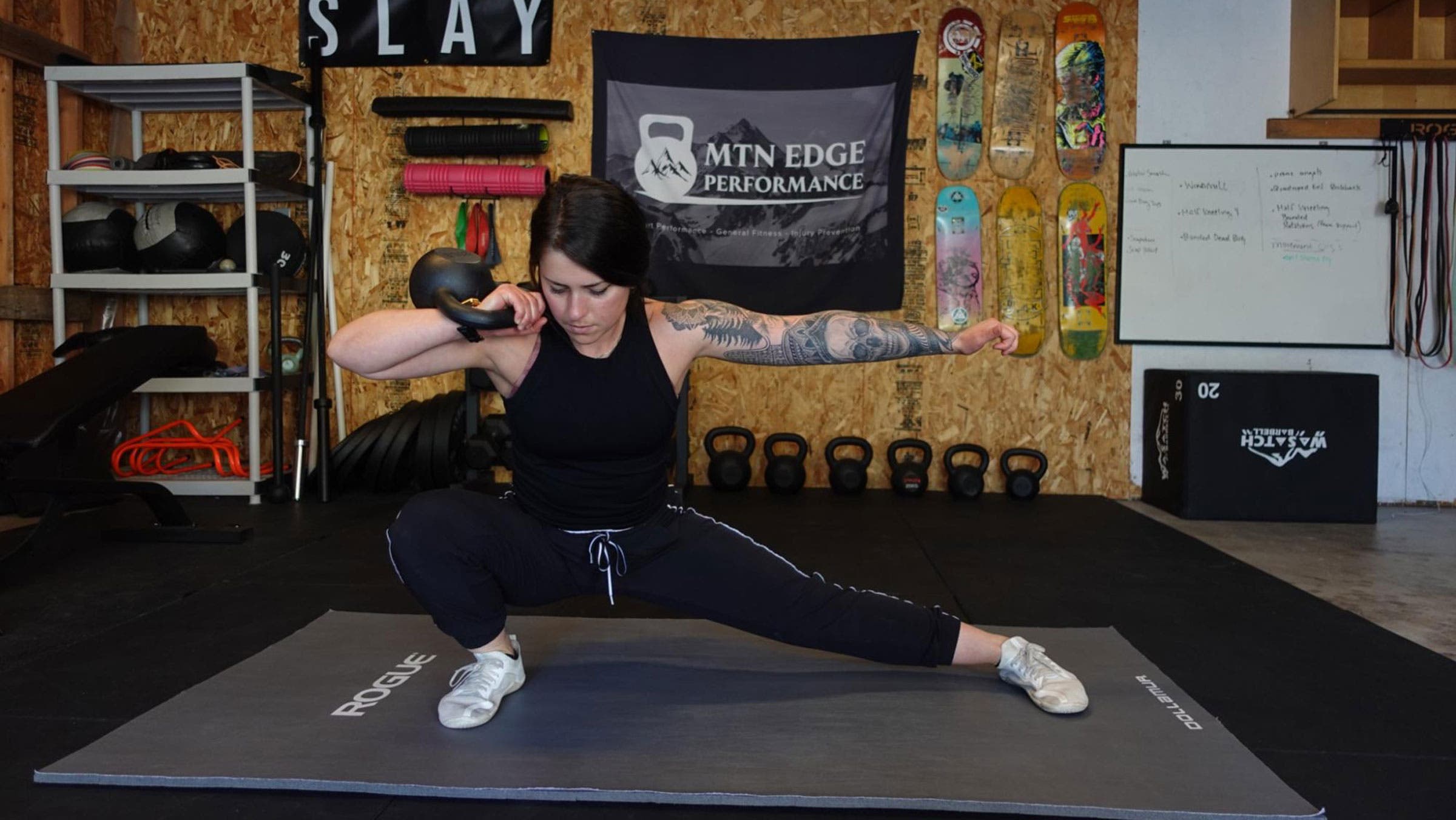
The lateral lunge is perhaps the most sport-specific movement for skiers. Unlike a traditional forward lunge, the lateral variation targets the gluteus medius and the adductors, muscles that are vital for edge control and lateral weight transfers. By strengthening the hips in this plane, skiers can better resist the forces that cause the knees to "cave in" (valgus stress) during heavy turns.
For maximum efficacy, the athlete should step wide to the side, keeping the trailing leg straight while hinging the hips back and down. Advanced practitioners are encouraged to add resistance by holding a kettlebell in a front rack position, which further challenges the core to maintain an upright posture under load. The target volume for this movement is eight to 12 repetitions per side.
2. Step-Ups for Unilateral Power
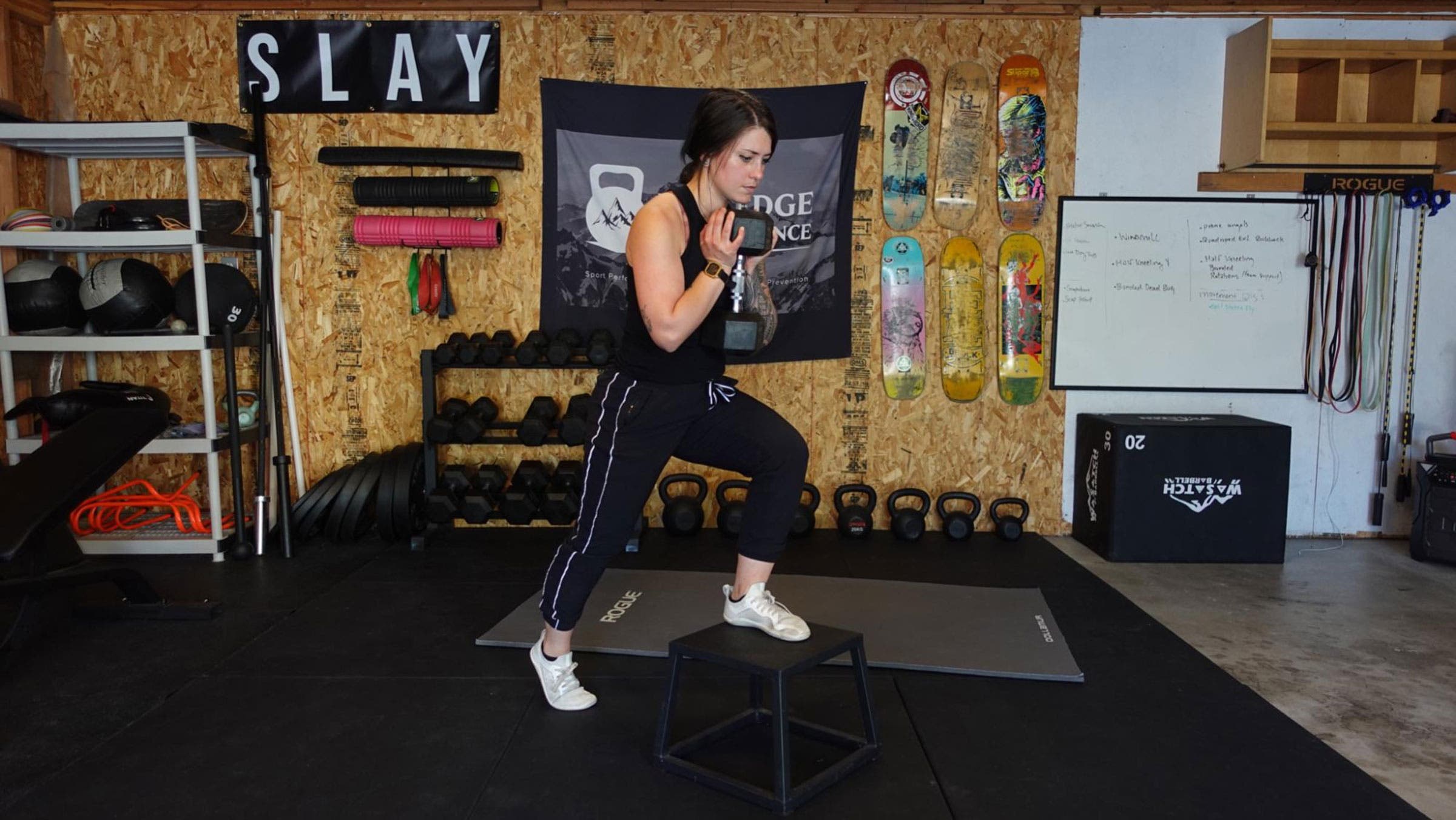
Skiing is essentially a series of unilateral (single-leg) movements. At any given point in a turn, the majority of the skier’s weight is concentrated on the outside, or "downhill," ski. Step-ups are an unparalleled tool for eliminating strength discrepancies between the legs and building explosive power in the glutes and quadriceps.
Utilizing a box or bench at approximately knee height, the athlete drives through the heel of the elevated foot to stand tall, focusing on a controlled descent to maximize the eccentric (lengthening) phase of the muscle contraction. This eccentric control is what allows a skier to "absorb" the impact of bumps and uneven snow.
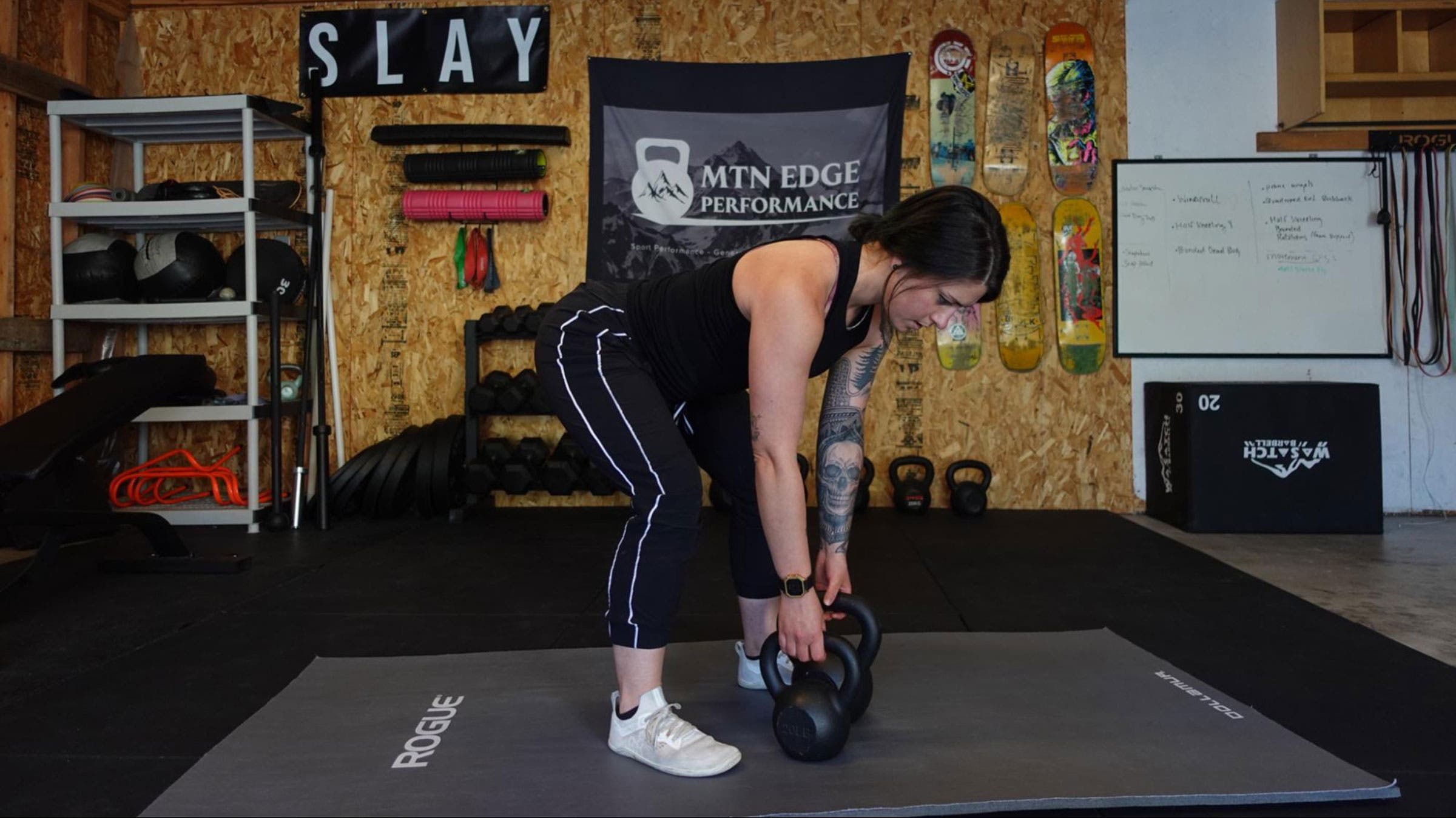
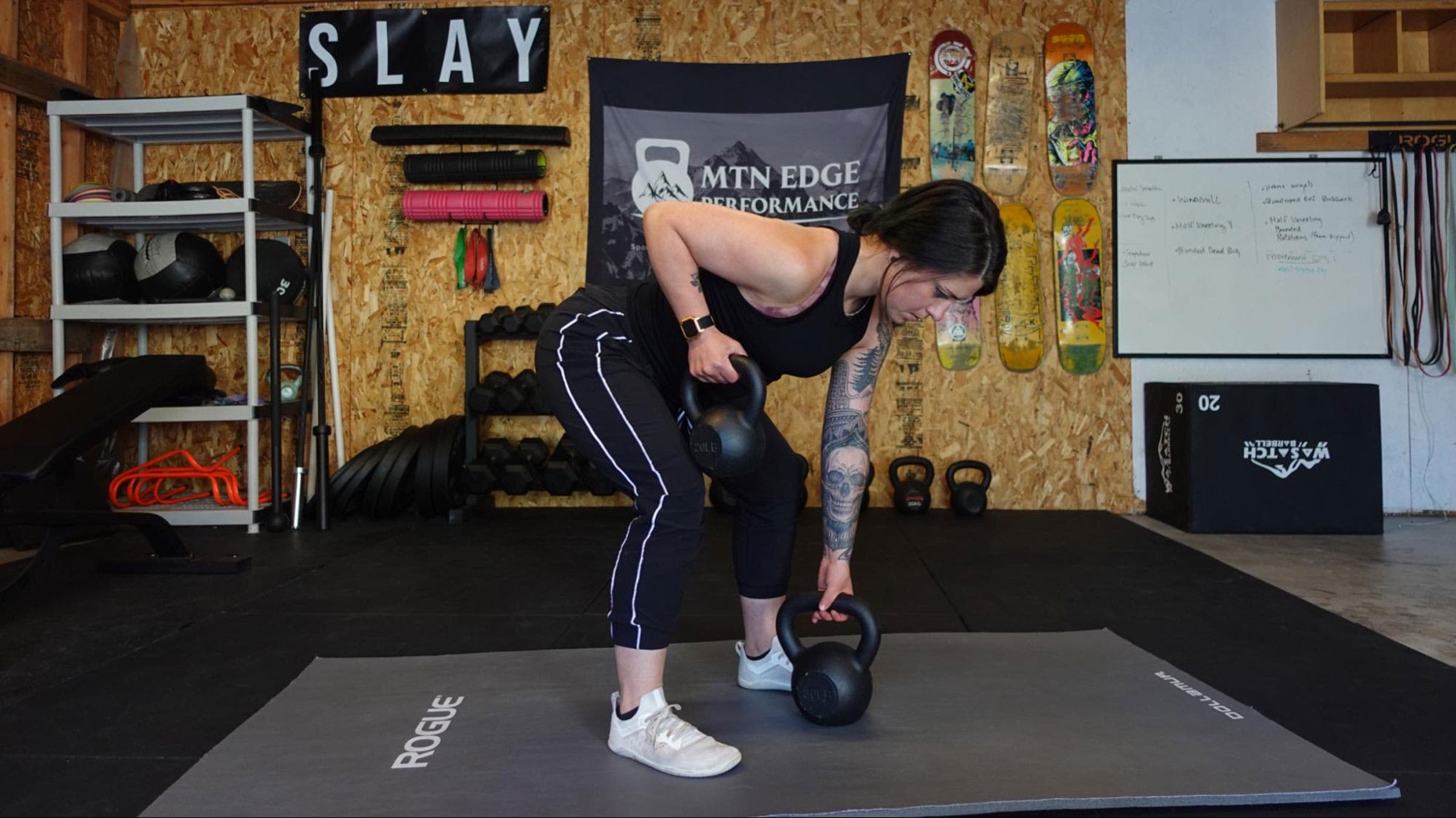
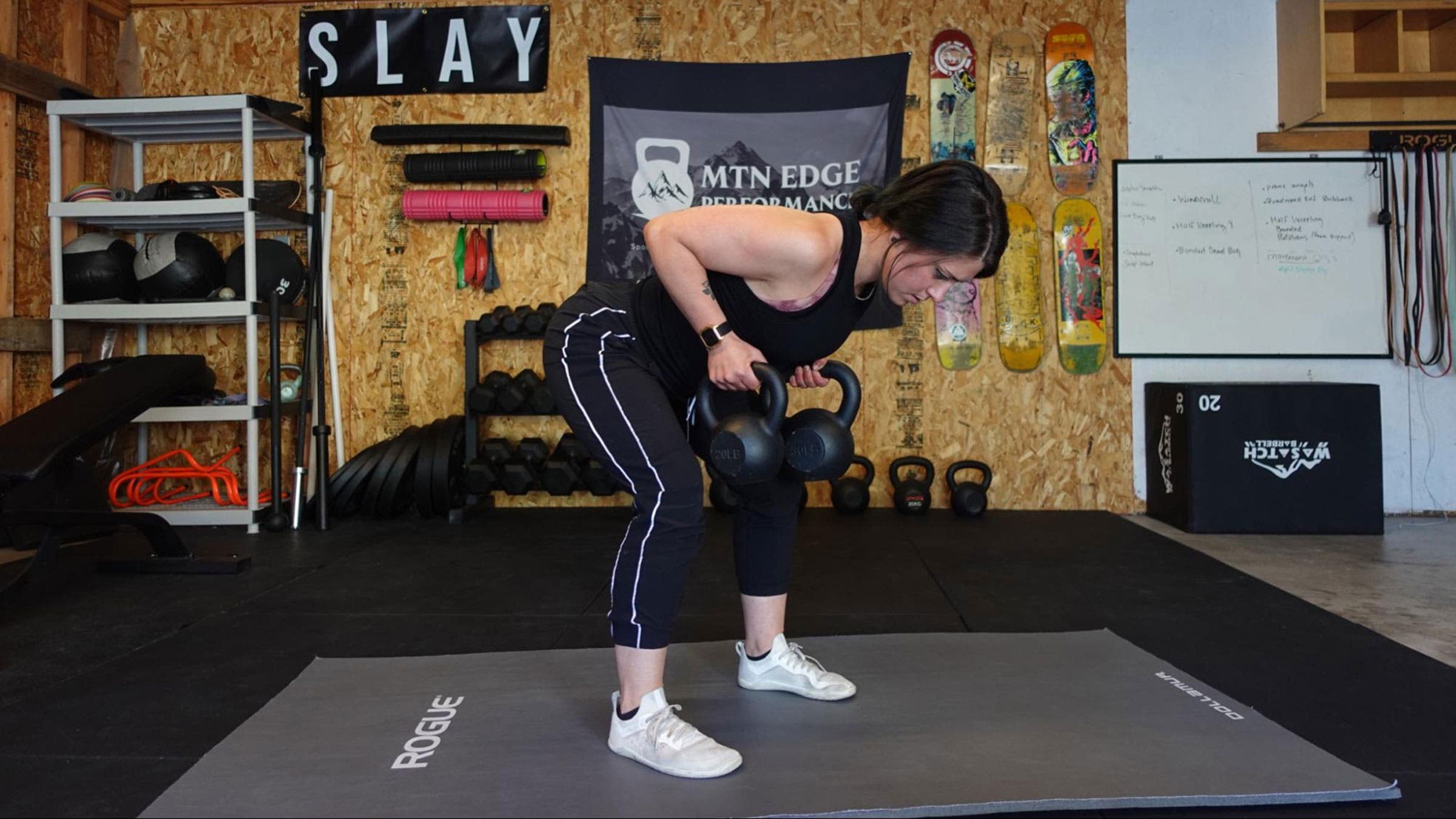
3. Gorilla Rows for Posterior Chain Integrity
Often overlooked in ski fitness, the muscles of the deep back—the erector spinae—and the mid-back are essential for maintaining the "athletic stance" throughout a long day on the mountain. The Gorilla Row is a functional pull movement that requires the athlete to maintain a deep hinge position while rowing heavy weights.
This exercise mimics the impact absorption required when landing jumps or charging through heavy "mashed potato" snow. By strengthening the lower back and core simultaneously, the Gorilla Row builds a chassis capable of protecting the spine against the high-impact forces of downhill travel. Athletes should aim for eight to 12 reps per side, ensuring the torso remains parallel to the floor.
4. The Suitcase March for Anti-Lateral Flexion
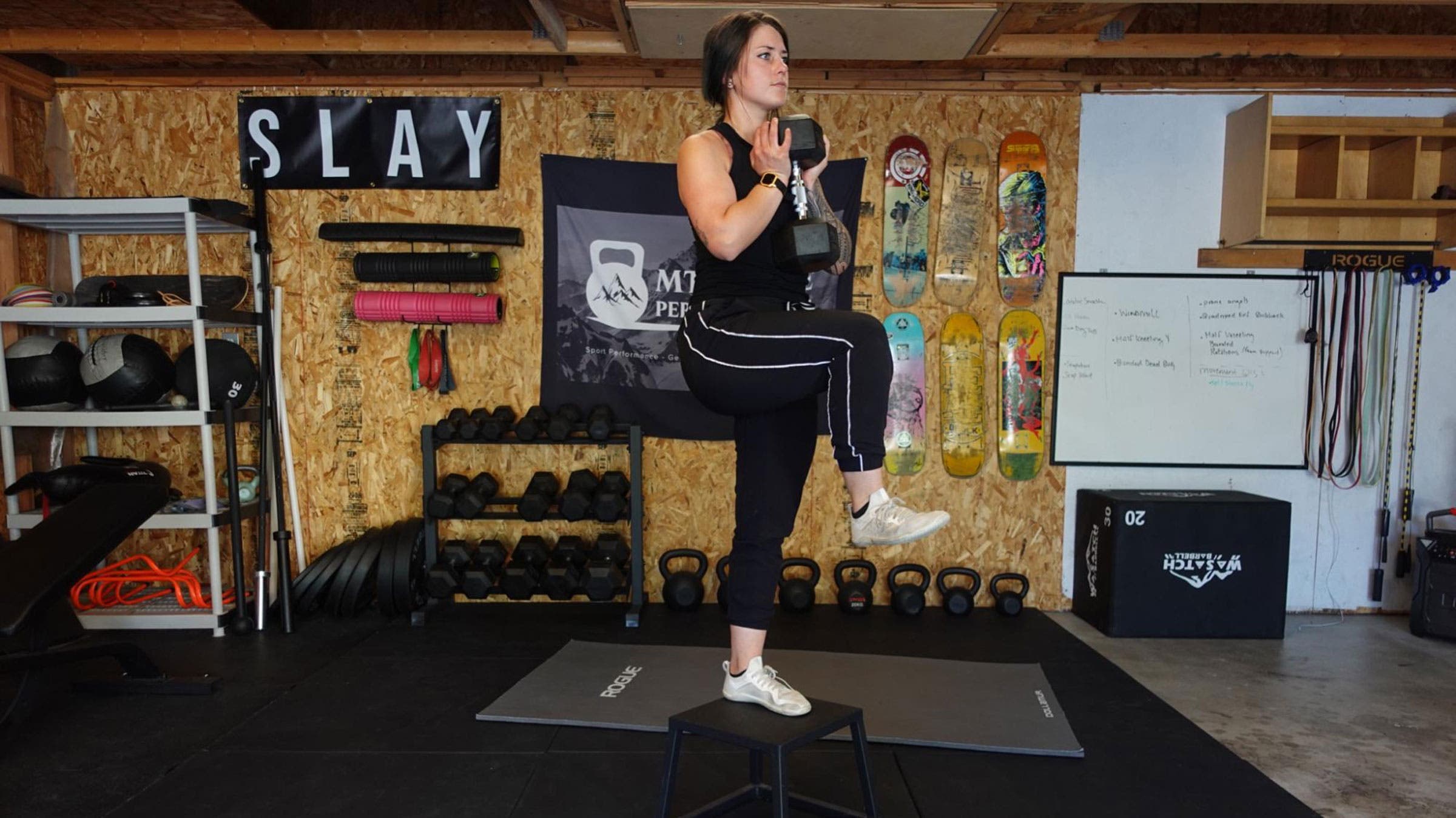
The Suitcase March is a "loaded carry" variation that specifically targets the deep stabilizer muscles of the core. By holding a heavy weight on only one side of the body while marching in place, the athlete forces the contralateral (opposite) side of the core to work overtime to prevent the torso from leaning toward the weight.
This "anti-lateral flexion" is critical for skiers who need to keep their upper body quiet and stable while their legs move dynamically beneath them. This exercise translates directly to the ability to carve and drop into steep lines without losing balance or experiencing lower back fatigue.
5. Plank Pull-Throughs for Rotational Stability
The final component of a comprehensive ski workout is the Plank Pull-Through. This movement challenges the athlete to maintain a high plank position while moving a weight horizontally beneath the chest. This requires immense rotational stability.
In skiing, the ability to resist unwanted rotation of the torso is what allows for clean, precise turns. If the core is "soft," the energy generated by the legs is dissipated through the trunk, leading to sloppy technique and increased physical strain. Completing two to four sets of 30 to 50 seconds of pull-throughs ensures the abdominal wall is conditioned to respond to the rapidly changing conditions of the mountain.
Data-Driven Analysis of Injury Prevention
The implications of such a training regimen extend beyond mere performance. According to data from the National Ski Areas Association (NSAA), while the overall rate of skiing injuries has declined over the past several decades due to better equipment, the proportion of "fatigue-related" injuries remains high. A 2022 study on alpine athletes found that those who engaged in at least eight weeks of targeted pre-season strength training reported a 40% lower incidence of non-contact knee injuries compared to those who relied solely on general cardiovascular fitness.
Furthermore, the economic impact of off-season conditioning is notable. With the rising costs of lift tickets and seasonal passes, an injury sustained in December can result in thousands of dollars of lost value, not to mention the subsequent medical expenses. Professional trainers argue that off-season fitness is, in effect, a form of "insurance" for the winter season.
Expert Reactions and Industry Trends
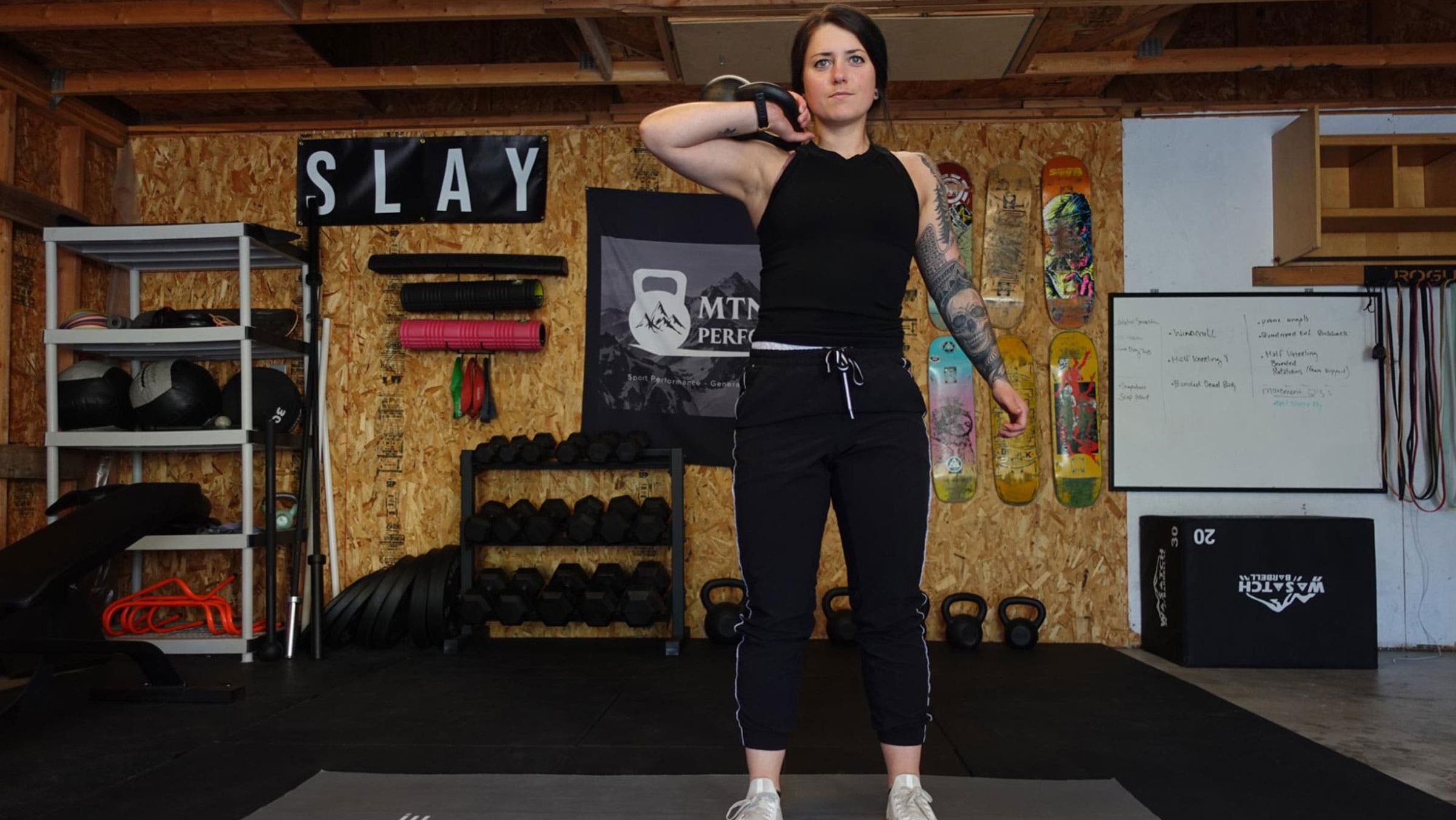
Fitness professionals within the ski industry have noted a significant shift in how enthusiasts approach the "off-season." "We are seeing a move away from the ‘weekend warrior’ mentality," says one head trainer at a major Colorado resort. "Skiers are beginning to realize that the mountain doesn’t care if you’re tired. If your core isn’t ready to stabilize your hips in a mogul field, your knees are going to pay the price. The side plank test and movements like the Gorilla Row are becoming standard benchmarks for our clients."
This sentiment is echoed by physical therapists who specialize in winter sports. They note that the "Suitcase March" and "Plank Pull-Through" are no longer just for elite racers; they are essential for the 50-year-old recreational skier who wants to enjoy the sport for another twenty years. Longevity in skiing is increasingly tied to the maintenance of "deep strength"—the kind that is built in the gym during the months of July and August.
Conclusion: The Broader Impact of Year-Round Readiness
The evolution of ski fitness from a seasonal afterthought to a year-round discipline reflects a broader trend in sports science toward functional longevity. By utilizing the Side Plank Test to identify physiological gaps and filling those gaps with targeted movements like lateral lunges and step-ups, skiers can ensure that their first day on the mountain is as productive as their last.
Ultimately, the goal of off-season conditioning is to bridge the gap between human physiology and the unforgiving physics of the mountain. Those who invest the time to build a solid foundation of hip and core strength will find themselves dancing through powder and charging through moguls with a level of confidence and safety that only "ski shape" can provide. As the industry continues to advance, the message remains clear: the best way to enjoy the winter is to prepare for it in the summer.

