
Martigny, a historic valley town situated in the Canton of Valais, is undergoing a profound transformation from a mere transit point for international skiers into a primary destination in its own right. Strategically positioned at the crossroads of Switzerland, France, and Italy, the town has long served as a logistical gateway for travelers moving between Geneva and high-altitude giants such as Zermatt, Verbier, and Crans-Montana. However, the recent completion of the CHF 41.5 million (£35 million) Quartier L’ÔDzë development represents a pivotal shift in the town’s economic and touristic strategy, signaling Martigny’s ambition to become the ultimate "basecamp" for the European Alps.
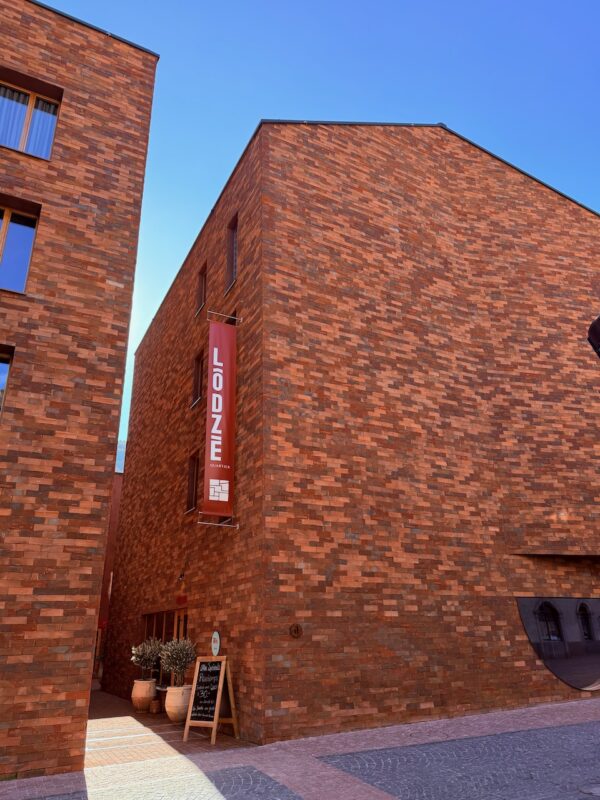
The town, which sits at an altitude of 471 meters in the Rhone Valley, has historically seen the majority of its winter traffic bypass its center via the motorway or the main railway line. Local authorities and private investors have sought to reverse this trend by emphasizing Martigny’s unique blend of Roman history, contemporary design, and unparalleled regional connectivity. The centerpiece of this revitalization is the Quartier L’ÔDzë, a four-star complex that opened its doors in early 2025. Rooted in the concepts of community, creativity, and wellbeing, the development aims to attract a demographic of travelers who seek the amenities of a high-end mountain resort without the prohibitive price points found in nearby Verbier or Zermatt.
The Architectural and Economic Catalyst: Quartier L’ÔDzë
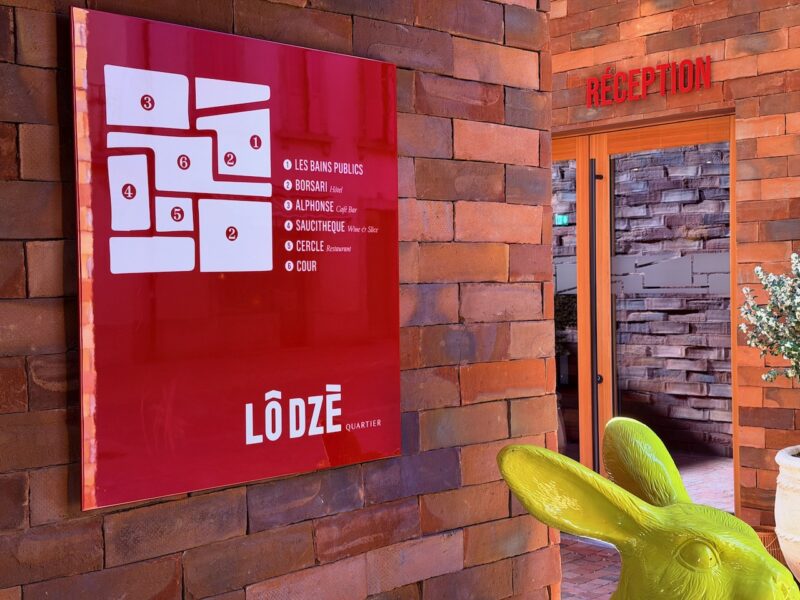
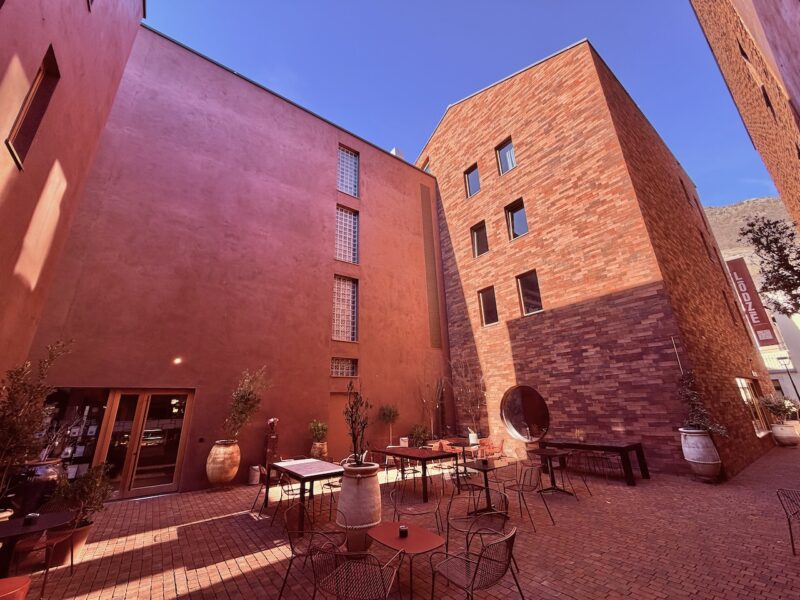
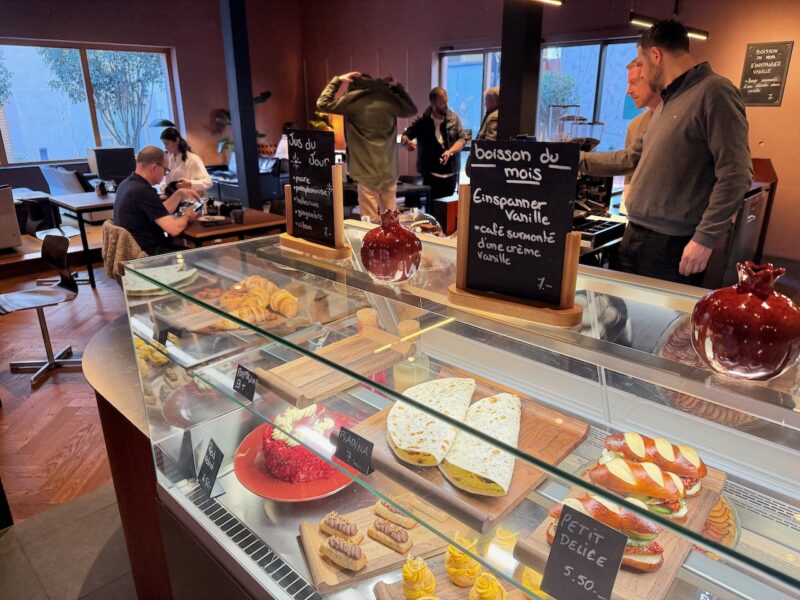
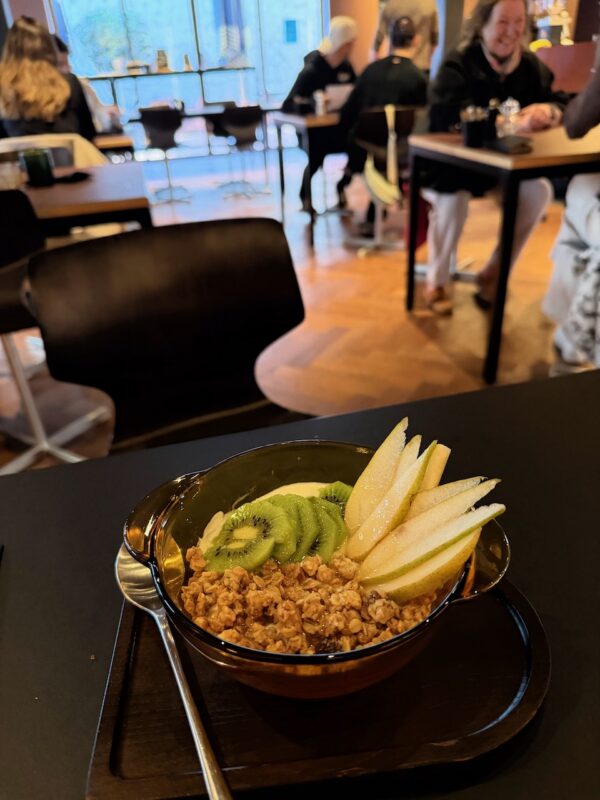
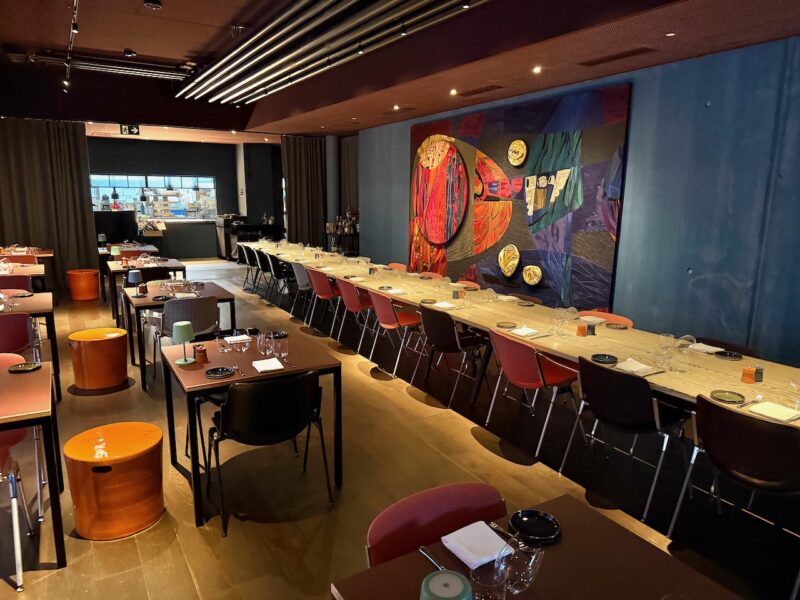
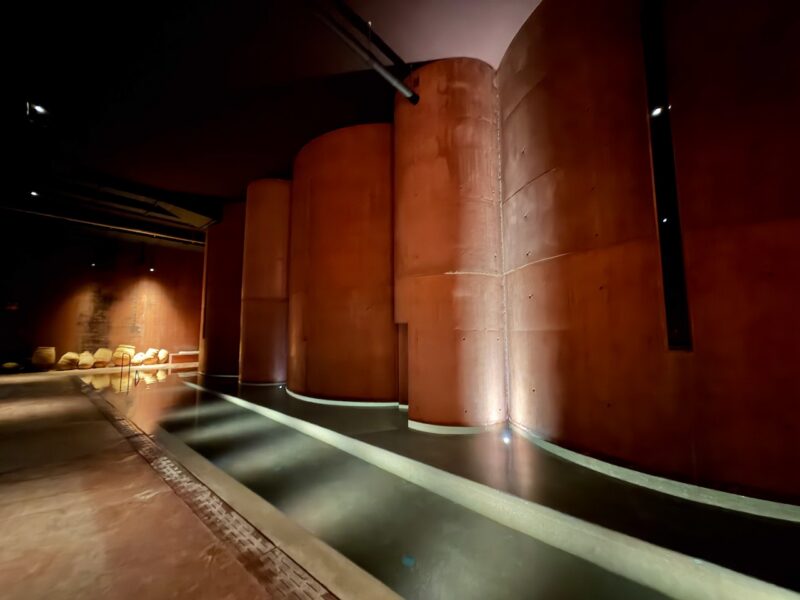
The Quartier L’ÔDzë project was the culmination of a 12-year vision held by its founder and owner, John Cretton. The development is not merely a hotel but a multifaceted urban ecosystem comprising the Borsari Hotel, the Le Cercle restaurant, the Alphonse bar, a specialized delicatessen known as the Saucithèque, and an extensive public wellness facility titled Les Bains Publics. The name "L’ÔDzë" itself is derived from local patois, translating to "Water Energy," a nod to the region’s linguistic heritage and its abundance of natural resources.
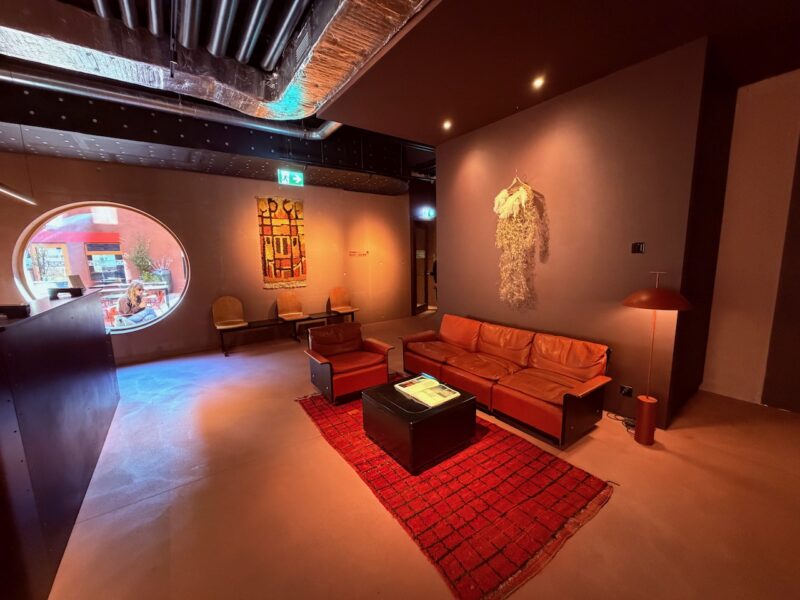
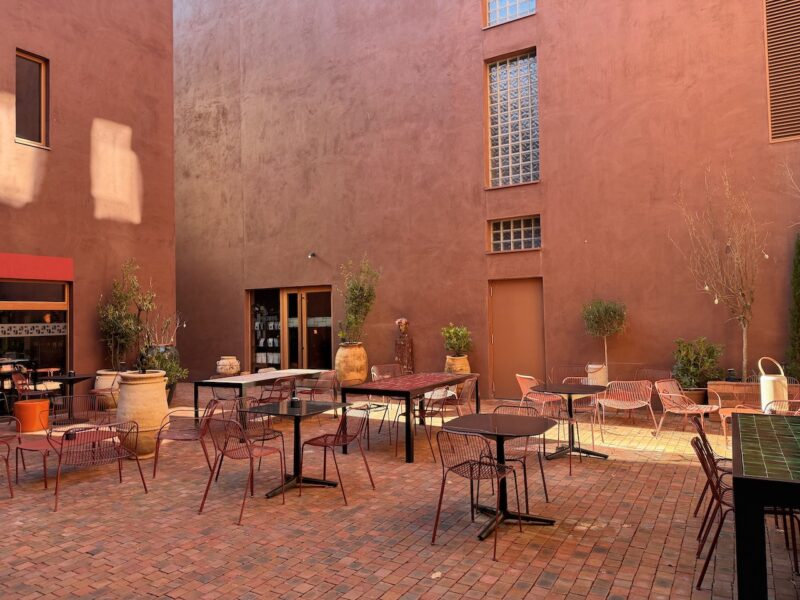
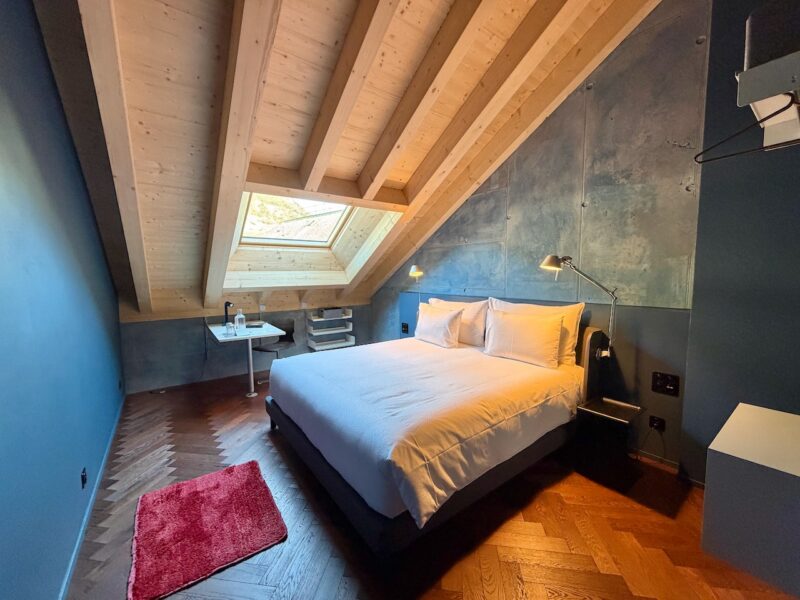
The Borsari Hotel, a member of the prestigious Design Hotels group, represents a significant upgrade to Martigny’s hospitality portfolio. With only 322 hotels in the worldwide Design Hotels portfolio and just four in Switzerland, the inclusion of the Borsari Hotel elevates Martigny into a global conversation regarding boutique luxury. The hotel features 50 rooms with a total capacity for over 100 guests. Unlike the traditional, wood-heavy Swiss chalet aesthetic common in the Valais, the Borsari emphasizes ultra-modern minimalism. Its central courtyard is designed to evoke the atmosphere of a Tuscan piazza, creating a deliberate contrast with the rugged alpine peaks that surround the town.
Economically, the pricing strategy of the Quartier L’ÔDzë is designed to disrupt the traditional resort model. Room rates begin at CHF 195 (£186) per night, with luxury suites priced at approximately CHF 450 (£380). For comparison, similar accommodations in Verbier or Zermatt often command double or triple these rates during the peak winter season. This value proposition is central to Martigny’s "basecamp" strategy, encouraging visitors to utilize the town’s lower cost of living while accessing the same world-class ski terrain.
A Chronology of Martigny’s Transformation
The evolution of Martigny from a transit hub to a destination has been a multi-decade process, punctuated by several key infrastructure and cultural milestones:
- 57 BC: The Roman conquest of the region establishes Martigny (then Octodurus) as a strategic military and trade outpost. The construction of the amphitheater begins, which remains a focal point for modern events.
- 13th Century: The construction of the La Batiaz castle fortification secures the town’s position at the head of the Rhone Valley, overlooking the strategic routes to the Great St. Bernard Pass.
- May 1800: Napoleon Bonaparte passes through Martigny with an army of 40,000 men on his way to Italy, cementing the town’s status as a critical alpine gateway.
- 2014: John Cretton conceptualizes the Quartier L’ÔDzë, beginning a decade-long process of planning, financing, and construction.
- June 2025: The opening of the new Barryland center, a CHF 25 million (£21 million) facility dedicated to the St. Bernard dog, provides a major year-round tourist draw.
- March 2026: Martigny reports a significant increase in "weekend stopovers," where Swiss and international skiers choose to stay in the valley rather than the resorts to take advantage of the town’s expanding culinary and cultural scene.
Strategic Connectivity: The Basecamp Philosophy
The primary appeal of Martigny as a ski hub lies in its geographical advantage. Sophie Donnet, a representative of Quartier L’ÔDzë, notes that the town is increasingly viewed as a central node from which a "multitude of resorts" can be accessed. This flexibility is particularly attractive to the modern "ski safari" traveler who prefers variety over staying in a single ski area for an entire week.
From Martigny, the world-renowned 4 Vallées network, including Verbier, is accessible within 20 to 30 minutes by road or rail. The Portes du Soleil, offering over 600 kilometers of pistes across 12 linked resorts, can be reached via the Swiss entrances at Morgins or Les Crosets. Additionally, the high-altitude resort of Crans-Montana is a short drive or train journey away, offering southern-facing slopes and panoramic views of the Matterhorn and Mont Blanc.
International connectivity is equally robust. Martigny serves as a gateway to the Aosta Valley in Italy via the Great St. Bernard Tunnel, a journey of approximately one hour. This allows skiers to experience Italian resorts such as Crevacol, Pila, and La Thuile while based in Switzerland. For those seeking the ultimate luxury experience, a helipad located near the Quartier L’ÔDzë offers direct transfers to Zermatt or heli-skiing excursions to the Petit Combin, with group rates starting at CHF 700.
Cultural and Historical Enrichment
Martigny’s appeal extends beyond the slopes, offering a level of historical and cultural depth rarely found in purpose-built ski resorts. The town’s Roman heritage is meticulously preserved, with the 1st-century amphitheater still hosting concerts and events, including a highly anticipated "silent disco" scheduled for July 2026.
The Fondation Pierre Gianadda remains the town’s cultural crown jewel, hosting world-class art exhibitions and housing a permanent collection of vintage automobiles. For families and animal lovers, the expanded Barryland facility provides an immersive experience into the history of the St. Bernard Monastery and its famous rescue dogs. The new facility, which can accommodate up to 1,000 visitors per day, houses 34 dogs in state-of-the-art kennels that prioritize both animal welfare and public education.
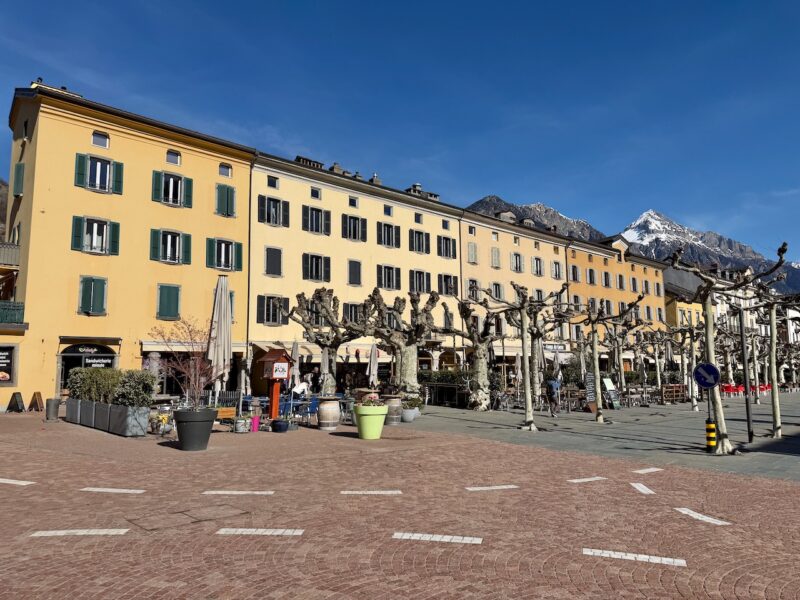
The town’s atmosphere is described as more "French" than typically "Swiss," characterized by a vibrant street life and a high density of discreet, high-quality restaurants and bars. The Whitefrontier micro-brewery has become a local landmark, offering craft beer tastings that cater to a younger, more adventurous demographic of winter sports enthusiasts.
Official Responses and Local Integration
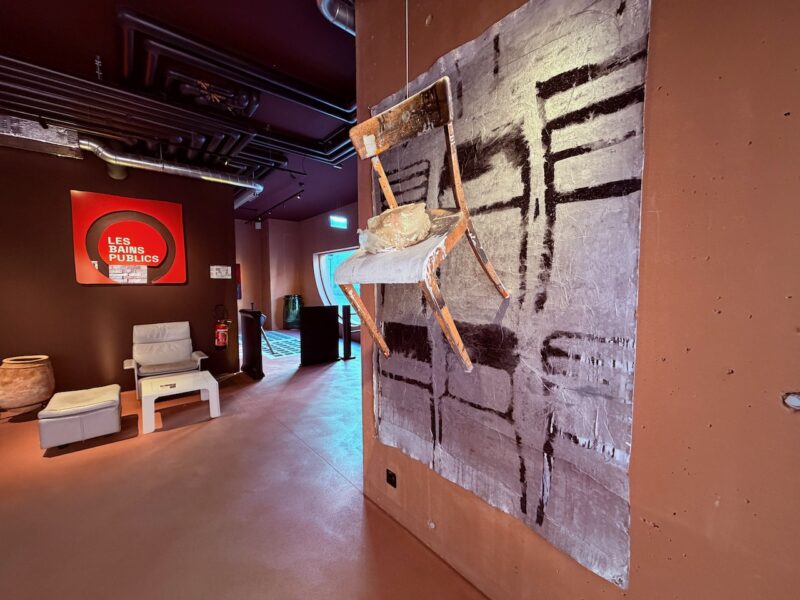
A critical component of Martigny’s recent development is the integration of tourist facilities with the local community. John Cretton has emphasized that Quartier L’ÔDzë was designed to be an "integral part of the town" rather than an isolated tourist enclave. "We don’t want to be a hotel behind closed doors," Cretton stated during the development’s anniversary. This philosophy is evident in the Les Bains Publics wellness center, which is located in the basement of the Borsari Hotel but remains fully accessible to Martigny’s 20,000 residents.
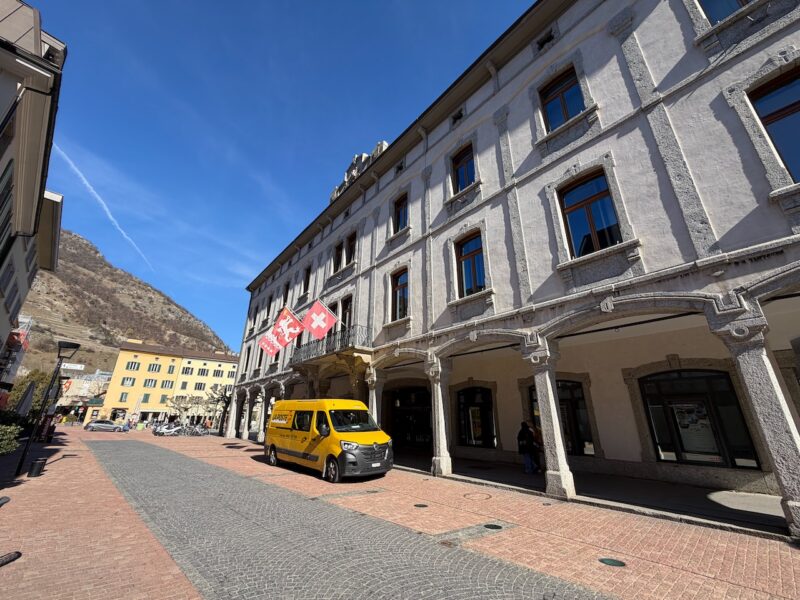
Local business owners have reported a "positive contagion" effect from the CHF 41.5 million investment. The influx of a more affluent, design-conscious demographic has encouraged other establishments to renovate and diversify their offerings. This has led to the emergence of "discreet luxury" dining and specialized retail, further differentiating Martigny from the more commercialized resort centers.
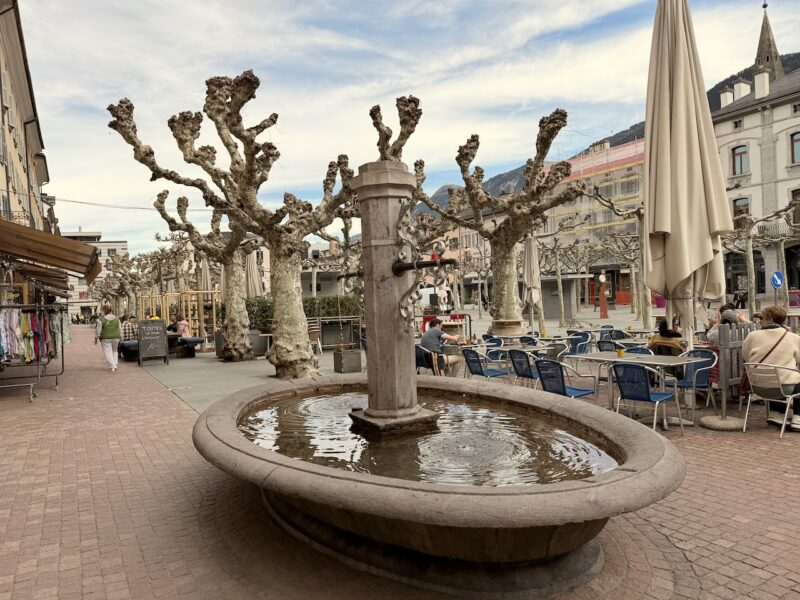
Broader Implications and Future Outlook
The success of Martigny’s transformation provides a blueprint for other valley towns in the Alps. As the cost of staying in high-altitude resorts continues to rise, and as climate change makes valley-based activities more essential during low-snow periods, the "basecamp" model appears increasingly sustainable. Martigny’s ability to offer a diverse range of activities—from Roman history and fine art to micro-breweries and world-class spa facilities—makes it resilient to the volatility of the ski industry.
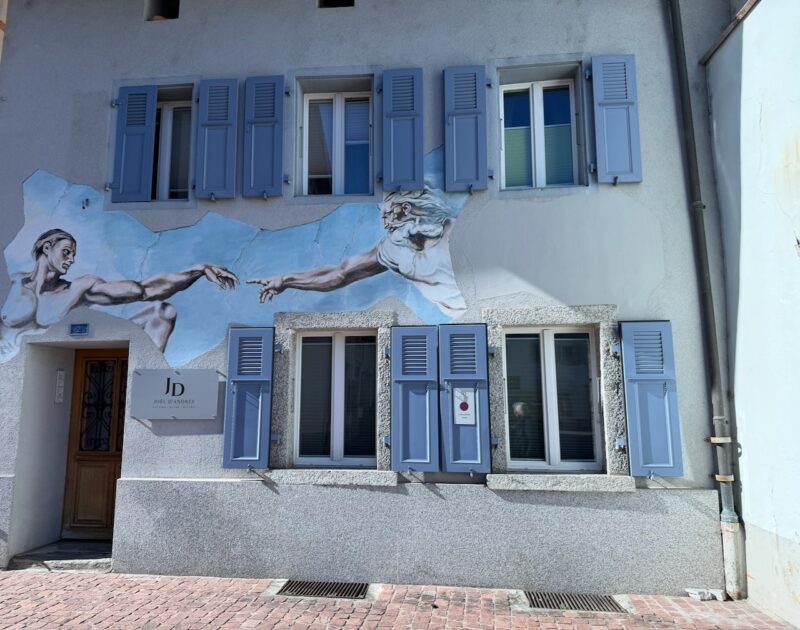
Furthermore, Martigny’s focus on rail-linked tourism aligns with broader European trends toward sustainable travel. By encouraging visitors to use the town’s central railway station as a hub for exploring the Canton of Valais, the town is helping to reduce the carbon footprint associated with alpine tourism.
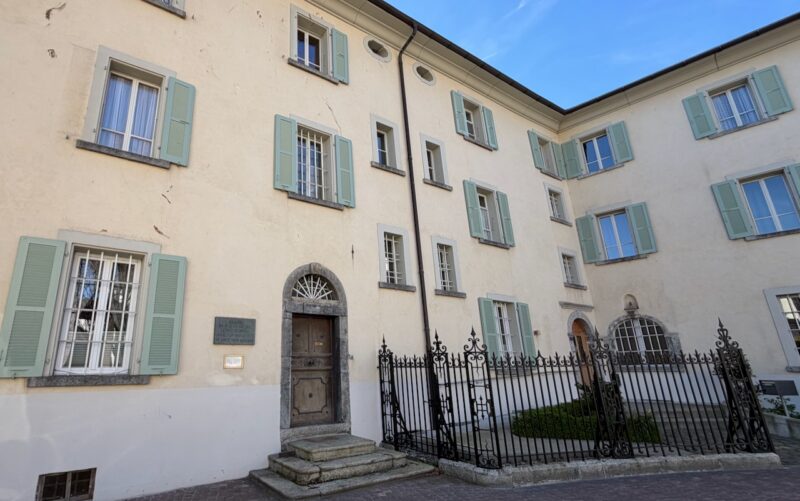
In conclusion, the Martigny of 2026 is no longer a place that people simply pass through. Through strategic investment, a respect for historical heritage, and a forward-thinking approach to hospitality, the town has reinvented itself as a sophisticated alpine destination. For the modern traveler, Martigny offers a compelling alternative to the traditional ski holiday: a chance to experience the history of the Alps, the luxury of contemporary design, and the freedom to explore multiple world-class resorts from a single, vibrant base. The "Water Energy" of L’ÔDzë has seemingly powered a new era for this historic crossroads, ensuring that Martigny will remain an essential stop on the alpine map for decades to come.

