
Published March 4, 2026 10:17 AM
Descending from the Jackson Hole tram in late January, the alpine environment presented its characteristic challenge: temperatures hovered around zero degrees Fahrenheit, and a persistent, biting wind whipped across the exposed faces of our group. Comprising two seasoned guides, three brand representatives, another ski journalist, and myself, the pace was immediate and purposeful. There was no time for hesitation; we swiftly bypassed the legendary Corbet’s Couloir and initiated a rapid descent of Rendezvous Bowl. Our collective velocity frequently reached speeds of 20-30 miles per hour, covering an impressive 4,000 feet of vertical drop with only brief stops for regrouping. After approximately two hours of navigating challenging steeps and carving through freshly groomed corduroy, the mercury had barely budged, inching up to a mere five degrees. While queuing for the subsequent tram ascent, I conducted a mental assessment of my overall comfort. My hands, despite high-quality gloves, were beginning to feel the chill, and my nose was noticeably frozen. Yet, to my surprise, my toes, typically the first extremities to succumb to extreme cold, remained remarkably comfortable, far from the precipice of discomfort. It was then, looking down at my ski boots, that I recalled the new piece of gear recently affixed to them. The previous day, a brand representative had equipped my Atomic boots with a product called a Bootcap: a precisely custom-molded piece of closed-cell foam designed to wrap around and insulate the entire front of the boot’s toe box. Initially, I harbored skepticism, dismissing the concept as potentially frivolous. However, out of respect for the rep, a long-standing acquaintance renowned for consistently recommending genuinely innovative gear, I agreed to try them. His judgment, once again, proved impeccable. This seemingly minor addition had transformed my experience, ensuring my feet remained content and ready for continued high-performance skiing.
The Pervasive Problem of Cold Toes in Skiing
Cold feet are an almost universal complaint among skiers, ranging from mild discomfort to debilitating pain that can prematurely end a day on the slopes. The toes, in particular, are highly susceptible to cold for several physiological and mechanical reasons. They are extremities, naturally receiving less blood flow than the body’s core, and are often the first point of contact with the frigid wind during descents. Modern ski boot design, while advancing in many areas such as weight reduction and power transmission, has inadvertently exacerbated this issue. Contemporary shells often feature thinner plastic around the toe box to shave grams, a trend that compromises insulation. Furthermore, the necessity for custom boot fitting frequently involves "punching out" or modifying the toe area to accommodate individual foot shapes, which can further thin the plastic and reduce the already limited insulating properties. This combination of natural vulnerability, design trends, and customization needs creates a persistent challenge for skiers seeking optimal comfort and performance in cold conditions. Traditional solutions include thicker socks, which can ironically compress the foot and reduce circulation, or expensive heated socks and boot heaters, which require batteries and can be prone to failure or uneven heating. The market has long sought a simpler, more passive, and universally applicable solution to this fundamental problem.
A Bootfitter’s Ingenuity: The Genesis of Bootcap
The revolutionary concept behind Bootcap originated not in a corporate R&D lab, but from the astute observations of Mike Thorpe, a veteran bootfitter with over three decades of experience in Salt Lake City. Thorpe’s daily interactions with skiers and their persistent complaints about cold toes provided him with a unique insight into the problem. He had long noticed a significant difference in warmth when using high-end, closed-cell foam liners in ski boots. These premium liners, while highly effective, often cost upwards of $200, placing them out of reach for the average skier. This realization sparked an idea: could the superior insulating properties of this specialized foam be harnessed in a more accessible and affordable manner?
For years, the concept simmered in the back of Thorpe’s mind. The breakthrough moment arrived in 2017. Driven by a desire to bring this high-performance insulation to a wider audience, he decided to experiment. In a stroke of inspired practicality, he took a $250 premium boot liner, surgically removed the toe section, and, using adhesive, strapped it to the exterior of his own ski boot. This crude, yet pivotal, prototype marked the true beginning of Bootcap. Thorpe understood that the toe area was not only the coldest part of the foot but also the first to bear the brunt of wind chill. His simple innovation aimed to directly counteract the inherent lack of insulation in this critical zone, exacerbated by thinning plastics and custom modifications in modern boot design.
Rigorous Testing and Validation: Proving the Concept
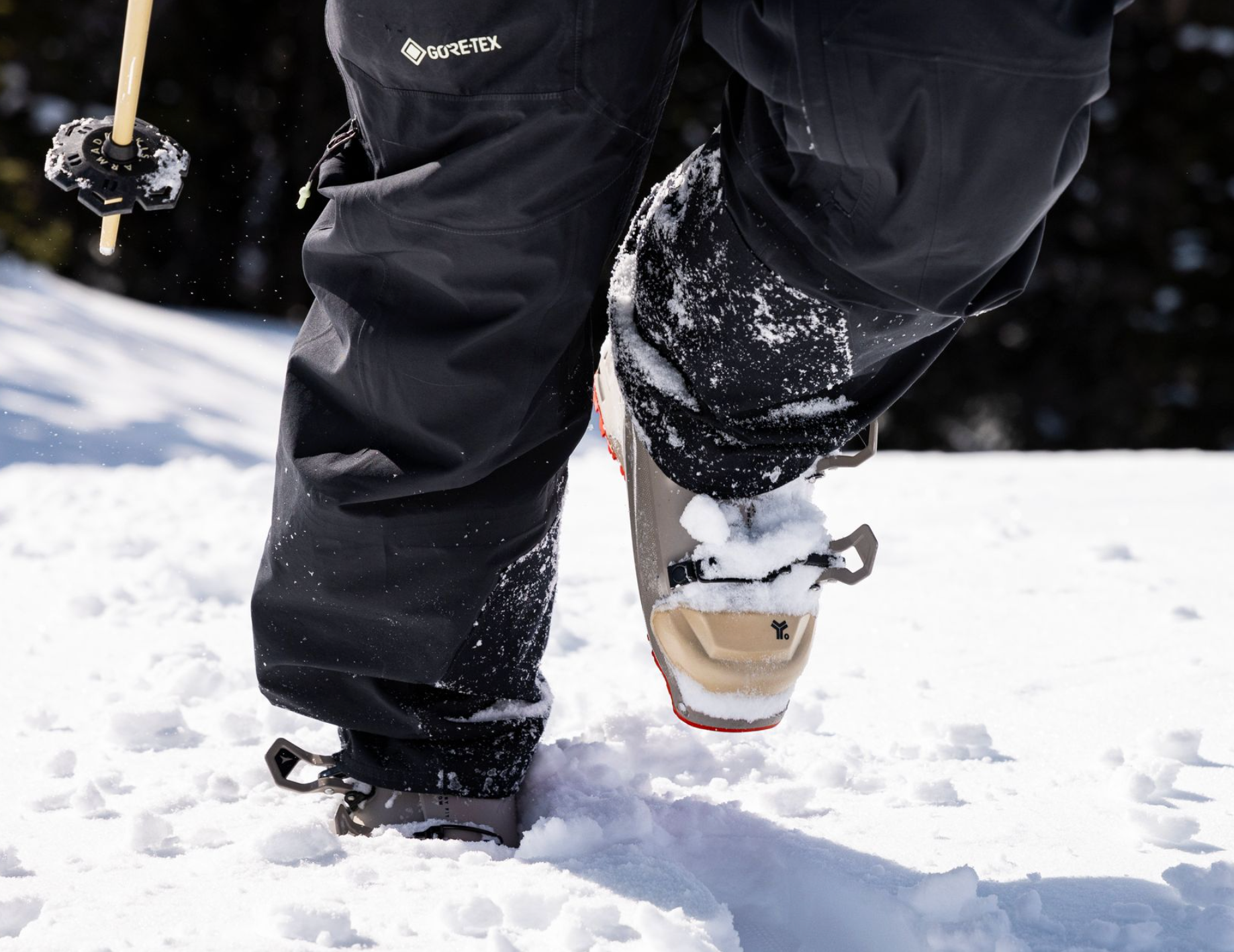
With his initial prototype in hand, Thorpe embarked on a meticulous testing phase, starting with a self-experiment at Snowbird, a resort renowned for its challenging terrain and often frigid conditions. For four hours, he skied with the prototype Bootcap affixed only to his left boot, deliberately leaving his right foot uncovered, to discern any perceptible difference. The results were compelling. During tram rides, he noted that his right foot was "frozen," while his left foot, protected by the foam, felt "fine." Initially, he wrestled with the possibility of a placebo effect, a common pitfall in self-assessment. He continued skiing, meticulously re-evaluating his comfort levels. The journey home provided further, undeniable evidence: his right foot ached from the cold, while his left foot remained comfortably "toasty." "At that point, after a full day of testing," Thorpe recounted, "I knew I was onto something. I wasn’t lying to myself."
This initial success spurred him to seek collaboration. He brought in his long-time friend, Nate Ries, a professional with a strong background in design, with whom he had often discussed entrepreneurial ventures. Ries immediately recognized the potential of Thorpe’s invention. Together, they made the significant decision to invest $25,000 each, formally establishing their company. The development process that followed was characterized by obsessive attention to detail and exhaustive testing. Thorpe frequently returned to Snowbird, refining his methodology. In one particularly ingenious experiment, he rigged his ski boots with digital thermometers positioned between the plastic shell and the liner, carefully taping a temperature readout device to his thigh. This setup was designed to objectively measure the insulating effect, minimizing any interference from his body’s internal heat. After another four hours of skiing, the data provided irrefutable proof: the boot equipped with the Bootcap registered a remarkable 20 degrees Fahrenheit warmer than the unprotected boot. This scientific validation definitively confirmed that Thorpe’s observations were not subjective, but grounded in measurable thermal performance.
From Obsession to Precision: Material, Design, and Adhesive
Thorpe and Ries were now "all in," dedicating themselves to perfecting every aspect of the Bootcap. Their rigorous development process focused on three key elements: material, shape, and adhesive. The choice of material was relatively straightforward: high-end, closed-cell foam, renowned for its superior insulation and heat retention properties, was the obvious and only choice for effectively combating the cold.
The challenge of shape was more complex. Fortunately, the ski industry adheres to universal standards for adult ski boot toe pieces, ensuring compatibility with all bindings. This critical standardization allowed Thorpe to develop a "one-shape-fits-all" cap design, simplifying production and application. Initial considerations for an adhesive included Velcro, but this was quickly dismissed due to its inherent flaw: it would create small air gaps between the cap and the boot, compromising insulation. The team ultimately settled on a robust, long-lasting adhesive capable of forming a tight, impenetrable seal, preventing cold air intrusion and maximizing thermal efficiency. This meticulous attention to seemingly minor details underscored their commitment to delivering a truly effective product.
Gaining Traction: Endorsements and Market Launch
As word of the Bootcaps spread within the tightly-knit ski community of the Salt Lake City area, the product began to gain significant traction. Friends and a growing roster of professional skiers, many of whom Thorpe and Ries knew personally or encountered at local resorts, quickly recognized the profound benefits. Esteemed athletes such as Dash Longe, Jonny Moseley (an Olympic gold medalist), Ted Ligety (a multiple World Cup and Olympic champion), and Todd Ligare all experienced the tangible warmth and comfort provided by the caps. Their requests for samples and subsequent endorsements provided crucial validation and organic marketing for the nascent company.
After six years of intensive development, from Thorpe’s initial prototype in 2017 to rounds of testing and refinement, Bootcap officially launched during the 2023/24 winter season. The product became available for purchase online and through a select network of retail stores. Thorpe emphasized the lengthy development cycle, stating, "Nate and I are obsessive, so it took a long time, but we didn’t want to put a bad product on the market." This commitment to quality over speed ensured that when Bootcap finally debuted, it was a thoroughly vetted and highly effective solution.
Evolution and Expansion: The Future of Bootcap
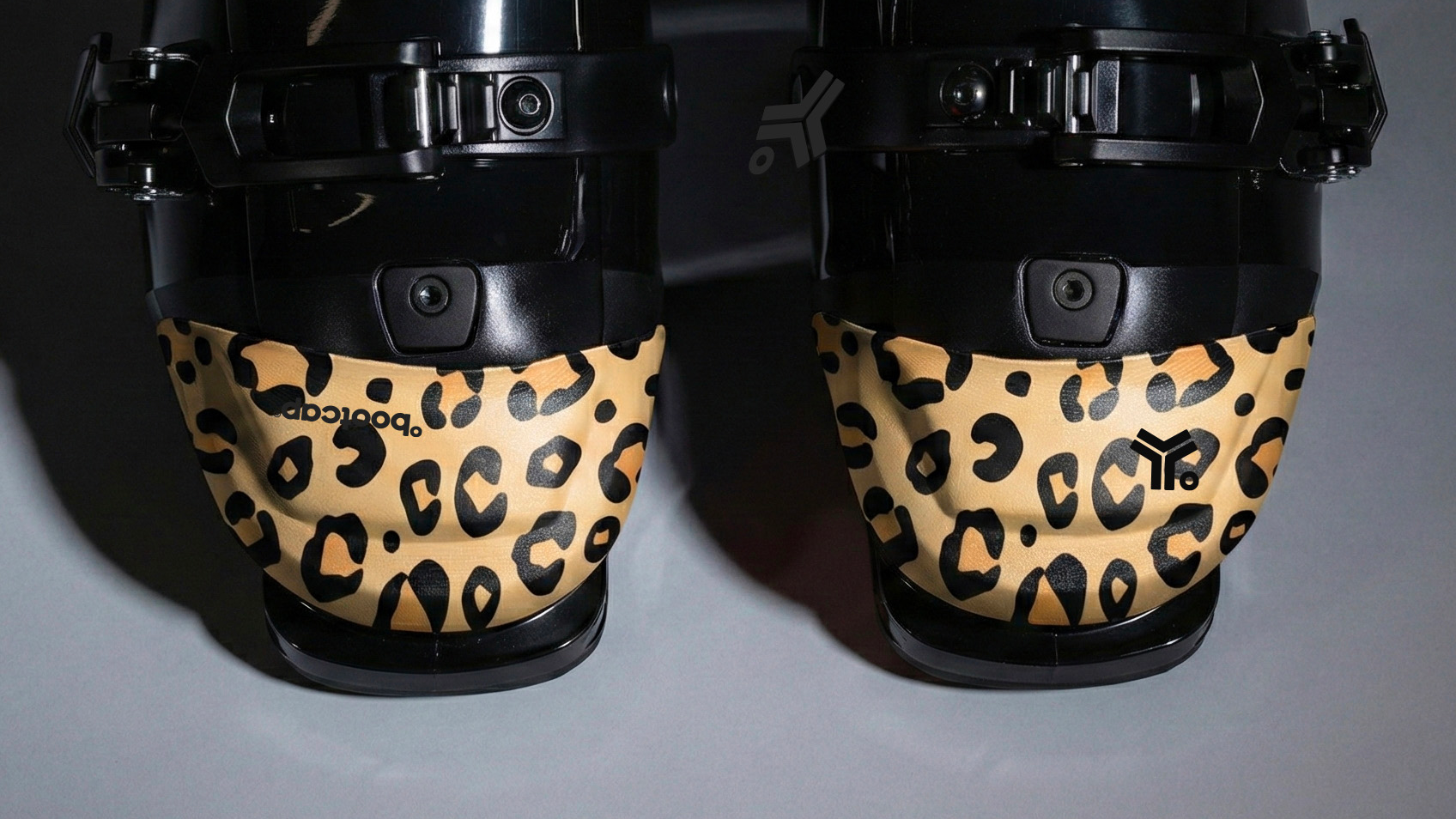
The journey of Bootcap is one of continuous improvement. The product currently boasts its third design iteration, a testament to the founders’ relentless pursuit of perfection. Nate Ries returned to the drawing board, creating a new clay mold that resulted in an enhanced Bootcap, launched in December of the previous year. These "small but important tweaks," as Thorpe described them, have led to a superior fit and an even simpler application process, a fact I observed firsthand during my own installation.
The application process itself is designed for ease and precision. Users simply peel off a paper covering to expose the adhesive and snugly position the caps onto the boot’s toe. While the adhesive performs effectively at room temperature, its bond is further strengthened when gently heated with a hairdryer. A specialized, easy-to-use jig ensures correct positioning, guaranteeing that the caps never interfere with the binding mechanism, a critical safety and performance consideration.
Despite the growing demands of Bootcap, Mike Thorpe remains dedicated to his roots, continuing to work as a bootfitter approximately 10 hours a week. This ensures he stays connected to the core needs of skiers and maintains his invaluable hands-on expertise. The remainder of his time is devoted to strategically growing the company. Exciting developments are on the horizon, including the launch of Bootcaps specifically designed for children’s ski boots next year, addressing a significant market segment where cold feet are a common deterrent to enjoyment. Furthermore, Bootcap is actively expanding its partnerships, having already collaborated on a special edition Bootcap with the acclaimed ski film company TGR (Teton Gravity Research). Several other companies have approached them for similar collaborations, indicating strong industry interest. The overarching goal, as articulated by Thorpe, is to expand the brand while remaining steadfast to the original mission: providing a simple, effective product that fundamentally enhances the skiing experience, making it more comfortable and enjoyable for everyone. "The whole reason Nate and I got into the ski industry was because we love product development and we love style," Thorpe affirmed. "We want Bootcaps to be useful, but we also want people to love the brand and feel great about wearing our product on their gear."
The Verdict: Gimmick or Essential Equipment?
After two weeks of rigorous testing, I acknowledge the potential for a "placebo effect" to influence my perception of warmth. However, even accounting for such a psychological component, the tangible difference provided by Bootcaps is undeniable. My personal experience, corroborated by Thorpe’s scientific testing, strongly suggests that these caps create a significant and perceived increase in warmth. The modest investment of $60 for a pair of Bootcaps might seem considerable for what is essentially a piece of foam. Yet, my testing has unequivocally convinced me that it is a small price to pay for the consistent and dependable comfort of warm toes, especially on the most frigid days. I will continue to wear mine without hesitation and eagerly anticipate acquiring the youth version for my children when it launches next year.
Broader Implications for Ski Gear Innovation
The success of Bootcap offers compelling insights into the future of ski gear innovation. In an industry often characterized by complex, high-tech solutions and escalating prices, Bootcap stands out as a testament to the power of simple, elegant design. It addresses a pervasive, fundamental problem with an accessible, passive, and highly effective solution. This approach could inspire other manufacturers to re-evaluate existing pain points and seek straightforward, yet impactful, improvements to current equipment.
The product’s ability to seamlessly integrate with existing gear, without requiring batteries or complex installation, makes it a highly attractive accessory. Its success underscores a growing demand for gear that enhances comfort and extends the time users can spend enjoying their sport, rather than merely focusing on marginal performance gains. As the ski industry continues to evolve, innovations like Bootcap highlight the importance of listening to the end-user, leveraging expert knowledge from fields like bootfitting, and prioritizing practical, comfort-driven solutions that genuinely improve the overall skiing experience for a broad spectrum of enthusiasts, from casual resort skiers to dedicated professionals. The future of ski comfort may very well lie in these ingenious, often overlooked, details.

