
Published March 4, 2026, 09:04 AM
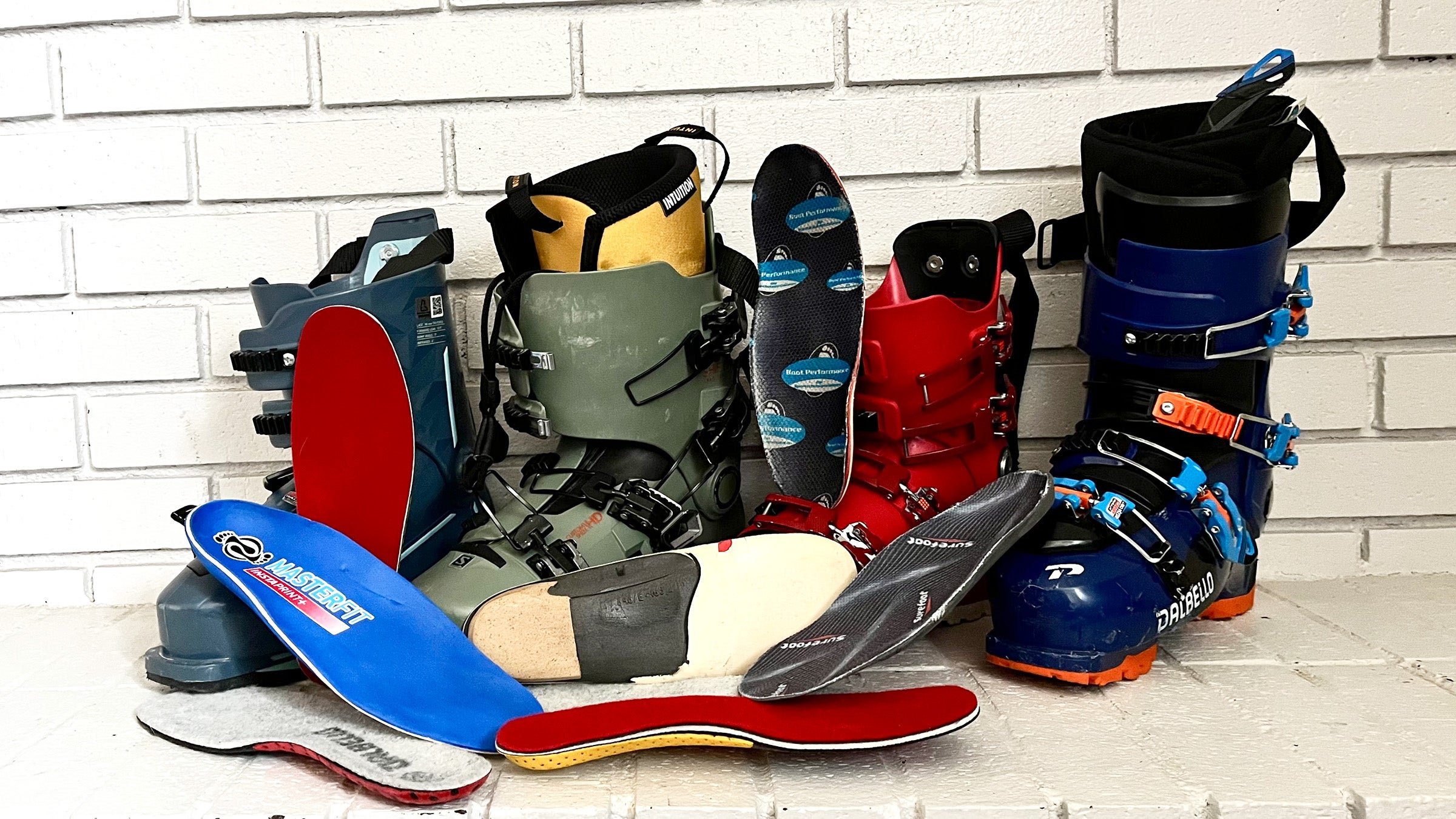
The process of crafting custom footbeds for ski boots is a meticulous ritual in specialized fitting shops worldwide. It typically involves heating a pliable heel cup, precisely positioning it onto an insole, and then sealing a vacuum bag around a customer’s foot, held firmly in an athletic stance, to mold the material. This technique, aimed at stabilizing the heel and optimizing biomechanical alignment, has been a cornerstone of advanced bootfitting for decades, with countless pairs produced annually for skiers seeking enhanced comfort and performance. However, despite the prevalent emphasis on bespoke solutions, a growing discussion within the ski industry suggests that for many recreational skiers, well-designed, off-the-shelf footbeds costing significantly less may offer comparable or even superior benefits, without the inherent risks associated with poorly executed custom molds.
The Foundational Role of Footbeds in Skiing Biomechanics
At its core, the primary objective of any ski footbed is to provide robust stabilization for the skier’s heel. The heel, often overlooked in favor of arch support, serves as the critical starting point for the entire kinetic chain of movement throughout the body. Any instability or excessive movement at the heel can propagate upward, affecting ankle, knee, and hip alignment, ultimately compromising control and efficiency on the slopes. When the heel is adequately supported and stable, the foot maintains a more predictable position within the ski boot, facilitating cleaner edge-to-edge transitions and reducing extraneous movements that can lead to discomfort or injury.
Common issues arise when skiers rely solely on stock footbeds—typically thin, unsupportive pieces of foam provided with new boots. These rudimentary inserts offer minimal structure, often leading to natural pronation, where the heel rolls inward. This inward roll can cause the foot to press against the rigid plastic shell of the boot, resulting in painful pressure points along the inside of the ankle, shin bang, or general foot fatigue. By counteracting this pronation, a properly designed footbed helps maintain a neutral, centered foot position, which is crucial for precise control and efficient power transfer to the ski edges. While elite World Cup racers might, in specific scenarios, require a degree of controlled pronation to achieve ultra-fast edge engagement at extreme angles, this highly specialized requirement differs significantly from the needs of the vast majority of recreational skiers who prioritize comfort, stability, and consistent performance across varied terrain.
The Evolution of Ski Boot Fitting and Customization
The pursuit of the perfect ski boot fit has been a continuous journey since skiing transitioned from a utilitarian mode of transport to a recreational and competitive sport. Early ski boots were often simple leather affairs, offering minimal support, leading to innovative attempts at customization even in their nascent stages. As ski technology advanced in the mid-20th century, with the introduction of plastic shells and buckle systems, the need for precise foot-to-boot interface became paramount. The concept of the "bootfitter" emerged as a specialized profession, addressing the complex biomechanical interaction between the foot, boot, and ski.
The 1970s and 80s saw significant advancements, including the widespread adoption of custom foam-injected liners and, crucially, the development of custom footbeds. These bespoke solutions promised to address individual foot anatomies, rectifying issues like pronation, supination, and pressure points that standard boots could not. The methodology involved creating a mold of the skier’s foot, often using heat-moldable materials, to craft an insert that perfectly contoured the unique shape of the foot’s plantar surface, particularly focusing on the heel and arch. This era solidified the perception that custom footbeds were the ultimate solution for any boot-related discomfort or performance limitation.
The Double-Edged Sword of Custom Footbeds: Precision vs. Peril
Despite the theoretical advantages, the practical application of custom footbed creation is fraught with potential pitfalls. The process demands exceptional skill, precision, and an in-depth understanding of foot biomechanics from the bootfitter. Even slight errors in the molding process can negate the intended benefits and, in some cases, exacerbate existing problems or introduce new ones.
A common method for creating custom footbeds involves "weighted" molding, where the skier stands on a hot, malleable piece of plastic or dense foam, allowing their body weight to impress the foot’s shape onto the material. While seemingly intuitive, this method carries a significant risk: if the foot naturally pronates or is not properly supported in a neutral position during molding, the footbed will simply replicate and reinforce that problematic pronated stance. This can lead to a "pronated footbed" that actively pushes the foot further into an undesirable position, causing increased pressure on the ankle bones and creating a sensation of instability rather than support.
An alternative, often preferred by experienced bootfitters for its greater control, is the "unweighted" or "semi-weighted" method. In this technique, the skier sits with their feet dangling, or with minimal weight, while the bootfitter manually manipulates the foot into an optimal athletic position. A vacuum bag then suctions a heated, malleable footbed material onto the bottom of the foot, capturing the desired neutral alignment. Even with this more controlled approach, human error remains a factor. An incorrect manipulation, such as pinching the outside of the heel too aggressively, can create an uneven heel cup where the outer wall is higher than the inner, leading to localized pressure points and discomfort.
Industry observations suggest that a significant percentage of custom footbeds brought into shops for assessment or modification are found to be poorly made or actively detrimental to the skier’s comfort and performance. This underscores a critical issue: while well-executed custom footbeds can indeed be transformative, poorly manufactured ones often result in wasted financial investment (custom footbeds typically range from $150 to $300 or more) and persistent, even worsened, boot-related issues. The frustrating reality for consumers is that a flawed custom footbed is often irreparable, necessitating a complete replacement and further expenditure.
The Paradigm Shift: The Efficacy of Drop-In Footbeds
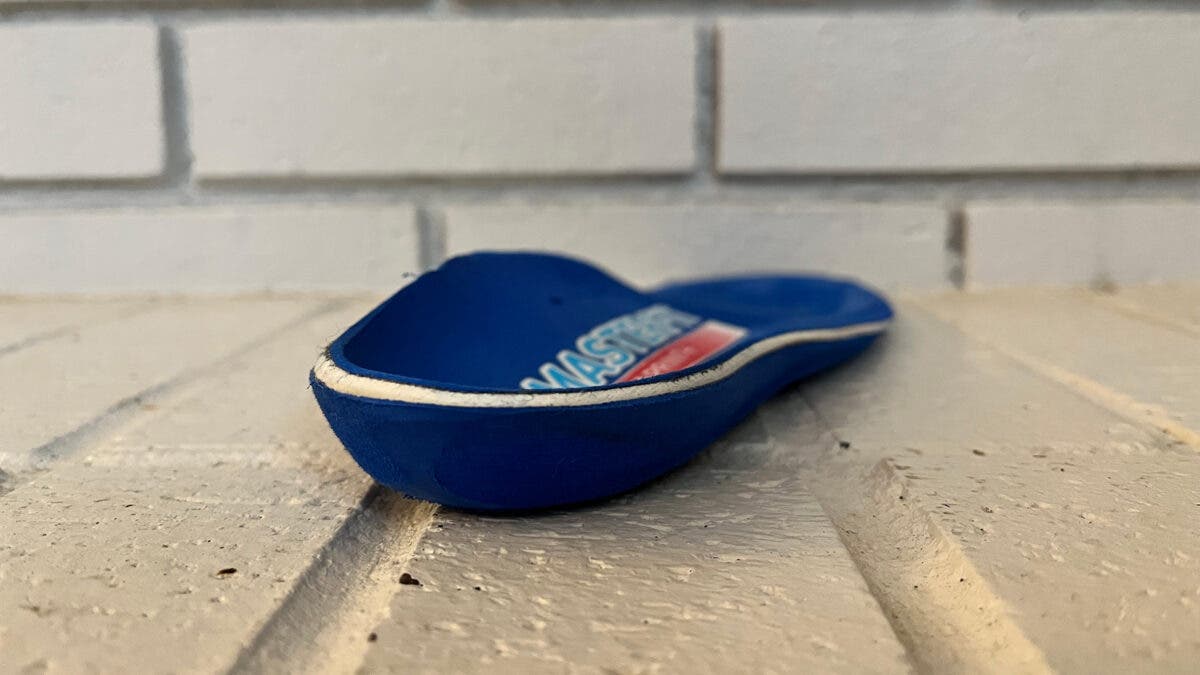
Against this backdrop of potential complications with custom solutions, the efficacy and widespread adoption of high-quality, off-the-rack, or "drop-in" footbeds represent a significant paradigm shift in ski boot fitting. This concept was pioneered decades ago by figures such as Sven Coomer, a legendary ski boot designer responsible for innovations like Zipfit liners, the Nordica Grand Prix, and the Raichle Flexon. Coomer recognized the inherent challenges and inconsistencies of custom molding for the general skiing public. His solution was revolutionary in its simplicity: design a universally supportive heel cup that effectively counters pronation, then offer it in a range of pre-molded arch shapes and thicknesses to accommodate the average foot.
This ingenious concept led to the creation of brands like Superfeet, which has since become a market leader in athletic insoles, and later inspired similar designs such as DownUnders. More recently, even Zipfit, following Coomer’s passing, has begun offering its own version of these standardized, high-performance footbeds. These products are not molded to an individual’s unique foot; rather, they are engineered based on extensive biomechanical research to support an "average" heel shape with an optimized amount of arch support and pronation control.
The fitting process for drop-in footbeds is straightforward and significantly less prone to error. A bootfitter matches the appropriate heel cup size to the skier’s Mondo boot size, trims the toe edges to fit precisely within the boot liner, and often bevels them for seamless integration. The consensus among countless skiers who have transitioned to these drop-in solutions is overwhelmingly positive, citing substantial improvements in comfort, stability, and overall skiing experience.
Advantages and Implications of Off-the-Rack Solutions
The benefits of high-quality drop-in footbeds are multifaceted and compelling:
- Cost-Effectiveness: Ranging typically from $40 to $60, drop-in footbeds are a fraction of the cost of custom alternatives. This affordability makes them accessible to a wider range of skiers and allows for easy replacement when they wear out, typically after a season or two of regular use.
- Consistency and Reliability: Unlike custom footbeds, which can vary wildly in quality depending on the bootfitter’s skill, drop-in options offer consistent, factory-engineered support. This eliminates the "bootfitter lottery" and ensures a predictable level of performance.
- Immediate Availability: Skiers can often purchase and immediately integrate drop-in footbeds into their boots, without the waiting period or multiple fitting sessions sometimes required for custom options.
- Reduced Risk of Error: As they are not molded directly to the foot by a technician, the chances of introducing biomechanical misalignment through human error are virtually eliminated.
- Suitability for Most Skiers: For the vast majority of recreational skiers, whose needs revolve around general comfort, stability, and enhanced control, the biomechanically sound design of drop-in footbeds provides more than adequate support. While highly complex foot issues might still warrant a custom approach from a truly expert fitter, these cases represent a minority.
The economic implications are also noteworthy. For consumers, the lower cost represents a significant saving, allowing funds to be allocated to other essential gear or experiences. For retailers and bootfitting shops, offering high-quality drop-in footbeds alongside custom options provides a more comprehensive and ethical service, catering to diverse customer needs and budgets. It also shifts the focus from simply selling the most expensive solution to genuinely addressing the skier’s specific requirements.
Expert Perspectives and Future Outlook
While the debate between custom and off-the-rack solutions continues, many seasoned bootfitters and biomechanical experts are increasingly advocating for a pragmatic approach. They emphasize that the goal is not merely to sell a product, but to achieve optimal foot stability and comfort. For many, this goal can be achieved effectively and affordably with a well-chosen drop-in footbed.
The industry is observing a trend towards greater acceptance of these standardized solutions, not as a compromise, but as a legitimate and often superior choice for a broad demographic of skiers. The narrative is shifting from "custom is always best" to "the right footbed is best," acknowledging that "right" doesn’t necessarily mean "most expensive" or "most customized."
In conclusion, as the ski season approaches, skiers grappling with boot discomfort or seeking performance enhancements are encouraged to critically evaluate their options. While the allure of a bespoke solution can be strong, the robust engineering, consistent quality, and significant cost advantages of high-quality drop-in footbeds like Superfeet Winter Thin Support offer a compelling alternative. Often found on a modest display rack in a corner of a ski shop, these unsung heroes of boot fitting may very well hold the key to unlocking a more comfortable, controlled, and enjoyable skiing experience, without necessitating the substantial financial outlay or the inherent risks associated with potentially flawed custom creations. The future of ski boot fitting increasingly points towards intelligent, accessible solutions that prioritize genuine biomechanical support over mere customization.

