
Rusty Rustigian has returned to the Northwest Avalanche Center (NWAC), bringing a wealth of experience and a forward-thinking vision to the organization’s technological development. His reintegration marks a significant step for NWAC as it navigates the complexities of modernizing its operational and outreach strategies, particularly in the realm of digital platforms and collaborative data sharing. Rustigian, who initially began his tenure with NWAC as a volunteer in 2010, has come full circle, now leading key initiatives that aim to revolutionize how avalanche information is disseminated and utilized across the country.
A Journey Back to NWAC: From Volunteer to Product Manager
Rustigian’s initial involvement with NWAC began during a period of economic downturn in 2010. Upon relocating to Seattle, he found himself seeking opportunities and discovered NWAC, then a small organization with only two staff members. His volunteer efforts proved invaluable, leading to the creation of a dedicated position for him within the center. After five years, Rustigian transitioned to Bozeman, Montana, where he gained diverse experience in both the nonprofit and technology sectors. His return to NWAC was catalyzed by his involvement in a critical website initiative, demonstrating a sustained connection and commitment to the organization’s mission.
"I couldn’t get a job in 2010 when I moved to Seattle so I started volunteering for NWAC," Rustigian recalled. "There were only 2 nonprofit staff at the time and they eventually created a position for me. After 5 years I moved to Bozeman, MT and did a number of jobs in both nonprofit and tech. 9 years later, I was helping NWAC solve for a new website initiative which led to my return."
This cyclical return underscores a deep understanding of NWAC’s foundational challenges and its evolving needs. His background in both grassroots volunteerism and sophisticated tech development positions him uniquely to bridge the gap between operational realities and digital innovation.
Redefining Avalanche Forecasting: The Collaborative Website Initiative
In his current role as Product Manager, Rustigian is at the forefront of two major technological endeavors: the management of NWAC’s mobile application, Avy, and the development of a new, collaborative website platform for avalanche centers nationwide. This ambitious project aims to create a unified digital infrastructure, a concept Rustigian likens to building a "condo complex for avalanche centers" rather than each center maintaining its own independent "single-family home."
The underlying principle of this initiative is to foster greater collaboration and efficiency among the various regional avalanche centers. Historically, these centers have operated with a degree of autonomy, leading to potential redundancies in data management, forecasting methodologies, and public-facing platforms. The new collaborative website seeks to centralize and standardize these efforts, allowing for a more cohesive and robust national avalanche safety network.
"Basically we’re building a condo complex for avalanche centers rather than building and maintaining our own single-family homes," Rustigian explained. "I spend a lot of time coordinating stakeholders and the design/build team. There are a lot of decisions to make around which features to prioritize within our small organization budget."

The development process involves intricate coordination among numerous stakeholders, including NWAC staff, representatives from other avalanche centers, and the design and development teams. Budgetary constraints inherent to non-profit organizations add another layer of complexity, necessitating careful prioritization of features and functionalities. The success of this project hinges on effective communication, strategic decision-making, and a shared commitment to advancing avalanche safety through technology.
A Legacy of Rebranding and Community Building
Rustigian also expressed pride in his past contributions to NWAC, particularly the organization’s rebrand in the early 2010s. This rebranding effort, followed by extensive outreach initiatives, is credited with transforming NWAC into a more accessible and engaging organization.
"Rusty x NWAC 1.0: I was really proud of the rebrand we did back in like 2011(?!). The rebrand was followed by a ton of outreach and it felt like we were able to turn NWAC into an organization that people wanted to be a part of," he stated.
This historical success highlights Rustigian’s ability to not only implement technical solutions but also to foster a sense of community and belonging around NWAC’s mission. The rebrand likely involved a comprehensive review of NWAC’s visual identity, messaging, and public engagement strategies, aiming to create a more modern and relatable image for backcountry enthusiasts. This strategic approach to organizational development is a valuable asset as NWAC embarks on its current technological overhaul.
Favorite Zones and Enduring Wisdom for Backcountry Users
When asked about his preferred locations within NWAC’s forecast zones, Rustigian pointed to the Snoqualmie Pass area, citing its "hidden gems." This suggests a deep familiarity with the region’s diverse terrain and a keen eye for less-traveled, potentially rewarding backcountry experiences.
However, his advice to backcountry users transcends personal preferences, focusing instead on critical safety principles. He recalled a piece of wisdom shared by Scott Schell over a decade ago: "Persistent Weak Layers are truly so unpredictable and as uncertainty increases, your terrain choice should become equally conservative." This advice emphasizes the paramount importance of humility and cautious decision-making in avalanche-prone terrain.
"That framing really helped me refrain from trying to outsmart the problem," Rustigian admitted. This sentiment reflects a mature understanding of avalanche risk, acknowledging the inherent unpredictability of snowpack conditions and the necessity of prioritizing safety over aggressive terrain selection when uncertainty is high. The acknowledgment of "persistent weak layers" points to a specific, well-understood avalanche hazard that requires careful observation and conservative judgment.
The Future of Avalanche Safety: A Tech-Driven Vision
Rustigian is particularly enthusiastic about the integration of technology into avalanche safety. He believes that advancements in digital platforms offer significant opportunities to not only enhance forecasting products but also to streamline the dissemination of information that is currently redundant across various avalanche centers.
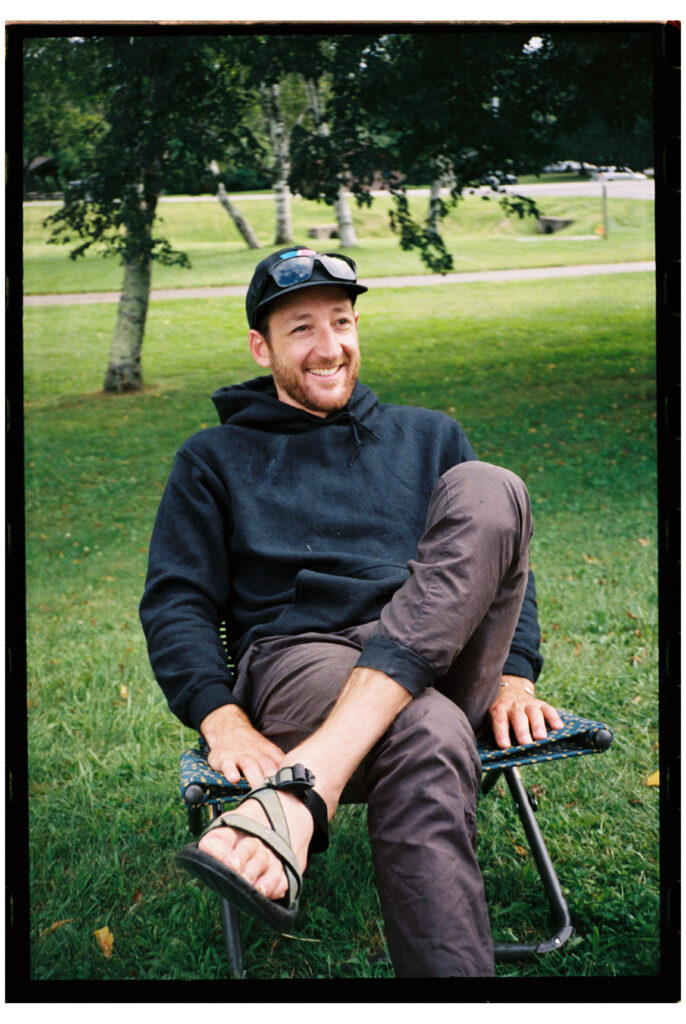
"Obviously all the tech stuff we’re working on. There’s so much opportunity to streamline not just our forecasting products but all the other content that is redundant center to center," he remarked. "I think it’s the vision and collaboration that particularly lights me up, but the resulting products have so much potential for both the users and the staff behind the scenes."
The vision for this technological integration extends beyond mere efficiency gains. It aims to create a more user-friendly experience for backcountry enthusiasts, providing them with more accessible, comprehensive, and up-to-date information. Simultaneously, these advancements are expected to alleviate the administrative burden on NWAC staff and other avalanche centers, allowing them to focus more on forecasting, education, and field operations. The emphasis on "vision and collaboration" suggests a strategic, long-term outlook that prioritizes collective progress in avalanche safety.
Memorable Snow Experiences: Community and Shared Moments
Reflecting on his most memorable days on snow from the past season, Rustigian highlighted the importance of community and shared experiences. He described a period in February when he hosted several visitors, guiding them through his favorite locations in world-class conditions.
"Nowadays it’s just as much about the people, place, and community as it is about sliding on snow," he observed. "I had a string of visitors in February, and I got to show them some of my favorite spots in some world-class conditions. Sharing that with them and them experiencing why I live where I do felt pretty special."
This perspective underscores a holistic approach to backcountry pursuits, where the social and environmental aspects are as integral as the physical act of skiing or riding. It speaks to the deeper connections forged through shared adventures and the profound satisfaction derived from introducing others to the beauty and allure of the mountain environment. The mention of "world-class conditions" implies an awareness of optimal weather and snowpack situations, further demonstrating his expertise and appreciation for the natural world.
Broader Implications and the Future of Avalanche Centers
Rustigian’s return and his leadership in technological development signal a significant evolutionary phase for NWAC and, by extension, for avalanche safety organizations across the nation. The collaborative website initiative represents a paradigm shift, moving away from siloed operations towards a more integrated and data-driven national network. This could lead to several key advancements:
- Enhanced Data Accuracy and Accessibility: A centralized platform can facilitate the collection, standardization, and analysis of avalanche data from a wider range of sources, potentially leading to more accurate and timely forecasts. This could also make historical data more accessible for research and trend analysis.
- Improved User Experience: A unified interface for accessing avalanche information across different regions would simplify planning for backcountry travelers who frequent multiple areas. This could include integrated mapping tools, customizable alerts, and a more intuitive presentation of complex data.
- Increased Operational Efficiency: By reducing redundancies in software development and data management, avalanche centers can reallocate resources towards core forecasting and public outreach activities. This could lead to more robust educational programs and a greater capacity for field observations.
- Standardization of Best Practices: The collaborative development process can encourage the adoption of standardized forecasting methodologies, data collection protocols, and safety advisories, leading to a more consistent level of safety across different regions.
- Leveraging Emerging Technologies: The focus on "tech stuff" suggests an openness to incorporating emerging technologies such as AI for predictive modeling, advanced sensor networks for real-time snowpack monitoring, and augmented reality for on-the-ground hazard assessment.
The success of this initiative could serve as a blueprint for other national weather and hazard forecasting agencies, demonstrating the power of collaborative technology development in addressing complex environmental challenges. As Rustigian navigates these projects, his ability to balance technical innovation with the core mission of saving lives in the backcountry will be crucial. His journey from a volunteer to a key architect of NWAC’s digital future is a testament to his dedication and his vision for a safer, more informed backcountry community. The commitment to building a unified platform for avalanche centers is not merely a technological upgrade; it is a strategic imperative for enhancing the resilience and effectiveness of avalanche safety efforts in the face of a changing climate and increasing backcountry use.

