
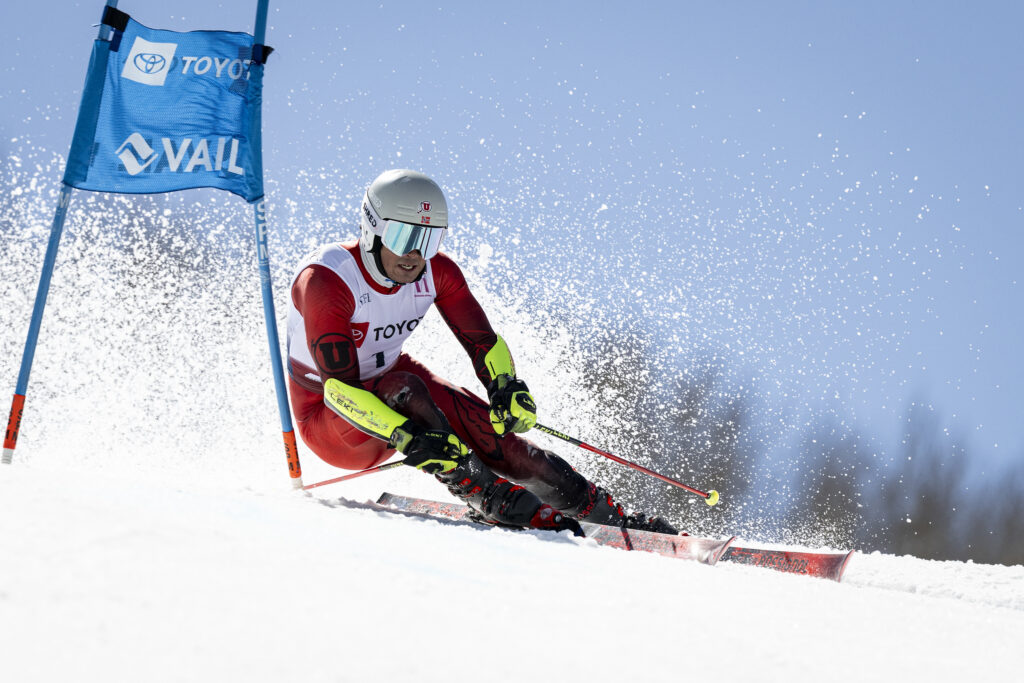
The men’s Giant Slalom at the U.S. Alpine Nationals presented by Stifel concluded in Vail, Colorado, with Norway’s Johs Braathen Herland, representing the University of Utah, delivering a commanding performance to secure the coveted title. The event, held on a notoriously demanding two-run course, served as a vibrant showcase for the diverse talent pipeline in alpine skiing, drawing together accomplished NCAA champions, seasoned World Cup veterans, and promising rising stars from both the U.S. and abroad. The challenging conditions and competitive field underscored the growing strength and depth of North American alpine skiing, highlighting the efficacy of various development pathways from collegiate programs to the elite international circuit.
Vail: The Prestigious Stage for National Glory
The U.S. Alpine Nationals, presented by Stifel, stands as a cornerstone event in the American ski racing calendar, serving as the official national championship for alpine disciplines. Beyond determining national titles, it provides a crucial platform for athletes to test their mettle against a high-caliber field, often featuring international competitors who enhance the competitive intensity. This year, the choice of Vail, Colorado, as the host venue added an extra layer of prestige and challenge. Vail boasts a storied history in alpine racing, having hosted numerous World Cup events and two FIS Alpine World Ski Championships (1989 and 1999), making it a familiar and revered battleground for many top skiers. The course itself, known for its varied terrain, demanding pitch changes, and intricate gate sets, demands a masterful blend of technical precision, raw power, and strategic racecraft over two runs. The support from Stifel, a prominent financial services firm, as the presenting sponsor further solidifies the event’s stature and commitment to fostering excellence in U.S. Ski & Snowboard programs.
The unique composition of the field in Vail—a blend of athletes forging their careers through the NCAA collegiate system, those established on the World Cup circuit, and emerging talents—is a testament to the multifaceted nature of alpine ski development. It creates a dynamic environment where experience meets youthful ambition, providing invaluable learning opportunities and competitive benchmarks for all participants.
Braathen Herland’s Dominance: A Testament to Collegiate Success
Johs Braathen Herland’s victory was not merely a win but a statement of intent, signaling his readiness for the highest echelons of the sport. Competing for the University of Utah, Herland executed a near-flawless race strategy. He attacked the first run with aggressive precision, establishing a significant lead, and then demonstrated remarkable composure and adaptability in the second run as the course conditions tightened and became more challenging. His ability to manage rhythm, absorb pressure, and adapt to changing terrain throughout both runs was a key differentiator, setting him apart from a formidable field.
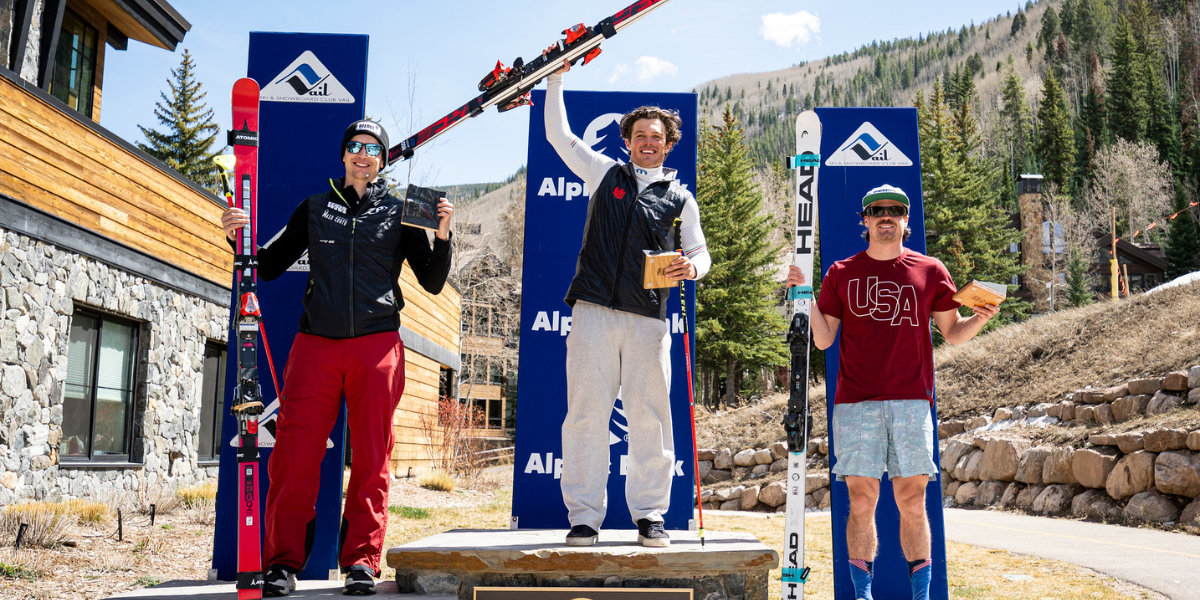
Herland’s impressive résumé provides crucial context for his triumph. He is a two-time NCAA Giant Slalom champion (claiming titles in 2025 and 2026, indicating the article’s future timeline or projected achievements within his career progression), showcasing his consistent dominance at the collegiate level. Furthermore, his success extends beyond NCAA competition, as evidenced by his 2026 NorAm overall and Giant Slalom championship titles. The Nor-Am Cup circuit is a vital stepping stone for North American and international athletes aspiring to the World Cup, providing critical FIS points and competitive experience. Herland’s achievements across these platforms underscore a robust developmental trajectory, fueled significantly by his collegiate experience.
Reflecting on his journey, Herland articulated the profound impact of collegiate skiing. "Racing in the U.S. is amazing," Braathen Herland remarked, "You wake up almost every day to weather like this and really good conditions—it’s on a different level." He further emphasized the pivotal role of his university: "I wouldn’t be here if it weren’t for Utah. It means a lot to me to be able to be here, race for Utah, and go to school as well." This sentiment highlights the dual-pathway model offered by NCAA skiing, allowing athletes to pursue both academic and athletic excellence, often enhancing their overall development and longevity in the sport. His win at the U.S. Nationals, claiming a national title, represents a significant milestone in a season already marked by substantial success.
Erik Read: The World Cup Veteran’s Enduring Consistency
Securing the second position, Canada’s Erik Read finished 1.58 seconds behind Herland, delivering a performance characterized by his trademark consistency and experience. A graduate of the University of Denver, where he earned multiple All-American honors, Read is widely regarded as one of North America’s most accomplished technical skiers of his generation. His deep familiarity with the Vail course, honed through years of collegiate and professional racing, undoubtedly played a role in his composed two-run execution.
Read’s career statistics speak volumes about his enduring presence on the global stage. He boasts an remarkable record of scoring World Cup giant slalom points in 11 consecutive seasons, a testament to his sustained high-level performance in a highly competitive discipline. He has also qualified for the prestigious World Cup Finals four times, participating in three (with one season impacted by unforeseen cancellations, likely referring to the COVID-19 disruption). Scoring World Cup points means consistently finishing among the top 30 athletes globally, a benchmark of elite performance.
His connection to the local community, stemming from his University of Denver days, also added a personal touch to his participation. "I have my DU connections, so I have quite a group of friends in the community here," Read explained. "I decided to stay for U.S. Nationals after the NorAm Finals and was super stoked to get on the podium." He acknowledged the demanding nature of the second run, where conditions deteriorated, becoming "peely"—a term skiers use to describe soft, inconsistent snow that breaks away easily, making it difficult to maintain edge grip and precision. Yet, his experience on the hill allowed him to navigate these challenges effectively.
Read, like Herland, championed the NCAA pathway, asserting, "Going to school really reset my World Cup career. I think NCAA skiing is a super valuable and valid pathway." This perspective from a veteran athlete underscores the enduring value of collegiate programs not just for development, but also for career longevity and holistic athlete well-being.
Bridger Gile: Home-Hill Heroics and a Special Farewell
For the U.S. contingent, World Cup veteran Bridger Gile delivered a strong performance on his home snow, claiming third place, just 1.67 seconds off the pace. Representing the Stifel U.S. Ski Team and Ski & Snowboard Club Vail, Gile’s intimate knowledge of the course, where he grew up skiing, provided a distinct advantage and a sense of profound confidence. Equipped with Head skis and Oakley eyewear, Gile leveraged his local expertise to navigate the demanding terrain.
"It’s awesome coming to U.S. Nationals here in Vail—basically my backyard," Gile shared. "I’ve done a lot of runs on this hill and it feels like home every time I come back." For Gile, the Nationals transcended mere competition; it was about representing his community and competing for a national title, offering a meaningful conclusion to his season. "To compete here for a national title is really the reason I come back," he stated, adding, "And it’s a fun way to end the season."
The event held an even deeper personal significance for Gile, as it marked a shared moment with his longtime friend, Jacob Dilling, who was retiring after the series. "He was my first friend in Vail," Gile recounted emotionally. "We grew up skiing together… to share his last race here is pretty special." This poignant interaction highlights the deep camaraderie and personal connections that often form within the tight-knit ski racing community, adding a human element to the competitive arena. Gile’s podium finish on home soil not only celebrated his own talent but also served as a tribute to enduring friendships and the vibrant local ski culture.
The Future Beckons: Sarchett and Schrady Signal a Strong U.S. Pipeline
Just outside the podium, the performances of Ryder Sarchett and Jack Schrady provided compelling evidence of the burgeoning talent within the U.S. alpine skiing pipeline, signaling a bright future for the national team.
Ryder Sarchett, finishing fourth at 1.89 seconds behind the winner, capped off what can only be described as a breakout season for the Stifel U.S. Ski Team athlete. Born in 2003, Sarchett’s trajectory has been rapid and impressive. He spent one season at the University of Colorado, earning All-American honors, another testament to the collegiate pathway’s effectiveness. His potential was first highlighted when he captured the FIS Junior World Championship title in Giant Slalom, a key indicator of future World Cup success. Having grown up attending the Sun Valley Community School, Sarchett has meticulously built his foundation. This season, he scored World Cup points in three Giant Slalom races, a significant achievement that firmly established him at the highest level. His career-best 10th place finish in Val d’Isère, France, against the world’s elite, was a particular highlight, demonstrating his capability to contend for top positions. His selection to the U.S. Olympic Team further cemented his status as a rapidly ascending star and a crucial part of the national team’s future.
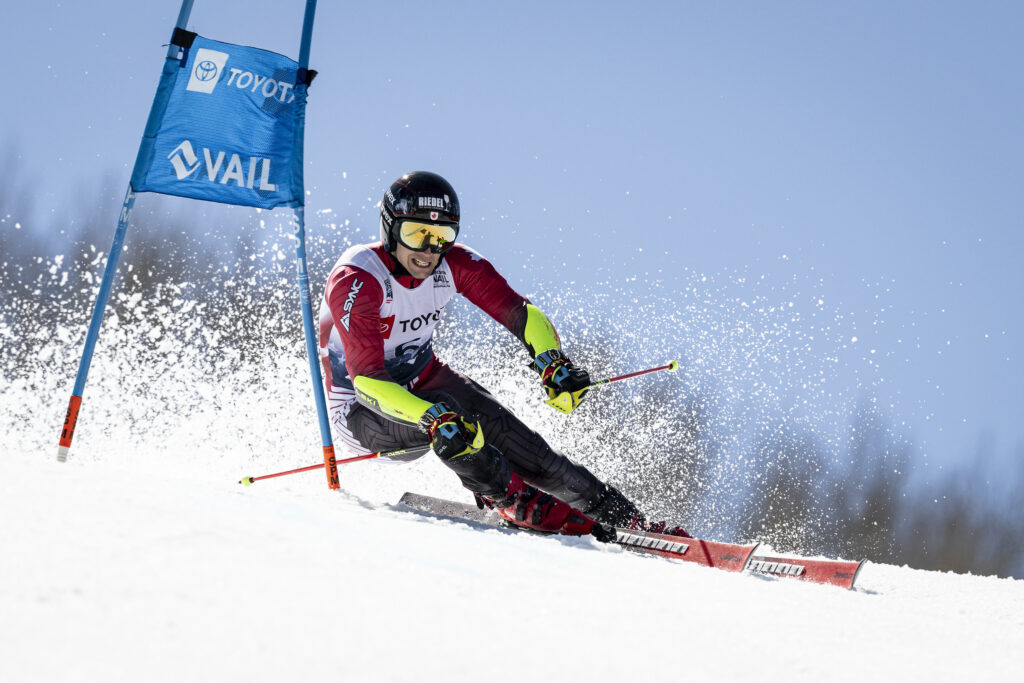
In fifth place, Jack Schrady (born 2006) delivered one of the most remarkable performances of the day, especially given his youth. Representing the Sugar Bowl Ski Team & Academy, Schrady has spent much of his season gaining invaluable experience racing in Europe, a critical step for aspiring international racers. His return to North America saw him primarily competing on the NorAm circuit, where he continued to hone his skills. His fifth-place finish at the U.S. Nationals marked a definitive breakthrough, proving he can compete shoulder-to-shoulder with established athletes, including World Cup veterans. This performance unequivocally signals his rapid progression within the U.S. development system, marking him as a talent to watch in the coming seasons. Schrady’s performance, alongside Sarchett’s, paints a compelling picture of a robust and effective youth development program.
Broader Implications: The Strength of the North American Alpine Pathway
The U.S. Alpine Nationals presented by Stifel served as a powerful affirmation of the strength and efficacy of the North American alpine ski development pathway. The diverse field in Vail, encompassing NCAA champions, World Cup veterans, and promising young athletes, showcased both the depth of talent and the continuous progression within the sport. This event vividly illustrated how various components—from the rigorous collegiate racing environment of the NCAA, to the foundational experience offered by the NorAm competition circuit, and ultimately to the pinnacle of the World Cup—collectively contribute to fostering elite ski racers.
The strong showing from athletes like Johs Braathen Herland, Erik Read, and Ryder Sarchett, all of whom have benefited significantly from NCAA programs, underscores the critical role that collegiate skiing plays in developing well-rounded athletes capable of competing at the highest levels. This pathway provides a sustainable model for athletic and academic growth, proving to be a highly "valuable and valid" alternative or complement to traditional national team development routes.
Moreover, the impressive performances of young talents like Jack Schrady demonstrate that the pipeline for future stars is vibrant and continuously producing athletes ready to step up. The dynamic in Vail, where "the established names still set the pace—but the next generation is closing fast," encapsulates the exciting competitive landscape of U.S. alpine skiing. This healthy blend of experience and emerging talent creates a positive environment for mentorship, peer competition, and collective advancement, promising a formidable U.S. Ski Team for future World Championships and Olympic Games. The U.S. Alpine Nationals thus concluded not just as a competition, but as a compelling narrative of progress, resilience, and the bright future awaiting American ski racing.

