
For three decades, Whitelines Snowboarding Magazine has navigated the shifting snowscapes of action sports media, a journey characterized by irreverence, ingenuity, and an unwavering dedication to the core spirit of snowboarding. Chris Moran, a former editor and cover star, succinctly encapsulated the publication’s ethos when he quipped, "Idiots try to put a mirror up to the burgeoning 1990s snowboard scene, but accidentally turn it on themselves instead. Blinded by the glare of their own stupidity, they head out on the kind of travel adventures where someone has to climb into a board bag that’s strapped to the roof rack because they’ve forgotten their passport." This statement, intended as a pitch for a hypothetical Whitelines biopic, inadvertently serves as a precise descriptor of the magazine’s often chaotic, always authentic trajectory from a humble fanzine to a significant global media entity.
The Genesis of Irreverence: From Fanzine to Phenomenon (1995-Early 2000s)
Whitelines emerged in 1995, a pivotal moment when snowboarding was rapidly evolving from a fringe activity into a mainstream phenomenon. The sport had recently gained significant traction, spurred by events like the inaugural Winter X Games in 1995 and its impending debut as an Olympic sport at the 1998 Nagano Games. This burgeoning popularity fueled a demand for dedicated media, leading to a proliferation of snowboard magazines vying for market share. Amidst this competitive landscape, Jim Peskett and Tudor "Chod" Thomas, both veterans of Snowboard World Magazine, recognized an opportunity to carve out a distinct niche. Their vision was not for a polished, corporate publication, but rather a "debaucherously British snowboarding fanzine" that mirrored the counter-cultural, rebellious energy of the sport itself.
The early days of Whitelines were defined by resourcefulness born of necessity. As Chris Moran recounted, the team operated with "no budget, no real understanding of how to make a magazine, and no idea of things like spelling, storytelling or basic decency." Far from being hindrances, these perceived limitations became the very foundation of Whitelines’ unique appeal. The editorial process itself was a testament to the era’s pre-digital constraints; articles were often dictated over pre-paid phone cards from remote locations to a company secretary, Milly, who would painstakingly type them out. This unconventional workflow inevitably led to charmingly amateurish quirks, such as "Tignes" appearing in print as "teens," which only amplified the magazine’s authentic, on-the-ground feel. This raw, unfiltered approach fostered an intimate connection with its readership, who themselves were deeply immersed in the scene. In an age before instant digital feedback, the relationship between magazine and reader was more direct, less mediated, and largely defined by shared experiences. Moran noted, "Pre-social media, we were all just screaming at the moon. Who knew what others thought of what we did? I mean, face-to-face feedback was always good, and as long as we annoyed our publisher Jim, we just thought things were going well!" This ethos of pleasing themselves and their core community, often at the expense of corporate norms or even basic journalistic conventions, cemented Whitelines’ reputation as an outsider.
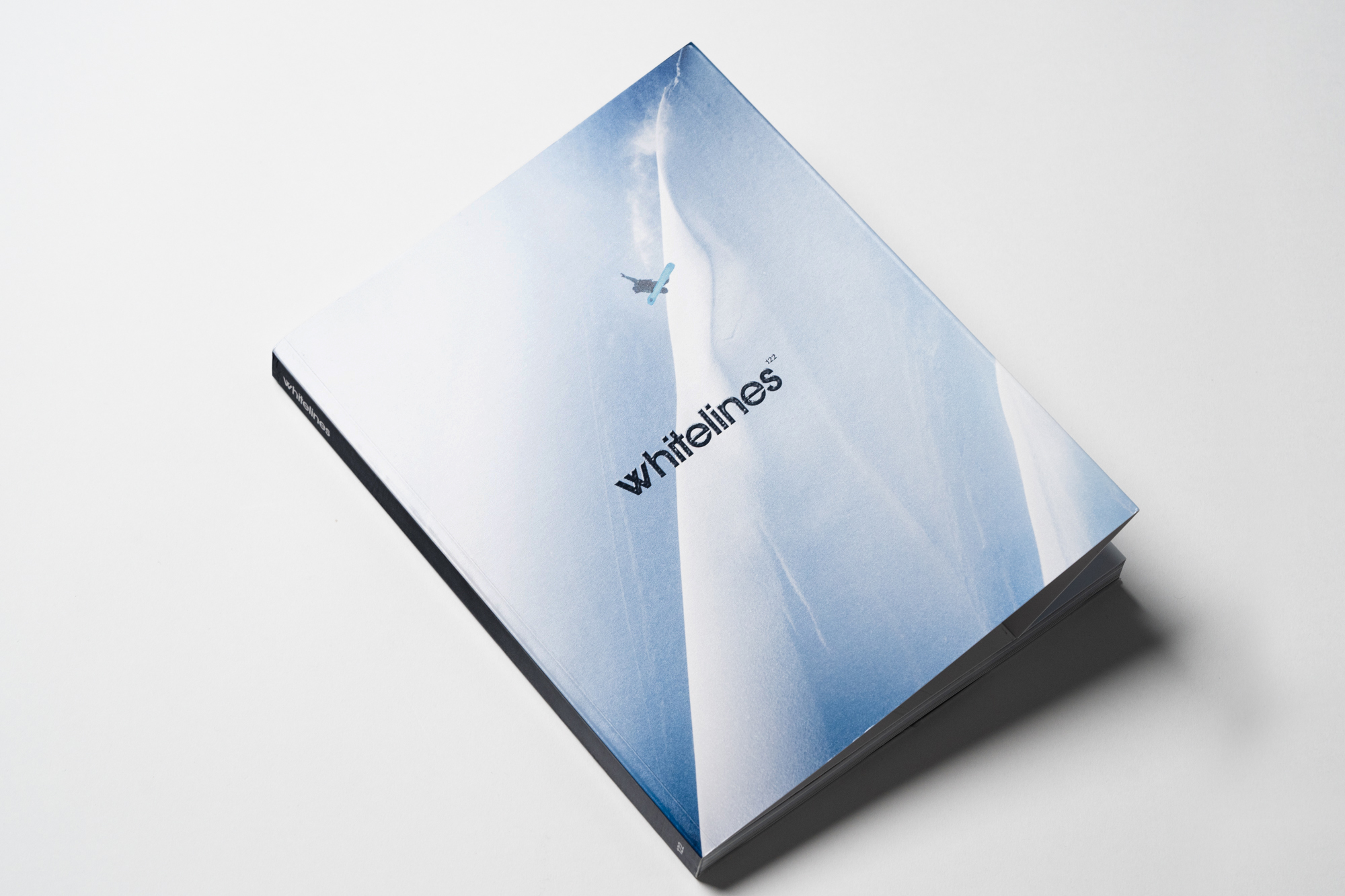
The magazine’s irreverent spirit was not confined to its editorial content. Its physical presentation often featured subversive spine titles, with issues masquerading as "Dwarf Throwing Monthly" or "Working With Endangered Animals Weekly." These playful, provocative titles, conceived by designer-in-chief Chod Thomas, were an immediate signal to readers that Whitelines was not to be taken seriously in the conventional sense, but rather embraced for its audacious humor. This extended to elaborate pranks, such as the infamous incident in an Austrian hotel where a stolen accordion was used for an impromptu tug-of-war, and a taxidermied marmot was shaved to sport a "Lemmy-style goatee." Even official communication channels were not immune to this brand of mischief. Contest entries were directed to deliberately absurd addresses, like "the crack in the arse cheeks of Jim Peskett, 1 Stert Street, Abingdon," much to the chagrin of the UK postal service and publisher Jim himself, who faced threats of blacklisting. This constant push against boundaries, whether editorial, logistical, or societal, cultivated a fiercely loyal readership who recognized and celebrated Whitelines as a genuine reflection of snowboarding’s rebellious, anti-establishment roots.
Navigating the Tides of Change: The Digital Transformation (Mid-2000s – 2015)
The dawn of the new millennium brought with it a seismic shift in media consumption habits. The rise of the internet, widespread broadband adoption, and the proliferation of digital devices fundamentally altered how audiences accessed information and entertainment. For print publications, particularly those in niche markets, this period presented unprecedented challenges. As the mid-2010s approached, the shelves of once-proud stockists of snowboard magazines began to stand increasingly empty, a stark indicator of the broader decline in print advertising revenue and readership. Industry-wide data from the period indicated a significant downturn, with many established magazines struggling to adapt or ultimately ceasing publication.
Whitelines, like many of its contemporaries, found itself at a critical juncture. The tactile experience of flipping through glossy pages was being supplanted by the instant gratification and convenience of digital platforms. However, this shift was not merely a threat; it also presented a unique opportunity for growth and broader reach. The accessibility of online content allowed the snowboarding industry to expand its audience exponentially, transforming a once seasonal passion into a year-round, 24-hour engagement. As the article thoughtfully mused, "Sometimes you want a slap-up 14-course meal… Other times, you want a cacophony of 10-second phone clips uploaded straight into your eyeballs." This analogy perfectly captured the evolving media landscape, where both in-depth, curated content and rapid, digestible snippets found their place.
In 2015, after two decades of print, Whitelines officially ceased its paper editions with WL120 being the final issue. The announcement, made online, featured a candid statement from then-editor Ed Blomfield. While expressing the team’s understandable regret at the conclusion of a "paper publication into which we poured heart and soul over two decades," Blomfield articulated a clear strategic vision for the future. He stated that the decision to "sacrifice print frees up the editorial staff to channel all that passion and energy into their websites, including this one." The renewed focus, coupled with a healthy budget reallocation, promised a "slicker website delivering more unique video, more gear reviews, more how-tos, more travel… more of all the things you enjoy." This pivot was not merely a retreat but a calculated advancement into the digital realm, recognizing that "if you guys are here online, then that’s where we need to be."

This digital revolution allowed Whitelines to evolve its content strategy. Already renowned for its comprehensive gear guides, most notably the "Whitelines 100" which became a touchstone for seasonal product recommendations, the freed-up resources enabled a significant expansion of its online presence. The website and social media profiles flourished, transforming Whitelines from a predominantly UK-focused offering into a truly global favorite, accessible to snowboarding enthusiasts worldwide. The transition underscored a fundamental truth of modern media: adaptability and a direct connection to the audience are paramount for survival and growth.
The Enduring Spirit: Resilience and Reinvention (2015 – Present)
The media landscape is notoriously unforgiving, with publications frequently falling victim to economic shifts, technological obsolescence, or simply a tightening of the budgetary belt. Whitelines, however, has consistently defied expectations, earning a reputation as a true "comeback kid." The evocative analogy of "the cockroach that refuses to die, the chewing gum stuck to the sole of snowboarding’s gaffa-taped boot" perfectly captures its tenacious spirit. This resilience is not merely serendipitous; it stems from a core group of individuals who possess a profound passion for snowboarding and an unwavering commitment to the magazine’s survival, even in the face of significant financial constraints. The early days were often characterized by operating on a shoestring budget, with staff resorting to unconventional methods to keep the publication afloat. "No one had any money, least of all our publisher, but we begged, borrowed and stole enough to get all 120-odd editions out!" one former staffer admitted, highlighting practices like eBaying product samples to generate revenue. This resourceful, sometimes "sketchy as f***," approach underscored the deep personal investment in the brand.
After its initial print cessation in 2015, Whitelines made a brief but impactful return to physical format in 2019. This second print run, branded "The Whitelines Annual," offered a curated, premium experience, comprising three magazines with over 600 pages of exclusive interviews, stunning photography, and insightful written content from leading figures in the sport. This short-lived return to print, with Ed Blomfield once again at the helm, served as a testament to the enduring appeal of physical media for a dedicated segment of the audience, providing a tangible artifact that celebrated snowboarding culture in a comprehensive, coffee-table-style format.
However, recognizing the undeniable reach and efficiency of digital platforms, Whitelines transitioned back to a purely digital entity as of 2026. This latest iteration is focused on leveraging the full potential of online media to deliver high-quality content on a global scale. The current strategy involves cultivating a "crack team of proper snowboarders across three continents" to provide rigorous, premium gear reviews, ensuring credibility and relevance. In-depth interviews aim to "lift the curtain" on the industry, offering unique insights, while dedicated cultural pieces and boots-on-the-ground event coverage showcase the vibrant, beating heart of the sport.

The sheer scale of Whitelines’ digital presence in 2026 is a testament to its successful pivot. The website recorded over 2 million unique visits this season, complemented by a substantial social media following exceeding 750,000 across various platforms. Furthermore, the content now appears in "AI snippets," indicating its pervasive influence in the modern digital ecosystem. This quantitative reach starkly contrasts with the logistical and environmental challenges of distributing 20,000 physical copies of a print magazine. Crucially, Whitelines maintains that quality and quantity are not mutually exclusive. Despite generating significantly more content and reaching an exponentially larger audience than in its nascent years, the publication adheres to its foundational tenet: every piece of content must be engaging, informative, or amusing – ideally all three simultaneously. While the team openly "wax poetic about the joys of print" and humorously brainstorm print revival models "three pints deep," the commitment to its digital future is firm. Yet, the spirit of irreverence persists, as evidenced by the confirmation that, "we have received no mail addressed to the crack in the arse cheeks of anyone. Yet."
Implications and Future Outlook
Whitelines Magazine’s three-decade journey offers a compelling case study in adaptability and brand identity within the niche media landscape. Its ability to survive and thrive through multiple technological revolutions underscores the power of a strong, authentic voice and a deep understanding of its audience. By embracing its "conquistadors of chaos" identity from the outset, it forged a bond with readers that transcended mere content consumption, creating a community defined by shared values of rebellion, humor, and an unbridled passion for snowboarding.
The shift from print to a purely digital model in 2015, and its subsequent reinforcement in 2026, reflects a pragmatic response to evolving market dynamics while retaining core editorial principles. Whitelines has demonstrated that even without the physical medium, the essence of a brand – its personality, its mission, and its connection to its community – can not only endure but flourish. Its current global digital footprint, supported by a multi-continental team, positions it strongly to continue influencing snowboarding culture for years to come. The magazine’s narrative is a powerful reminder that in the fast-paced world of media, passion, resilience, and a willingness to embrace change, even if it means occasionally making a fool of oneself, are the ultimate ingredients for longevity.

