
On Wednesday, April 1st, a group of hikers found themselves in a perilous situation when they were caught in a sudden flash flood within Little Wildhorse Canyon, an area adjacent to Goblin Valley State Park in Utah. The incident, which occurred outside the park’s official boundaries, necessitated a multi-agency rescue operation that highlighted the inherent dangers of flash flooding in desert environments. The swift response from park rangers and emergency services ensured that all individuals were safely extricated, though they required treatment for minor injuries. This event serves as a stark reminder of the unpredictable nature of weather in arid regions and the critical importance of preparedness and vigilance for outdoor enthusiasts.
The Incident Unfolds in Little Wildhorse Canyon
The flash flood occurred in Little Wildhorse Canyon, a popular slot canyon known for its narrow passages and striking geological formations. While the exact number of hikers involved has not been definitively stated, reports indicate "several" individuals were caught off guard by the rapidly rising waters. Slot canyons, by their very nature, can transform into dangerous torrents during rainfall, even if the rain itself is not directly falling overhead. Water can collect from miles upstream and funnel into these confined spaces with astonishing speed and force.
The immediate aftermath saw a coordinated effort to reach the stranded hikers. Responders included Goblin Valley State Park rangers, the Emery County Sheriff’s Office, Emery County EMS, DNR Law Enforcement, Emery County Search and Rescue, and rangers from Green River State Park. This extensive mobilization underscores the seriousness of the situation and the commitment to ensuring the safety of those caught in the natural disaster. The rescue teams successfully reached the group, who had been swept downstream by the surging water, and guided them back to the trailhead. Medical personnel were on hand to provide immediate care for minor injuries sustained during the ordeal.
Weather Conditions and Forewarning
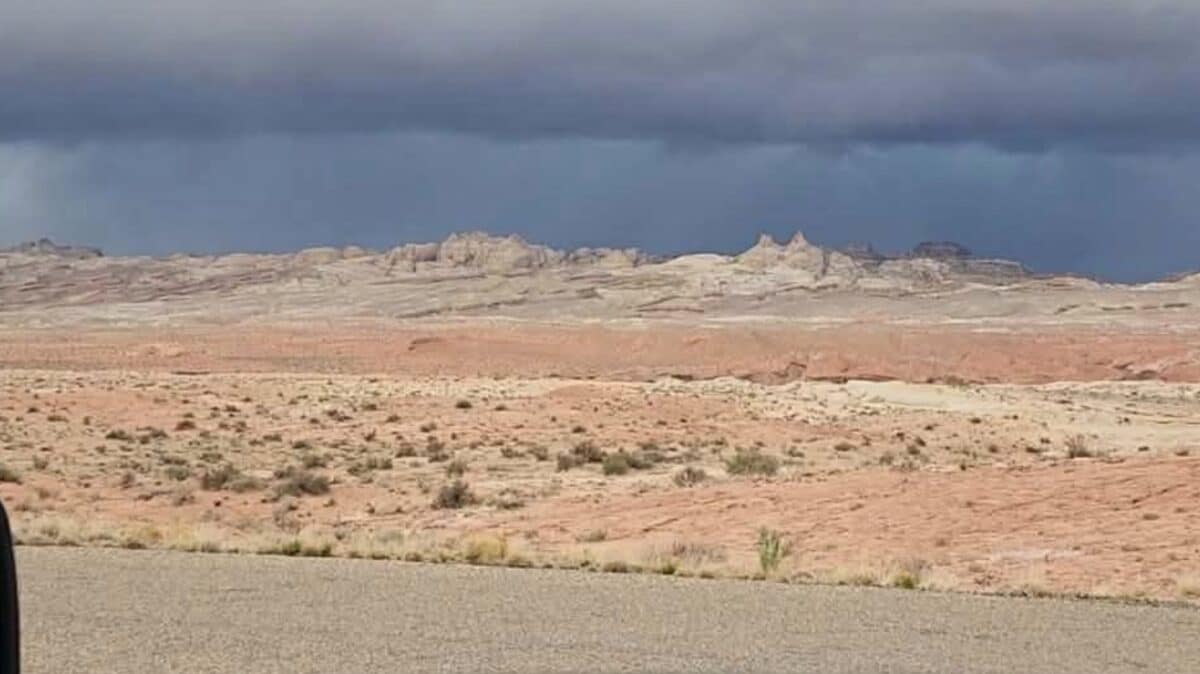
Compounding the danger was the prevailing weather forecast for Wednesday. Reports indicated an 80% chance of rain, accompanied by heavy cloud cover. This meteorological outlook signaled a high risk of flash flooding, a common and often deadly phenomenon in Utah’s canyon country. Flash floods are characterized by their rapid onset and intense power, often occurring with little to no warning. In arid and semi-arid regions like Utah, the dry ground is less able to absorb sudden downpours, leading to increased surface runoff that can quickly inundate canyons and washes.

The National Weather Service often issues flash flood watches and warnings for areas prone to such events. These alerts are crucial for hikers and outdoor enthusiasts to monitor. A "watch" typically means that conditions are favorable for flash flooding to develop, while a "warning" indicates that flash flooding is imminent or already occurring. Understanding these distinctions and acting accordingly is paramount for safety.
Background: The Allure and Hazards of Goblin Valley and Surrounding Canyons
Goblin Valley State Park is renowned for its otherworldly landscape, dotted with thousands of unique, mushroom-shaped hoodoos, or "goblins." These formations, sculpted by wind and water erosion over millennia, attract visitors from around the globe. Adjacent to the park, canyons like Little Wildhorse offer a more immersive and adventurous hiking experience, often involving navigating narrow passages and scrambling over rocks.
However, the very beauty and allure of these canyons also contribute to their inherent risks. Slot canyons, in particular, are susceptible to flash floods because their confined nature amplifies the power of flowing water. Even a relatively small amount of rain falling in the watershed miles away can generate a surge that can fill the canyon rapidly. The U.S. Geological Survey (USGS) and the Bureau of Land Management (BLM) consistently warn about the dangers of flash flooding in these areas, emphasizing that hikers should always check weather forecasts, be aware of changing conditions, and be prepared to turn back if there is any risk of rain.
Chronology of the Event (Inferred)
While a precise minute-by-minute timeline is not publicly available, a likely sequence of events can be inferred:
- Morning/Early Afternoon: Hikers begin their trek into Little Wildhorse Canyon, likely unaware of the developing severe weather system or underestimating its potential impact. The weather forecast may have indicated a chance of rain, but the immediate threat might not have been perceived.
- Mid-Afternoon: As the group progresses deeper into the canyon, or perhaps while they are within its narrowest sections, rainfall begins in the upper watershed. This precipitation starts to collect and funnel towards the canyon.
- Sudden Onset: The flow of water dramatically increases, transforming from a trickle or dry creek bed into a powerful, fast-moving torrent. Hikers are caught in the path of this rapidly rising floodwater.
- Immediate Response: The hikers, realizing their predicament, likely attempt to find higher ground or signal for help if possible.
- Notification and Mobilization: News of the stranded hikers reaches park authorities and emergency services. A coordinated rescue operation is immediately launched, involving multiple agencies and specialized teams.
- Rescue Operation: Rescuers navigate the challenging terrain and the ongoing floodwaters to reach the hikers. They assess the situation and safely extricate the individuals from the canyon.
- Post-Rescue: The hikers are transported to the trailhead and receive medical attention for minor injuries. Authorities likely provide guidance on the dangers they encountered and reiterate safety protocols.
Official Statements and Safety Recommendations
The initial report from Unofficial Networks included a poignant message attributed to the park or an involved agency: "Please don’t post insults, criticism or disparaging comments. Everyone makes errors in judgment at some point. These incidents give us all the chance to plan better and be prepared next time." This statement reflects a compassionate and educational approach to such incidents, emphasizing learning and preparedness over blame.
The core safety advice emanating from this event, and consistently promoted by park services and outdoor safety organizations, is straightforward yet vital:
- Check the Weather Forecast: Always consult the most up-to-date weather forecast before heading into canyons or any wilderness area. Pay attention to the possibility of rain, even if it seems distant.
- Monitor Conditions: Be aware of the weather as it unfolds. Darkening skies, distant thunder, or a sudden drop in temperature can all be indicators of an impending storm.
- Understand Canyon Risks: Recognize that slot canyons are particularly vulnerable to flash floods. A dry canyon can become a raging river in minutes.
- Have an Exit Strategy: Know your escape routes. If you see signs of rising water or threatening weather, do not hesitate to turn back. It is always better to err on the side of caution.
- Inform Someone of Your Plans: Let a trusted person know where you are going and when you expect to return.
Broader Implications and Analysis
The flash flood incident at Little Wildhorse Canyon underscores several critical points relevant to outdoor recreation and emergency management in Utah and similar arid regions:
- The Power of Nature: This event serves as a potent reminder of the raw, untamed power of nature and the importance of respecting its forces. Even in seemingly benign conditions, the landscape can quickly become treacherous.
- Inter-Agency Cooperation: The successful rescue operation highlights the effectiveness of inter-agency collaboration. The seamless coordination between state parks, county sheriff’s offices, EMS, and specialized SAR teams is crucial for responding to complex emergencies.
- The Importance of Education: Incidents like this provide valuable opportunities for public education. By sharing information about what happened, why it happened, and how to prevent future occurrences, authorities can improve safety awareness among the public.
- Climate Change Considerations: While this specific event can be attributed to immediate weather patterns, the increasing frequency and intensity of extreme weather events globally, potentially linked to climate change, may lead to more unpredictable and hazardous conditions in natural environments. This necessitates a long-term focus on adaptive strategies for outdoor recreation and emergency preparedness.
- Technological Aids and Limitations: While modern weather forecasting and communication technologies are invaluable, they are not infallible. Hikers must also rely on their own observation skills and judgment when in the field. The reliance solely on technology without situational awareness can be dangerous.
The experience of the hikers caught in the flash flood, though frightening, resulted in a positive outcome due to the swift and effective response of emergency personnel. Their minor injuries served as a wake-up call, reinforcing the vital message that in environments like Goblin Valley and its surrounding canyons, preparedness, vigilance, and a healthy respect for the weather are not merely suggestions, but essential components of a safe outdoor adventure. The lessons learned from this incident will undoubtedly contribute to enhanced safety protocols and public awareness for future visitors to this stunning, yet potentially hazardous, region of Utah.

