
As the autumn equinox passes and temperatures begin to decline across the Northern Hemisphere, the global ski community enters a critical phase of physical preparation known as the "preseason." While many recreational athletes view the fall months as a period of transition, sports medicine professionals and alpine experts emphasize that this window is essential for building the physiological resilience required for high-velocity winter sports. Data from the medical community suggests that the transition from a sedentary or varied summer routine to the high-impact demands of alpine skiing without a structured ramp-up period is a primary contributor to early-season injuries. Research, including a landmark Swedish study involving alpine ski students, indicates that dedicated preseason neuromuscular training can reduce the incidence of Anterior Cruciate Ligament (ACL) injuries by nearly 50% over the course of two competitive seasons.
The Physiological Demands of Alpine Skiing
Skiing is a unique athletic endeavor that requires a complex combination of aerobic capacity, anaerobic power, eccentric muscle strength, and proprioceptive balance. Unlike many sports that rely on concentric muscle contractions—where muscles shorten under tension—skiing places a heavy emphasis on eccentric loading. As a skier moves down a slope, their muscles, particularly the quadriceps and glutes, must lengthen while under tension to absorb the force of gravity and the irregularities of the terrain.
Without specific conditioning, the sudden onset of these forces can lead to rapid muscle fatigue. Fatigue is often the precursor to technical failure, which in turn leads to the majority of non-contact injuries on the slopes. According to orthopedic experts, the "third-day injury" phenomenon is a documented trend where recreational skiers suffer ligament tears or fractures on their third consecutive day of skiing due to cumulative muscle exhaustion and a lack of preseason endurance training.
A Chronology of Preseason Preparation
The timeline for effective ski conditioning typically follows a three-month progression beginning in late August or early September. This period allows for the gradual adaptation of tendons, ligaments, and muscle fibers.
- Late August to September (Base Building): This phase focuses on cardiovascular endurance and foundational strength. Activities such as long-distance trail running and road cycling are utilized to build a robust aerobic base, which is necessary for sustained performance at high altitudes.
- October (Intensity and Specificity): As the season approaches, training shifts toward high-intensity interval training (HIIT) and sport-specific movements. This includes plyometrics to improve explosive power and eccentric leg exercises to prepare for the "burn" of long downhill runs.
- November (Skill Refinement and Proprioception): The final weeks before resort openings are dedicated to balance, core stability, and neuromuscular "tuning." This is when athletes utilize ski simulators or indoor slopes to re-engage the specific neural pathways required for carving and edge control.
Strategic Modalities: From the Trail to the Slope
To achieve the necessary level of fitness, experts recommend a multi-modal approach that targets different aspects of the skier’s anatomy.
Vertical Hiking and Incline Training
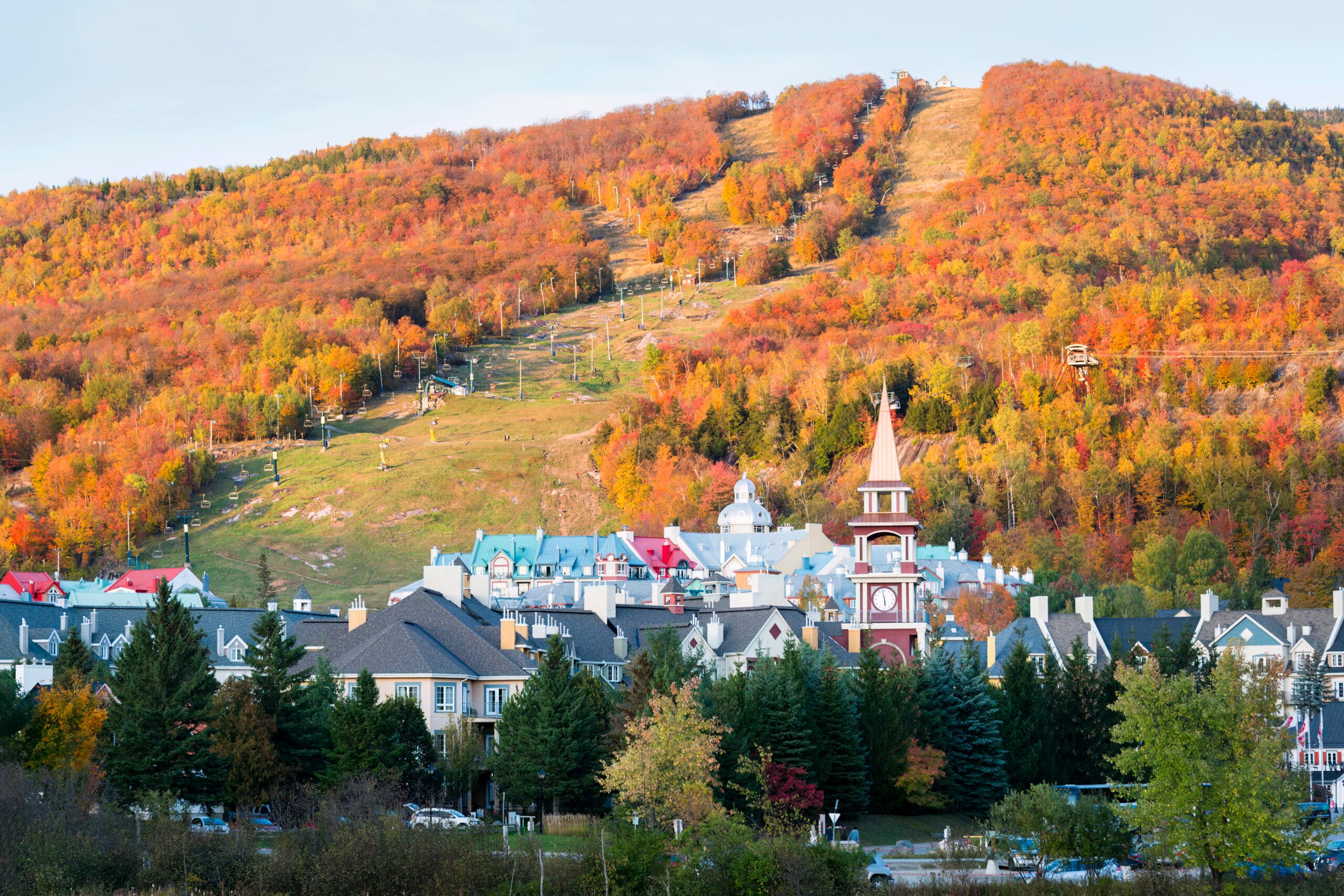
One of the most effective methods for mimicking the demands of the mountain is hiking directly up ski slopes or steep hilly terrain. This activity serves a dual purpose: the ascent provides a high-intensity cardiovascular workout that "torches" the lungs and builds the glutes, while the descent provides the essential eccentric loading mentioned previously. For advanced conditioning, trainers often suggest the use of weighted vests to simulate the weight of ski gear and avalanche safety packs, further challenging the athlete’s center of gravity and core stability.
Mountain Biking and Cognitive Transfer
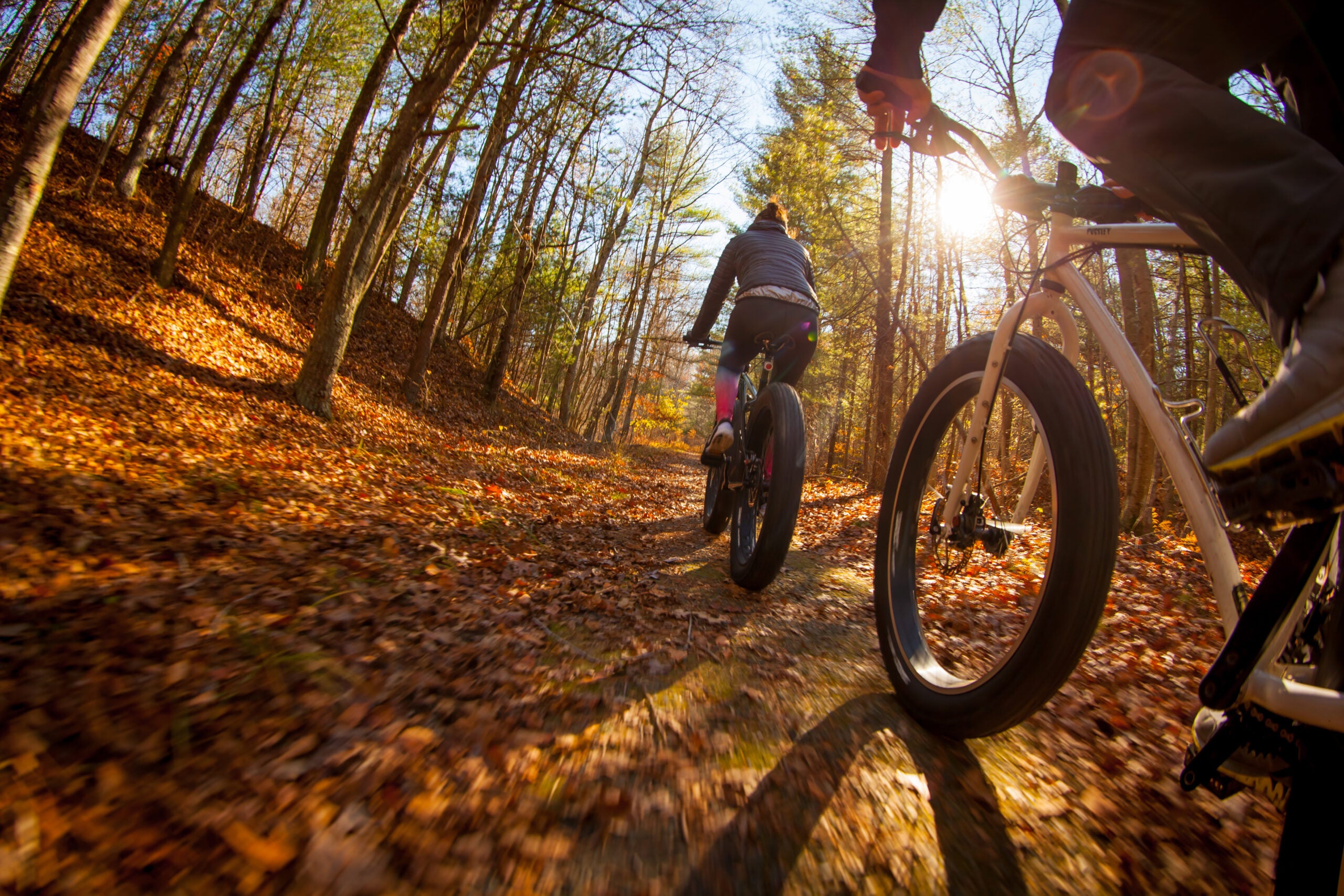
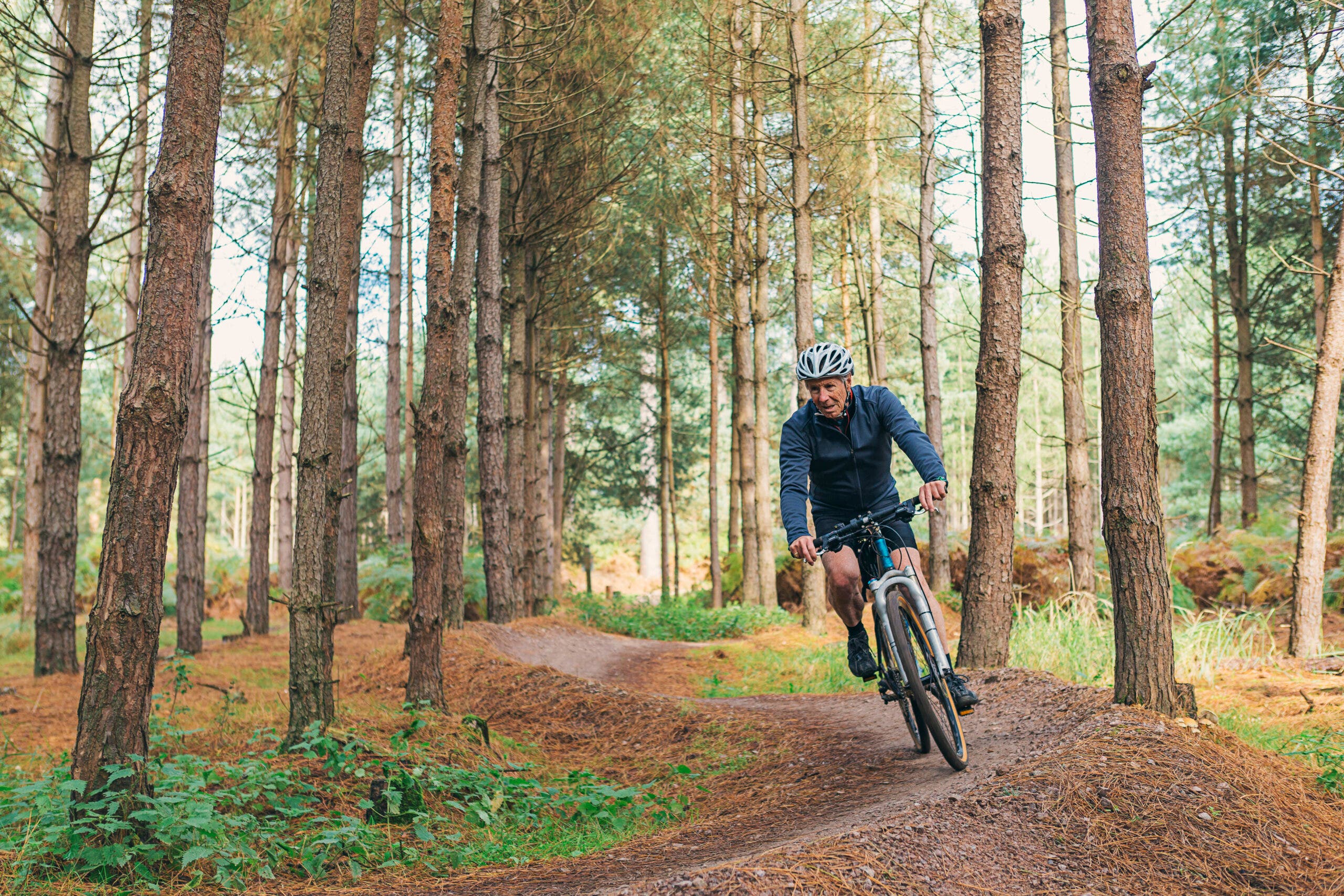
Mountain biking has emerged as a preferred cross-training tool for professional and amateur skiers alike. The physical benefits include quad strength and cardiovascular health, but the cognitive benefits are equally significant. Negotiating technical descents on a bicycle requires rapid line choice, weight shifting, and "looking ahead"—all skills that translate directly to navigating moguls or variable snow conditions. The requirement to maintain balance on loose dirt trains the stabilizer muscles around the knees and ankles, providing a protective effect against common ski-related sprains.
Via Ferrata and Isometric Strength
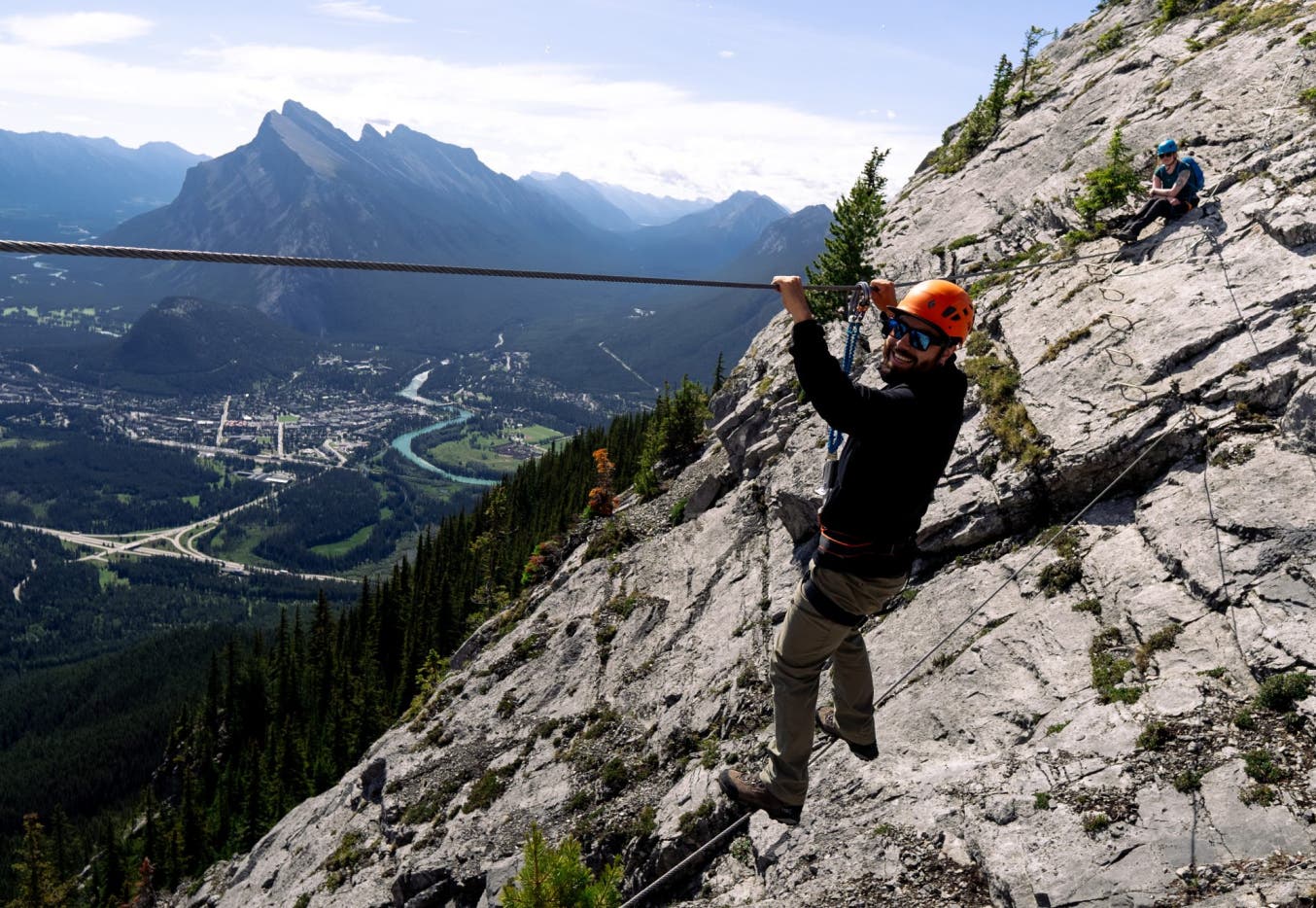
The "via ferrata"—an assisted climbing route found in mountain ranges from the Italian Dolomites to the Canadian Rockies—offers a unique preseason stimulus. These routes require sustained core engagement, upper-body grip strength, and isometric leg strength. By moving across vertical faces, athletes develop a high degree of "mental focus under duress," a psychological state that is vital when skiing steep or "no-fall" zones.
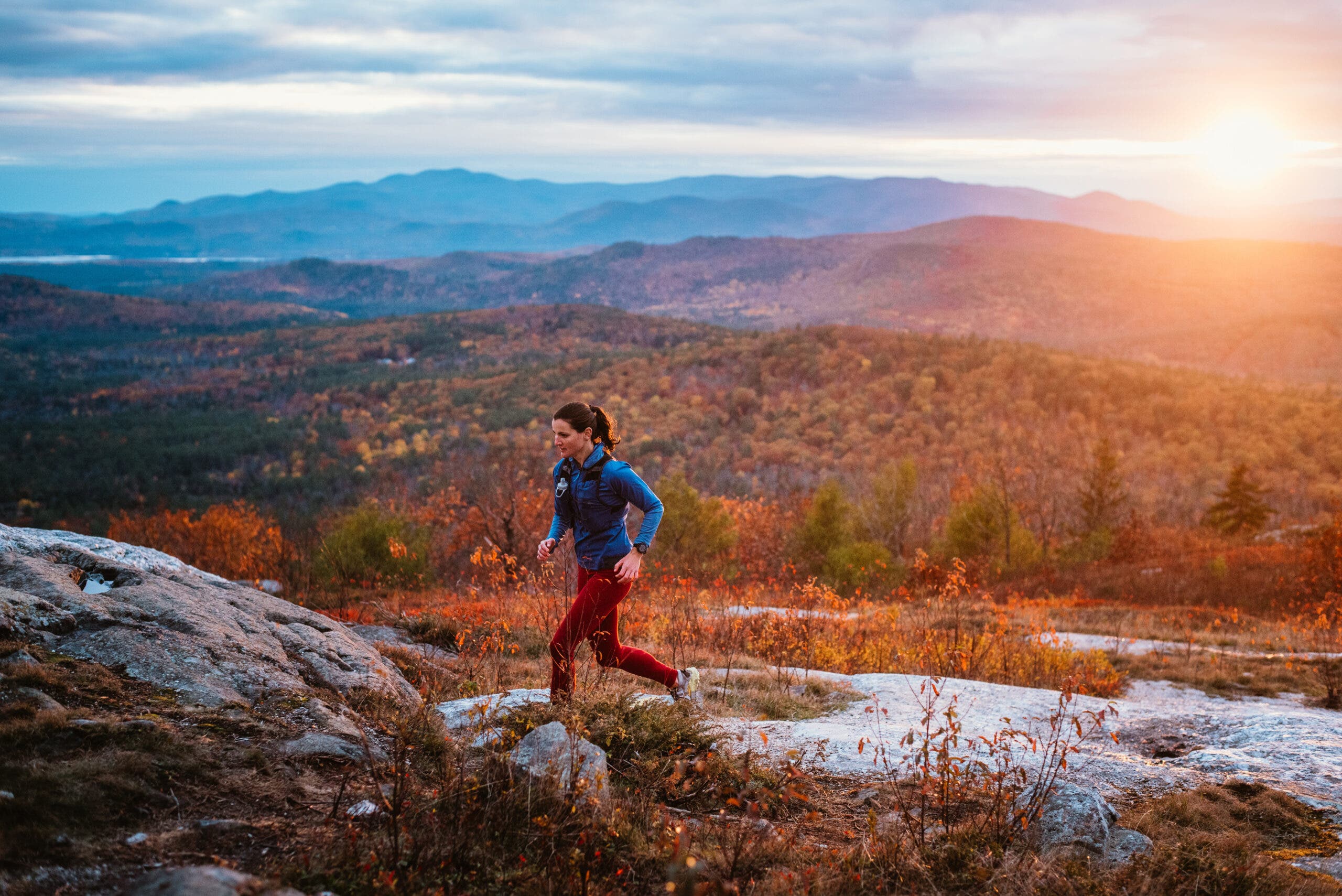
Trail Running at Altitude
For those with access to high-elevation trails, running in thin air provides a significant advantage. The reduced oxygen levels force the cardiovascular system to become more efficient, increasing red blood cell count and improving oxygen transport. When these athletes return to the resort for opening day, they often find that their "mountain lungs" allow them to ski longer sessions with shorter recovery times between runs.
Technological Advancements: Indoor Skiing and Simulators
The rise of indoor ski facilities and high-tech simulators has revolutionized preseason training for urban populations. Facilities such as Big Snow American Dream in New Jersey provide a year-round temperature-controlled environment for basic skill maintenance. However, for serious conditioning, "Infinite Slopes" or revolving carpet simulators have become the industry standard.
These simulators, utilized by companies like Bluerun, allow for high-volume repetition of carving and edging movements. Because the "slope" is a continuous revolving belt, a skier can perform several miles of downhill movement in a single session without the interruption of lift lines. This high-density training is particularly effective for "upper-lower body separation"—the ability to keep the torso facing downhill while the legs move independently—which is a hallmark of advanced skiing technique.
Industry Perspectives and Medical Analysis
Medical professionals specializing in sports medicine have long advocated for a more rigorous approach to the ski off-season. Dr. Robert LaPrade, a world-renowned complex orthopedic knee surgeon, has frequently highlighted the importance of strengthening the hamstrings and glutes to protect the ACL. "The ACL is most vulnerable when the skier’s weight is back and the quadriceps pull the tibia forward," experts note. "A strong posterior chain acts as a secondary stabilizer, pulling the tibia back and reducing the strain on the ligament."
Resort operators also have a vested interest in the fitness levels of their patrons. Higher fitness levels correlate with fewer accidents, which reduces the strain on ski patrols and local emergency services. In recent years, several major resorts have begun offering "preseason fitness challenges" and digital training programs to their season pass holders, recognizing that a prepared skier is a safer and more satisfied customer.
Broader Implications: Longevity and the Aging Demographic
The push for preseason conditioning is not limited to elite athletes. As the "Silver Skier" demographic—those skiing into their 60s, 70s, and 80s—continues to grow, the focus has shifted toward longevity. Maintaining bone density through weight-bearing preseason exercises and preserving balance through proprioceptive training are essential for preventing the falls that lead to hip fractures or head injuries in older populations.
Furthermore, the integration of technology like e-bikes for uphill mountain biking and adjustable-speed ski simulators has made high-intensity training more accessible to a wider range of ages and fitness levels. This democratization of sports science ensures that the benefits of preseason preparation are available to the entire skiing community, regardless of their proximity to a mountain.
Conclusion: The Strategic Advantage of Preparation
The evidence is clear: the most successful ski seasons are those that begin months before the first snowflake falls. By adopting a structured regimen of vertical hiking, mountain biking, altitude running, and technological simulation, skiers can significantly reduce their risk of catastrophic injury. As the industry moves toward a more data-driven approach to safety and performance, the "autumn itch" for the slopes is being channeled into productive, scientifically-backed training programs that ensure athletes can continue to enjoy the mountains for decades to come. The transition from the "pumpkin-spiced" leisure of early fall to the rigorous demands of winter is a bridge built on sweat, science, and strategic preparation.

