
Parents face a perennial challenge in equipping their children for winter sports: the delicate balance between sufficient warmth and unencumbered mobility. The classic image of Ralphie from A Christmas Story, bundled to immobility, perfectly encapsulates the parental fear of a child freezing, often leading to over-layering that renders the experience uncomfortable and unenjoyable. Through years of collective experience and technological advancements, it has become clear that the most effective kids’ ski jackets – indeed, the best waterproof winter jackets for children in any snowy environment – must integrate waterproof, breathable fabrics with precisely calibrated insulation. This strategic design ensures children remain warm and dry without being weighed down or restricted, fostering a positive and active relationship with winter landscapes.
Beyond performance, the economic aspect is a significant consideration. Children outgrow apparel rapidly, making the prospect of investing heavily in gear that may only last a single season daunting for many families. Recognizing this, the selection criteria for this comprehensive review prioritized models that offered robust performance – including reliable waterproofing, effective insulation, practical hoods, and functional pockets – without commanding premium price points. This approach aimed to identify jackets that deliver essential protection and comfort while representing a sensible investment for parents.
Methodology: Rigorous Testing in Real-World Conditions
To identify the leading contenders, a rigorous testing protocol was implemented, engaging a diverse group of young testers ranging in age from 1 to 7 years old. These children were outfitted in nine distinct kids’ ski jackets and immersed in a variety of winter environments. Testing grounds included the dynamic slopes of ski resorts, the exhilarating descents of sledding hills, the slick surfaces of ice rinks, and the expansive terrains of snowy playgrounds. This multi-faceted approach allowed for comprehensive evaluation under varying conditions, from high-energy activities to more passive exposure to cold.
The testing process was spearheaded by Jenny Wiegand, Outside’s associate gear director and an experienced lifelong skier. Wiegand’s personal journey of introducing her own children, aged 15 months and 2.5 years, to skiing and winter play provided invaluable insight, shaping the practical and kid-centric evaluation metrics. To further broaden the scope and ensure diverse perspectives, jackets were also distributed to other families residing in ski towns, including professional ski instructors whose children, aged three to seven, offered experienced feedback. Throughout the testing period, parents meticulously assessed each jacket on critical attributes: warmth retention, waterproofing efficacy, overall comfort, freedom of movement, and the practical utility of kid-friendly features. The final selection of the five standout jackets in this guide represents those that most effectively harmonized superior weather protection, enduring durability, comfortable wear, and exceptional value for growing children.
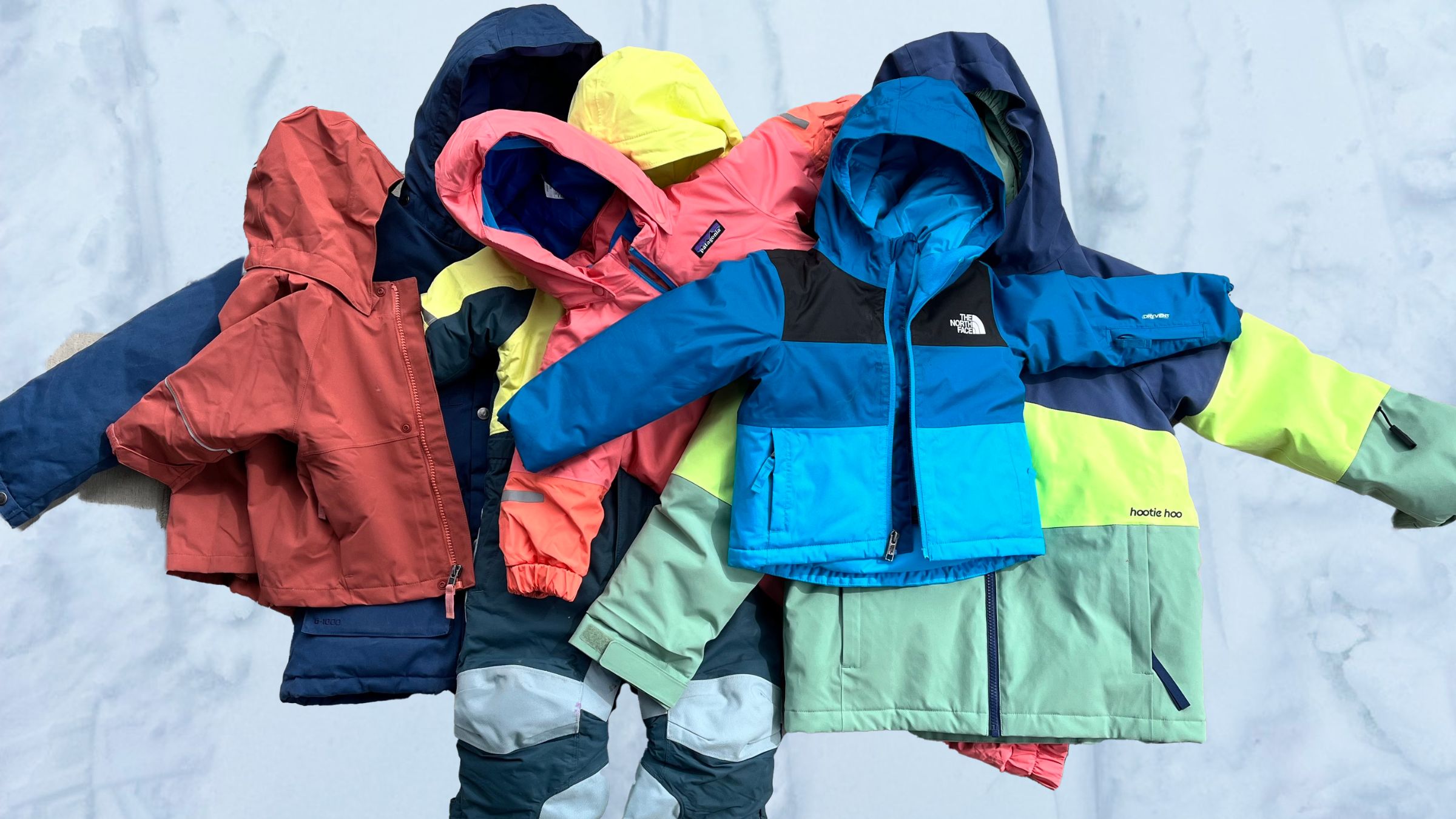
The Parental Conundrum: Layering and Comfort in Children’s Winter Apparel
The challenge of dressing children for cold weather extends beyond simply adding layers; it involves understanding unique physiological differences. Children, particularly toddlers and younger kids, have less developed thermoregulation systems compared to adults. They can lose heat more quickly due to a larger surface area-to-mass ratio, yet they also generate significant heat through intense play. Over-bundling can lead to sweating, which then cools rapidly, creating a dangerous cycle of chill. Conversely, insufficient insulation exposes them to the elements. This delicate balance underscores the necessity of high-performance outerwear that actively manages temperature and moisture. Modern kids’ ski jackets are engineered to be the outermost protective shell, designed to integrate seamlessly with appropriate base and mid-layers, providing a versatile system that can adapt to changing temperatures and activity levels without compromising comfort or mobility.
Key Criteria for Selection: Beyond Just Warmth
The evaluation process for kids’ ski jackets extended beyond basic warmth, delving into a suite of performance attributes critical for a child’s safety, comfort, and enjoyment in winter conditions.
- Waterproofing and Breathability: A jacket’s ability to repel external moisture while allowing internal perspiration to escape is paramount. This is achieved through sophisticated waterproof membranes (e.g., polyurethane laminates, proprietary technologies) combined with Durable Water Repellent (DWR) finishes on the outer fabric. The move towards PFAS-free DWR treatments is also a growing environmental consideration, balancing performance with ecological responsibility. Fully taped seams are crucial for preventing water ingress at stitch points.
- Insulation Type and Density: Synthetic insulations like PrimaLoft and Heatseeker are preferred for kids’ jackets due to their ability to retain warmth even when wet, their hypoallergenic properties, and their ease of care. The "grams" of insulation (g) indicate density; higher numbers typically mean more warmth, but also potentially more bulk. The optimal jacket strikes a balance, often using more insulation in the body and less in the arms and hood to maintain mobility.
- Durability and Construction: Children are notoriously hard on their clothes. Reinforced stress points, robust zippers, and abrasion-resistant outer fabrics contribute to a jacket’s longevity.
- Safety Features: While not explicitly detailed in the original article, safety considerations are inherent in good design. These can include breakaway hoods (though fixed hoods with gaiters are also popular for secure fit), reflective elements for visibility, and the absence of easily snagged drawstrings.
- "Grow-With-Me" Features: Given the rapid growth rate of children, features like "cuff let-outs" or extendable seams are invaluable. These allow sleeves (and sometimes pant legs in one-pieces) to be lengthened, often by an inch or two, effectively extending the jacket’s usable life for an additional season. This not only offers economic benefits to parents but also promotes sustainability by reducing the frequency of replacement.
- Kid-Friendly Functionality: Easy-to-use zippers, generously sized pockets (including dedicated ski pass pockets), glove clips, and integrated powder skirts are all features that enhance a child’s independence and overall experience on the slopes.
Top Performers: A Deep Dive into the Best Kids’ Ski Jackets of 2026
After extensive testing, five distinct options emerged as leaders in their respective categories, each offering a compelling blend of performance, design, and value.
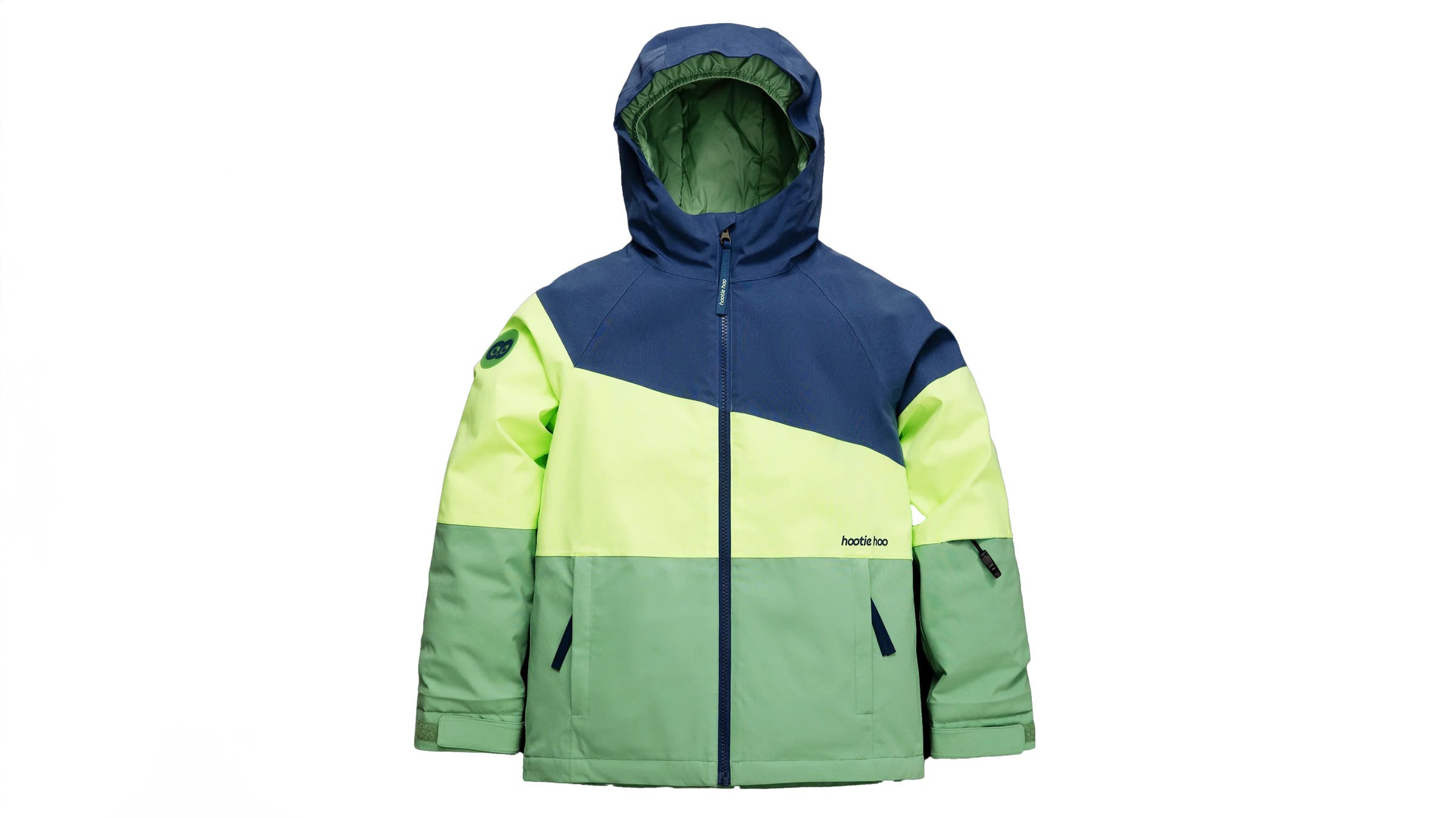
Hootie Hoo Kids Spruce Insulated Jacket: The Overall Champion
Available sizes: 4-14
Insulation: 80 g PrimaLoft Silver in body, 60 g in arms/hood
The Hootie Hoo Kids Spruce Insulated Jacket distinguished itself as the premier choice for serious young skiers and active snow players. This Vermont-based company, founded by experienced skier moms and apparel designers, has rapidly established a reputation for setting a high benchmark in children’s snow gear performance. The Spruce jacket notably stood apart as the only model tested that boasted a premium feature set comparable to high-end adult outerwear. This includes an integrated powder skirt for deep snow protection, an attached hood equipped with a gaiter to ensure a secure fit and enhanced warmth, a convenient sleeve pass pocket, cozy fleece-lined hand pockets, and a practical internal stash pocket for essentials.
Beyond its impressive feature list, the jacket’s material quality is exceptional. It incorporates a fully waterproof outer fabric, enhanced with a PFAS-free DWR finish, signaling a commitment to both performance and environmental responsibility. The interior features a silky lining that provides a soft, flexible feel, a stark contrast to the often crinkly or restrictive linings found in other kids’ jackets. This comfort was a significant factor, with our seven-year-old tester consistently favoring the Spruce jacket, a preference further bolstered by its array of fun, vibrant color options. While lightly insulated with PrimaLoft Recycled Silver, it proved capable of keeping our tester warm in temperatures down to 20 degrees Fahrenheit when paired with a midlayer, all while maintaining a lightweight feel and superior freedom of movement. Although not the absolute warmest jacket tested, its thoughtful design, impressive performance, and very competitive price point make it an unparalleled choice for active children who demand high-quality gear for skiing and intense snow play. The inclusion of seam let-outs further extends the jacket’s usability across multiple seasons, enhancing its long-term value.
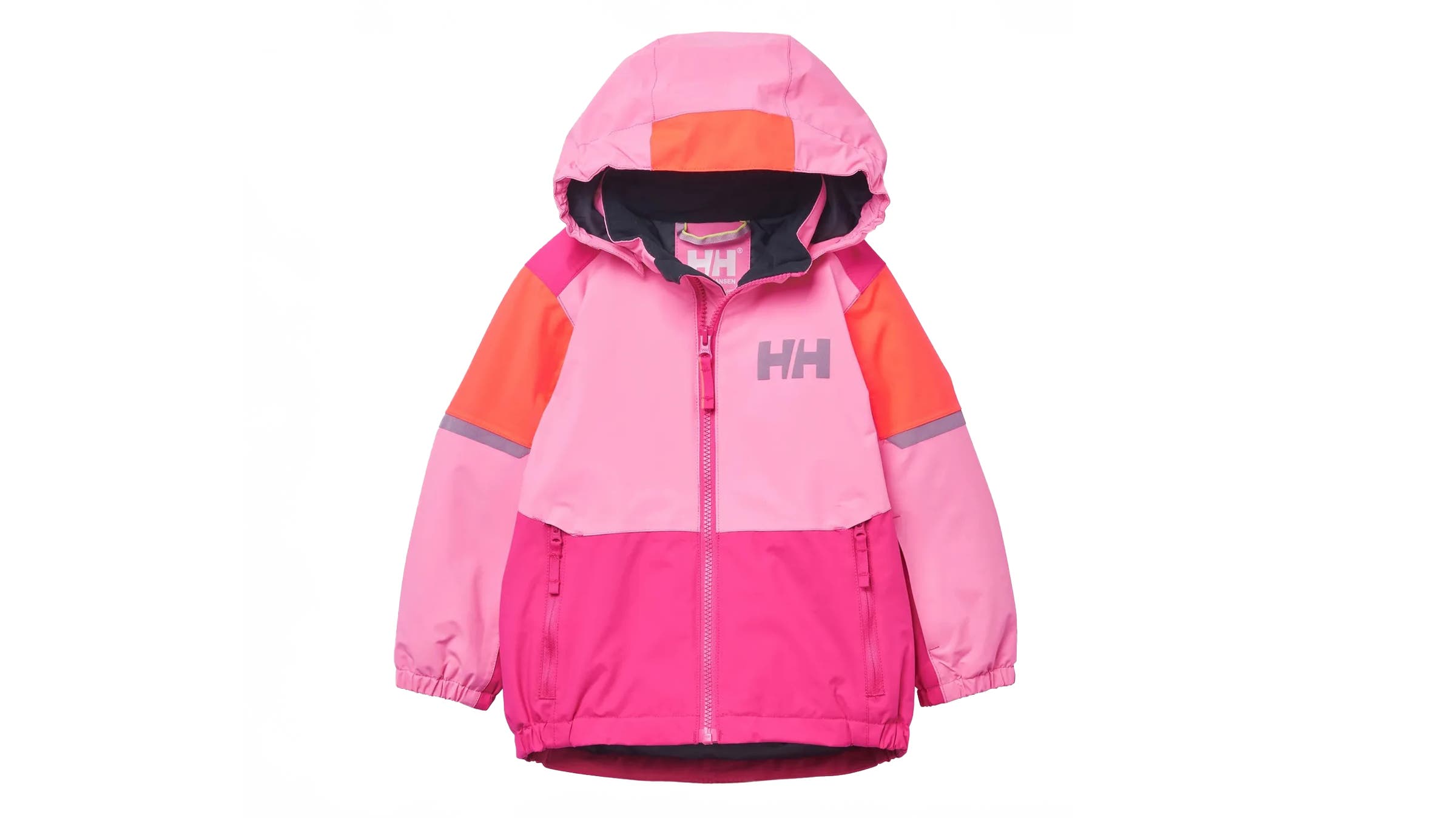
Helly Hansen Kids’ Rider Insulated Ski Jacket: The Reliable Runner-Up
Available sizes: 1-8
Insulation: 133 g PrimaLoft Black Eco in body, 100 g in arms/hood
Helly Hansen’s esteemed reputation for producing dependable ski apparel extends seamlessly to its children’s collection. The Rider Insulated Jacket embodies this brand heritage, delivering the consistent weather protection synonymous with Helly Hansen. Its design features a fully waterproof yet breathable shell, complemented by meticulously sealed seams, and insulation strategically balanced for warmth without excessive bulk. Our seven-year-old tester experienced sustained dryness, warmth, and comfort across a broad temperature spectrum—from 20 to 45 degrees Fahrenheit—during extended days on the slopes.
The jacket covers all essential features expected in a quality kids’ ski jacket, including zippered hand pockets, a dedicated ski pass pocket, and an adjustable, removable hood. What prevented it from securing the top position were the absence of a few premium extras: specifically, Velcro-adjustable wrist cuffs for a customized fit, a powder skirt for enhanced snow protection, and the valuable seam let-outs that extend the garment’s lifespan as children grow. Despite these omissions, the Rider Insulated Jacket stood out as a slightly warmer option than the Hootie Hoo, yet still managed to avoid any sensation of bulkiness or restricted movement, making it an excellent and reliable choice.
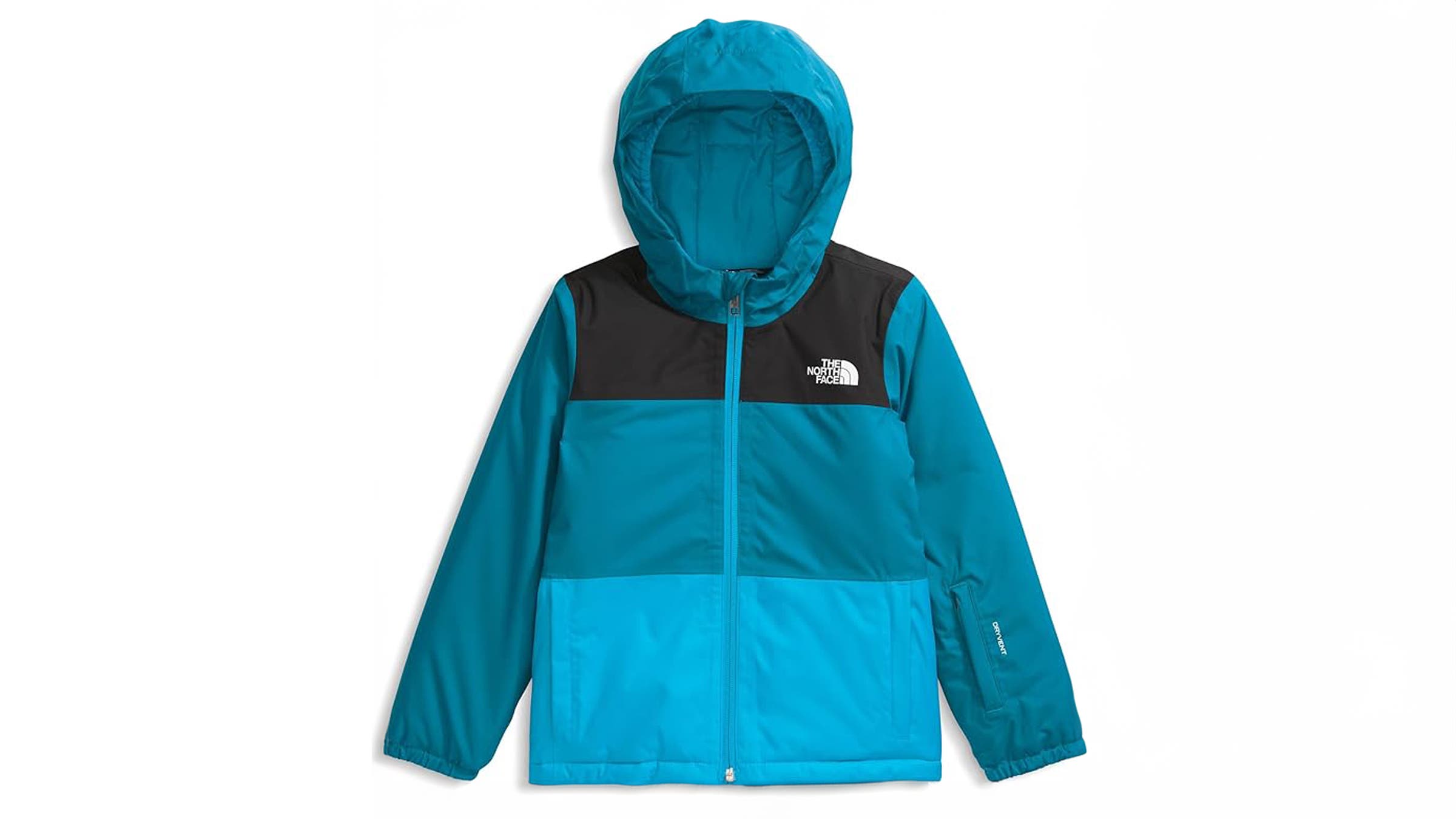
The North Face Kids’ Freedom Insulated Jacket: Unbeatable Value
Available sizes: 2T-7
Insulation: 200 g Heatseeker polyester in body, 150 g in sleeves, 100 g in hood
The North Face Kids’ Freedom Insulated Jacket offers an exceptional balance of performance and affordability, making it a highly versatile option that performs admirably for both dedicated skiing and casual backyard snow adventures. Constructed with a two-layer polyester shell, it features a non-PFC DWR treatment, ensuring reliable waterproofing while aligning with more sustainable practices. The jacket is generously insulated with The North Face’s proprietary Heatseeker polyester, strategically distributed with 200g in the body, 150g in the sleeves, and 100g in the hood. This ample insulation delivers substantial warmth without causing children to overheat, even during periods of vigorous play or intense skiing.
Despite its approachable price point, the Freedom Insulated Jacket does not compromise on thoughtful features. It includes a convenient sleeve pass pocket, ingeniously equipped with a built-in goggle wipe – a detail highly appreciated by parents and kids alike. An integrated powder skirt effectively prevents snow from entering the jacket during tumbles or deep snow play. Crucially, the inclusion of cuff seam let-outs allows the sleeves to be extended as children grow, significantly prolonging the jacket’s usability beyond a single season. While it presented as slightly bulkier and marginally more restrictive than the top-tier selections, the Freedom Insulated Jacket consistently kept our three-year-old tester warm and dry, whether navigating the magic carpet, speeding down a sledding hill, or joyfully making snow angels in fresh powder. Its robust feature set at a budget-friendly price makes it an outstanding value proposition.
Obermeyer Ashor Jacket: Superior Warmth for Colder Climates
Available sizes: 1-8
Insulation: 220 g proprietary insulation in body, 180 g in sleeves, 80 g in hood
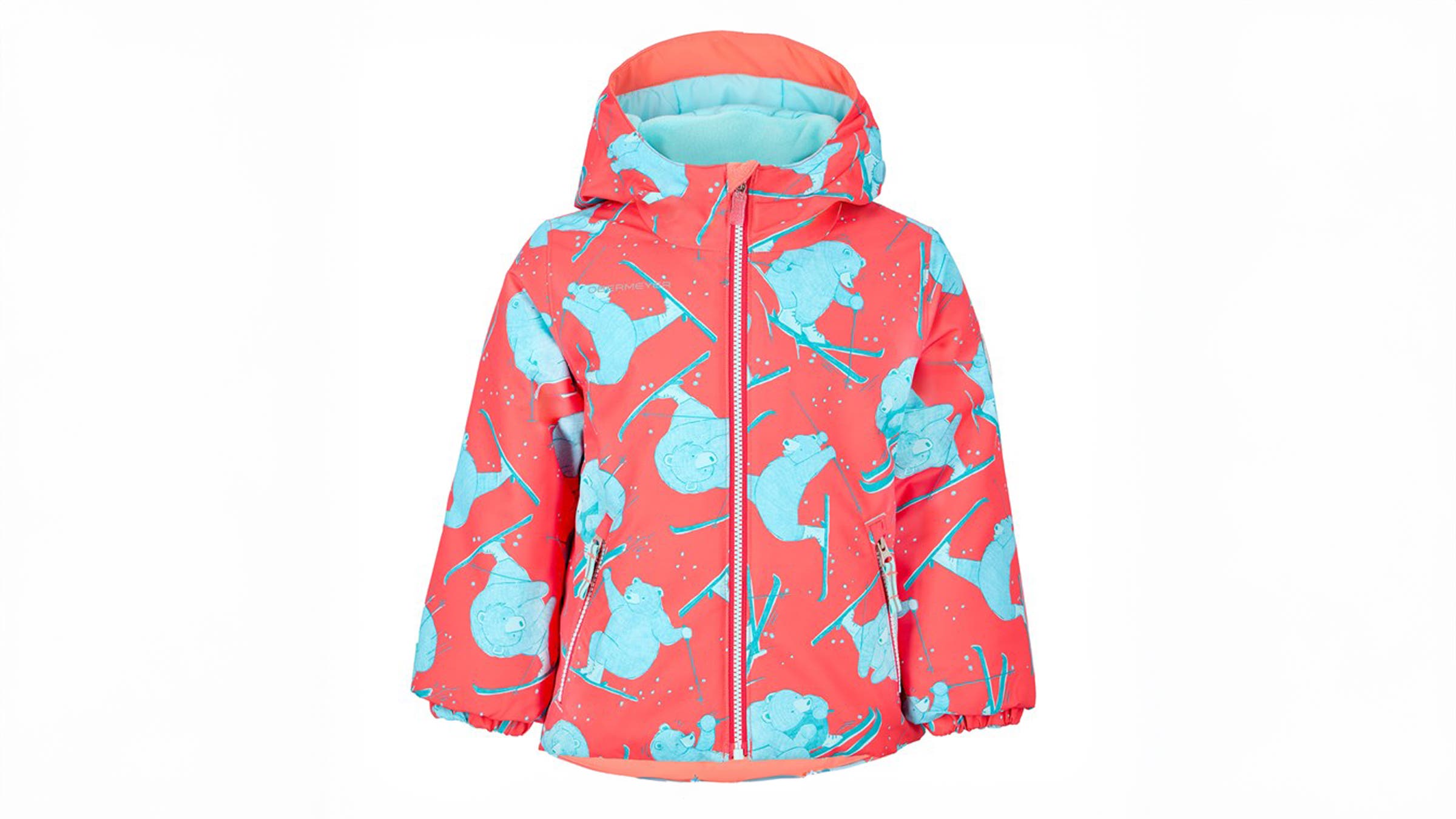
Obermeyer holds a revered position as a household name in children’s ski gear, a reputation earned through decades of innovation and quality. The brand was a pioneer in introducing jackets and pants with smart seam let-outs, designed to accommodate children’s rapid growth, and its vibrant colors and playful prints consistently deliver gear that is both enjoyable and highly functional. The Ashor Jacket, tailored for children aged 1 through 8, represents an affordable yet robust option, packed with essential features. These include an attached hood for immediate protection, an integrated powder skirt, practical built-in glove clips located in the wrist cuffs (a minor but highly appreciated detail for preventing lost gloves), and generous proprietary synthetic insulation distributed throughout the body (220g), sleeves (180g), and hood (80g). This substantial insulation is specifically engineered to keep young skiers exceptionally warm even in the coldest and stormiest winter conditions.
Indeed, among all the kids’ ski jackets subjected to testing, the Ashor jacket was unequivocally perceived as the warmest. Its primary drawback was a relative lack of pocket options. While it features two zippered hand pockets, the absence of a dedicated ski pass pocket and an internal stash pocket for items like extra gloves or snacks was noted. Nevertheless, for parents whose top priority is maximizing warmth for their child, the Ashor jacket presents a supremely cozy, affordable, and undeniably charming choice, perfectly embodying Obermeyer’s legacy of winter protection.
Patagonia Baby Snow Pile One-Piece: The Essential for Tiny Tots
Available sizes: 3-18 months (also available in toddler sizes)
Insulation: 150 g Thermogreen polyester
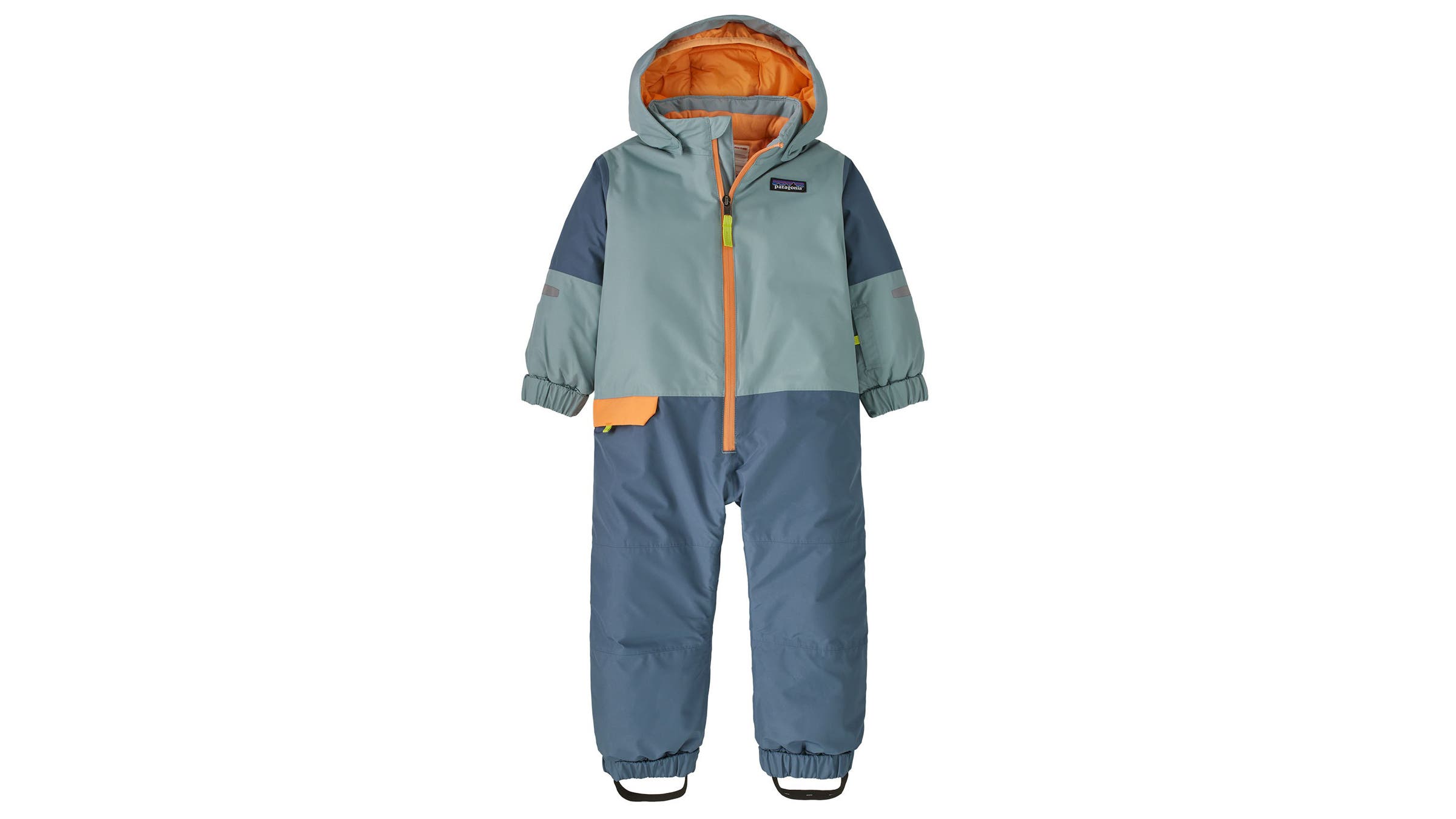
For the youngest winter enthusiasts, whether they are taking their first tentative slides on a magic carpet or simply accompanying their families for a day in the snow, specialized gear is essential to maintain warmth and dryness when their ability to generate significant body heat is limited. In such scenarios, a one-piece snowsuit, like the Patagonia Baby Snow Pile One-Piece, truly excels by more effectively sealing out cold and snow than a traditional two-piece jacket and pant combination. While admittedly positioned at a higher price point, this garment represents a worthwhile investment, particularly if acquired during a sale.
The Snow Pile One-Piece boasts a fully waterproof, seam-sealed shell, meticulously designed to repel moisture, paired with generous 150g Thermogreen polyester insulation throughout for consistent warmth. Patagonia’s renowned attention to detail is evident in features such as a practical sleeve pass pocket and strategic articulation behind the knees, which collectively imbue the Snow Pile with the same refined design sensibility found in Patagonia’s adult outerwear. Critically, cuff let-out seams are incorporated to extend the garment’s lifespan for rapidly growing toddlers, a testament to Patagonia’s commitment to durability and sustainability. However, a minor area for improvement would be the reinforcement of the knees and elbows, which would further enhance the suit’s long-term durability potential, especially given the active nature of young children. A noteworthy fit observation during testing was that Patagonia’s baby buntings tend to run large; our 15-month-old tester was projected to get another full season of wear from this suit even before utilizing the extendable seams, suggesting ample room for growth.
The Science of Staying Warm and Dry: Understanding Jacket Technology
The effectiveness of modern kids’ ski jackets is rooted in advanced textile science. The outer layer typically features a durable nylon or polyester fabric treated with a Durable Water Repellent (DWR) finish. This finish causes water to bead up and roll off, preventing the fabric from "wetting out." Beneath this, a waterproof-breathable membrane (e.g., a polyurethane laminate or a proprietary brand-specific technology) acts as a barrier, preventing external water molecules from penetrating while allowing smaller water vapor molecules (perspiration) to escape. This is crucial for preventing clamminess and subsequent chilling. Fully taped seams, where a waterproof tape is applied over every stitch line, are non-negotiable for true waterproof performance, as even the smallest needle hole can allow water ingress.
Insulation, the core of warmth, typically employs synthetic fibers like PrimaLoft or Heatseeker. These engineered materials are designed to trap air, creating a thermal barrier. Unlike down, synthetic insulation maintains much of its insulating properties even when wet, a critical advantage in snowy or damp conditions. The density of insulation, measured in grams per square meter (g/m²), indicates its warmth-to-weight ratio. Jackets often feature differential insulation, with more in the torso (e.g., 200g) where core warmth is essential, and less in the arms (e.g., 100-150g) and hood (e.g., 80-100g) to allow for greater freedom of movement and reduce bulk.
Beyond the Jacket: Essential Layering for Optimal Performance
While a high-quality ski jacket is fundamental, it is only one component of an effective layering system. For children, understanding proper layering is paramount to adapting to fluctuating temperatures and activity levels.
- Base Layer: This is the layer worn directly against the skin. Its primary function is to wick moisture (sweat) away from the body to keep the child dry. Materials like merino wool or synthetic polyesters are ideal, as cotton should be strictly avoided due to its tendency to absorb and hold moisture, leading to rapid cooling.
- Mid-Layer: Worn over the base layer, the mid-layer provides insulation. Fleece jackets, lightweight down sweaters, or synthetic insulated vests are excellent choices. The thickness of the mid-layer can be adjusted based on the anticipated temperature and the child’s activity level.
- Outer Shell (The Jacket): As reviewed, this layer provides protection from wind, snow, and rain while allowing moisture vapor to escape.
This three-layer system allows for flexibility; children can shed a mid-layer if they become too warm during intense play or add it back when conditions cool or activity ceases.
The Economic Imperative: Making Smart Investments in Growing Gear
The rapid growth of children presents a unique economic challenge for parents investing in winter sports equipment. A jacket purchased for one season may be too small for the next, leading to frequent replacement costs. This reality underscores the immense value of "grow-with-me" features, such as extendable cuffs and leg hems. By allowing for an additional season of wear, these innovations significantly reduce the overall cost of ownership and contribute to a more sustainable consumption pattern. Beyond extendability, the inherent durability of a jacket’s materials and construction plays a crucial role. A well-made jacket can often be passed down to younger siblings, friends, or resold, further amortizing the initial investment and promoting a circular economy for children’s gear. Brands that prioritize robust construction, high-quality zippers, and reinforced stress points are not just building better jackets; they are offering a more economically and environmentally sound solution for families.
Industry Trends and Future Outlook
The market for children’s outdoor apparel is experiencing significant growth, driven by increasing parental emphasis on outdoor activity and a greater awareness of the benefits of nature play. This trend is pushing manufacturers to innovate, not only in performance but also in sustainability. There’s a noticeable shift towards recycled materials, PFC-free DWR treatments, and more ethical manufacturing processes. Parents are becoming more discerning, seeking out brands that align with their values for both environmental responsibility and social impact. The future of kids’ ski jackets will likely see continued advancements in lightweight, highly packable insulation, even more sophisticated waterproof-breathable technologies, and further integration of smart design elements that extend garment life and enhance user experience. The emphasis will remain on creating gear that enables children to comfortably and safely explore the winter world, fostering a lifelong love for the outdoors.
In conclusion, selecting the ideal kids’ ski jacket is a critical decision that impacts a child’s comfort, safety, and enjoyment in winter. By prioritizing a careful balance of warmth, mobility, waterproofing, and value, parents can make informed choices that equip their young adventurers for memorable experiences on the slopes and in the snow, ensuring that winter remains a season of joy and exploration rather than discomfort.

