
April 1st, 2026 – The European Alps are concluding a winter season marked by a concerning rise in avalanche fatalities, with preliminary figures indicating a significant increase over the seasonal average. As of April 1st, 2026, 135 individuals have lost their lives in avalanche incidents across the continent since October 1st, a stark contrast to the typical seasonal average of 104. While this headline figure is alarming, a deeper analysis reveals a complex interplay of meteorological conditions, snowpack instability, and the evolving practices of winter sports enthusiasts.
The stark reality of this season’s danger was underscored by a tragic incident last weekend in Marchkopf, Austria, where 41-year-old Italian skier Federico Giubilato perished. Giubilato, a mechanical engineer with a degree from the University of Padua, was skiing off-piste with a friend when the avalanche struck. His companion, managing to dig himself free, immediately alerted authorities and began a desperate, frantic search for Giubilato. Rescue teams, arriving by helicopter approximately 30 minutes after the alarm was raised, worked for another 30 minutes to unearth Giubilato. Despite their efforts, he was pronounced dead at the scene. This incident, while a singular tragedy, represents the human cost behind the aggregate statistics, highlighting the inherent risks associated with venturing into uncontrolled mountain terrain.
A Season of Increased Risk Across Europe
Data compiled by the European Avalanche Warning Services paints a sobering picture of the 2025/2026 winter. While several countries, including the Czech Republic, Iceland, Sweden, and Scotland, have reported no avalanche fatalities this season, the Alpine nations have borne the brunt of the incidents.
Switzerland, in particular, has seen a marked increase in both the number of people caught in avalanches and the number of individual avalanche events. The Swiss Federal Institute for Forest, Snow and Landscape Research (WSL) reported that by the end of March, 244 individuals had been caught in 171 avalanches. These figures significantly exceed the ten-year average, which stands at 182 people involved in 127 accidents. Critically, none of these recorded incidents in Switzerland occurred on marked ski slopes, with the majority of victims being caught in touring terrain (nine individuals) and off-piste areas (six individuals).
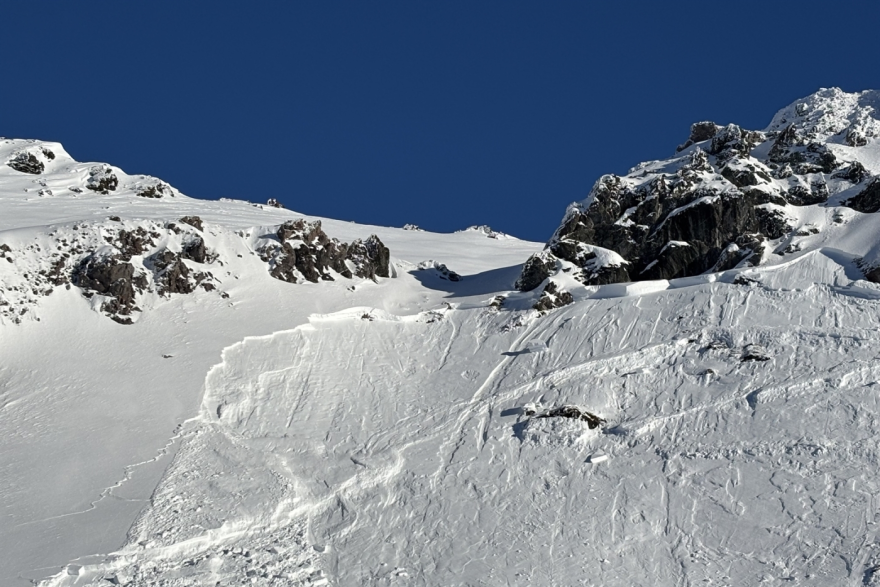
The WSL’s analysis points to a particularly unstable snowpack across the Swiss Alps during the first half of the winter. An early onset of winter in late November was followed by a prolonged period of dry, sunny weather that extended into January. This resulted in a thin snow cover that underwent significant transformation, creating a weak and unstable base layer. Winters characterized by this "old snow" problem, where underlying weak layers persist, are known to be exceptionally prone to accidents. The danger, the WSL notes, is often subtle and difficult to discern, even for seasoned professionals. Furthermore, avalanches originating from deep within the snowpack tend to be larger and more destructive. The cantons of Valais, Ticino, and Graubünden were disproportionately affected by these challenging conditions.
The overall meteorological trend for the 2025/2026 winter mirrored that of the preceding year, being generally warmer than average. Initial snow depths across Switzerland were well below long-term averages, with snowfall totals reaching only 50% to 75% of the norm. The eastern regions of Switzerland experienced the most significant snow deficit. The WSL’s findings strongly suggest that the primary culprits behind the majority of avalanche fatalities this winter were wind slab avalanches and collapses linked to persistent weak layers buried deep within the snowpack. These were frequently triggered by skiers venturing off-piste, particularly after fresh snowfall.
Chronology of a Dangerous Winter
While avalanche incidents can occur throughout the winter season, analysis indicates a concentrated period of heightened risk. The majority of fatalities this season occurred within a two-month window, from late December to late February. This period likely coincided with specific weather patterns that exacerbated snowpack instability.
In France, for example, out of a total of 31 avalanche fatalities recorded this winter, a staggering 30 occurred between December 26th and February 22nd. While this number is above the annual average for France, it falls within the broader expected range of 60 to 140 fatalities, a figure that fluctuates based on overall snowpack stability. This observation underscores the significant impact of localized weather events on avalanche risk.
Evolving Profile of Victims: An Emerging Concern
One of the most striking observations of the 2025/2026 winter season is the increased number of experienced skiers caught in avalanches. This cohort includes individuals such as ski patrollers, mountain guides, off-piste instructors, seasoned ski tourers, and members of alpine clubs. This trend suggests that even individuals with extensive knowledge of mountain safety and avalanche awareness are not immune to the dangers posed by unpredictable snow conditions. The WSL’s findings in Switzerland, where no fatalities occurred on marked slopes, further reinforce that the risks are predominantly concentrated in backcountry and off-piste environments, areas where even experts can be caught off guard by the subtle nuances of snowpack instability.
Enduring Risk as Spring Approaches
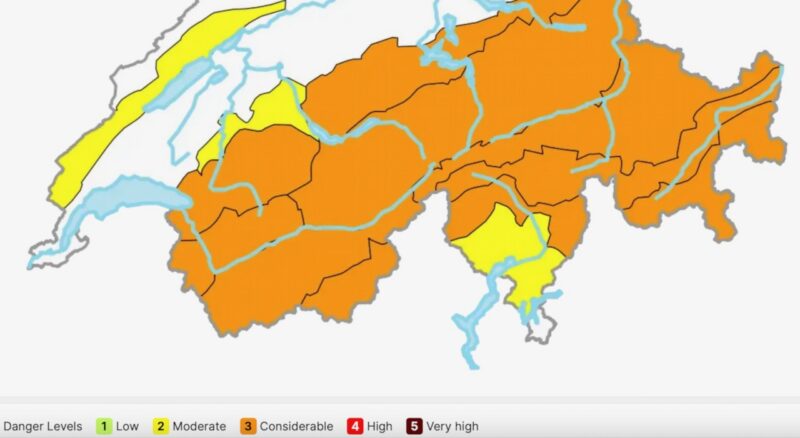
As the winter season draws to a close, the threat of avalanches has not entirely dissipated. Fresh snowfall in early April has continued to pose a risk. On Wednesday, April 1st, the avalanche risk in certain areas of the Alps was rated as "considerable" – a Level 3 on a five-point scale. This renewed snowfall, coupled with rising temperatures and changing snowpack conditions typical of spring, can create new hazards.
The month of April traditionally marks the beginning of the primary off-piste ski touring season, a period eagerly anticipated by many for its pristine conditions and extended daylight hours. However, authorities are urging extreme caution. The combination of residual snowpack instability, potential for wet snow avalanches as temperatures rise, and increased human activity in the backcountry necessitates heightened vigilance.
Broader Implications and Future Outlook
The elevated avalanche fatality rate this winter raises several important questions regarding mountain safety, risk management, and the evolving landscape of winter sports. The WSL’s emphasis on the subtle nature of “old snow” problems suggests a need for continuous education and refinement of avalanche forecasting and reporting techniques. The fact that experienced individuals are falling victim underscores the inherent unpredictability of the mountain environment and the limitations of even the most advanced forecasting models when faced with complex and rapidly changing snowpack conditions.
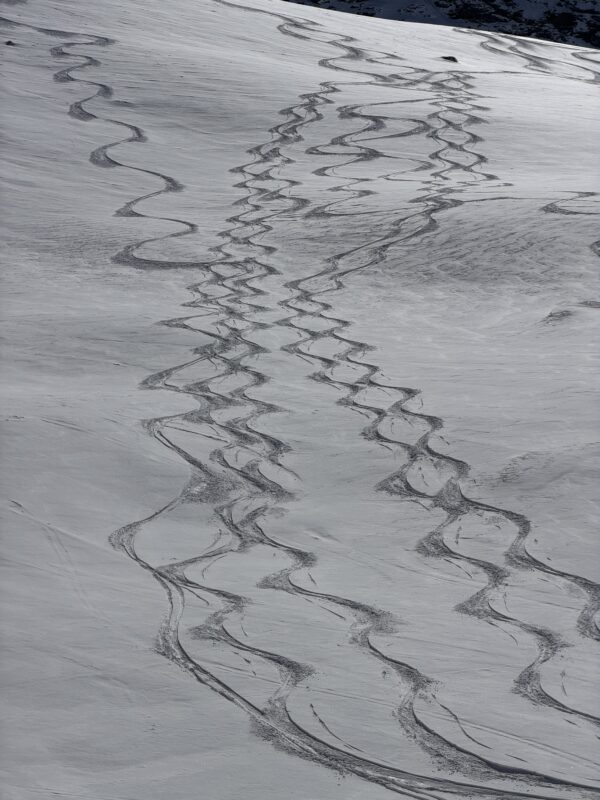
The trend of increased off-piste activity, driven by a desire for fresh powder and unique experiences, is likely to continue. This necessitates a renewed focus on public awareness campaigns that emphasize not only the importance of checking avalanche forecasts but also the critical need for comprehensive avalanche safety training, including the proper use of avalanche transceivers, probes, and shovels, as well as decision-making skills in the backcountry.
The data from this winter season will undoubtedly inform future avalanche safety protocols and research. Collaboration between national avalanche warning services, research institutions like the WSL, and winter sports organizations will be crucial in developing more effective strategies to mitigate risk. The focus will likely shift towards understanding and communicating the nuances of snowpack stability, particularly the insidious dangers posed by weak layers, and reinforcing the principle that even the most experienced individuals must approach the backcountry with humility and respect for the mountain’s power.
As the ski season concludes, the lessons learned from this challenging winter will resonate throughout the mountaineering and ski touring communities. The tragic loss of life serves as a stark reminder that while the allure of the mountains remains potent, safety must always be the paramount consideration for anyone venturing into their embrace.
PlanetSKI: Number 1 for digital ski news.
Your digital platform for ski news, resort information, travel, equipment rental, sport, money-saving deals, and everything connected with snowsports – website, social media & more.

