
SNO Ski Holidays has reported a significant spike in late-season bookings for April 2026, as a rare combination of record-breaking snowfall and heightened economic sensitivity reshapes the European winter sports market. Despite broader concerns regarding the global economy and geopolitical instability in the Middle East, British skiers are returning to the slopes in unexpectedly high numbers, albeit with a marked shift in purchasing behavior. The current trend favors all-inclusive packages as travelers seek to mitigate the rising costs of in-resort spending and stabilize their household budgets against fluctuating exchange rates and energy prices.
According to data released by the UK-based ski holiday provider sno.co.uk, the growth in late-season demand is being underpinned by some of the best spring conditions seen in the French Alps in over a decade. While early-season snow was inconsistent in lower-lying areas, the upper slopes of high-altitude resorts—most notably Tignes, Val d’Isère, Val Thorens, and Alpe d’Huez—are currently reporting snow depths significantly above their long-term historical averages. This resurgence in alpine conditions has tempted a demographic of "last-minute" skiers who had previously hesitated due to the cost-of-living crisis.
A Season of Atmospheric Extremes: The March Storm Cycles
The primary catalyst for the current surplus of snow was a series of powerful storm cycles that moved across the Northern Alps throughout March. Meteorological reports indicate that these systems dumped over 2.5 meters of fresh snow at altitudes above 2,500 meters. This late-season "dump" has effectively insulated high-altitude resorts against the typical spring melt, ensuring that the final weeks of the 2025/2026 season offer conditions more reminiscent of mid-winter.
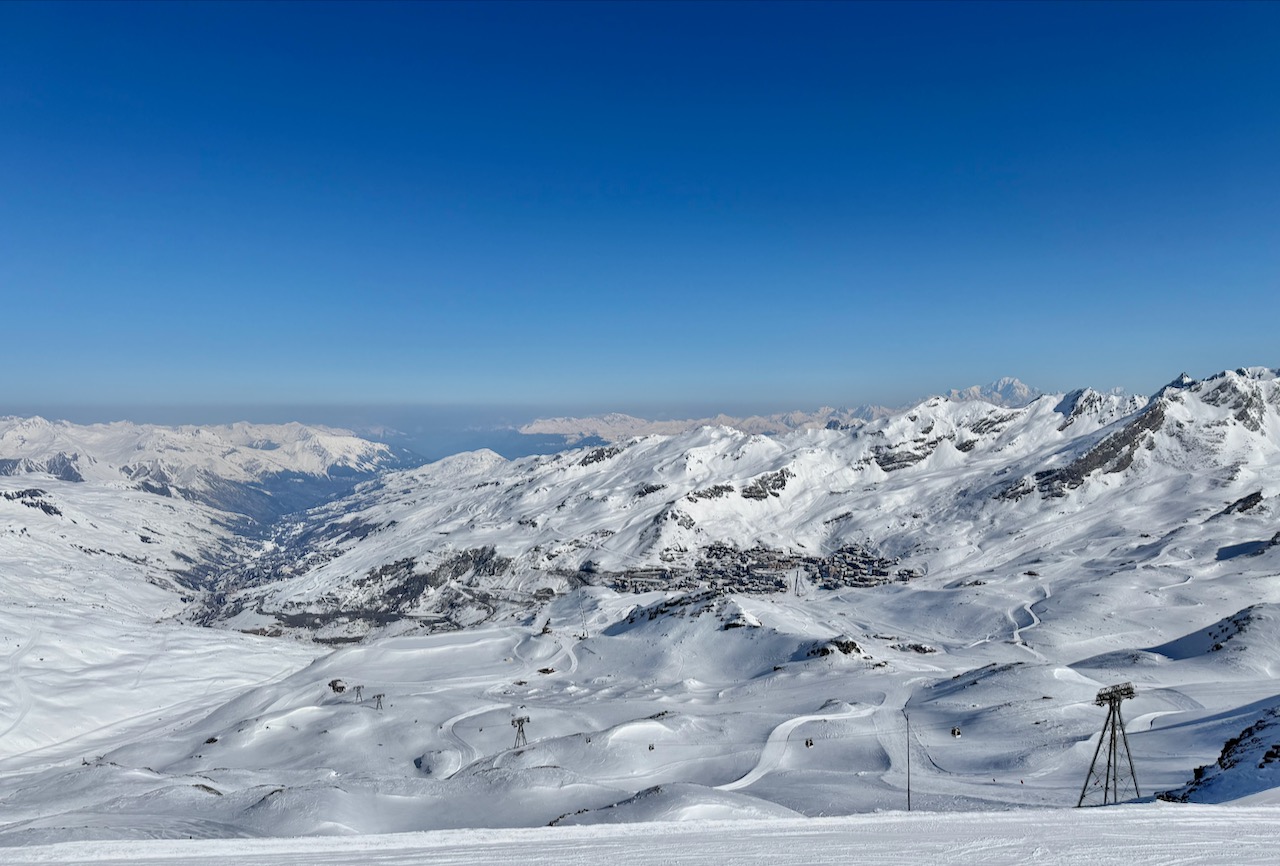
In Val Thorens, the highest resort in Europe, the snowpack on the upper slopes has reached 284cm, with 219cm recorded at the resort level. When compared to the historical April average of 193cm at the summit and 126cm at the base, the current figures represent a 47% increase above the norm. Tignes has reported similar anomalies, with 229cm at its peak—22% higher than the historical average. The Grande Motte glacier at 3,032m remains a focal point for the region, currently holding a reading of 160cm, while Tignes Lac at 2,100m sits at 134cm.
Val d’Isère has also exceeded expectations, recording 202cm at the resort level (1,850m). This is more than double the historical April average of 94cm for the base area. These conditions have allowed the 3 Vallées—the world’s largest linked ski area—to keep 96% of its 600km of runs open well into the second week of April.
Geopolitical Instability and the Shift to All-Inclusive Models
While the snow conditions are a natural draw, the economic landscape is the primary driver of how these holidays are being booked. SNO CEO Richard Sinclair has noted a fundamental shift in consumer priorities, directly linked to the "flat" performance of the UK economy and the recent escalation of conflict in the Gulf.
"Customers are switching to all-inclusive packages like our ski-in ski-out hotels because they want to know the total cost of a ski holiday before leaving home," Sinclair stated. "In previous years, skiing all-inclusive was often seen as a way to enjoy little luxuries without the hassle. Today, it is a strategic financial decision. Travellers want certainty in their household budgets, and they are increasingly unwilling to risk the ‘bottomless pit’ of in-resort costs."
The geopolitical situation has played a direct role in this caution. Following military actions between the United States, Israel, and Iran approximately one month ago, global energy markets have reacted sharply. Brent crude oil, which was trading at around $70 per barrel, has surged to over $100. Analysts suggest this spike has added an estimated £55 per month in direct fuel costs for the average UK household, with an additional £45 in knock-on inflationary pressures for goods and services.
The Rising Cost of the Alpine Experience
The move toward all-inclusive models is also a pragmatic response to the soaring costs of individual components within ski resorts. For a family of four, the traditional "pay-as-you-go" model has become increasingly prohibitive.
An analysis of current 2026 pricing reveals the following:
- Lift Passes: A six-day adult pass for the 3 Vallées is currently priced at €409.
- Instruction: Group ski lessons range from €220 to €400 per person per week.
- Dining: Mountain lunches now average between €40 and €80 per head per day.
- Extras: When factoring in evening drinks, equipment rental, and snacks, a family of four can easily accumulate over £1,000 per person in additional spending beyond the initial cost of flights and accommodation.
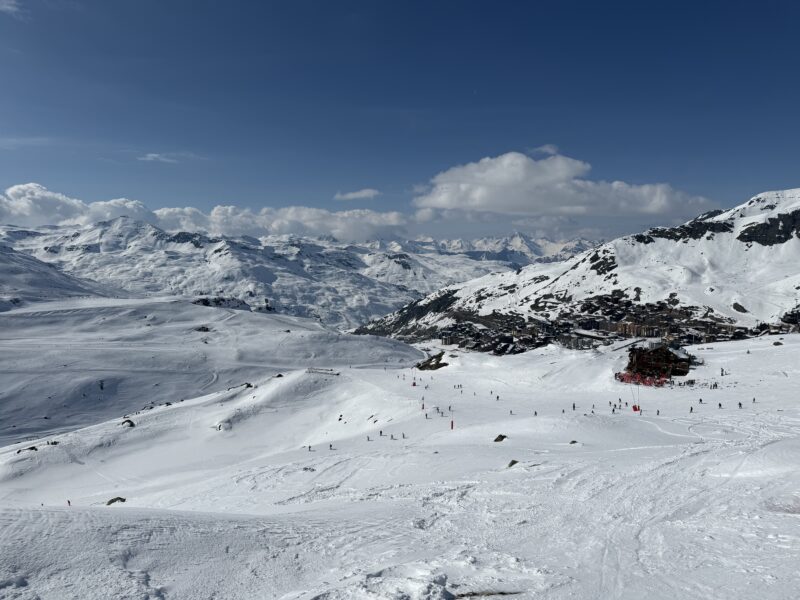
In contrast, SNO’s all-inclusive packages, which bundle accommodation, meals, open bar, lift passes, lessons, and childcare into a single upfront price, are being marketed as a hedge against resort-level inflation. For example, a week in Val Thorens in April is currently priced at approximately £1,400 per person (excluding flights). For many, this transparent pricing provides the "budgetary safety net" required to justify a discretionary spend on a holiday during a period of economic contraction.
Consumer Sentiment and Booking Trends
The trend toward late bookings is supported by wider industry research. A March 2026 consumer confidence survey conducted by KPMG found that 50% of UK adults now describe their spending habits as "cautious," with 58% believing the national economy is worsening. Despite this, 22% of respondents still rank holidays as their top priority for discretionary spending, suggesting that while consumers are tightening their belts, they are not yet willing to forgo their annual trip to the mountains.
Furthermore, research from Skift and Lighthouse indicates that global searches made within 28 days of travel have risen by 9% year-on-year. These "last-minute" searches now represent 38% of all bookings globally. In the ski industry, this manifests as "snow-chasing"—skiers waiting until the final moment to ensure both the weather conditions and their personal finances align before committing to a trip.
The war in the Middle East has also had a secondary impact on the European ski market. PlanetSKI has reported that the conflict has led to a wave of cancellations from Middle Eastern and Asian visitors, who traditionally frequent high-end resorts like Courchevel and St. Moritz. This has created a vacuum in the market, leading to deeper discounts for European and UK travelers during the final weeks of the season.
The April Festival Circuit and Spring Atmosphere
The timing of the 2026 season has also benefitted from an early Easter, which has left a longer window for "bargain skiing" in April and May. As the peak family season concludes, resorts are pivoting toward events and festivals to maintain occupancy.
Currently, the Snowbombing festival in Mayrhofen (April 6-11) is drawing large crowds, blending winter sports with a major music line-up. Other notable events scheduled for the remainder of the month include:
- The Electric Mountain Festival (Sölden): Running from April 13-18.
- Ischgl’s Top of the Mountain Easter Concert: Featuring Ben Zucker on April 19.
- The 36th International Spring Snow Festival (Samnaun): Scheduled for April 25.
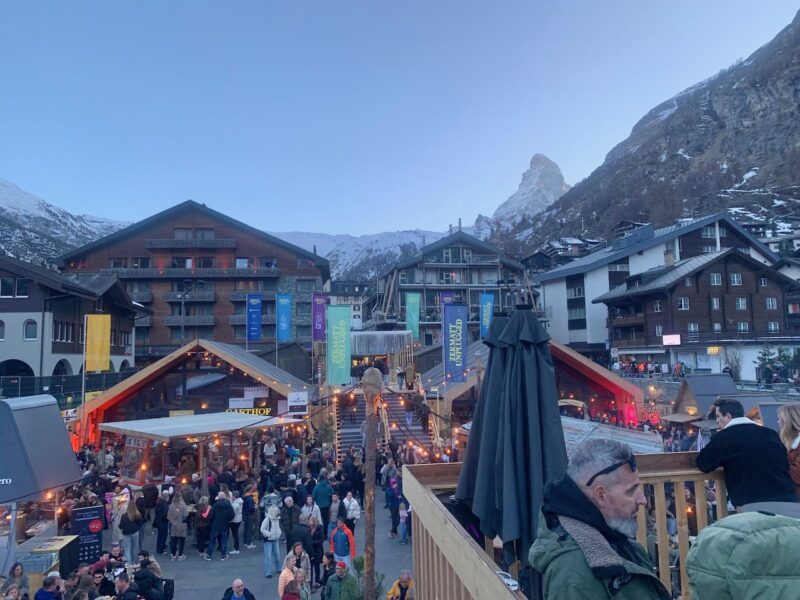
- Zermatt Unplugged: Currently taking place, offering acoustic performances against the backdrop of the Matterhorn.
Resort officials note that the atmosphere in late April is distinct from the high-pressure weeks of February. With the "demob-happy" attitude of season workers and the transition to warmer spring temperatures, the resorts offer a more relaxed environment. This makes April an ideal time for beginners; the snow is softer and more forgiving, the crowds are thinner, and the sunnier weather is more conducive to the learning process.
Implications for the Future of Winter Tourism
The 2026 spring surge highlights a growing divide in the ski industry. As climate change makes lower-altitude resorts increasingly unreliable, the market is concentrating around high-altitude hubs like Val Thorens and Tignes, which have the infrastructure to stay open until the first weekend of May.
For tour operators, the success of the all-inclusive model this season suggests a long-term shift in the UK market. The "catered chalet" model, once the backbone of the British ski industry, is being squeezed by the efficiency and price-certainty of larger all-inclusive hotel operations.
As the 2025/2026 season draws to a close, the data suggests that while the appetite for skiing remains resilient, the "blank check" era of alpine travel is over. Consumers are now demanding a more structured financial experience, ensuring that the thrill of the descent is not overshadowed by the anxiety of the final bill. With resorts enjoying some of the best late-season snow in recent memory, those who have opted for the all-inclusive route are finding themselves the beneficiaries of a rare alignment of natural abundance and financial foresight.

