
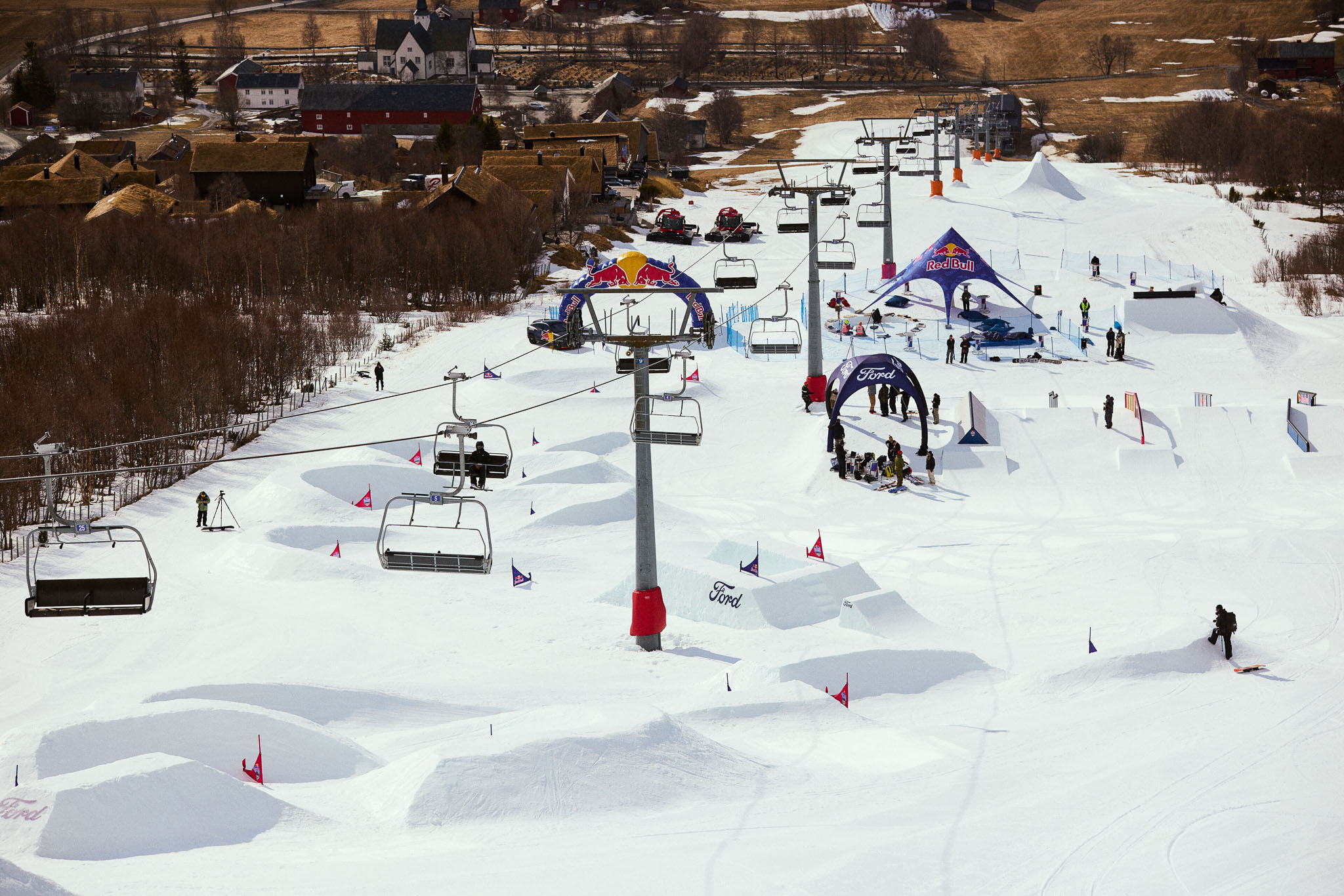
The inaugural Red Bull Features Cup, a groundbreaking event designed to redefine competitive snowboarding through team dynamics, creative challenges, and multi-disciplinary zones, concluded with a dramatic and unprecedented three-way tie, ultimately broken in a sudden-death hip session that saw Team Asia-Pacific emerge victorious. Held on a meticulously crafted course that blended traditional elements with innovative obstacles, the event brought together 12 of the world’s most versatile riders, divided into three regional teams: Europe, North America, and Asia-Pacific. The unique format, emphasizing collaboration, strategic planning, and adaptive skill sets over individual glory, delivered a spectacle that has already set a new benchmark for the sport.
The Genesis of Innovation: Red Bull Features Cup Unveiled
The Red Bull Features Cup was conceived as a deliberate departure from conventional snowboarding contests, which often prioritize individual amplitude or technical difficulty within single disciplines. Recognizing a growing desire among athletes and fans for a more holistic and collaborative competition model, Red Bull set out to create an event that celebrated the full spectrum of snowboarding talent. The core philosophy revolved around fostering a "session" vibe – one where riders push each other creatively in a supportive environment, rather than being solely driven by head-to-head elimination. This vision aimed to highlight the artistry and camaraderie inherent in snowboarding culture, while still maintaining a competitive edge through strategic team play and adaptive challenges. The event’s structure, featuring four distinct zones and the innovative "Mischief Multiplier," was a testament to this ambitious goal, pushing riders to think beyond their individual specialties and contribute to a collective effort.
Assembling the Global Contenders: Teams and Their Strengths
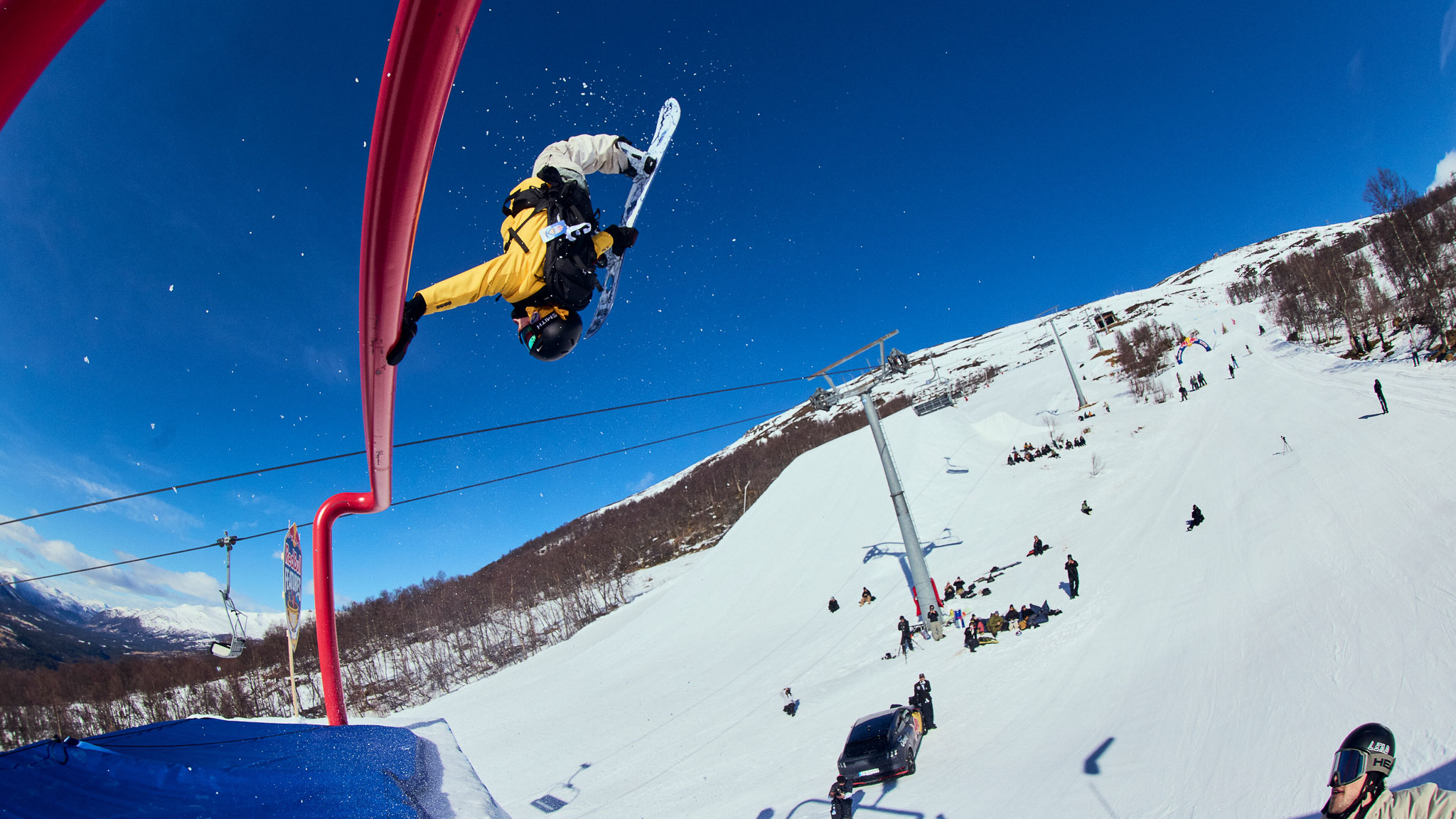
The three competing teams each brought a formidable blend of experience, specialized skills, and raw talent to the course, representing the pinnacle of regional snowboarding prowess.
- Team Europe was a powerhouse of technical precision and big-mountain experience, anchored by the legendary Marcus Kleveland, renowned for his unparalleled air control and innovative tricks. He was joined by Fridtjof Tischendorf, affectionately known as "Fridge," a versatile rider celebrated for his effortless style and adaptability across all features. Isak Ulstein added further depth with his all-around park proficiency, while Celia Petrig provided a strong female presence, known for her powerful riding and creative lines. Their collective strength lay in their ability to execute complex maneuvers with consistency and flair, a hallmark of European snowboarding.
- Team North America presented a dynamic roster known for its street-style influence and a deep bench of technical rail specialists. Luke Winkelmann, a burgeoning star, led the charge with his smooth style and fearless approach to challenging features. Denver Orr brought a reputation for innovative rail work and precise execution. Egan Wint and Lane Weaver rounded out the team, contributing their strong park skills and a knack for adapting to varied terrain. North America’s strategy often leaned into their technical prowess and fearless approach to creative challenges.
- Team Asia-Pacific arrived as a compelling mix of seasoned veterans and rising talents, characterized by their fluid style and exceptional board control. Cool Wakushima, a formidable presence, showcased incredible versatility and amplitude. Zephyr Lovelock, known for his unique approach and effortless flow, consistently found creative lines where others saw obstacles. Rocco Jamieson contributed a solid foundation of technical skills, while Miyabi Onitsuka, a highly decorated rider, brought a wealth of competitive experience and a strong command of air tricks. Their collective strength was their ability to combine grace with power, often finding elegant solutions to complex challenges.
Navigating the Multi-Zone Gauntlet: A Chronological Breakdown
The competition unfolded across four meticulously designed zones, each demanding a distinct skillset and strategic approach. Points were allocated on a 5-3-1 basis per zone, with the added layer of "Mischief Multiplier" challenges, which offered bonus points for creative risks and on-the-fly adaptations, keeping teams on their toes and spectators engaged.
Zone 1: The Banked Slalom – Speed, Strategy, and the Unexpected
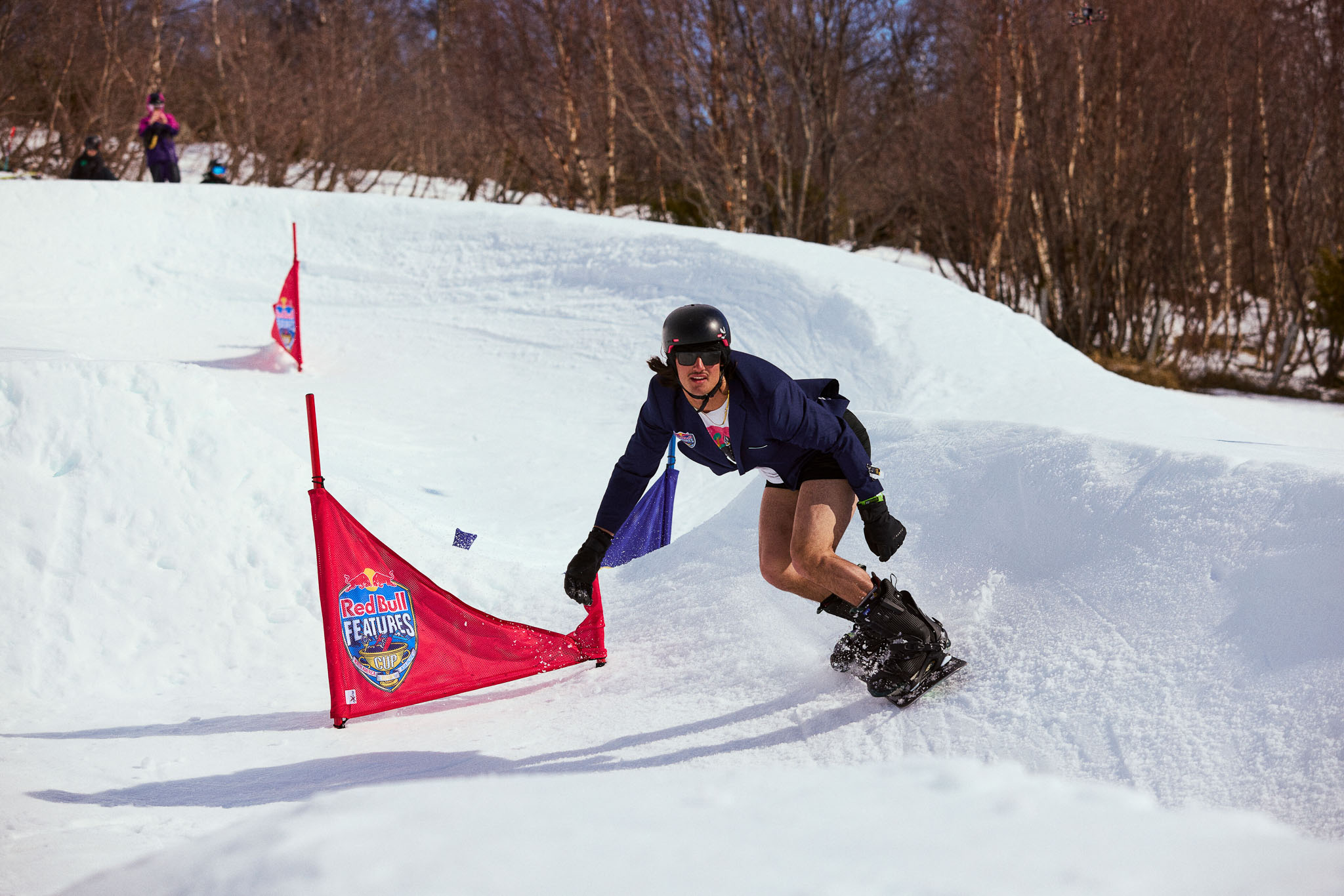
The Red Bull Features Cup kicked off with the banked slalom, a discipline that tested not only raw speed but also precision and adaptability. Teams faced two cumulative runs, with a twist: one run on standard competition boards and another on nimble mini boards. This innovative format immediately introduced an element of unpredictability, requiring riders to adjust their technique and line choices significantly. Penalties for missed gates enforced strict control, while bonuses for creative risk-taking, such as mid-course flips, encouraged audacious maneuvers. North America’s Luke Winkelmann set an impressive pace on his standard board, demonstrating the team’s exceptional speed and carving ability. However, the unique format, coupled with strategic penalties and bonuses, ensured that the standings remained incredibly tight, with no single team establishing an early dominant lead. The mini-board run, in particular, proved to be a great equalizer, forcing even the most seasoned riders to adapt to a vastly different feel underfoot, often leading to unexpected outcomes and highlighting the riders’ fundamental board control.
Zone 2: The Rail Jam – Technicality Meets Randomization
Following the high-speed intensity of the banked slalom, the competition moved to the rail jam, a zone where technical skill and creative improvisation truly shone. This session began as a traditional open jam, allowing riders to showcase their signature rail tricks and combinations. However, the "Mischief Multiplier" quickly came into play with the introduction of a spin wheel randomizer. This innovative element dictated specific tricks, features, or combinations that riders had to incorporate into their runs on the fly, transforming the session into a high-pressure test of rapid adaptation. North America, known for its deep technical rail depth, leveraged this zone as a clear strength, consistently delivering complex and stylish maneuvers. Their riders, including Denver Orr and Egan Wint, demonstrated exceptional command over the varied rail features. Europe’s Fridtjof "Fridge" Tischendorf also emerged as a standout, consistently landing creative and technically challenging tricks under both open and randomized conditions, solidifying his reputation as a master of improvisation and fluid execution. The randomizer element proved to be a crowd favorite, adding an exciting layer of unpredictability and showcasing the riders’ ability to perform under pressure.
Zone 3: The Quarterpipe – Amplitude, Coordination, and Air Awareness
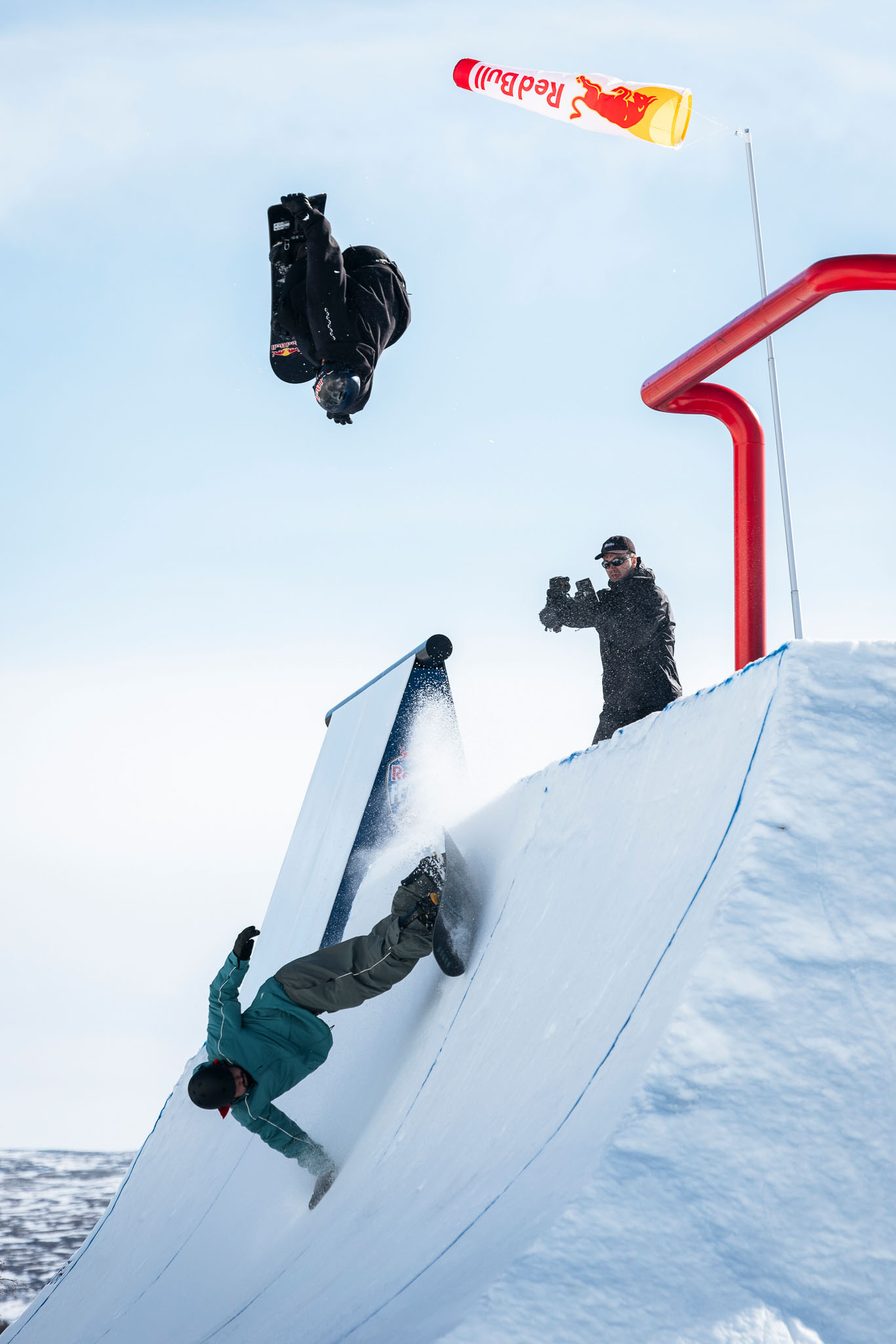
The third zone shifted focus dramatically to the quarterpipe, emphasizing amplitude, air awareness, and crucially, team coordination. The quarterpipe featured additional elements like a wall ride and a hitching post, expanding the creative possibilities for riders. A highlight of this zone was the bonus points awarded for synchronized "doubles" runs, where one rider executed a lower hit on the coping while a teammate aired directly over them. This complex maneuver demanded impeccable timing, trust, and communication between teammates. In a testament to the collaborative spirit of the Red Bull Features Cup, all three teams successfully pulled off these synchronized doubles, generating an electric atmosphere and showcasing the event’s unique emphasis on collective achievement. Tischendorf once again anchored Europe’s performance with his consistent amplitude and clean grabs. Asia-Pacific, despite displaying strong individual air awareness across its roster, fell just short in the zone standings, indicating the tight margins of competition and the challenge of perfectly coordinating such intricate team maneuvers.
Zone 4: The Jump Session – Controlled Progression and Stylistic Execution
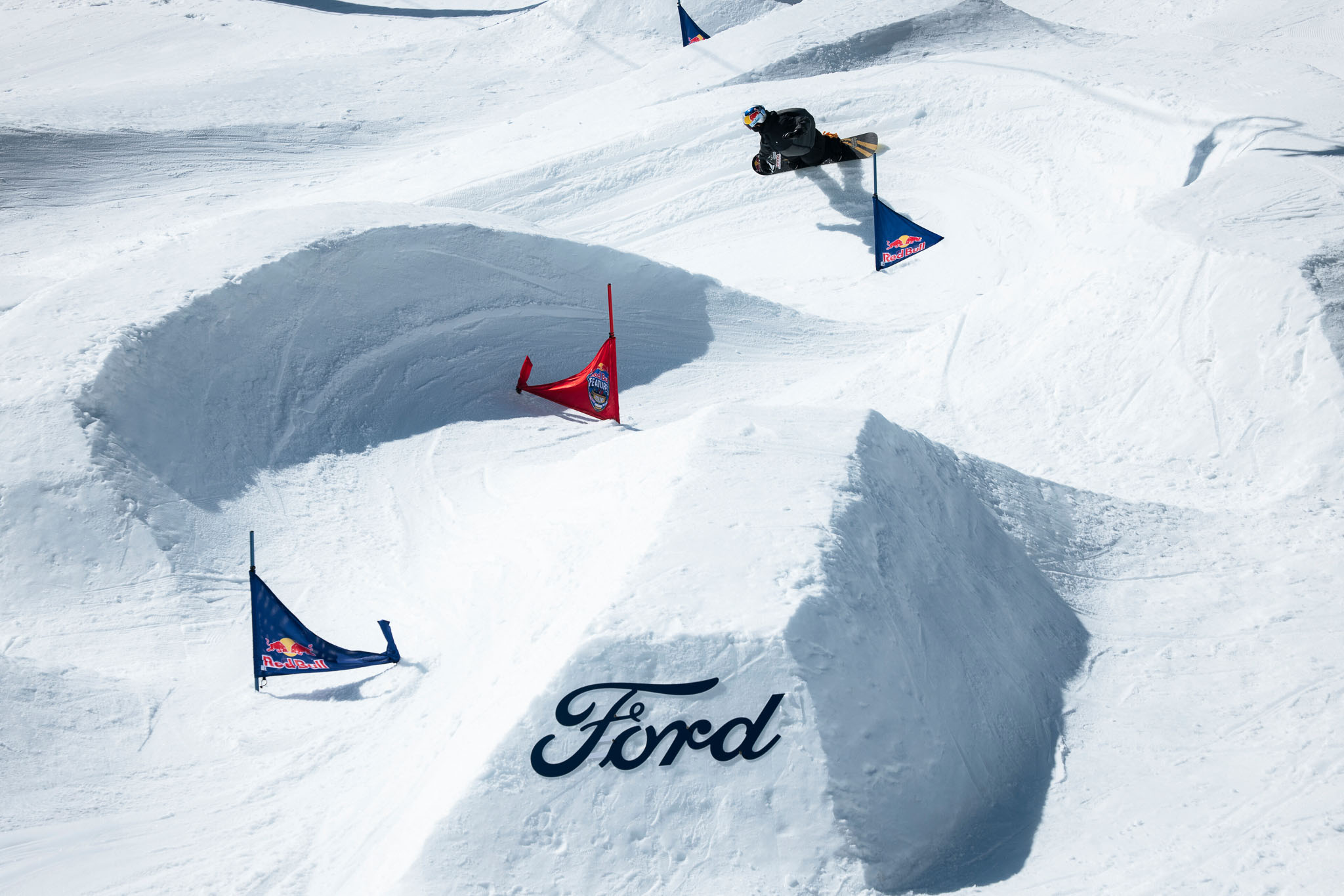
The final individual zone was the jump session, which offered a refreshing departure from the conventional "biggest trick wins" mentality. This unique progression format required each rider to build from 180s up to a maximum of 900-degree rotations. This cap on rotation levels strategically shifted the focus away from sheer difficulty and toward impeccable execution, style, and consistency. Teams had to carefully plan their trick selection, ensuring riders demonstrated control and fluidity at each progression step. This format created a session unlike anything typically seen in traditional competitions, rewarding nuanced riding and flawless landings. Europe, led by the incomparable Marcus Kleveland, came into this zone as a known powerhouse, with Kleveland’s reputation for clean, stylish airs preceding him. True to form, the European team delivered a strong performance, but all three teams rose to the challenge, showcasing an impressive array of tricks executed with precision and flair, making for a tightly contested finale that kept the overall standings incredibly close.
The Unprecedented Climax: A Three-Way Tie
As the points from all four zones were tallied, the atmosphere in the arena became palpable. In a result that was both mathematically improbable and incredibly exciting, the event culminated in a rare three-way tie. Each team – Europe, North America, and Asia-Pacific – finished on an identical 12 points. Team Europe secured two zone wins, showcasing their dominance in specific disciplines. Asia-Pacific combined a crucial zone win with multiple second-place finishes, demonstrating consistent performance across the board. North America’s strength lay in its remarkable consistency, placing well in every zone and accumulating points steadily to remain level with their competitors. This extraordinary outcome underscored the incredibly balanced skill level across the field and highlighted the effectiveness of the Red Bull Features Cup’s multi-disciplinary format in testing comprehensive talent rather than singular specialization. The three-way deadlock forced an unplanned, sudden-death scenario, escalating the tension and excitement to an unprecedented level.
Sudden-Death Showdown: Asia-Pacific Claims Victory in Hip Session
With the competition deadlocked, event organizers swiftly announced a sudden-death hip session as the ultimate tie-breaker. This unplanned fifth zone presented a pure test of creativity, amplitude, and ability to perform under immense pressure. The hip, a classic snowboarding feature, allows for high airs, stylish grabs, and innovative lip tricks, demanding both power and finesse. Each team had to nominate a rider for a single, decisive run.
Team Asia-Pacific, riding on a wave of consistent performance and a collective surge of momentum, capitalized decisively in this high-stakes scenario. Their chosen rider delivered a flawless and impactful run, showcasing incredible air awareness and a unique stylistic approach that impressed the judges. The precision and confidence displayed by Asia-Pacific in this critical moment proved to be the difference, securing them the overall victory in what will be remembered as one of the most thrilling finishes in competitive snowboarding history.
Final Results:
1st Asia-Pacific
2nd North America
3rd Europe
Beyond the Podium: The Features Cup Ethos and Its Legacy
While the podium ceremony celebrated Asia-Pacific’s hard-fought victory, the defining takeaway from the inaugural Red Bull Features Cup transcended mere rankings. The event successfully fostered a "session-driven environment" where riders genuinely fed off each other’s energy. The camaraderie was evident throughout, with competitors cheering for opposing teams, collaborating on synchronized tricks, and pushing creative boundaries without the often-crippling pressure of a traditional, purely individualistic contest. This emphasis on fun, progression, and mutual support created an atmosphere that resonated deeply with both the athletes and the global snowboarding community watching.
Statements from event organizers reflected this sentiment, with one representative noting, "Our goal was to re-imagine competitive snowboarding, moving beyond pure technicality to celebrate creativity, teamwork, and the inherent joy of riding. To see such an incredible display of skill, camaraderie, and strategic depth culminating in a tie-breaker like that truly validated our vision." Riders, too, expressed their enthusiasm for the format. An inferred statement from a participant suggested, "It wasn’t just about winning points; it was about trying new things with your team, pushing each other to be more creative. The ‘Mischief Multiplier’ was awesome because it made you think on your feet, which is what real snowboarding is all about."
Implications for Snowboarding’s Future: A New Benchmark for Competition
The successful debut of the Red Bull Features Cup marks a significant moment for competitive snowboarding. It has unequivocally set a new benchmark, demonstrating that alternative formats can not only captivate audiences but also genuinely enrich the sport. The event showcased that:
- Creativity Leads: By incorporating elements like the "Mischief Multiplier" and capping jump rotations, the Features Cup redirected focus from pure difficulty to innovative expression and execution.
- Teamwork Matters: The team-based structure fostered collaboration, strategic planning, and a supportive environment, adding a compelling new layer of narrative and engagement often missing in individual sports.
- Fun Remains at the Core: The pervasive "session" vibe and genuine camaraderie among competitors underscored that high-level competition doesn’t need to sacrifice the fundamental joy and spirit of snowboarding.
The Red Bull Features Cup has opened a dialogue about the future trajectory of competitive snowboarding. Its success suggests a potential shift towards more diverse formats that emphasize multi-disciplinary skills, strategic thinking, and the collective spirit of the sport. It challenges traditional scoring models and invites further experimentation with event design, potentially leading to a richer, more engaging spectator experience and a more fulfilling competitive landscape for athletes. The event has proven that innovation, when rooted in the culture and values of the sport, can indeed elevate it to new heights, ensuring that competitive snowboarding remains dynamic, relevant, and above all, exciting.

