
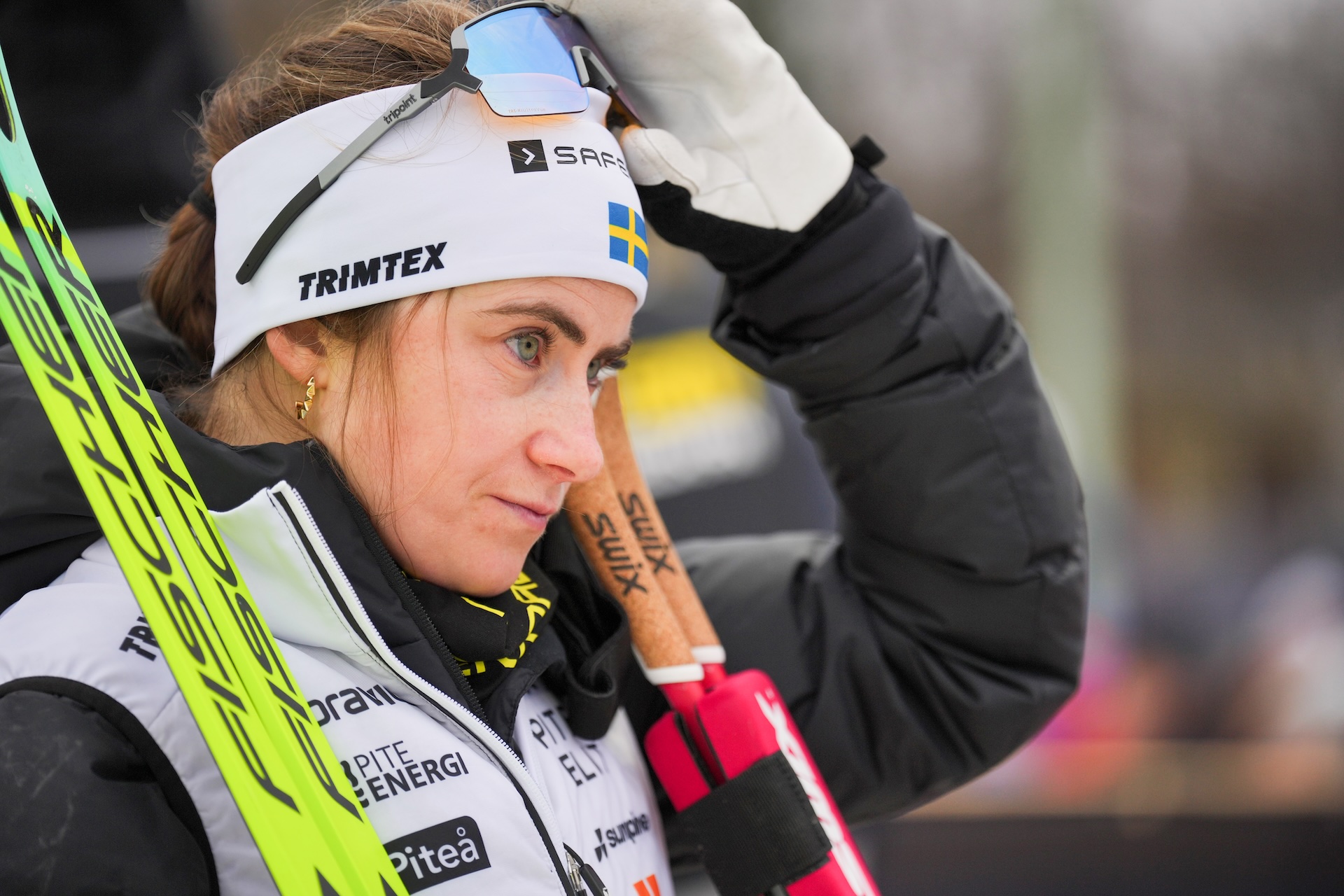
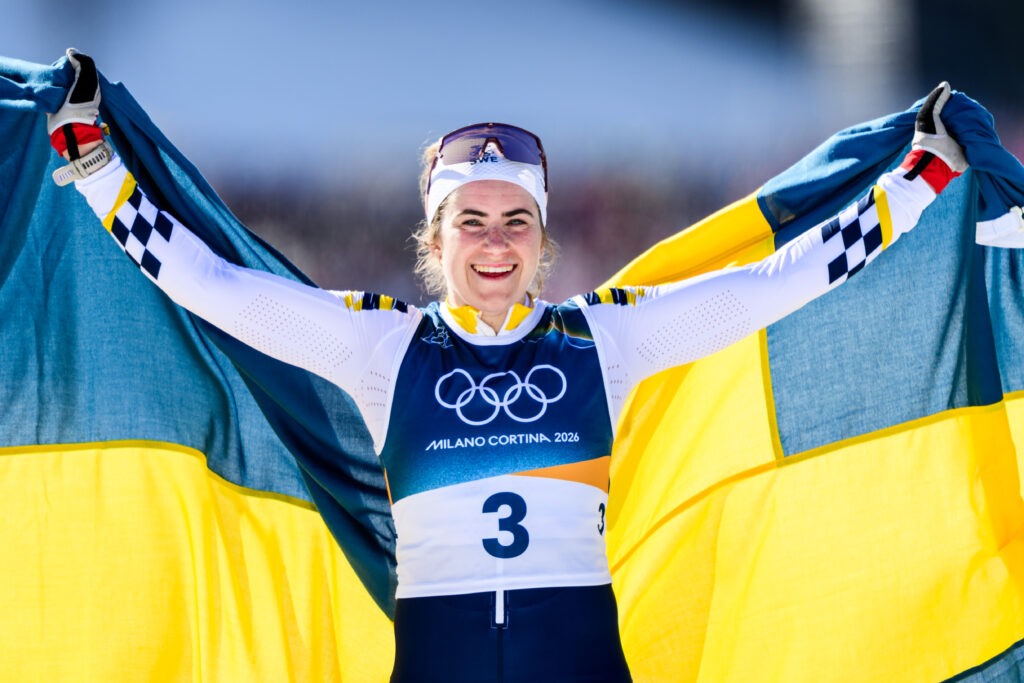
The roar of the crowd, the blinding flash of cameras, the weight of an Olympic medal – these are the images that define Ebba Andersson’s pinnacle of athletic achievement. Her gold medal in the grueling 50-kilometer cross-country ski race at the recent Olympic Games stands as a testament to her extraordinary talent and resilience. Yet, behind the triumphant facade, a far more arduous battle has been waged, a silent war against persistent injuries that has dictated the trajectory of her entire season. Now, as the competitive calendar draws to a close, Andersson has chosen to break her silence, shedding light on the harrowing ordeal she endured and revealing a surprising apprehension about the approaching spring.
The Swedish ski star, speaking ahead of the final competition weekend of the season, painted a candid picture of a season that has been a complex tapestry of highs and lows, predominantly woven by the disruptive thread of injuries. Her narrative offers a rare glimpse into the mental and physical fortitude required to perform at the elite level, especially when plagued by recurring physical ailments.
"Before the season opening, it was absolutely terrible," Andersson confessed to Expressen, her voice tinged with the lingering echoes of her struggles. This stark admission sets the stage for a season that, while culminating in an iconic Olympic victory, was fraught with significant challenges from its very inception.
The initial phase of the season, preceding the Olympic spotlight, presented a mixed bag of results, a reflection of the underlying physical insecurities. Andersson secured consistent top-five finishes in the World Cup circuit, placing fourth, fifth, third, and first in the four races held before the Christmas break. She also achieved a respectable fourth-place finish in the demanding Tour de Ski. However, following this initial flurry of competition, a significant hiatus preceded her Olympic campaign, a period undoubtedly shaped by ongoing rehabilitation and strategic management of her physical condition.
The Winter Olympics in Val di Fiemme proved to be a true test of character, a dramatic rollercoaster ride for Andersson. The initial days saw her secure two silver medals, both times finishing behind her compatriot Frida Karlsson. The narrative then took a sharp, almost cruel, turn during the crucial relay event. Andersson, tasked with anchoring the Swedish team, started in a commanding leading position. However, a series of unfortunate events, including two falls and a lost ski, led to a dramatic drop in her performance. The images of her struggle, a moment of undeniable vulnerability, quickly went viral, transforming into a widely discussed meme across the globe. The emotional toll of this public setback was immense. "After I had dried my tears, I had a reckoning with myself," Andersson recalled. "I thought, ‘No, I can’t be that bad downhill.’"
This internal dialogue, this moment of self-doubt met with fierce determination, marked a pivotal turning point. It was in the wake of this profound disappointment that Andersson found the inner strength to reassert her dominance. She rallied, channeling her frustration and renewed resolve into her final Olympic event: the 50-kilometer freestyle race. What followed was nothing short of spectacular. Andersson delivered one of the most dominant performances in Olympic history, clinching the gold medal by an astonishing margin. This victory, hard-won and deeply personal, not only salvaged her Olympic campaign but cemented her legacy as a champion capable of overcoming immense adversity.
The Championship as a Lifeline
Despite the glittering triumph of her Olympic gold, Andersson remains acutely aware of the season’s broader narrative. "But the time before and after the Olympics has mostly been a struggle. Had it not been for the Olympics, I would be sitting here and be quite dissatisfied," she admitted. This statement underscores the extent to which the Olympic success served as a crucial redemption arc for a season that had been largely overshadowed by her ongoing physical battles.
The persistent shadow of injury loomed large. The knee problems that have plagued her resurfaced with significant intensity just prior to the season’s opening in November. "I can actually say that before the season start in Gällivare, it was a complete crisis. I thought: ‘Will I even be able to compete this season?’ I struggled greatly with stability downhill and with maintaining balance in the turns and being fast enough with my legs," Andersson revealed, painting a vivid picture of her pre-season anxieties.
"Who Are You Really Trying to Fool?"
Andersson’s discomfort and uncertainty were palpable, yet she made a conscious decision to keep her struggles largely private. "One has learned how the media works. If you give them a little thing, it quickly becomes a big issue. I didn’t want to spend energy on that," she explained, citing a strategic approach to managing public perception and conserving her mental resources.
However, the pervasive nature of her injury meant that this silence was a constant internal negotiation. The physical limitations were a daily reality that she had to confront, even while presenting a composed exterior. "Yes. You manage to believe that everything is fine, and then… who are you really trying to fool?" she mused, highlighting the internal disconnect between her outward appearance and her inner physical state.
Paradoxically, Andersson also believes that these persistent challenges have inadvertently honed her ability to cope with setbacks and adapt her training regimes. "It might actually have made the results better in the end than if everything had gone perfectly from the start. But it has been frustrating to work your way up, have a little upswing, and then be knocked down again," she reflected. This perspective offers a nuanced understanding of how adversity can forge resilience and adaptability, even if the process is intensely demanding.
The challenges did not cease with the Olympic Games. Following the pinnacle event of her season, Andersson was once again compelled to withdraw from significant World Cup races due to her persistent knee issues. This recurring need to step back served as a stark reminder of the fragility of her physical condition and the ongoing nature of her battle.
A Looming Spring of Apprehension
As the current season draws to a close, with the Swedish Championships in Idre serving as her final competitions before the spring break, Andersson finds herself facing a different kind of challenge: the transition into the off-season. This period, which for many athletes signifies rest and recovery, holds a unique source of anxiety for her.
"That’s when you suddenly aren’t a top athlete anymore… and it has been challenging in previous years. The rest of the year, life is dictated by training. But when that disappears – what do you want to do then?" she pondered, revealing a deeper concern about the shift in her identity and daily structure when the rigorous demands of professional skiing are temporarily lifted. This introspection points to the profound impact that sport has on an athlete’s sense of purpose and routine, and the potential void that can emerge during periods of transition.
The Swedish Championships in Idre are set to feature a comprehensive schedule, commencing with sprint relays on Friday, followed by long-distance races on Saturday, and culminating in the men’s and women’s 30-kilometer and 50-kilometer events on Sunday, respectively. These races will mark the end of a season defined by an extraordinary triumph forged through immense personal struggle.
A Lifelong Battle with Knee Injuries
Andersson’s knee issues are not a recent development; they have been a significant factor in her life for nearly a decade. The problems first surfaced in 2014 when she dislocated her right knee during a running excursion. This initial injury marked the beginning of a long and complex relationship with her knee health.
In 2016, the situation escalated when loose cartilage fragments in her right knee forced her to prematurely end her season. She underwent two surgical procedures in an attempt to address the damage. The setbacks continued. In 2019, a fall during a running session aggravated her right knee, necessitating a delay in her season’s commencement. The following year, in 2022, her left knee dislocated during a gym workout, adding another layer of complexity to her injury profile. Most recently, in the summer of 2023, a fall resulted in a minor meniscus tear, significantly impacting her training regimen during the crucial build-up to the Olympic Games.
This extensive history of knee-related injuries provides crucial context for understanding the magnitude of her achievements this season. Each victory, each podium finish, has been attained not just through exceptional physical conditioning but through a remarkable capacity to manage and work around persistent pain and instability.
The journey of Ebba Andersson this season is a powerful narrative of human resilience. Her Olympic gold medal is not merely a symbol of athletic prowess, but a testament to her unwavering spirit in the face of relentless physical adversity. As she navigates the closing stages of this demanding season and contemplates the uncertain terrain of the off-season, her candor offers valuable insights into the often-invisible struggles of elite athletes and the profound personal strength required to achieve greatness. The broader implications of her experience extend beyond the realm of sport, highlighting the importance of mental fortitude, strategic self-management, and the often-unseen battles that shape individual journeys toward success. Her story serves as a potent reminder that behind every celebrated victory often lies a deeply personal and arduous fight for triumph.

