
As the typical ski season draws to a close across North America, a handful of Michigan’s ski resorts are defying the trend by extending their operations well into May, a testament to an unusually mild spring and dedicated snowmaking and grooming efforts. While the vast majority of the state’s approximately 44 operating ski areas have ceased operations for the year, four key destinations are keeping their lifts turning, offering late-season skiing and snowboarding to enthusiasts. This extension is particularly notable given the widespread closure of resorts in other regions, highlighting the unique microclimates and operational strategies employed by these Michigan venues.
Late-Season Skiing: A Michigan Anomaly
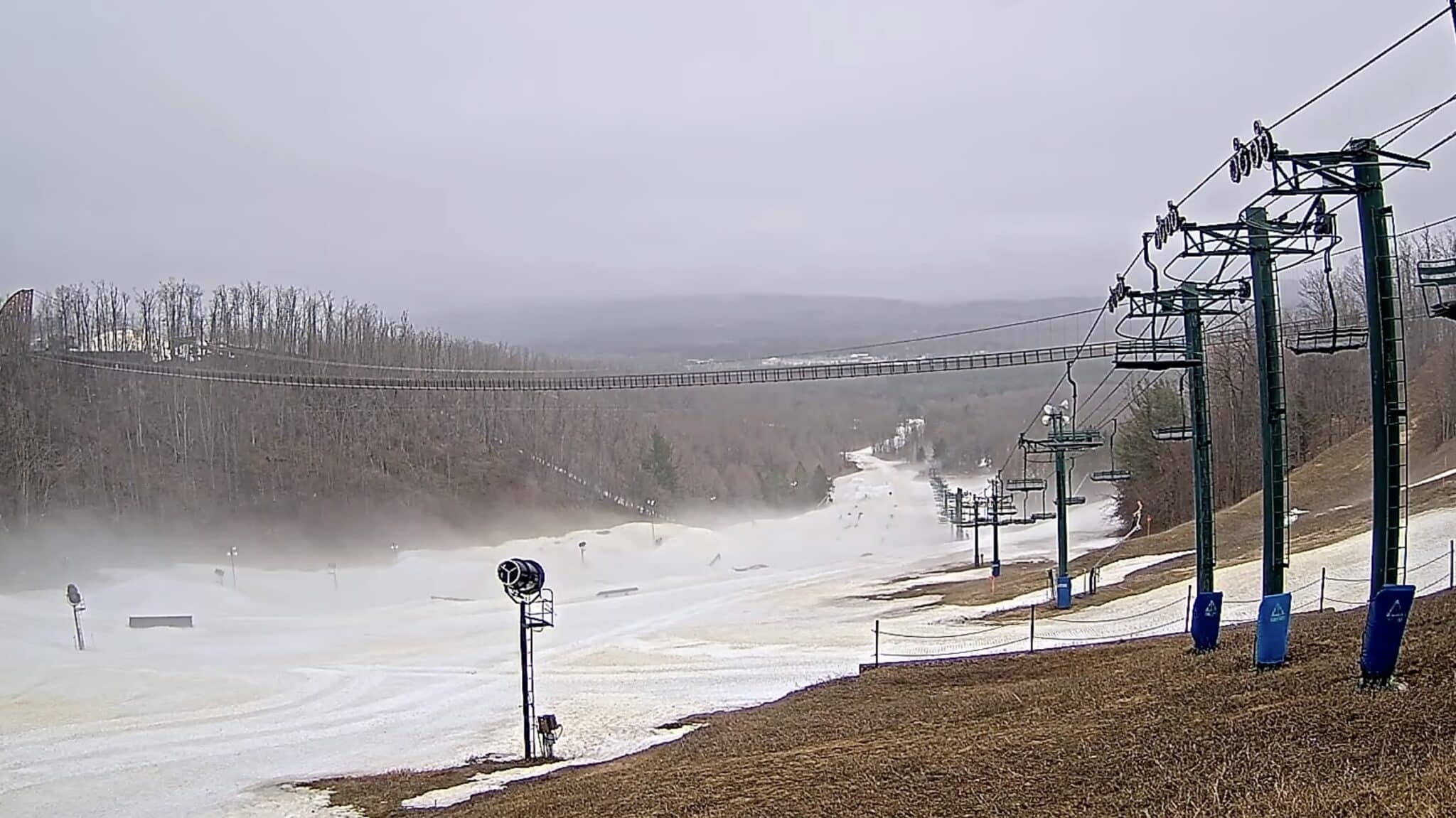
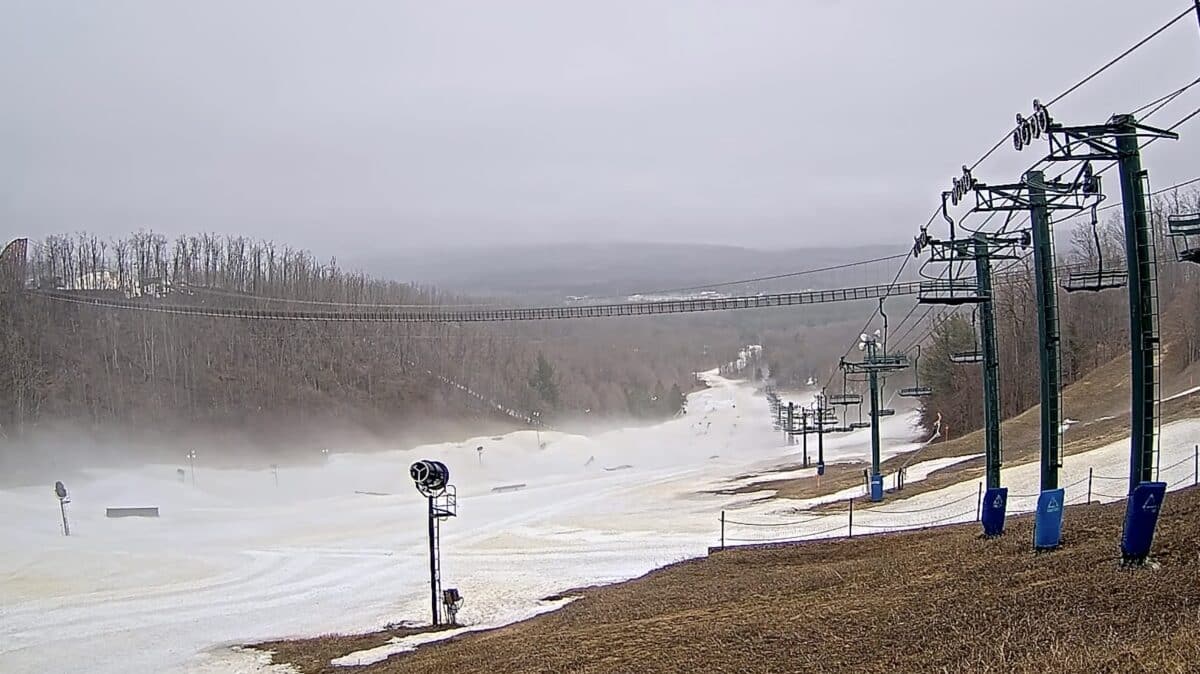
The decision by these resorts to prolong their season is not merely a matter of chance but a strategic move to capitalize on lingering snowpack and continued interest from skiers and snowboarders. This phenomenon is becoming increasingly common in certain latitudes where weather patterns allow for extended periods of cold temperatures, even as spring officially arrives. The image accompanying this report, taken at Boyne Mountain on April 15th, depicts a landscape still capable of supporting winter sports, a visual indicator of the conditions enabling these extended seasons.
A Look at the Remaining Open Resorts
Several Michigan ski areas are pushing their operational limits to accommodate the late-season demand. These resorts are not only benefiting from favorable weather but also from their commitment to maintaining optimal conditions.
-
Boyne Mountain: This popular destination, known for its extensive terrain and amenities, has demonstrated resilience in keeping its slopes open. While it closes for weekday operations, it strategically reopens on April 18th, with a definitive closing date yet to be announced. This approach allows for focused grooming and snow management during the week, ensuring prime conditions for weekend visitors. The resort’s capacity to sustain snow cover through April is a significant achievement, often requiring advanced snowmaking technology and meticulous grooming.
-
Mount Bohemia: Located in the Upper Peninsula, Mount Bohemia is renowned for its challenging terrain and authentic, rustic ski experience. This resort is set to remain open on weekends through Mother’s Day, which falls on May 10th. This extended schedule is a significant draw for those seeking a more adventurous late-season ski. Mount Bohemia’s commitment to staying open often relies on its naturally abundant snowfall and its strategic location, which can experience cooler temperatures for longer periods.
-
Norway Mountain: Another Upper Peninsula gem, Norway Mountain is opting for a weekend-only operational model as it approaches its closing date, which is yet to be determined. This strategy allows the resort to concentrate resources and staffing on peak days, ensuring a quality experience for patrons while managing operational costs during the shoulder season.
-
Ski Brule: This resort is also maintaining a weekend-only schedule, with its closing date still pending. Ski Brule’s decision to remain open on Saturdays and Sundays signifies a strong belief in the continued demand for skiing and snowboarding in the region, even as other areas wind down.
Factors Contributing to Extended Seasons
The ability of these Michigan ski resorts to remain open into May is a confluence of several key factors:
Favorable Weather Patterns
The current season has been marked by a series of weather events that have provided consistent, albeit variable, snowfall and below-average temperatures for extended periods. While precise meteorological data for the entirety of the spring is not detailed here, the visual evidence and operational decisions of the resorts suggest a conducive climate. Typically, spring in Michigan can bring dramatic temperature swings, but an extended period of colder nights and occasional snow events can preserve the snowpack significantly.
Advanced Snowmaking and Grooming Technology
Modern ski resorts invest heavily in snowmaking and grooming technologies. Resorts like Boyne Mountain, in particular, are known for their sophisticated snowmaking systems that can produce snow at temperatures slightly above freezing. This allows them to supplement natural snowfall and maintain a consistent base even during warmer spells. Advanced grooming equipment is crucial for preserving the quality of the snow surface, transforming icy patches into smooth corduroy, making the slopes enjoyable for a wider range of skiers.
Strategic Operational Planning
The resorts that extend their seasons often employ highly strategic operational planning. This includes:
- Phased Closures: Instead of a single, abrupt closure, resorts may gradually reduce operating days and hours, focusing on weekends or specific terrain. This allows for a more controlled wind-down and minimizes staff and operational disruptions.
- Targeted Snow Preservation: Resorts may focus their efforts on preserving snow on specific, high-traffic runs or slopes that are easier to maintain. This ensures that there is still a worthwhile experience for visitors, even if the entire mountain isn’t fully open.
- Marketing and Promotions: Extended season offers are often accompanied by special pricing, events, and targeted marketing campaigns to attract skiers and snowboarders who might otherwise have put their equipment away.
Background and Context: The Michigan Ski Landscape
Michigan’s ski industry is a significant contributor to its winter tourism economy. The state features a diverse range of ski areas, from large destination resorts to smaller, community-focused hills. Historically, the ski season in Michigan typically runs from late November or early December through March or early April. However, variations in snowfall and temperature from year to year can significantly impact the length of the season.
The trend of extending seasons is not unique to Michigan but is observed in ski areas across North America that are geographically positioned to benefit from late-season cold snaps. These areas often have a dedicated customer base willing to travel for the opportunity to ski when other resorts have already closed. The sustainability of such extensions, however, is always subject to the whims of Mother Nature and the economic viability of operating during what is traditionally considered the off-season.
Broader Implications and Analysis
The decision by these Michigan ski resorts to extend their operating seasons carries several implications:
- Economic Impact: For the local economies surrounding these resorts, extended operations mean continued revenue streams from lodging, dining, and retail, as well as sustained employment for seasonal staff. This can be particularly important in areas that rely heavily on winter tourism.
- Consumer Demand: The continued operation signals a persistent demand for winter sports activities beyond the traditional season. This suggests a growing segment of skiers and snowboarders who are willing to seek out opportunities later in the spring, potentially driven by a desire for fewer crowds or a different kind of spring skiing experience.
- Climate Change Adaptation: While this year’s extension may be due to favorable weather, the broader context of climate change raises questions about the long-term viability of traditional ski seasons. Resorts that can adapt by investing in snowmaking, diversifying their offerings (e.g., summer activities), and implementing flexible operational models are likely to be more resilient in the future. The success of these late-season operations could serve as a model for other resorts facing similar challenges.
- Operational Efficiency: The resorts staying open are likely to be those with the most efficient operational models, capable of managing costs effectively during lower-demand periods. This might involve utilizing existing staff creatively, optimizing energy consumption for snowmaking, and focusing on high-yield weekend operations.
Looking Ahead
The extended ski seasons at Boyne Mountain, Mount Bohemia, Norway Mountain, and Ski Brule underscore the dynamic nature of the winter sports industry. As these resorts continue to assess conditions, their final closing dates will be closely watched by enthusiasts eager for one last run. The success of these late-season operations not only provides a welcome opportunity for skiers and snowboarders but also offers valuable insights into operational resilience and market adaptability within the evolving landscape of winter recreation. The ability to extend the season is a testament to both the natural advantages of their locations and the strategic investments and planning undertaken by their management teams.

