
Riparian areas, which constitute a mere 2% of Arizona’s vast and arid landscape, play an outsized role in the state’s ecological health, supporting an astonishing 80% of its wildlife at some point in their life cycles. As water resources across the American Southwest face escalating pressure due to climate change and increased demand, conservationists are raising urgent concerns about the implications of dwindling wetland habitats for migratory birds and the millions of people who depend on the same vital waterways. This intricate ecological balance, crucial for both biodiversity and human sustenance, is becoming increasingly precarious.
The Paradox of Urban Oases: Restoration Amidst Aridity
Remarkably, the very heart of the burgeoning Phoenix metropolitan area showcases both the challenges and the inspiring potential for wetland preservation and restoration. The Rio Salado Audubon Center, situated in downtown Phoenix, stands as a testament to transformative change. Just three decades ago, the land it now occupies was a site for waste disposal. Through a concerted effort involving community partnerships and dedicated habitat restoration initiatives, this area has been revitalized into a verdant riparian corridor, a surprising pocket of lushness in the midst of a desert metropolis. This success story highlights the possibility of creating vital ecological havens even in the most challenging environments.
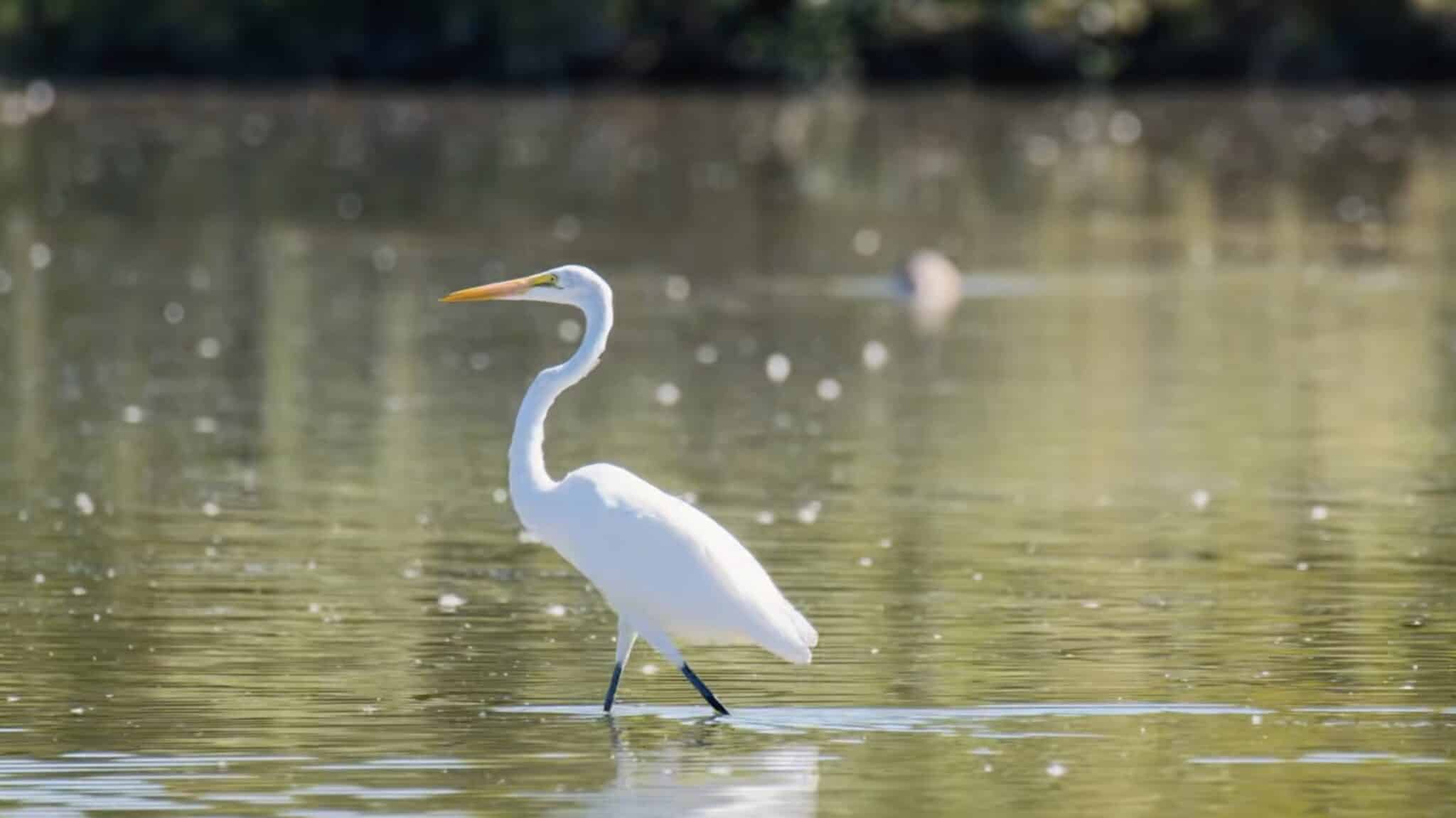
Similarly, the Gilbert Riparian Preserve at Water Ranch in Gilbert, Arizona, exemplifies a dual-purpose approach to water management and conservation. This expansive 110-acre nature preserve functions not only as a sanctuary for wildlife but also as a crucial water recharge facility. Its seven meticulously managed ponds are continuously replenished with treated wastewater, a process that not only supports a thriving ecosystem for a diverse array of bird species but also plays a critical role in replenishing the region’s precious groundwater reserves. This integrated approach demonstrates how essential urban infrastructure can be designed to coexist with and actively support ecological preservation.
Tracking the Avian Travelers: Technology Meets Conservation
To better understand and protect the migratory routes of these essential avian populations, a coordinated, state-wide effort is underway to track their movements. Researchers are employing cutting-edge technology to identify critical "weak links" along these vital migration pathways. A significant advancement in this area is the establishment of the first urban Motus Wildlife Tracking Network station in Arizona, recently installed in the East Valley. The Motus system utilizes a network of strategically placed antennas to detect small radio tags affixed to birds. As these tagged birds fly within range of the antennas, their presence is recorded, providing invaluable data on their travel patterns, stopover points, and migratory corridors.
This extensive data, diligently managed by Birds Canada, is made publicly accessible, empowering conservationists, researchers, and land managers to make informed, on-the-ground conservation decisions. The network’s ability to pinpoint areas of particular importance or vulnerability for migratory species allows for targeted conservation efforts, ensuring that limited resources are directed where they can have the greatest impact. The insights gleaned from Motus are crucial for safeguarding these often-invisible journeys that connect distant ecosystems.
Water as the Nexus: Intertwined Fates of Wildlife and Humanity
The critical importance of Arizona’s wetlands extends far beyond the realm of ornithology and biodiversity. These vital water sources are the lifeblood for a significant human population and the state’s economy. Rivers such as the Colorado, Salt, and Verde rivers are indispensable, collectively sustaining approximately 4 million residents within the sprawling Phoenix metropolitan area. Furthermore, these waterways are fundamental to the agricultural sector, which is a cornerstone of the regional economy, and to various industrial operations that rely on a stable water supply.
Conservationists are increasingly vocal in their assertion that the fight to protect water resources and the fight to preserve natural habitats are inextricably linked. The health of the wetlands directly influences the availability and quality of water for human consumption, agriculture, and industry. Therefore, any degradation of these ecosystems poses a direct threat to the human communities that depend on them. This interconnectedness underscores the urgent need for integrated water management and conservation strategies that recognize the symbiotic relationship between ecological health and human well-being.
A Historical Perspective on Arid Land Water Management
The challenges faced by Arizona’s wetlands are deeply rooted in the state’s history of water development and its inherently arid climate. For decades, water has been a precious and often contentious resource, driving innovation in engineering and policy to harness and distribute limited supplies. Early 20th-century dam projects, such as the Roosevelt Dam on the Salt River, were monumental feats that enabled significant agricultural expansion and urban growth by storing and regulating water. These projects, while instrumental in the state’s development, also fundamentally altered natural river flows and the riparian ecosystems they sustained.
The post-World War II era saw continued growth and an increasing demand for water, leading to further development of water infrastructure and the expansion of water rights. This period also marked the beginning of increased awareness regarding the environmental consequences of such intensive water use. Environmental movements gained momentum, bringing to light the impact of human activities on natural habitats and wildlife.
The late 20th and early 21st centuries have been characterized by a growing recognition of the need for sustainable water management practices. Droughts, exacerbated by climate change, have become more frequent and severe, forcing a re-evaluation of water allocation and conservation strategies. This has led to initiatives focused on water conservation, water recycling, and the restoration of degraded riparian areas, as seen in the examples of the Rio Salado Audubon Center and the Gilbert Riparian Preserve. The establishment of the Motus Wildlife Tracking Network represents a contemporary approach to understanding and addressing the complexities of migratory bird conservation in this evolving landscape.
The Ecological Significance of Riparian Zones
Riparian zones, the vegetated areas adjacent to rivers and streams, are ecologically vital for several key reasons:
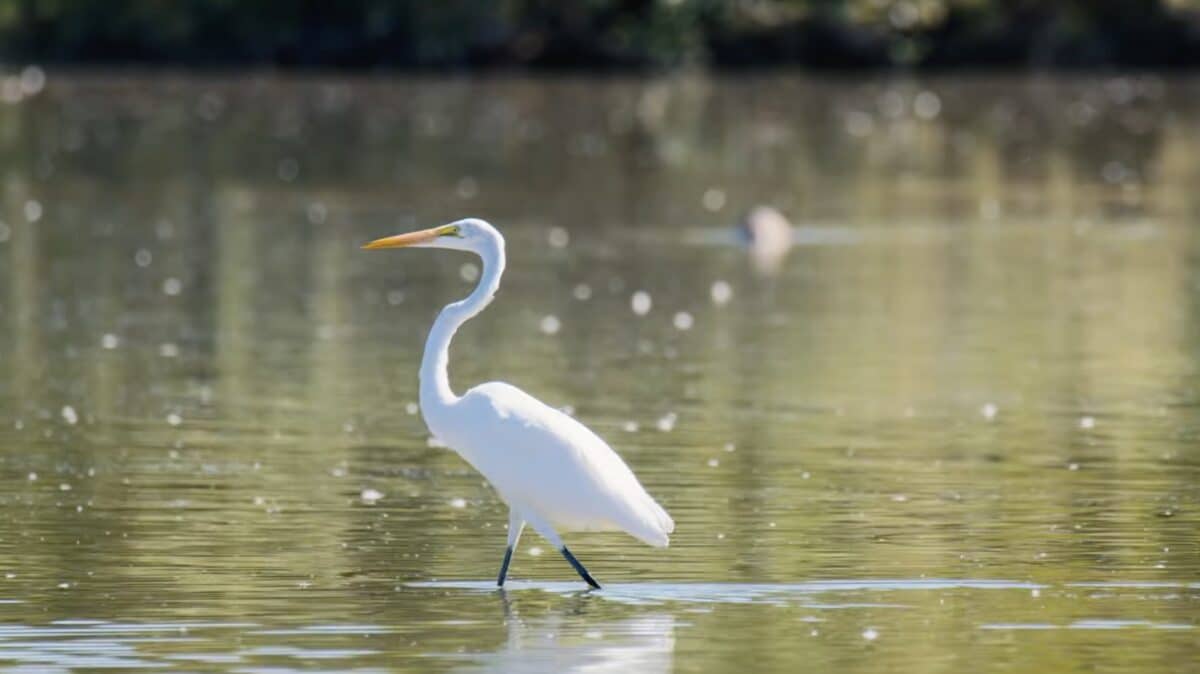
- Biodiversity Hotspots: Despite their small geographic footprint, these areas support a disproportionately high number of plant and animal species. They provide essential food, water, and shelter for a wide range of wildlife, including insects, amphibians, reptiles, mammals, and, critically, birds.
- Water Quality Improvement: The vegetation within riparian zones acts as a natural filter, trapping sediments and pollutants before they enter waterways. This helps to maintain and improve water quality for both ecological and human use.
- Erosion Control: Plant roots bind the soil, preventing erosion along riverbanks and stream channels. This stability is crucial for maintaining the integrity of waterways and preventing sedimentation downstream.
- Floodplain Regulation: Riparian areas often serve as natural floodplains, absorbing excess water during periods of high flow. This helps to mitigate the impact of floods on downstream communities and infrastructure.
- Climate Regulation: The presence of water and vegetation in riparian areas can create localized microclimates, offering cooler temperatures and higher humidity, which can be critical for survival in arid regions.
Data-Driven Conservation and Future Implications
The data collected by initiatives like the Motus Wildlife Tracking Network is not merely academic; it has direct and profound implications for conservation policy and land management. By identifying critical stopover sites, migration corridors, and potential threats along these routes, conservation organizations and government agencies can prioritize areas for protection and restoration. For instance, if data reveals that a particular wetland area is a crucial refueling stop for a specific migratory bird species that is experiencing population decline, efforts can be focused on enhancing or protecting that habitat.
The analysis of this data can also inform urban planning and development. Understanding the ecological needs of migratory birds can help guide decisions about where and how development occurs, ensuring that vital habitats are not encroached upon or fragmented. This proactive approach is essential for preventing future ecological crises and for ensuring the long-term viability of bird populations.
The broader implications of wetland degradation in Arizona are significant. A decline in migratory bird populations can have cascading effects throughout the ecosystem, impacting insect populations (which many birds feed on) and pollination services. Furthermore, the loss of healthy riparian ecosystems can exacerbate water scarcity issues, as these areas play a role in maintaining water quality and groundwater recharge.
Official Responses and Collaborative Efforts
Government agencies and conservation organizations are actively engaged in addressing the challenges facing Arizona’s wetlands. The U.S. Fish and Wildlife Service, along with state agencies like the Arizona Game and Fish Department, plays a crucial role in developing and implementing conservation plans for migratory birds and their habitats. These agencies often collaborate with non-profit organizations such as Audubon Arizona, which actively works on habitat restoration projects and advocates for protective policies.
The success of projects like the Rio Salado Audubon Center and the Gilbert Riparian Preserve is often the result of strong partnerships between governmental bodies, private landowners, conservation groups, and local communities. These collaborations are essential for securing funding, coordinating efforts, and ensuring the long-term sustainability of conservation initiatives.
A Call for Integrated Action
The intricate connection between Arizona’s wetlands, migratory birds, and human populations necessitates a comprehensive and integrated approach to water and land management. As the pressures on water resources intensify, the preservation and restoration of these vital ecosystems become not just an environmental imperative but an economic and social necessity. The ongoing efforts to monitor migratory birds, restore degraded habitats, and manage water resources sustainably offer a roadmap for navigating these challenges. The future of Arizona’s unique biodiversity and the well-being of its human inhabitants are inextricably linked to the health and vitality of its precious wetland environments. Continued investment in research, collaborative conservation initiatives, and public awareness campaigns will be crucial in ensuring that these lifelines endure for generations to come.

