
The inaugural Red Bull Features Cup concluded in an electrifying display of snowboarding prowess and innovative competition, with Team Asia-Pacific emerging victorious after an unprecedented three-way tie forced a sudden-death hip session. The event, held on a meticulously crafted course designed to challenge riders across diverse disciplines, captivated audiences with its unique blend of individual brilliance, strategic teamwork, and spontaneous creativity, redefining the parameters of competitive snowboarding.
The Genesis of Innovation: Red Bull Features Cup Vision
The Red Bull Features Cup was conceived as a radical departure from traditional snowboarding contests, which often prioritize singular disciplines like slopestyle or big air. Driven by a desire to foster a more holistic and dynamic approach to competition, Red Bull sought to create an environment where creativity, adaptability, and collaborative strategy were paramount. The vision was to celebrate the all-around rider, encouraging diverse skill sets and rewarding calculated risks over brute force. This innovative format aimed to re-inject a sense of playful progression and rider-driven energy into the competitive circuit, drawing inspiration from the informal "session" culture inherent to snowboarding’s roots while elevating it to a high-stakes, globally televised event. The course itself, an architectural marvel sculpted from thousands of cubic meters of snow, was a testament to this philosophy, featuring interconnected zones that demanded seamless transitions between different styles of riding.
The Global Contenders: Teams and Rosters
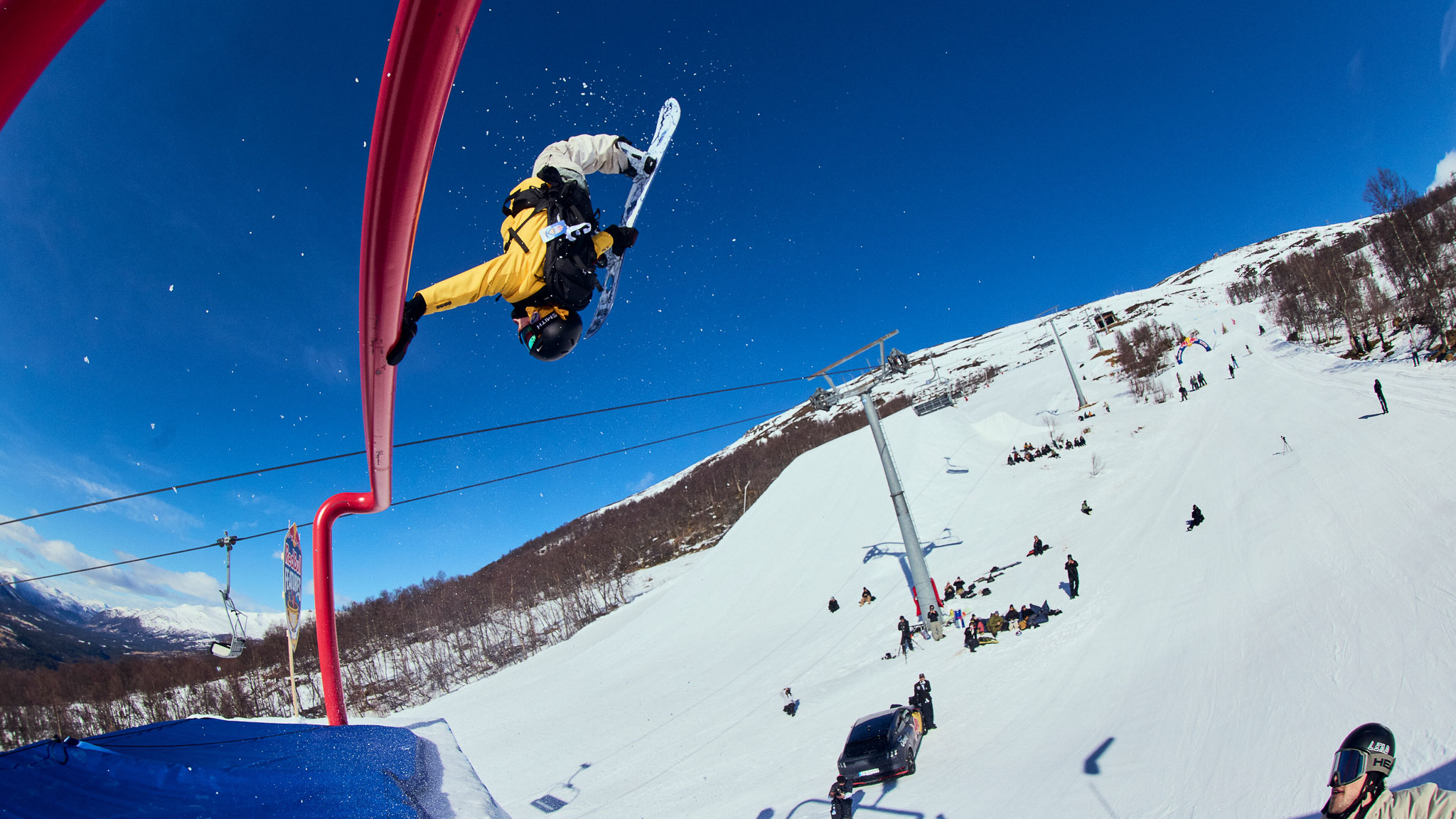
Three formidable regional teams converged on the custom-built course, each bringing a distinct blend of talent and strategy.
- Team Europe: A powerhouse lineup featuring the reigning slopestyle king Marcus Kleveland, known for his technical precision and explosive air game; Fridtjof Tischendorf, affectionately known as "Fridge," a versatile rider celebrated for his rail mastery and creative flow; Isak Ulstein, a dark horse with a reputation for unconventional lines; and Celia Petrig, a rising star whose smooth style and amplitude promised to anchor the team’s all-around performance.
- Team North America: Comprising Luke Winkelmann, a dynamic rider famed for his speed and stylish execution; Denver Orr, a consistent performer with a deep bag of technical tricks; Egan Wint, a veteran known for his fearless approach to large features; and Lane Weaver, a creative visionary capable of unlocking unique lines. Their collective strength in technical rail riding and speed was anticipated to be a significant advantage.
- Team Asia-Pacific: An exciting roster featuring Cool Wakushima, whose innovative approach and fearless attitude have garnered significant attention; Zephyr Lovelock, an amplitude specialist with an effortless aerial style; Rocco Jamieson, a highly technical rider proficient across all features; and Miyabi Onitsuka, whose powerful riding and composed execution promised a strong foundation. This team was seen as a wildcard, possessing a collective versatility that could shine in the multi-faceted format.
Each team’s composition reflected a strategic blend of specialists and all-rounders, a necessity given the diverse challenges presented by the Red Bull Features Cup course. The selection process emphasized not just individual skill, but also the potential for synergistic teamwork, a crucial element that would be tested throughout the competition.
A Course Like No Other: Zones of Challenge and Creativity
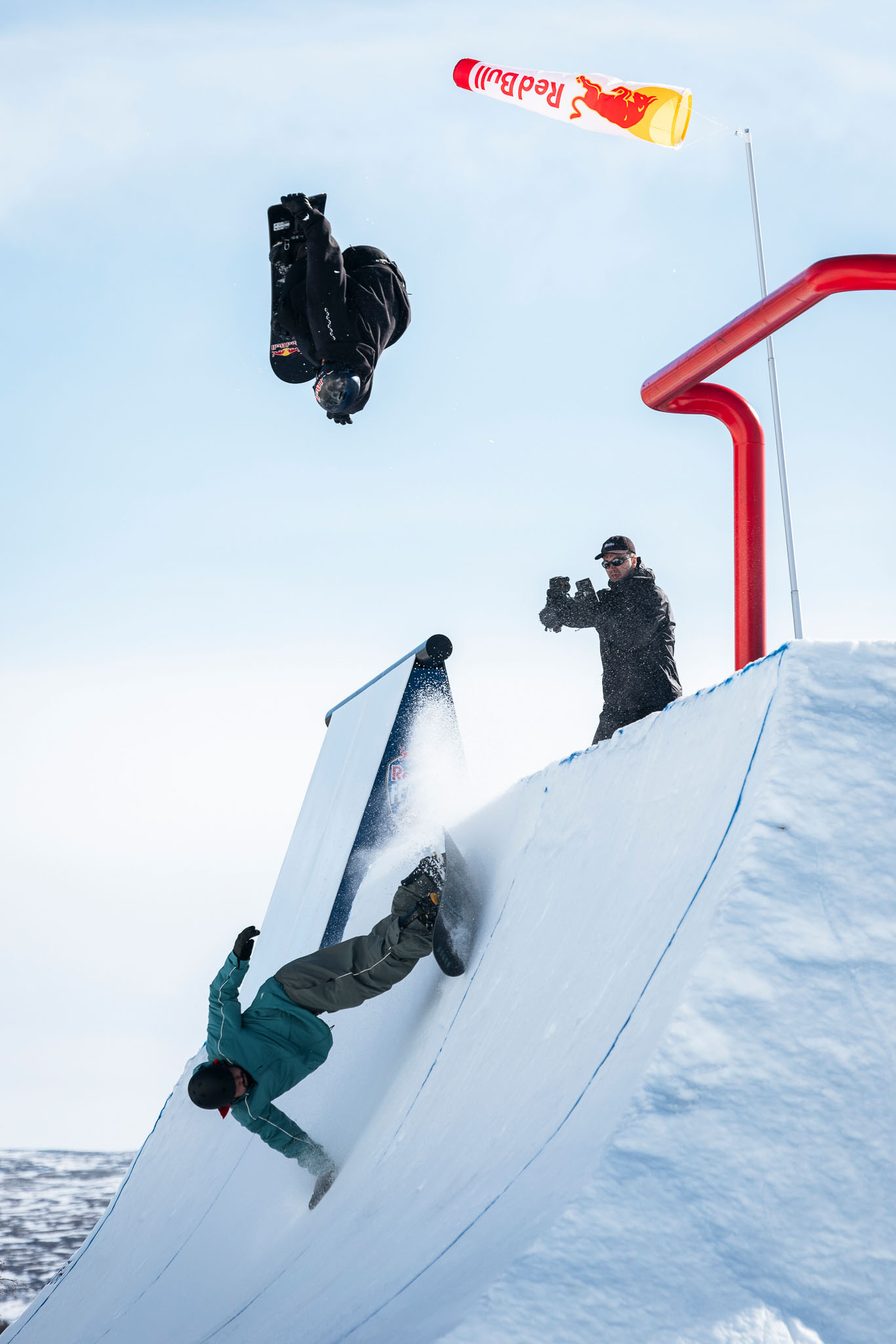
The competition unfolded across four meticulously designed zones: a high-speed banked slalom, a technical rail jam, an amplitude-focused quarterpipe, and a progressive jump line. Points were awarded on a 5-3-1 basis for first, second, and third place in each zone, encouraging teams to push for wins rather than merely consistent finishes. Layered throughout the competition was the "Mischief Multiplier," a dynamic element designed to inject unpredictability and reward spontaneous creativity. This often took the form of randomizers or bonus challenges, forcing riders to adapt on the fly and integrate novel elements into their runs, thereby emphasizing the improvisational spirit of snowboarding. The overarching design philosophy ensured that no single discipline could dominate, demanding a comprehensive skill set from every participant. The course itself was a character in the drama, its outrageous features and seamless flow encouraging riders to explore new dimensions of their craft.
Chronology of Competition: A Zone-by-Zone Breakdown
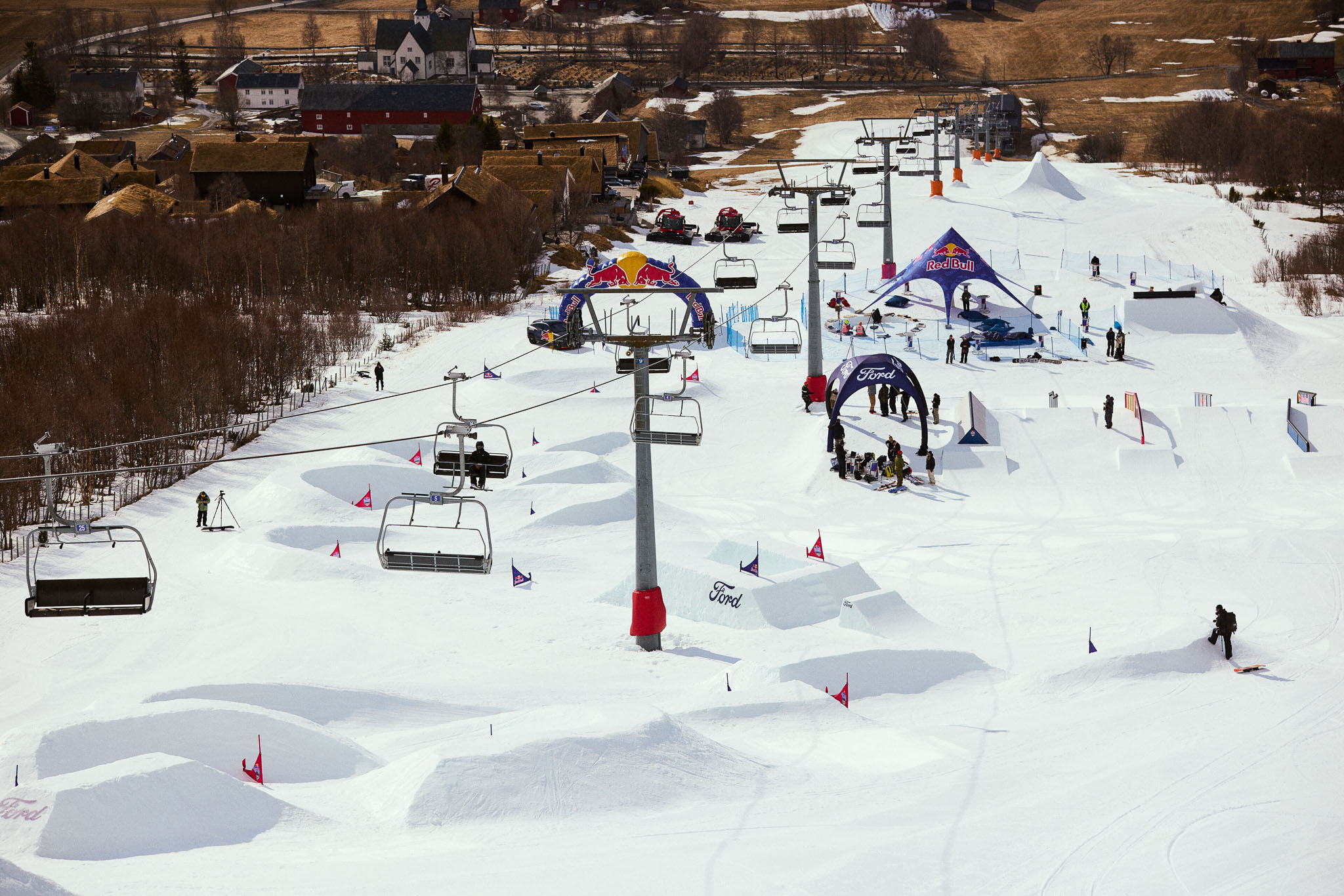
Zone 1: The Banked Slalom – Speed, Strategy, and Stunts
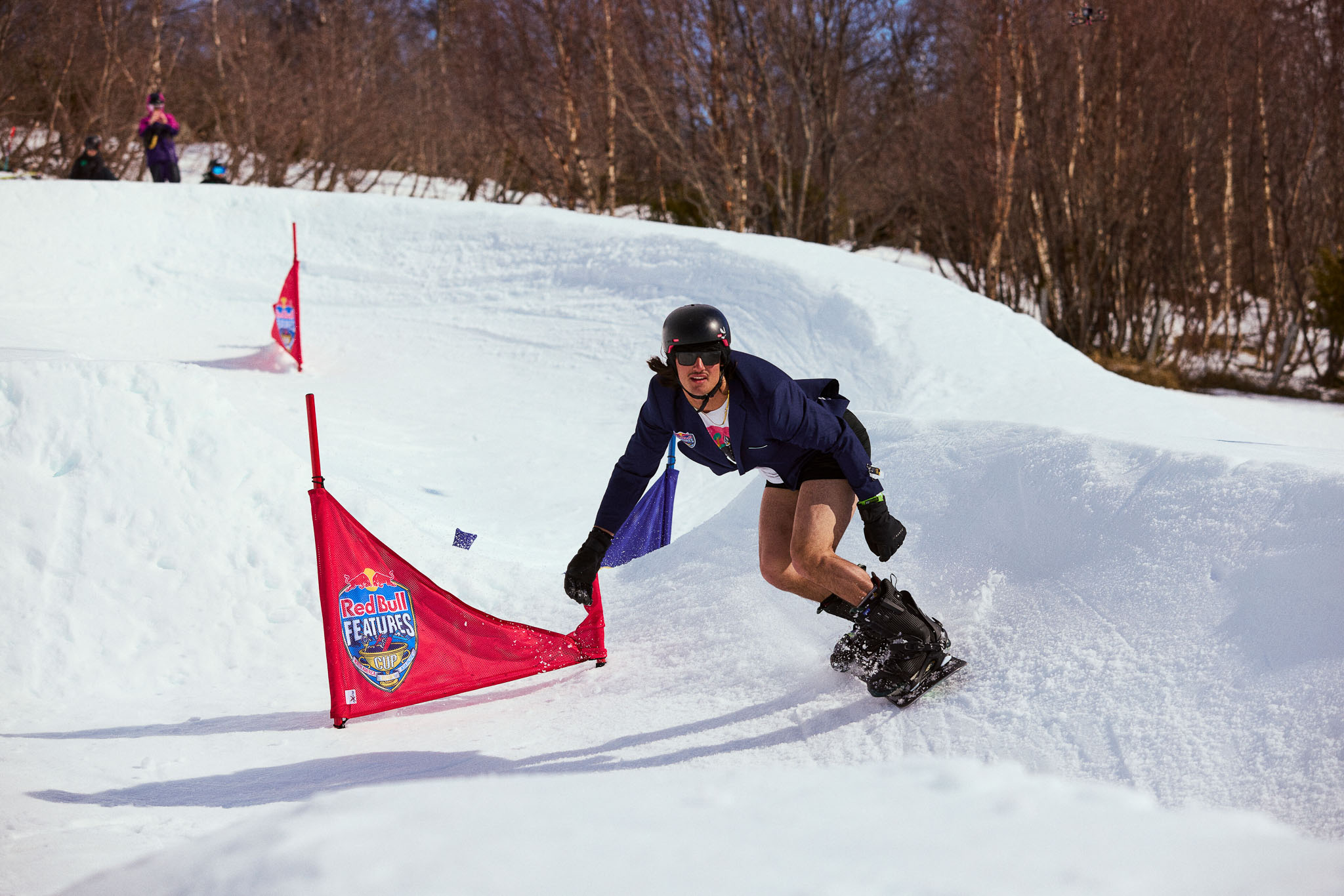
The opening zone, the banked slalom, immediately set a high-octane tone. It combined raw speed, tactical line choices, and a crucial element of unpredictability. Teams logged cumulative times across two distinct runs: one on standard boards, emphasizing traditional racing technique, and a second on agility-testing mini boards, where precision was paramount. Penalties for missed gates were balanced by lucrative time deductions for creative risk-taking, such as mid-course flips and unique transitions. North America’s Luke Winkelmann, a renowned speed demon, lived up to his reputation on the standard board, clocking an incredibly fast initial run that showcased his team’s aggressive pace. However, the penalties for minor errors and the strategic complexities introduced by the mini boards, combined with Europe’s calculated risks, kept the standings incredibly tight. The decision to attempt a mid-course flip, for instance, could shave precious seconds but carried the high risk of a fall or a gate miss, demanding a delicate balance of ambition and execution. Europe capitalized on this, with Isak Ulstein executing a perfectly timed wildcat flip that garnered significant time deductions and boosted their standing in the zone.
Zone 2: Rail Jam – Technical Prowess Meets Random Mayhem
The rail jam quickly emerged as one of the most dynamic and unpredictable zones. Beginning as a traditional, open session where riders could showcase their technical rail wizardry, it soon introduced the "Mischief Multiplier" in the form of a large spin wheel. This wheel dictated specific tricks, stances, or features riders had to incorporate into their next attempt, forcing rapid adaptation and rewarding creativity under intense pressure. A spin might demand a "switch 270 on to front board pretzel out" or require riders to hit a specific, less conventional feature like a "hitching post" or a "creeper rail." North America, boasting deep technical rail depth, leaned into this challenge, consistently landing complex combinations and adapting seamlessly to the randomizer’s demands, making this zone a clear strength for them. Europe’s Fridtjof Tischendorf, affectionately known as "Fridge," proved to be a standout performer, consistently delivering under both open and randomized conditions. His ability to blend intricate rail slides with unexpected spins and flips, often linking multiple features with effortless flow, earned him high marks and anchored Europe’s strong showing in this highly technical zone. Asia-Pacific, while strong, found some of the random elements particularly challenging, struggling to maintain the same level of consistency under the arbitrary constraints.
Zone 3: Quarterpipe – Amplitude, Artistry, and Aerial Acrobatics
The quarterpipe zone shifted the focus dramatically to amplitude, air awareness, and crucially, team coordination. Beyond the standard quarterpipe hits, added features like a towering wall ride and a unique "hitching post" expanded the creative canvas for riders. Bonus points were generously awarded for synchronized "doubles" runs, a visually spectacular maneuver where one rider hit low on the coping while a teammate aired directly over them. This required impeccable timing, trust, and spatial awareness. All three teams impressively pulled off these doubles, much to the delight of the crowd and judges, showcasing the collaborative energy that permeated the event. The synchronized aerials became a highlight, symbolizing the spirit of camaraderie and teamwork. Tischendorf again played a pivotal role, helping to anchor Europe’s consistent and high-flying performance with his massive airs and controlled landings. Asia-Pacific, despite showcasing strong air awareness across its roster, with Zephyr Lovelock particularly excelling in amplitude, fell just short in the zone standings, narrowly missing some of the bonus point opportunities that Europe skillfully capitalized on. North America also demonstrated solid quarterpipe skills, keeping the competition fiercely close.
Zone 4: Jump Session – Controlled Chaos and Creative Progression
The final jump session was meticulously designed to be a defining highlight, pushing riders beyond typical "biggest trick" mentalities. It featured a unique progression format: each rider had to build from simpler maneuvers like 180s, progressively increasing rotation up to a maximum of 900 degrees. This capped rotation level deliberately shifted the focus away from sheer difficulty and towards execution, style, consistency, and flow, creating a session unlike anything seen in traditional competition. Riders were judged on their ability to make each progression look effortless, with impeccable grabs, controlled landings, and smooth transitions. Europe, led by the undeniable air prowess of Marcus Kleveland, came into this zone as a powerhouse, with Kleveland’s textbook 720s and stylish 900s setting a high bar for amplitude and precision. However, all three teams rose to the challenge, delivering a tightly contested finale. Asia-Pacific, with Cool Wakushima and Miyabi Onitsuka showcasing incredible style and consistency through their progressive rotations, managed to keep pace, demonstrating the depth of their aerial talent. North America’s Egan Wint also delivered some standout performances, adding to the intensity of the final zone.
The Unprecedented Standstill: A Three-Way Tie
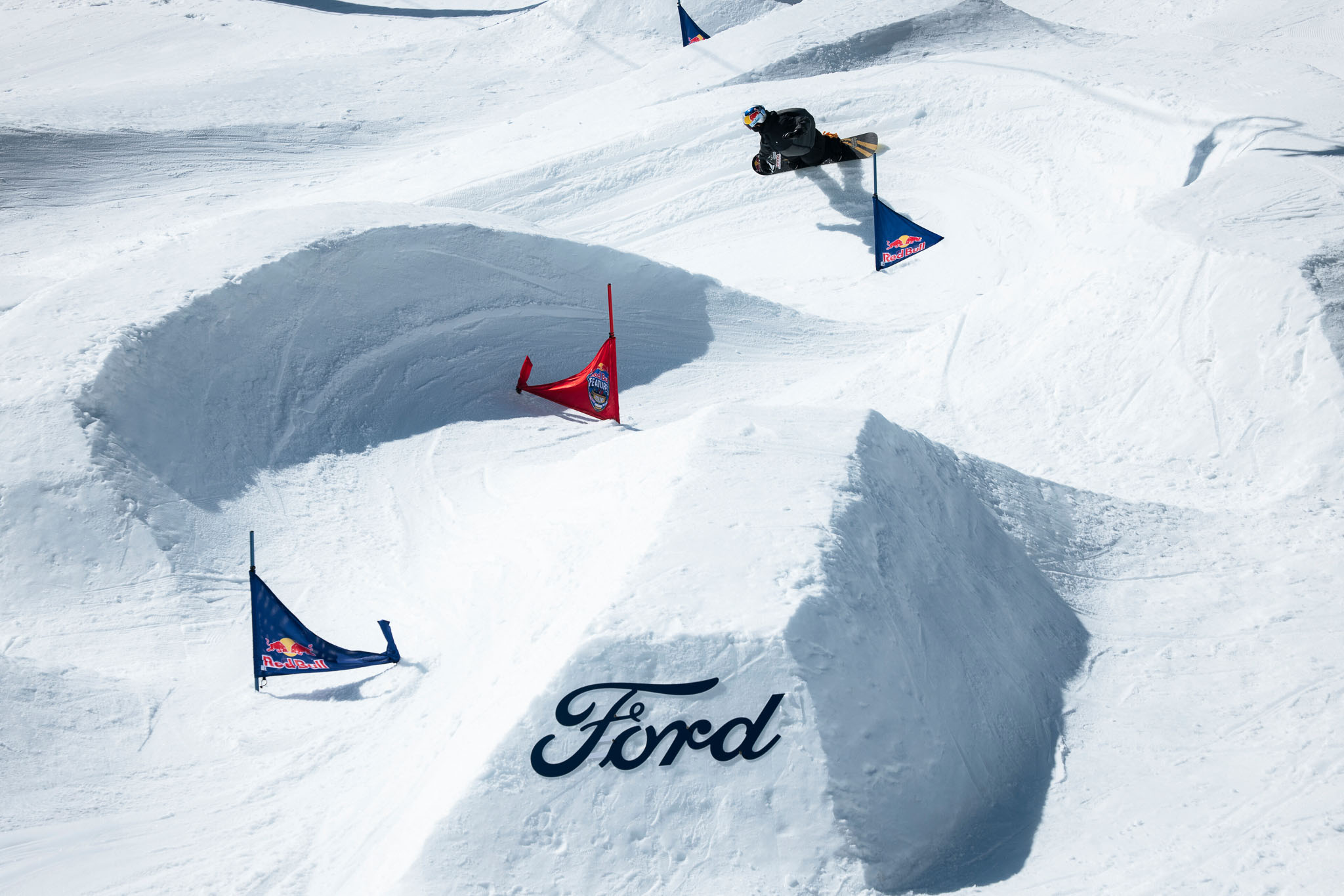
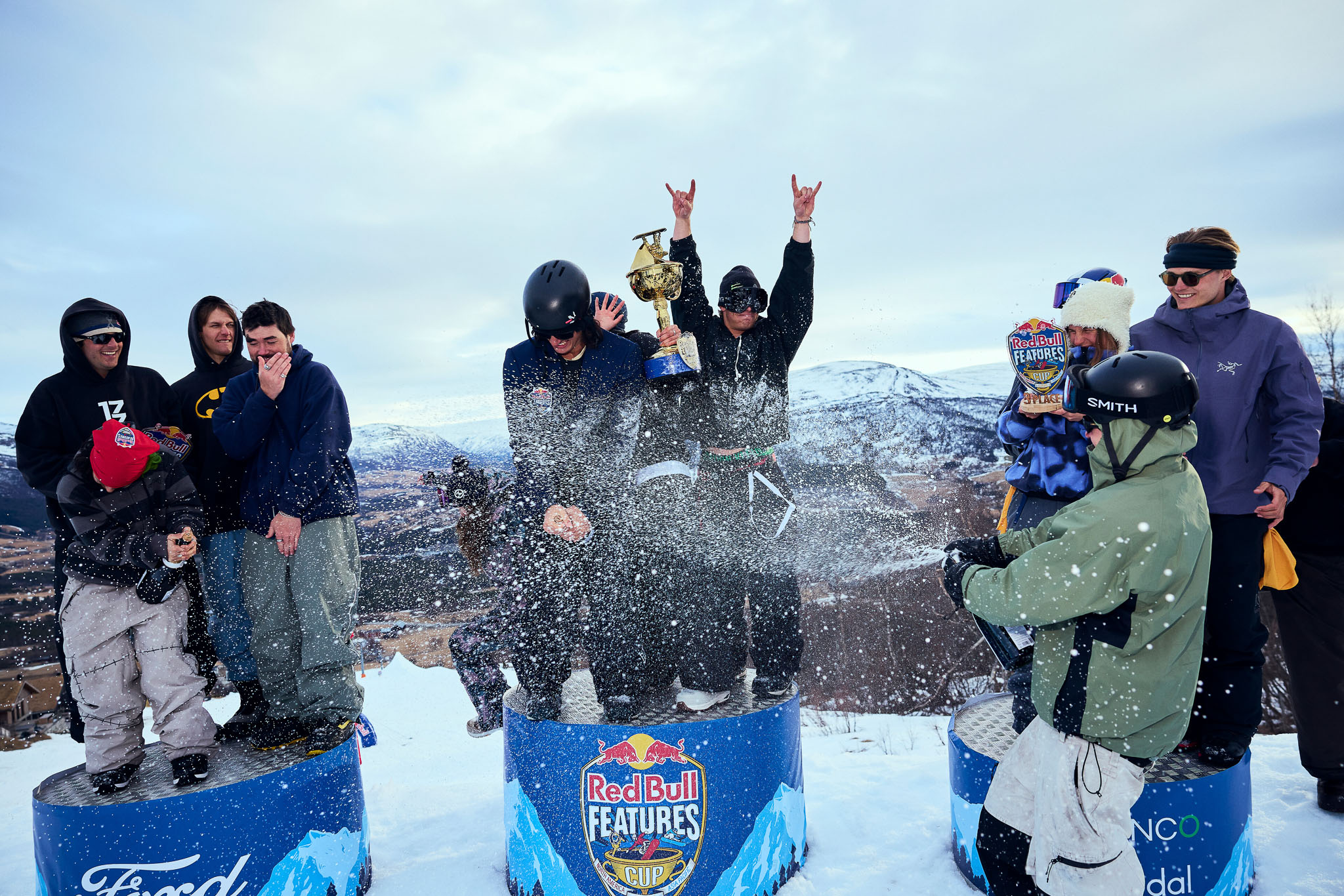
In a testament to how evenly matched the global field was, the event reached a truly rare and mathematically improbable conclusion. After the points from all four zones were tallied, an astonished crowd and even the organizers witnessed an unprecedented three-way tie. Each team – Europe, North America, and Asia-Pacific – finished on exactly 12 points.
- Europe had secured two decisive zone wins, showcasing their strength in specific disciplines.
- Asia-Pacific combined a crucial zone win with multiple strong second-place finishes, demonstrating consistent performance across varied challenges.
- North America maintained remarkable consistency, never dipping to third place in any zone, which ultimately kept them level with their competitors.
The tension in the arena was palpable. The intricate scoring system, designed for clear winners, had inadvertently created a deadlock, forcing event officials into an immediate, high-stakes decision. The concept of a three-way tie at such a high-profile, multi-zone competition was virtually unheard of in action sports, underscoring the parity and competitive fire exhibited by every rider.
Sudden Death Showdown: The Hip Session Decider
With the championship on the line and no room for error, a sudden-death scenario was declared. The format chosen was an unplanned fifth zone: a high-stakes hip session. Hips are renowned for demanding both amplitude and technical flair, often serving as a crucible for a rider’s all-around ability to generate speed, pop, and style in an unconventional take-off and landing. Each team would send one rider for a single, winner-takes-all run.
The pressure was immense. Europe dispatched Marcus Kleveland, who delivered a massive, stylish method grab, showcasing his signature amplitude. North America countered with Luke Winkelmann, whose lightning-fast approach led to a powerful backside air with a clean grab and landing. But it was Asia-Pacific who ultimately capitalized on the cumulative momentum and depth they had shown throughout the competition. Sending out Cool Wakushima, known for her innovative and dynamic riding, the team watched as she launched into a breathtaking double cork off the hip, landing with flawless precision and an undeniable flair that resonated instantly with the judges. The execution was audacious, unexpected, and perfectly clean, sealing their victory. The crowd erupted as the judges’ decision was announced, crowning Team Asia-Pacific the inaugural Red Bull Features Cup champions.
Voices from the Snow: Reactions and Reflections
The immediate aftermath was a mix of elation, exhaustion, and widespread admiration for the event’s unique format.
Cool Wakushima, beaming after securing the win for Asia-Pacific, shared her excitement: "That was absolutely insane. To be in a three-way tie, then go into sudden death… it’s like nothing I’ve ever experienced. Our team just clicked from day one, and to pull off that last trick for the win, it’s an unbelievable feeling. This format truly celebrates what snowboarding is all about – creativity, teamwork, and pushing each other."
Marcus Kleveland of Team Europe, despite finishing third, expressed his enthusiasm for the event: "The tie was wild, a true shocker! We rode our hearts out, and I’m so proud of the European team. This competition pushes you in so many different ways, from the mini boards to the randomizers. It’s a fresh take, and it’s what snowboarding needs."
Luke Winkelmann from North America, whose team took second place, reflected on the intensity: "Consistency was our game plan, and it almost paid off with the win. The hip session was pure pressure, but it was awesome to see everyone step up. Red Bull really nailed it with this format; it brought out the best in us, making us think beyond just individual tricks."
An official statement from Red Bull echoed the sentiment of success. "The Red Bull Features Cup has exceeded all our expectations," said Sarah Davies, Event Director. "Our goal was to create an event that would challenge the status quo, celebrate the diverse talents of snowboarders, and put the fun back into competition. The incredible display of skill, the teamwork, and that unforgettable three-way tie and sudden-death finish truly validate our vision. We believe this is a significant step forward for competitive snowboarding."
Beyond the Podium: Implications for Snowboarding’s Future
More than the final podium, the defining takeaway from the Red Bull Features Cup was the palpable vibe: a session-driven environment where riders fed off each other’s energy, pushing creativity and progression without the often-stifling pressure of a purely individual, traditional contest. This shift in focus has significant implications for the future of competitive snowboarding.
Firstly, the emphasis on a diverse skill set rather than hyper-specialization encourages a more well-rounded athlete. Riders are compelled to hone their abilities across banked slalom, rails, quarterpipes, and jumps, fostering a holistic approach to the sport. This could lead to a new generation of versatile snowboarders capable of excelling in any terrain or format.
Secondly, the team format and elements like the "Mischief Multiplier" and synchronized "doubles" inject a layer of strategic depth and collaborative spirit rarely seen in individual contests. This not only makes the competition more engaging for participants but also more narrative-rich for spectators, who can follow team dynamics and strategic decisions unfold. It also fosters camaraderie among competitors, even across rival teams, as the shared challenge becomes a unifying factor.
Thirdly, the focus on style, flow, and controlled progression (as seen in the jump session’s capped rotation) challenges the prevailing trend of ever-increasing technical difficulty and rotation counts. By valuing execution and aesthetic appeal, the Red Bull Features Cup subtly nudges the sport towards a more sustainable and artistic form of progression, where quality of movement is as important as quantitative difficulty. This could resonate strongly with fans who appreciate the art form of snowboarding as much as the athletic feat.
Finally, the event’s successful debut positions it as a potential blueprint for future competitions, not just in snowboarding but potentially across other action sports. Its innovative structure, coupled with Red Bull’s strong brand presence and commitment to athlete-driven events, suggests a new benchmark for how competitive action sports can be presented – one where creativity leads, teamwork matters, and fun remains unequivocally at the core. The Red Bull Features Cup has not merely crowned a champion; it has ignited a conversation about the very essence of competitive snowboarding, promising an exciting, more diverse future for the sport.

