
Despite a generally below-average snowfall year across the American West, Beartooth Basin in Wyoming is signaling a potential opening for its unique spring ski season. Recent preparations at the ski area, including work on lift systems, suggest that operations may commence next month. While an official confirmation is still pending, these visual cues offer a glimmer of hope for enthusiasts seeking late-season turns in a region known for its challenging and often unpredictable winter climate. The ski area’s viability for operation is intrinsically linked to the accessibility of the Beartooth Highway, a critical artery that typically opens around Memorial Day weekend and is currently undergoing its annual clearing process.
The prospect of Beartooth Basin opening this year carries particular significance given the widespread reports of diminished snowpack throughout the Western United States. Major ski resorts across states like Colorado, Utah, and California have faced shorter seasons and reduced operational capacities due to warmer temperatures and less precipitation. This context amplifies the importance of any potential opening at Beartooth, which relies on specific high-altitude snow accumulation and a later melt-off. Historically, Beartooth Basin has been no stranger to the challenges posed by low-snow years, with past seasons experiencing cancellations. Therefore, while preparations are underway, the ultimate decision to open will hinge on the remaining snow depth and the successful clearing of the access road.
A Legacy of Summer Skiing and Unique Operations
Beartooth Basin boasts a distinctive history, tracing its origins back to 1962. Founded by pioneering Austrian skiers Pepi Gramshammer, Eric Sailer, and Anderl Molterer, the area initially served as a location for ski camps offering athletes training opportunities during the warmer months. The current site along the Beartooth Highway was established in the 1970s, and for many years, it operated primarily as a private facility for the Red Lodge International Ski and Snowboard Camp. The transition to a public ski area occurred in 2003 when new ownership acquired the property and rebranded it as Beartooth Basin. This shift marked a significant change, opening the unique terrain to a broader audience. The area was reportedly listed for sale in 2024, but its current market status remains unclear, with the listing no longer appearing on the resort’s website. This ambiguity adds another layer of uncertainty to the future of the operation, separate from the immediate concerns of snow conditions.
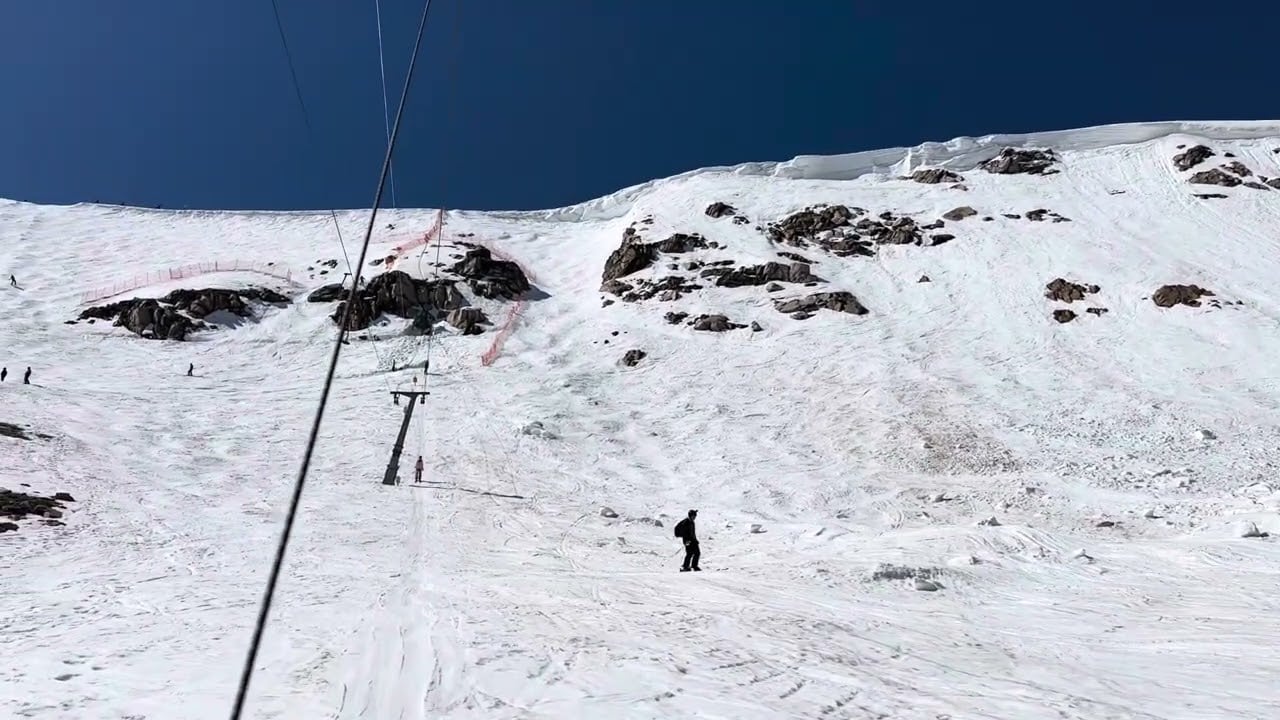
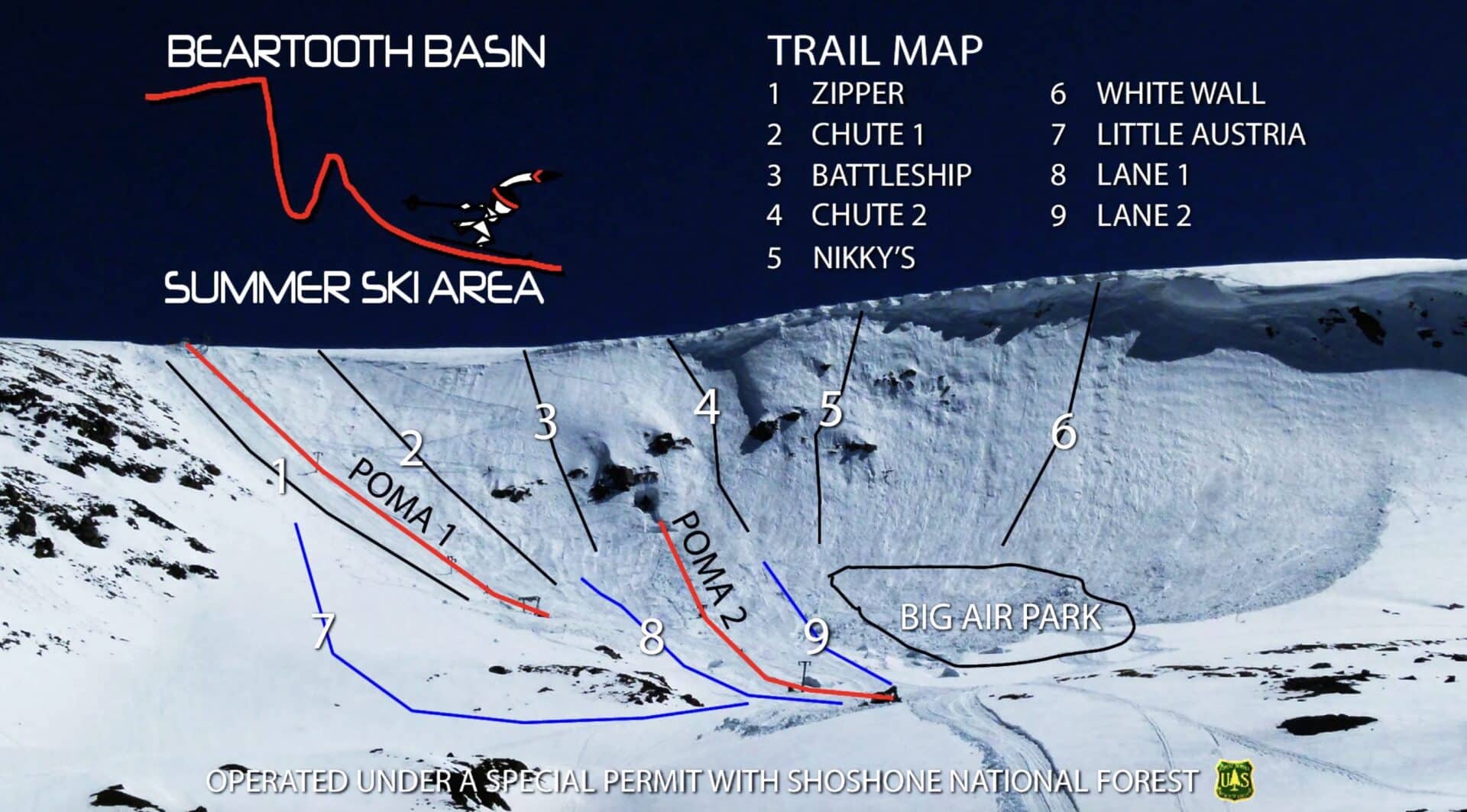
The operational model of Beartooth Basin is notably unconventional. Described as an "upside-down" ski area, visitors park at the summit and ski down to access the lifts. This setup is necessitated by its high-alpine location, offering a different experience from traditional ski resorts. The facilities are modest, comprising 9 trails, a terrain park, and two Poma lifts. Beyond the marked trails, the area provides extensive backcountry terrain for experienced skiers and snowboarders. Ticket and merchandise sales are conducted from trailers at the summit, as there is no conventional lodge. If the ski area does open, it aims to operate daily from 9 a.m. to 3 p.m., a schedule reflective of its seasonal and specialized nature.
Navigating the Challenges of a Warm Winter
The 2025-2026 winter season has been characterized by persistent warmth and below-average snowfall across much of the Western United States. Data from various meteorological agencies and ski industry reports have consistently indicated a deficit in snowpack compared to historical averages. For instance, the Natural Resources Conservation Service (NRCS) has reported significantly lower snow-water equivalent (SWE) levels in many key mountain regions. This trend directly impacts high-elevation ski areas like Beartooth Basin, which often depend on late-season snow and the ability to sustain snowpack well into spring and early summer.
The opening of the Beartooth Highway, officially designated as U.S. Route 212, is a critical precursor to any operational activity at Beartooth Basin. This scenic byway, known for its breathtaking vistas and challenging mountain passes, is maintained by the Wyoming Department of Transportation and the Montana Department of Transportation. The clearing process is a significant undertaking, often involving heavy machinery to remove substantial snowdrifts and ice. The typical opening timeframe around Memorial Day weekend is crucial for both logistical access to the ski area and for the influx of summer tourism that supports the surrounding communities. Delays in highway clearing, due to persistent snow or weather events, can directly affect the ski area’s ability to open and operate.
Preparing for the Season: A Glimpse of Activity
The recent social media posts from Beartooth Basin, showcasing preparatory work on the lifts, suggest a determined effort to be ready should conditions permit. This proactive approach is vital for an operation that has a limited window of opportunity. The specific tasks involved in preparing for a spring ski season at such an altitude can include:
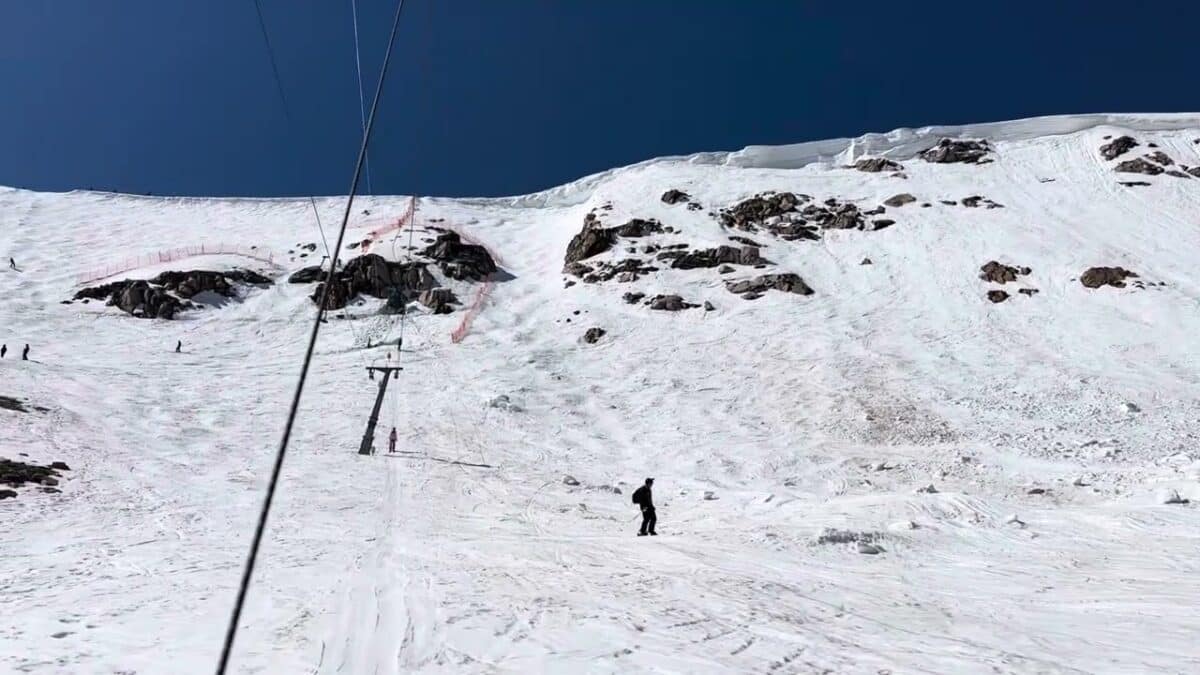
- Lift Maintenance: Inspecting and servicing the Poma lifts, ensuring their mechanical integrity and safety for public use. This includes checking cables, motors, and all moving parts.
- Snow Grooming (if applicable): While natural snowfall is key, some areas might benefit from limited grooming to improve skiable surfaces, especially on trails that may have experienced significant melt and refreeze cycles.
- Trail Assessment: Evaluating the condition of the 9 designated trails and the terrain park for accessibility and safety. This involves identifying any hazards or areas requiring attention.
- Safety Checks: Ensuring all safety equipment, signage, and protocols are in place, particularly given the backcountry nature of some of the terrain.
- Staffing and Logistics: Coordinating personnel for ticket sales, lift operations, and potential on-mountain support.
The visual evidence of this preparation, even without an official announcement, has generated discussion among skiers and snowboarders who look forward to the unique experience Beartooth Basin offers. The ski area has carved out a niche as one of the few places in the United States where one can ski in June, capitalizing on its high elevation and the extended lifespan of its snowpack.
Broader Implications and Future Outlook
The potential opening of Beartooth Basin this year, despite the broader context of a less-than-ideal winter, speaks to the resilience and unique appeal of specialized ski operations. For the local economy, particularly in nearby Red Lodge, Montana, and areas within Wyoming, any operational period for Beartooth Basin can provide a welcome boost. The ski area attracts a dedicated clientele who appreciate its raw, natural beauty and the challenge it offers.
The question of whether Beartooth Basin was sold or the listing was withdrawn remains a point of interest for stakeholders and patrons alike. A change in ownership could bring new investment and operational strategies, potentially altering the future trajectory of the ski area. Conversely, remaining under current ownership, or a new owner committed to its established model, would likely see a continuation of its unique spring skiing focus.
The reliance on the Beartooth Highway’s opening is a constant factor for Beartooth Basin. The highway itself is a significant tourist attraction, drawing visitors for its scenic drives, hiking, and recreational opportunities. The synchronized opening of both the highway and the ski area is crucial for maximizing the economic benefits for the region. As the snow continues to melt and road crews work diligently, the anticipation builds for a definitive announcement regarding the 2026 spring ski season at Beartooth Basin. The ski community will be watching closely, hoping that this iconic high-alpine destination can once again offer its distinctive brand of late-season adventure.
The limited operational window and the dependence on natural snow mean that Beartooth Basin operates on a different economic model than most conventional ski resorts. Its success hinges on efficient operations during a short, albeit popular, period. The ability to attract skiers seeking a different kind of experience—one less about luxury amenities and more about the thrill of high-altitude skiing on potentially challenging snow conditions—is its key differentiator. The coming weeks will be decisive in determining whether this unique Wyoming ski area can defy the odds and open its lifts for another memorable season.

